Classic Car Insurers That Cover Tractors
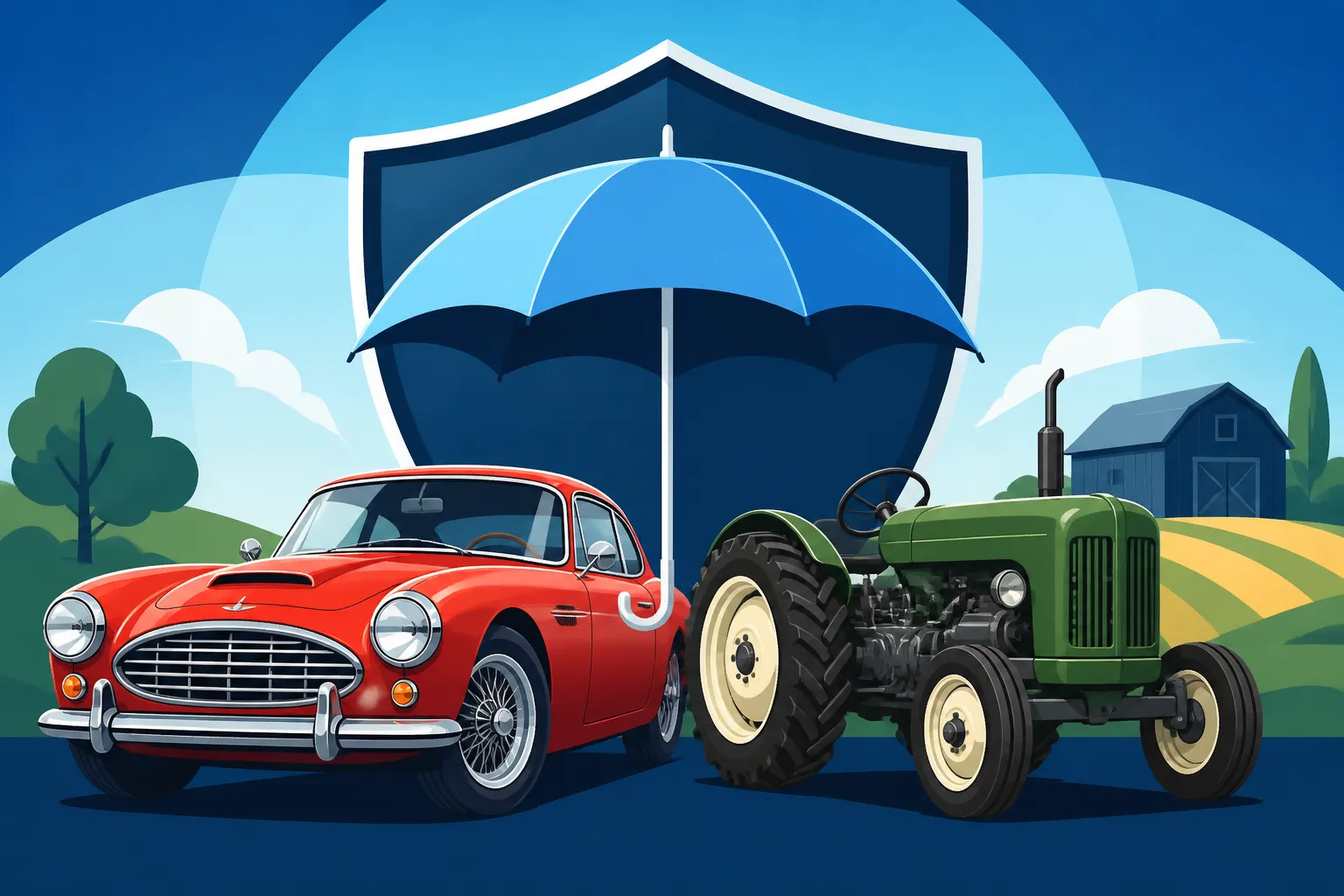
For collectors, your prize possession might not always be a gleaming muscle car or a sleek European sports car. Sometimes, it's the rumble of an old Fordson, the distinct green of a John Deere from yesteryear, or the robust charm of an antique Farmall. These aren't just pieces of farm equipment; they're cherished collectibles, often restored with incredible dedication and significant investment. The challenge? Most standard insurance policies simply don't understand the unique value and use of these classic tractors. This guide will help you navigate the landscape of specialty classic vehicle insurers that truly get it, ensuring your vintage agricultural marvel is protected properly.
Why Your Classic Tractor Needs Specialty Insurance
It's a common misconception that if a tractor isn't actively working a field, it doesn't need much in the way of insurance beyond a basic liability policy if you ever move it on public roads. But for classic tractors, this couldn't be further from the truth. These machines often represent a considerable financial and emotional investment, and treating them like any other piece of heavy machinery can leave you severely underinsured in the event of a loss.
The Pitfalls of Standard Farm or Auto Policies
Most standard farm insurance policies are designed to cover working agricultural equipment, focusing on productivity and liability risks associated with commercial operation. They typically value equipment at its actual cash value (ACV), meaning depreciation is factored in heavily. For a tractor that's decades old but meticulously restored, ACV would be a fraction of its true market value or the cost of restoration. Imagine spending years bringing a 1950s Allis-Chalmers back to life, only for a fire to claim it, and your insurance company offers you a few hundred dollars based on its depreciated value. It’s a gut punch no collector wants to experience.
Similarly, a standard auto policy isn't going to cut it either. These policies are tailored for modern passenger vehicles, with different risk profiles, usage assumptions, and valuation methods. Your daily driver insurance agent might scratch their head when you try to explain the nuances of a 1937 John Deere Model B, from its hand-crank start to its unique parts availability. They simply aren't equipped to assess or cover the specific risks and value associated with a classic tractor.
Protecting Your Investment and Passion
A classic tractor isn't just a machine; it's a piece of history, a work of art, and often a labor of love. Specialty classic vehicle insurance understands this intrinsic value. It recognizes that these vehicles appreciate, rather than depreciate, and it aims to cover the specific risks collectors face, such as damage during transport to a show, theft from a secure storage facility, or even accidental damage during light, pleasure use.
By opting for a policy designed specifically for collector vehicles, you ensure that your policy's valuation aligns with the true market worth of your tractor. This peace of mind allows you to enjoy your vintage iron without the constant worry of potential financial ruin should the unthinkable happen. It’s about more than just coverage; it’s about acknowledging the unique place these magnificent machines hold in automotive history and in your heart.
What Qualifies a Tractor for Classic Insurance Coverage
Just like classic cars, not every old tractor automatically qualifies for specialty classic insurance. There are specific criteria that insurers look for, often mirroring the standards for other collector vehicles. Understanding these benchmarks is crucial before you seek a quote. It's often helpful to compare these requirements to those for other vintage vehicles, such as when a car qualifies as antique.
Age and Rarity Requirements
The primary factor is, of course, age. While definitions can vary slightly between insurance providers, most consider a tractor to be "classic" or "antique" once it reaches a certain age, often 20 to 25 years old or older. Some might extend this to "vintage" for even older models, perhaps 30 years or more. It’s not just about age, however; rarity plays a significant role. A tractor that was produced in very limited numbers or is particularly sought after by collectors due to historical significance, unique features, or exceptional condition, is much more likely to qualify.
For example, a perfectly restored 1957 Ford 8N, while common, holds immense classic appeal, whereas a rare 1920s Rumely OilPull would command attention for its scarcity and historical importance. Insurers specializing in classic vehicles, like Hagerty or American Collectors Insurance, have expert teams who understand these nuances and the collector market for agricultural machinery. They know the difference between an old workhorse and a collectible piece of history.
Usage and Storage Expectations
One of the defining characteristics of classic vehicle insurance is the expectation of limited, recreational use. This differs significantly from standard farm policies. Insurers for classic tractors expect that the vehicle will not be used for commercial farming operations, heavy-duty work, or as a primary utility vehicle. Instead, typical uses include parades, club events, historical demonstrations, light pleasure driving, or static display. This limited use is a key reason why classic vehicle insurance is often more affordable than regular auto insurance, as the risk of accidents is inherently lower.
Storage is another critical requirement. Most specialty insurers will mandate that your classic tractor is stored in a secure, enclosed, and locked facility, such as a private garage, barn, or dedicated storage unit. This reduces the risk of theft, vandalism, and damage from the elements. A tractor left out in the open or in an unsecured lean-to might not meet the eligibility requirements for a specialized policy. Insurers want to see that you, the collector, are taking active steps to protect your valuable asset.
Condition and Valuation
The condition of your classic tractor is paramount. While some insurers might offer coverage for "project" tractors undergoing restoration, the ideal candidate for a classic tractor policy is typically in excellent, restored, or well-maintained original condition. The vehicle should reflect the care and investment you've put into it. For insurers, this indicates a lower risk of mechanical failure due to neglect and demonstrates its collectible status.
When it comes to valuation, Agreed Value Coverage Explained is the gold standard for classic vehicles, including tractors. Unlike actual cash value, agreed value means you and the insurer agree on your tractor's market value at the start of the policy. In the event of a total loss, you receive that agreed-upon amount, no questions asked, subject to your deductible. This removes the uncertainty and potential disappointment of depreciation calculations. To determine this agreed value, you might need to provide detailed photos, restoration records, recent appraisals, or market evidence. This process is crucial because it ensures your policy truly reflects your tractor's worth.
Understanding Classic Tractor Insurance Coverage Options
When you're looking to insure your beloved classic tractor, you'll find that specialty policies offer a range of coverage options tailored to the unique needs of collectors. These go far beyond what a standard policy might provide, offering protection that truly understands the value and typical use of these vintage machines.
Agreed Value and Its Importance
As mentioned, Agreed Value Coverage Explained is the cornerstone of any good classic vehicle policy, and it's absolutely vital for classic tractors. This is where you and your insurance provider explicitly agree on the tractor's value at the beginning of the policy term. If your classic tractor is ever deemed a total loss due to a covered event, you receive that agreed-upon amount, less any deductible. This eliminates the headache of arguing about depreciation or current market value after a devastating event. For a classic tractor that might be rare, custom-restored, or hold significant sentimental value, knowing that its true worth is protected offers unparalleled peace of mind.
This stands in stark contrast to Actual Cash Value (ACV) policies, which pay out the replacement cost minus depreciation. For a 60-year-old tractor, even one in pristine condition, the ACV would likely be minimal, potentially leaving you hundreds or thousands of dollars short of what it would cost to replace or restore it. When looking into how Agreed Value Is Determined, insurers often rely on appraisals, detailed documentation of restoration, and photographic evidence.
Specialized Protection for Collectors
Beyond agreed value, specialty classic tractor insurance offers several other coverages that cater directly to collectors:
- Comprehensive Coverage: This protects your tractor from non-collision incidents such as theft, vandalism, fire, natural disasters (like floods or hail), and damage from falling objects. Given that many classic tractors are stored for long periods, this coverage is critical for protecting against unforeseen events while parked.
- Collision Coverage: This covers damage to your classic tractor resulting from a collision with another vehicle or object. While classic tractors are typically driven infrequently, this is still important for those parade routes, show grounds, or even just moving it around your property.
- Spare Parts Coverage: Many collectors accumulate a trove of Spare Parts Coverage Explained to maintain or restore their tractors. Specialty policies often include coverage for these parts, whether they are stored separately or with the vehicle. This is incredibly valuable, as original or New Old Stock (NOS) parts for vintage tractors can be scarce and expensive.
- Restoration Coverage: If your tractor is a work in progress, some insurers offer coverage for vehicles under restoration. This can be complex, as the value of the tractor increases as restoration progresses. Good policies will allow you to adjust the agreed value periodically to reflect your ongoing investment in parts and labor.
- Roadside Assistance and Towing: Classic tractors, despite their robust nature, can sometimes break down. Specialty policies often include
Roadside Assistance Coverage for Classic Carstailored for collector vehicles, which means they'll arrange for flatbed towing to protect your valuable machine from further damage during transport. - Show and Event Coverage: If you frequently take your tractor to exhibitions, parades, or club events, many policies offer specific coverage for damage that might occur during transit, at the event site, or even for potential liability during public display. This is a common feature also seen in Classic Car Show and Event Coverage Rules.
Exclusions and Limitations to Be Aware Of
While comprehensive, classic tractor policies do come with specific exclusions and limitations. They generally won't cover wear and tear, mechanical breakdowns from everyday use, or damage from commercial operations. If you intend to use your antique tractor to plow your fields regularly or perform other heavy farm duties, a standard classic policy isn't the right fit; you'd need commercial farm insurance instead.
Mileage limits are also common. Most policies assume very limited annual mileage, typically under 2,500 or 5,000 miles, reflecting the pleasure-use nature of the vehicle. Exceeding these limits without informing your insurer could jeopardize your coverage. Always be transparent with your insurer about how you use your classic tractor to ensure you have the appropriate coverage.
Top Insurers That Offer Classic Tractor Policies
When it comes to finding the right insurance for your vintage tractor, you can't just walk into any agency and expect them to understand the nuances of a 1940s Farmall Cub. You need specialists. Several leading companies in the classic vehicle insurance market recognize the passion for classic tractors and offer tailored policies.
Specialty Insurance Providers
The companies that truly excel in this niche are those dedicated solely to collector vehicles. They understand the difference between an antique tractor used for show and a modern piece of farm equipment. These insurers have dedicated underwriters and claims adjusters who are knowledgeable about collector values, restoration costs, and the unique risks associated with classic machinery.
- Hagerty: Often considered a leader in the classic vehicle insurance market, Hagerty is well-known for its comprehensive coverage of various collector items, including classic cars, motorcycles, and yes, even vintage tractors. They offer agreed value coverage, specialized roadside assistance for collector vehicles (including flatbed towing), and a deep understanding of the collector community. Many collectors find their valuation tools and expertise invaluable. When considering Classic Car Insurance Companies Compared, Hagerty consistently ranks high for its specialized offerings and customer service.
- American Collectors Insurance: Another prominent player, American Collectors Insurance also provides robust policies for antique and classic tractors. They emphasize agreed value coverage and offer flexible mileage plans, as well as protection for spare parts and automobilia. Their focus on the collector market makes them a strong contender for tractor owners looking for specialized protection.
- J.C. Taylor: With a long history in the collector car insurance business, J.C. Taylor extends its expertise to antique tractors. They are known for their flexible policies and a personal touch, often dealing directly with collectors to understand their specific needs. They offer agreed value and typically have very reasonable rates for limited-use vehicles.
- Grundy Insurance: While perhaps more widely known for high-value classic cars, Grundy does offer policies for other collector vehicles, which can include unique or rare classic tractors. They emphasize "zero deductible" options and a focus on protecting investments, making them attractive for owners of particularly valuable vintage agricultural machinery.
Choosing between these providers often comes down to your specific tractor, your usage habits, and the types of additional coverages you prioritize. It's always a good idea to get quotes from a few different Best Specialty Classic Car Insurers to compare their offerings.
Key Factors When Comparing Policies
When you're evaluating quotes for your classic tractor, don't just look at the premium. Dig into the details to ensure you're getting the best protection:
- Agreed Value Amount: Is the agreed value offered by the insurer truly reflective of your tractor's market value or restoration cost? This is the most critical number on your policy.
- Mileage Limitations: Does the policy's annual mileage limit align with how much you plan to drive your tractor? If you attend many shows or participate in tractor pulls, you might need a higher mileage tier or a more flexible policy.
- Storage Requirements: Confirm that your current storage setup meets the policy's requirements to avoid any issues during a claim.
- Deductibles: What are your deductible options? A higher deductible can lower your premium, but ensure it's an amount you're comfortable paying out of pocket.
- Additional Coverages: Does the policy include or offer endorsements for things like Spare Parts Coverage for Classic Cars Explained, restoration coverage, roadside assistance, or show and event coverage? These specialized add-ons can make a huge difference.
| Insurer | Agreed Value Offered | Mileage Options | Restoration Coverage | Spare Parts Coverage | Roadside Assistance |
|---|---|---|---|---|---|
| Hagerty | Yes, standard | Flexible tiers | Yes, endorsement | Yes, standard | Yes, specialized |
| American Collectors | Yes, standard | Multiple options | Yes, endorsement | Yes, standard | Yes, specialized |
| J.C. Taylor | Yes, standard | Varies by use | Yes, often included | Yes, endorsement | Yes, available |
| Grundy Insurance | Yes, standard | Generally unlimited* | Yes, endorsement | Yes, endorsement | Yes, specialized |
*Note: Grundy's "unlimited mileage" usually still implies pleasure use, not daily or commercial driving. Always clarify specifics with the insurer.
Remember, insuring a classic tractor is about protecting a unique piece of history and your personal investment. Taking the time to find a specialty insurer who understands this, like Hagerty, and comparing their tailored policies will give you the peace of mind to enjoy your vintage agricultural marvel for years to come. For specific legal requirements, you might also want to look into Antique Tractor Insurance Requirements to ensure full compliance.
Disclaimer
Please remember that insurance policies and their terms can vary widely. The information provided here is for general informational purposes only and does not constitute professional insurance advice. It's always best to consult directly with a qualified insurance agent or broker specializing in classic vehicles to discuss your individual needs and to obtain precise quotes and coverage details. Policies are subject to underwriting guidelines and state regulations.