How to Get a Classic Car Appraisal
Figuring out the true value of your beloved classic car can feel like a real puzzle, especially when you're trying to get the right insurance coverage. It’s easy to get caught up in the sentimental value and the countless hours you’ve poured into it, but insurers need something more objective. This guide is here to walk you through the often-misunderstood process of getting a classic car appraisal, ensuring your prized possession is protected appropriately.
Why a Classic Car Appraisal Is Crucial for Insurance
When it comes to insuring your classic, vintage, or collector car, you quickly realize it's a completely different ballgame than your everyday commuter. The standard insurance policies just don't cut it, and a big part of that difference boils down to how the car's value is determined. This is precisely where a professional appraisal becomes not just helpful, but absolutely essential.
Protecting Your Investment with Agreed Value
The biggest reason to get a classic car appraisal is to establish an "Agreed Value" for your insurance policy. Unlike standard auto insurance, which typically uses "Actual Cash Value" (ACV) or "Stated Value," classic car policies thrive on Agreed Value. With ACV, the insurer pays out the depreciated market value at the time of loss, which is terrible for a classic that appreciates or holds its value. Imagine your meticulously restored 1969 Camaro being totaled, and the insurer offering you a fraction of what you know it's worth because they're factoring in depreciation. It's a nightmare scenario no classic car owner wants to face.
An Agreed Value policy, on the other hand, means you and your insurer agree on a specific dollar amount that will be paid out if your car is deemed a total loss, regardless of market fluctuations. This figure is locked in at the beginning of your policy term. A professional appraisal provides the concrete, unbiased evidence needed to justify that agreed-upon figure. It's the insurer's assurance that the value you're claiming is legitimate and well-researched, giving you peace of mind that your investment is genuinely protected. To learn more about this crucial distinction, check out our detailed guide on Agreed Value Coverage Explained.
Avoiding Underinsurance and Overinsurance
Without a proper appraisal, you run the risk of either underinsuring or overinsuring your classic car, both of which can have significant drawbacks. Underinsuring means that if a total loss occurs, the payout you receive will be less than the car's true market value or what you've invested in it. This can leave you financially devastated and unable to replace your beloved vehicle. For example, if you estimate your rare 1957 Chevrolet Bel Air is worth $70,000, but a professional appraisal would peg it at $95,000 due to its impeccable restoration and documentation, you'd be missing out on a huge chunk of your car's worth in a claim.
Conversely, overinsuring your classic might lead to paying higher premiums than necessary. While you want robust coverage, there's no benefit in paying for a value that an insurer can't or won't uphold in a claim. Insurers use appraisals to ensure the premium you pay aligns with a verifiable, fair market value. An appraisal helps strike that perfect balance, ensuring you pay a fair premium for coverage that truly reflects your car's worth. This balance is key to understanding How Much Does Classic Car Insurance Cost and getting the best value for your policy.
Understanding Different Types of Appraisals
Just like there are different types of classic cars, there are various approaches to appraising them. Knowing the distinctions can help you choose the right path for your vehicle and satisfy your insurer's requirements. It's not a one-size-fits-all situation, and what works for a pristine concours winner might be overkill for a well-preserved driver.
Independent vs. Insurer-Preferred Appraisals
When seeking an appraisal, you'll generally encounter two main routes: independent appraisers and those preferred or provided by the insurer. An independent appraisal is conducted by a third-party professional who has no direct affiliation with your insurance company. This is often seen as the gold standard because it’s inherently unbiased. These appraisers specialize in classic and collector vehicles, understanding their unique markets, nuances, and valuation methodologies. They typically provide a comprehensive report that you can then submit to any insurance provider. Finding an independent appraiser often involves searching professional organizations, classic car clubs, or getting recommendations from fellow collectors.
Some insurance companies, particularly specialty insurers like Hagerty or American Collectors Insurance, might have a network of preferred appraisers or even waive the requirement for a formal, in-person appraisal for certain vehicles or agreed values. For instance, if your car is a common model with a well-established market value and you’re seeking a moderate Agreed Value, they might accept detailed photos and documentation you provide, cross-referencing it with their own extensive valuation databases. However, for higher-value, rare, or heavily modified classics, even these companies will often require a formal independent appraisal to accurately determine How Agreed Value Is Determined.
Physical vs. Desktop Appraisals
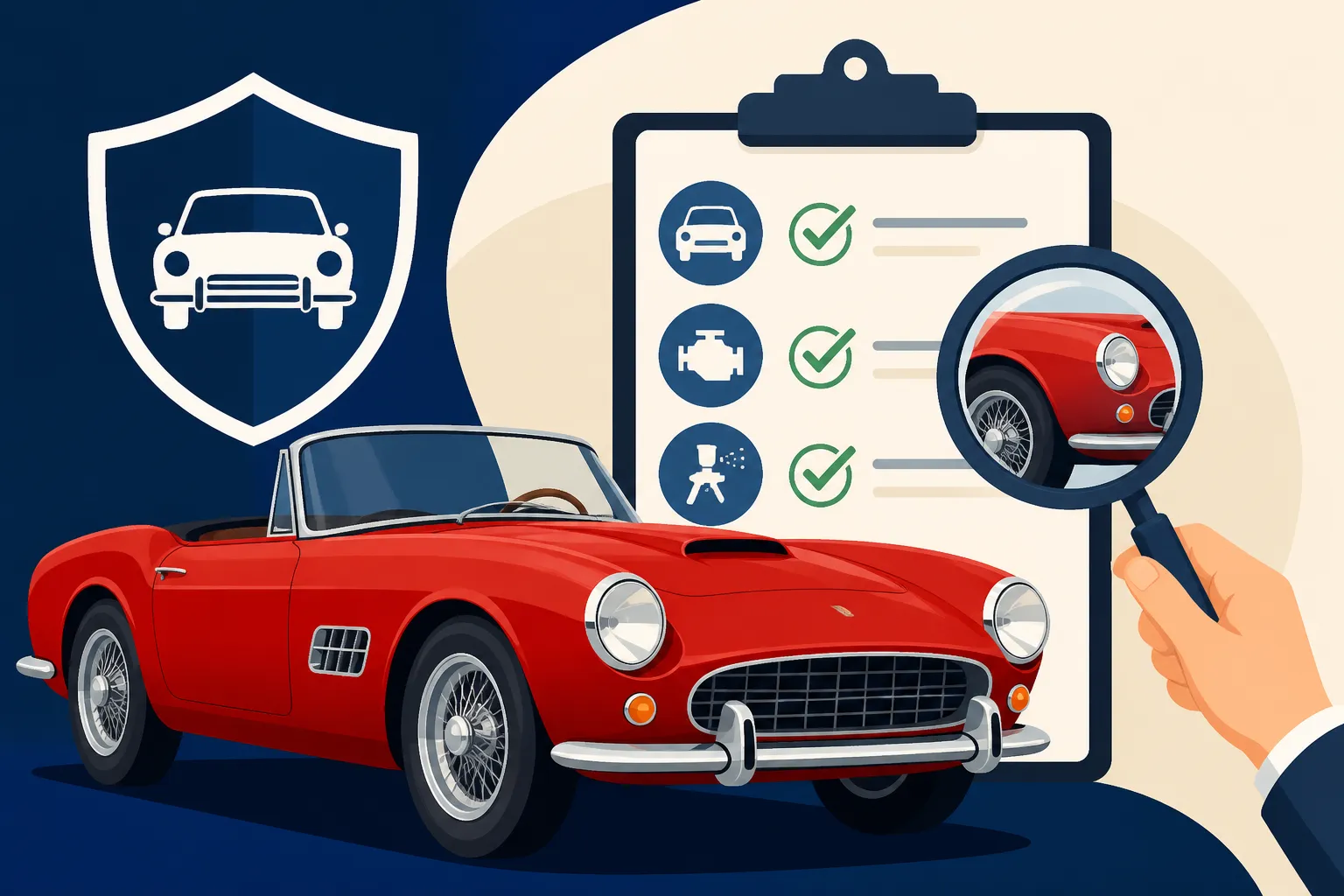
The method of inspection itself also varies, typically falling into physical (in-person) or desktop (remote) appraisals. A physical appraisal is exactly what it sounds like: an appraiser comes to your location or you bring your car to them for a hands-on, thorough inspection. They’ll meticulously examine every aspect of the vehicle, from the paint and bodywork to the engine bay, undercarriage, interior, and even subtle details like period-correct accessories or manufacturer markings. They'll take numerous photos, document any flaws or unique features, and often even test drive the vehicle if appropriate.
This in-depth, on-site assessment provides the most accurate and defensible valuation, especially for high-value cars, unique customs, or vehicles with complex histories. It's also often required for specific scenarios like proving restoration costs or insuring a highly modified vehicle. For more on what's typically inspected, see Classic Car Insurance Inspection Requirements. A desktop appraisal, on the other hand, relies primarily on documentation, photographs, and sometimes video that you provide. The appraiser reviews these materials remotely, using their expertise and market data to form an opinion of value. While less exhaustive, it can be a convenient and more affordable option for vehicles with clear provenance, ample documentation, and values that fall within an insurer's acceptable range for remote assessment. This method is often suitable for vehicles that are well-documented and don't have unique customizations that require a physical inspection to fully appreciate.
The Step-by-Step Process of Getting an Appraisal
Getting a classic car appraisal might seem daunting, but it's a straightforward process once you know the steps. Being prepared and knowing what to expect can make the experience smooth and ensure you get the most accurate valuation for your cherished vehicle. This isn't just about showing off your car; it's about providing the evidence needed to protect your investment.
Preparing Your Vehicle and Documentation
Before an appraiser even lays eyes on your classic, a significant part of the work falls on you: preparing your vehicle and gathering comprehensive documentation. Think of yourself as presenting a case for your car's value. First, make sure your vehicle is clean, inside and out. A sparkling clean car allows the appraiser to clearly see the condition of the paint, chrome, interior, and engine bay without grime obscuring details. You don't need to detail it to concours standards, but a good wash and vacuum go a long way. This shows pride of ownership and ensures no flaws are missed due to dirt.
More importantly, organize all relevant documentation. This includes:
- Proof of Ownership: Title, registration.
- Service and Maintenance Records: Show consistent care and upkeep.
- Restoration Receipts and Photos: Crucial for documenting money invested and quality of work. Before-and-after photos are incredibly powerful.
- Provenance: Any historical documents, original purchase agreements, build sheets, ownership history, or awards won.
- Modifications: Documentation of any upgrades or custom work, including parts and labor.
- Market Research: While the appraiser will do their own, showing similar recent sales you've found can be helpful context.
The more detailed and organized your documentation, the easier it is for the appraiser to justify a higher value. For those restoring a car, documenting every step is vital, as this impacts coverage like Restoration Coverage for Classic Cars.
Selecting a Qualified Appraiser
Choosing the right appraiser is perhaps the most critical step. Not all appraisers are created equal, and you need someone who truly understands the niche market of classic and collector cars, not just modern vehicles. Look for appraisers with specific certifications or affiliations with recognized appraisal organizations like the American Society of Appraisers (ASA) or the International Automotive Appraisers Association (IAAA). These professionals adhere to strict ethical codes and have demonstrated expertise in vehicle valuation.
Experience also matters immensely. An appraiser who specializes in muscle cars will have a deeper understanding of a specific Corvette model's nuances than a general auto appraiser. Ask about their experience with cars similar to yours. You can find qualified appraisers through:
- Classic Car Clubs: Often have lists of recommended appraisers.
- Specialty Insurance Companies: While they may have "preferred" lists, they can also recommend independent experts. For instance, companies like Hagerty maintain a network and often recommend specific professionals for valuations, especially for high-value vehicles.
- Online Directories: Websites dedicated to appraisal professionals often allow you to search by specialty.
- Word of Mouth: Fellow collectors are a great resource for reputable contacts.
Interview a few candidates, ask for references, and request a sample appraisal report to get a feel for their work and pricing. Ensure they understand the Agreed Value Coverage for Classic Cars Explained concept and tailor their report to suit insurance requirements.
What an Appraiser Looks For During an Inspection
During the actual appraisal, the expert isn't just glancing at your car; they're conducting a forensic examination. Their goal is to objectively assess its condition, authenticity, and market position to arrive at a fair and defensible valuation. This isn't a quick once-over; it's a deep dive into every aspect of your classic.
Condition, Authenticity, and Restoration Quality
An appraiser's keen eye will meticulously scrutinize the overall condition of your classic car. This starts with the exterior: the quality of the paintwork (is it original or a repaint? Are there any flaws, orange peel, or overspray?), the alignment of body panels, the condition of chrome and trim, and the integrity of the glass. They'll check for rust, accident damage, or any signs of previous repairs. Moving to the interior, they'll evaluate the upholstery, dashboard, gauges, carpets, and headliner, looking for wear, tears, originality, and proper function.
Under the hood, they'll assess the engine compartment's cleanliness, correctness, and any modifications. Is the engine a "matching numbers" unit, or has it been swapped? The same goes for the transmission and rear end. This level of authenticity can significantly impact value. For the undercarriage, they'll look for rust, structural integrity, and the condition of suspension and braking components. If the car has undergone a restoration, the appraiser will critically evaluate the quality of that work. A professional, body-off restoration using correct parts and techniques will command a much higher value than a quick, cosmetic refresh. They’ll want to see evidence, perhaps even your stack of Requirements to Insure a Car Under Restoration documentation, to verify the extent and quality of the work.
Market Trends and Comparables
Beyond the physical examination of your specific vehicle, a skilled appraiser is also a market expert. They don't just assign a value based on what they see; they research where your car fits into the current collector car market. This involves extensive research into recent sales of comparable vehicles. They'll look at auction results (from major houses like Mecum or Barrett-Jackson), private sales data, and dealer listings for cars of the same make, model, year, and condition.
Factors like rarity (how many were produced?), historical significance (did a famous person own it, or did it participate in a significant event?), and desirability within the collector community all play a role. They'll consider regional market variations – a muscle car might fetch a higher price in a region with a strong muscle car culture, for example. The appraiser will also factor in current market trends; is your particular model appreciating, depreciating, or holding steady? They'll use their access to databases and industry knowledge to provide an informed valuation that reflects the real-world demand and supply for your classic. Many specialty insurers, like Hagerty, also offer Hagerty Valuation Tools Reviewed that can give you a preliminary idea of market trends and comparables.
When You Need a Classic Car Appraisal (and When You Might Not)
Understanding when to get a professional appraisal is just as important as knowing how to get one. While it's a crucial tool for protecting your investment, it's not always a mandatory step, especially depending on the value of your vehicle and your chosen insurer.
Key Situations Requiring an Appraisal
There are several scenarios where a classic car appraisal is highly recommended, if not outright required, by your insurance provider:
- Establishing a New Policy: This is the most common reason. When you're first setting up your classic car insurance, especially with an Agreed Value policy, the insurer will almost certainly want an appraisal to confirm the value. This sets the baseline for your coverage.
- High-Value or Rare Vehicles: If your classic is particularly valuable, rare, or unique (think a numbers-matching muscle car, a pre-war exotic, or a custom build), an appraisal provides the necessary documentation to justify its high agreed value.
- Significant Modifications or Restorations: If you've poured substantial time and money into modifying or restoring your vehicle, an appraisal is essential to update its value and ensure your increased investment is covered. Without it, you could be significantly underinsured. Learn more about ensuring you're fully covered in these situations in our guide on Modified Car Insurance Eligibility.
- Market Value Fluctuations: The classic car market can be dynamic. If you believe your car's value has significantly increased due to market trends or recent comparable sales, a new appraisal can help you adjust your Agreed Value coverage upwards at renewal.
- Estate Planning or Legal Matters: Appraisals are vital for estate valuations, divorces, or other legal situations where a definitive, impartial valuation is required.
- Disputes with Insurers: In the unfortunate event of a claim dispute over your car's value, a pre-loss appraisal serves as powerful evidence to support your position.
Essentially, any time there’s a significant financial stake or a need for an undisputed, expert-backed valuation, an appraisal is your best friend.
Exceptions and Less Formal Valuation Methods
While appraisals are invaluable, they aren't always a prerequisite. Some situations and insurers offer more flexible approaches:
- Lower-Value or Common Classics: For classics with a lower market value or very common models where the value range is well-established, many specialty insurers might waive a formal appraisal. They may instead rely on your submitted photos, detailed descriptions, and their own extensive databases of comparable sales. For example, a Hagerty policy for a well-maintained but not concourse-level 1970 Volkswagen Beetle might not require a full appraisal if the agreed value is within a certain threshold.
- Initial Quotes and Estimates: You can absolutely get initial insurance quotes without an appraisal. Most insurers will ask you for your estimated value, or provide a range based on year, make, and model. However, to finalize an Agreed Value policy, an appraisal or other detailed valuation method will often be required. This is a common practice when you are trying to How to Compare Classic Car Insurance Quotes.
- Using Valuation Guides and Online Tools: For preliminary research or for cars that don't quite warrant a full appraisal, resources like online valuation guides (such as Hagerty's Valuation Tools, NADA Guides, or Kelley Blue Book for classics) can provide a good estimate. These tools aggregate historical sales data and current market trends. While useful for setting expectations, they are generally not accepted as formal appraisals by insurers for agreed-value policies.
- Photos and Documentation Alone: For certain vehicles and agreed value tiers, insurers might accept a comprehensive set of high-quality photographs and detailed documentation (service records, restoration invoices, etc.) in lieu of a formal appraisal, particularly if the vehicle's history and condition are straightforward. This method is often sufficient for cars that meet the Classic Car Insurance Eligibility Requirements without being exceptionally rare or high-priced.
Ultimately, it's always best to check directly with your chosen classic car insurance provider about their specific Appraisal Requirements for Classic Car Insurance. They can guide you on whether an appraisal is necessary for your particular vehicle and desired coverage.
Here's a quick comparison of appraisal types:
| Appraisal Type | Description | Best For | Pros | Cons |
|---|---|---|---|---|
| Physical (In-Person) | Appraiser physically inspects vehicle, takes photos, reviews documents. | High-value, custom, rare, recently restored, or modified classics. | Most accurate, highly defensible, insurer-preferred. | More expensive, requires scheduling, takes more time. |
| Desktop (Remote) | Appraiser reviews owner-submitted photos, documents, and market data remotely. | Lower-to-mid value, well-documented, common models with clear provenance. | More affordable, convenient, faster turnaround. | Less detailed, relies heavily on owner-provided info, may not be accepted for all values. |
| Insurer-Preferred | Appraiser from insurer's network (could be physical or desktop). | Cars where insurer has specific valuation requirements. | Often streamlined process, trusted by that insurer. | May not be fully independent, tied to one insurer's criteria. |
| Independent | Third-party appraiser with no insurer affiliation (usually physical). | All classic cars, especially if you plan to shop multiple insurers. | Unbiased, comprehensive, accepted by most insurers. | You handle selection and payment independently. |
Disclaimer
Please note that the information provided in this article is for general informational purposes only and does not constitute professional financial, insurance, or legal advice. Classic car insurance policies and appraisal requirements can vary significantly by insurer and state. Always consult with a qualified insurance professional or appraiser to discuss your specific needs and obtain accurate, up-to-date information.