How to Choose Classic Car Insurance
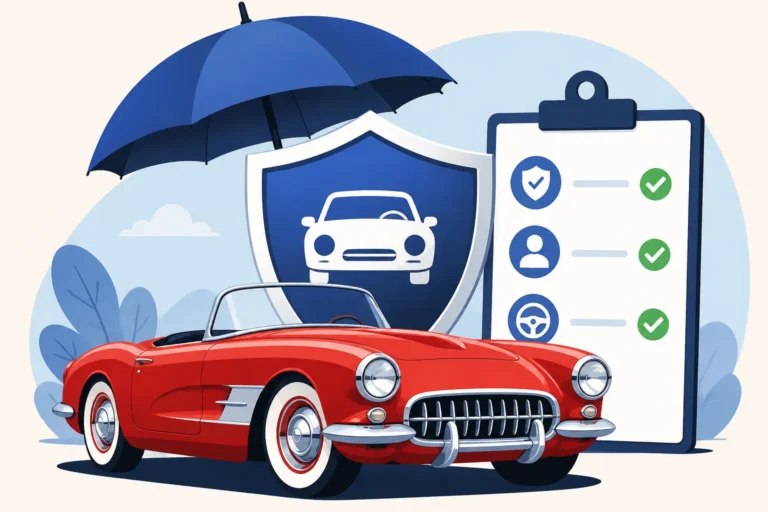
Choosing classic car insurance can feel like navigating a winding, unpaved road – confusing, with lots of potential bumps along the way. Many collectors get overwhelmed trying to figure out the right coverage for their prized possession, worried about everything from basic protection to how a total loss would be handled. This comprehensive guide is here to smooth out that journey, breaking down exactly how to choose the perfect classic car insurance policy that truly understands and protects your unique investment.
Understanding What Makes Classic Car Insurance Different
When you're dealing with a vintage Mustang, a pristine Bel Air, or a meticulously restored European gem, treating it like any other daily driver when it comes to insurance just doesn't make sense. The standard auto insurance policy, designed for everyday vehicles that depreciate, simply isn't equipped to protect the unique value and specific use of a classic car. You need a specialized approach, one that recognizes the blood, sweat, and tears you've poured into your vehicle.
Beyond Regular Auto Insurance: Why Specialty Matters
Imagine a standard auto insurance policy trying to value your 1969 Camaro after a fender bender. They'd likely look up its book value, subtract for mileage and wear, and offer you a fraction of what you know it's truly worth to a collector. It's a frustrating scenario many enthusiasts have faced with conventional insurers. Specialty classic car insurance, however, operates on a completely different philosophy. It's built from the ground up to understand that classics often appreciate in value, are driven less frequently, and are maintained with an extraordinary level of care and expense.
These policies recognize that your classic isn't just transportation; it's an investment, a hobby, and often, a piece of automotive history. They account for the unique market dynamics of collector vehicles, where rarity, condition, provenance, and restoration quality dramatically influence value. This means you're not just getting a different policy; you're getting a partnership with an insurer that "gets" the classic car world, and that makes all the difference when it comes to protecting your passion.
Furthermore, specialty insurers understand the typical usage patterns of a classic. They know it's likely not going to be commuting five days a week in rush hour traffic. This understanding directly translates into more flexible terms and often, more affordable premiums, because the risk profile is inherently lower than a daily driver. You're not paying for risks associated with constant exposure to typical wear and tear or high-mileage incidents.
Key Eligibility Requirements for Classic Car Policies
Getting specialized classic car insurance isn't just about having an old car; there are specific criteria your vehicle and you, as the owner, typically need to meet. These requirements are in place to ensure that the vehicles being insured truly fit the "classic" or "collector" profile and are used in a manner consistent with their unique value. Understanding these up front can save you a lot of time and potential frustration when seeking quotes. You can dive deeper into these requirements by exploring guides on Classic Car Insurance Eligibility Requirements.
One of the most common eligibility factors revolves around the vehicle's age. While definitions can vary slightly between insurers, generally a car needs to be at least 20-25 years old to be considered a classic, with some policies extending to vehicles up to 40 years old for "antique" status, or even newer "modern classics" for select models. The condition of the car is also paramount; insurers are looking for vehicles that are well-maintained, restored, or in excellent original condition, not typically a rusty barn find (though some might offer specific coverage for cars under restoration).
Beyond the car itself, your usage habits are critically important. Most classic car policies require that the vehicle not be used as a primary daily driver. Instead, it should be reserved for pleasure drives, car shows, club events, and occasional errands. Insurers might also look at your driving record, requiring a relatively clean history, and they usually mandate secure storage, such as a locked garage, to minimize risk. Finally, many policies stipulate that you must also own and insure a separate vehicle for your regular transportation needs, reinforcing the classic's status as a non-daily driver.
The Importance of Agreed Value Coverage
Perhaps the single most crucial differentiator of classic car insurance, and something every collector absolutely needs to understand, is "Agreed Value" coverage. This isn't just a fancy term; it's the bedrock upon which specialty classic car insurance stands, and it's what truly sets it apart from a standard policy that typically offers Actual Cash Value (ACV) or Stated Value coverage. For collectors, understanding Agreed Value Coverage Explained is non-negotiable.
With an Agreed Value policy, you and your insurer determine and agree upon the exact value of your classic car before the policy is issued. This figure is based on appraisals, market trends, and the vehicle's unique condition and history. If your classic is ever a total loss, the insurer pays you that agreed-upon amount, no questions asked, no depreciation applied. This provides invaluable peace of mind, knowing that your investment is fully protected at a predetermined figure, rather than leaving it up to an adjuster's discretion after an unfortunate event.
Compare this to Actual Cash Value, where an insurer would pay out the car's market value minus depreciation at the time of loss, which for a classic car can be a devastatingly low figure compared to its true collector worth. Stated Value policies, while sounding similar to Agreed Value, can also be tricky; they might list a value, but often reserve the right to pay out the lesser of the stated value or the actual cash value at the time of loss. For collectors, these options simply don't offer the robust protection needed for appreciating assets. Agreed Value ensures that the unique, often increasing value of your classic is truly recognized and protected, making it an indispensable feature when choosing your policy.
Evaluating Your Classic Car's Needs
Before you even start getting quotes, it's essential to take a good, honest look at your classic car and how it fits into your life. Not all classics are created equal, and neither are their insurance needs. Understanding these nuances will help you tailor a policy that genuinely fits, rather than ending up with coverage that's either insufficient or, worse, something you don't actually need. This introspective step is often overlooked, but it's fundamental to choosing wisely.
Assessing Your Vehicle's True Value and Condition
Determining the "true" value of a classic car isn't like looking up Kelly Blue Book for a modern sedan. The market for collector vehicles is dynamic, influenced by factors like rarity, originality, restoration quality, provenance, and even current trends. Your beautifully restored 1967 Mustang Fastback, for example, might be worth significantly more than a similar year model that's a "driver quality" car with an older repaint. Accurate valuation is paramount, especially when you consider that How Agreed Value Affects Premiums directly ties into this assessment.
You'll want to gather all documentation related to your car: restoration receipts, appraisal documents, awards won at shows, maintenance records, and any history of ownership. For a truly accurate assessment, especially for higher-value or unique vehicles, obtaining a professional appraisal from a reputable classic car appraiser is highly recommended. This appraisal provides an objective, expert-backed figure that you can then present to potential insurers to establish your Agreed Value. It removes guesswork and gives both you and the insurance company a clear baseline for coverage.
It's also important to be honest about your car's condition. Is it concourse-perfect, ready for a national show? Is it a solid driver, enjoyed regularly but with minor imperfections? Or is it a project car still under extensive restoration? Each of these scenarios has different implications for valuation and thus, different insurance needs. An insurer like Hagerty often provides online valuation tools or partners with appraisers to help you pinpoint an accurate value, ensuring your policy reflects what your car is truly worth in the collector market.
Considering How You Use Your Classic
The way you intend to use your classic car is one of the most significant factors in determining the type of policy you need and its cost. Are you planning leisurely Sunday drives down scenic routes, or do you envision cross-country rallies and frequent car show appearances? Your driving habits directly influence the mileage limits, endorsements, and overall risk profile associated with your classic. This is why policies designed for classics specifically ask about usage, differentiating them from standard auto insurance. You'll find many insurers offer flexible options for different uses, often detailed in guides like Pleasure-Use Requirement Explained.
Most specialty classic car insurance policies are designed for "pleasure use." This means the car is not your primary mode of transportation. It's for hobby use: club events, parades, occasional weekend drives, and car shows. If you only put a few hundred miles on your classic each year, you might qualify for a lower premium and specific mileage tiers. However, if you plan on more extensive touring or participate in longer rallies, you'll want to ensure your policy offers appropriate mileage limits or even unlimited mileage options, which some carriers do provide at a higher premium.
Furthermore, consider if your use extends to attending major national events or if you travel frequently with your classic. Some policies offer specific endorsements for travel expenses, towing for longer distances, or even coverage for trip interruption. If your classic is destined for the show circuit, ensuring it's covered during transport, while displayed, and during potential prize-winning events is a smart move. Being clear about your intentions from the outset ensures your policy truly reflects how you enjoy your vehicle.
Storage Solutions and Their Impact on Coverage
Where and how you store your classic car isn't just a practical consideration; it's a critical factor that insurers weigh heavily when determining eligibility and premiums. A securely stored vehicle presents a significantly lower risk of theft, vandalism, and accidental damage compared to one parked on the street or in an open carport. This emphasis on proper storage highlights the insurer's commitment to protecting valuable collector vehicles. Understanding the Garage Storage Requirement for Classic Cars is vital for any potential policyholder.
Most specialty classic car insurers, including prominent providers, will require that your vehicle be stored in a fully enclosed, locked, and secure facility when not in use. This typically means a private garage at your home, a dedicated storage unit, or another similar secure structure. The rationale is simple: a locked garage offers a much higher level of protection against environmental elements like hail or extreme weather, as well as significantly deterring theft and unauthorized access compared to an open-air parking spot.
The type of garage can sometimes influence rates or specific policy terms. For instance, a detached, alarmed garage might be viewed more favorably than an attached garage, depending on the specific risk assessment. While a carport offers some protection from the elements, it rarely meets the secure storage criteria for a classic car policy. Be prepared to describe your storage arrangements in detail when applying for insurance, and remember that maintaining these secure conditions is often a continuous requirement of your policy.
Core Coverage Types Every Collector Should Consider
Just like with any vehicle, there are fundamental types of insurance coverage that form the backbone of any classic car policy. However, the application and importance of these coverages are often magnified when you're talking about a cherished classic. Understanding each component ensures you're building a robust shield around your automotive treasure, safeguarding it from a range of potential misfortunes.
Comprehensive and Collision Coverage for Classics
When it comes to protecting the physical integrity of your classic, Comprehensive and Collision coverage are your primary defenses. These are the coverages that will step in if your car is damaged or stolen, and for a classic car, the nuances are incredibly important because standard interpretations might not cut it. Unlike regular auto insurance where these might be optional if your car is older, for a classic, they are almost universally recommended, often paired with that all-important Agreed Value.
Collision coverage is designed to repair or replace your vehicle if it's damaged in an accident involving another vehicle or object, regardless of who is at fault. For a classic, this means covering the costs of specialized repairs, sourcing rare parts, and often, the skilled labor of restorers. Without it, even a minor fender-bender could mean absorbing significant out-of-pocket expenses that far exceed the perceived "value" of the car on a standard policy.
Comprehensive coverage, on the other hand, protects your classic from damages not involving a collision. This includes things like theft, vandalism, fire, natural disasters (hail, floods, wind), and even impacts with animals. Given that classics are often stored for periods or exposed at shows, the risks of these non-driving incidents can be significant. Imagine your garage flooding during a storm; comprehensive coverage is what steps in to help with the costly restoration process from water damage. For a car that might spend more time parked than driven, this coverage is arguably even more crucial than collision.
Liability Protection for Your Prized Possession
Even if your classic car only sees the road a few times a year, liability insurance remains a non-negotiable requirement in almost every state. This coverage doesn't protect your classic itself, but rather shields you financially if you're found responsible for an accident that causes bodily injury or property damage to others. It’s the responsible thing to do, and it's legally mandated for good reason – accidents happen, even to the most careful drivers and the most pristine vehicles. Details on the minimum requirements can be found in resources like Classic Car Liability Requirements by State.
When you're driving your classic, you're not just driving a car; you're driving a head-turner. While this brings joy, it also means you're operating a vehicle that might not have the same safety features as modern cars, potentially increasing the severity of any incident. High liability limits are always a wise choice, regardless of the vehicle, to protect your assets in the event of a significant claim. A basic state minimum might seem sufficient, but a serious accident could easily exceed those limits, leaving you personally responsible for the remainder.
Consider a scenario where you're out for a Sunday drive in your vintage muscle car, and due to an unforeseen circumstance, you rear-end a brand-new luxury SUV. The damage to the other vehicle, plus potential injuries to its occupants, could easily run into hundreds of thousands of dollars. Your liability coverage would pay for these expenses up to your policy limits. Without adequate protection, your personal savings, home, and other assets could be at risk. Therefore, choosing robust liability coverage is not just about legality; it's about comprehensive financial protection for your entire household.
Uninsured/Underinsured Motorist and Medical Payments
While you do everything in your power to drive safely and protect your classic, you can't control the actions of other drivers on the road. This is where Uninsured/Underinsured Motorist (UM/UIM) coverage and Medical Payments (MedPay) become invaluable, offering a crucial layer of protection against the unexpected actions of others. These coverages are often overlooked or minimized, but for a classic car owner, they provide peace of mind that goes beyond just protecting your vehicle.
Uninsured Motorist coverage kicks in if you or your passengers are injured by a driver who doesn't have insurance, or if your classic is damaged by an uninsured driver in a hit-and-run. Similarly, Underinsured Motorist coverage helps when the at-fault driver has insurance, but their policy limits aren't enough to cover all your medical bills or repair costs. Given the rising costs of healthcare and vehicle repairs, especially for classic cars needing specialized parts and labor, having robust UM/UIM coverage is a smart move. It ensures that you're not left to bear the financial burden caused by someone else's negligence or lack of proper coverage.
Medical Payments coverage, often referred to as MedPay, is a no-fault coverage that pays for medical expenses for you and your passengers, regardless of who was at fault in an accident. This can be incredibly helpful for immediate medical bills, co-pays, and deductibles that might arise from an accident involving your classic. While your health insurance would typically cover major expenses, MedPay can fill in gaps and ensure quick payment for initial care, reducing stress during an already difficult time. Especially if you frequently take passengers out in your classic, this coverage provides an added layer of financial security for everyone on board.
Essential Add-Ons and Endorsements
Classic car ownership often involves more than just driving; it's about preservation, restoration, and showcasing your passion. Standard core coverages are a great start, but true peace of mind for collectors often comes from adding specific endorsements designed to protect the unique aspects of the hobby. These add-ons address scenarios and investments that a basic policy might miss, making them incredibly valuable for dedicated enthusiasts.
Protecting Your Investment with Restoration and Spare Parts Coverage
The journey of classic car ownership often involves significant investment in restoration and the accumulation of valuable spare parts. A standard classic car policy, even with Agreed Value, might not automatically cover these distinct aspects. This is where specialized endorsements like Restoration Coverage for Classic Cars and Spare Parts Coverage Explained become absolutely essential, safeguarding your ongoing projects and valuable inventory.
Restoration coverage is designed for vehicles that are actively undergoing restoration. As you pour time and money into bringing your classic back to its former glory, its value steadily increases. This endorsement ensures that your Agreed Value can be progressively updated during the restoration process, reflecting the new parts, labor, and craftsmanship invested. Without it, if an unfortunate incident occurred mid-restoration – a fire in the garage, for example – you might only be covered for the car's pre-restoration value, losing out on all your hard work and financial commitment. Many insurers offer this as a flexible option, allowing you to increase coverage as milestones are reached.
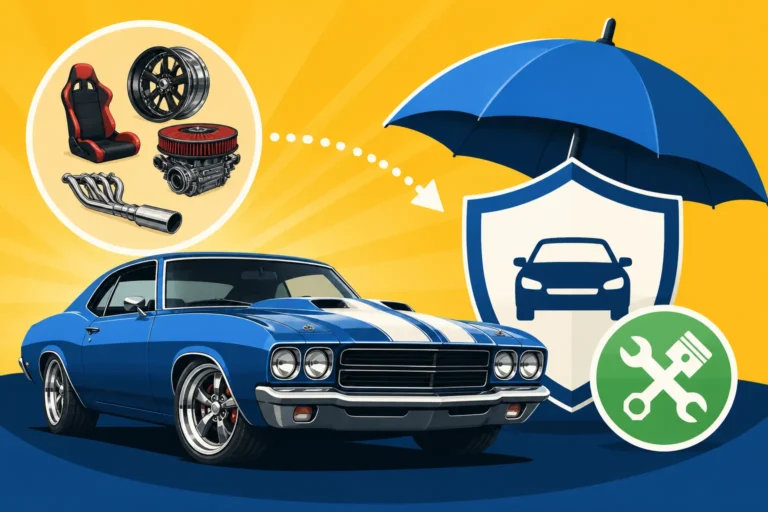
Similarly, spare parts coverage is crucial for collectors who amass valuable components for their cars. Original or New Old Stock (NOS) parts can be incredibly rare and expensive, sometimes worth thousands of dollars. Imagine having a collection of rare carburetors, original trim pieces, or an extra engine block stored in your garage. If these items are stolen or damaged, a standard policy might not cover them, or only offer a minimal amount. This endorsement specifically protects those valuable spare parts, often up to a set limit, ensuring that your investment in future repairs or complete originality is also secured.
Inflation Guard and Roadside Assistance
The value of classic cars, especially certain models, can fluctuate and even appreciate over time. An Agreed Value policy is excellent, but what if the market surges after you've set your value? And what happens if your meticulously maintained classic decides to have an off day on the side of the road? That's where "Inflation Guard" and specialized "Roadside Assistance" come into play, offering forward-looking protection and immediate peace of mind for those unexpected moments.
Inflation Guard, or similar endorsements, is a fantastic feature for collectors. It automatically increases your car's Agreed Value by a small percentage (e.g., 2% to 6%) at each renewal period, without the need for a new appraisal every year. This helps ensure your coverage keeps pace with modest market appreciation, preventing your classic from becoming underinsured as its value slowly climbs. It acknowledges the dynamic nature of the collector car market and proactively protects your investment against the creeping effects of inflation or rising collector demand. While it won't cover a sudden massive jump in value, it's a solid, automatic safeguard for steady growth.
Specialized Roadside Assistance for classic cars is another non-negotiable add-on. Unlike standard tow services, classics often require flatbed towing to prevent damage to the drivetrain, suspension, or body. Imagine a standard hook-and-chain tow truck attempting to move your low-slung, delicate vintage sports car – a recipe for disaster! Classic car roadside assistance ensures that if you break down, a flatbed tow truck is dispatched, and your vehicle is handled with the care it deserves. Many specialty insurers like Hagerty include this as a standard feature or an affordable add-on, often covering significant towing distances and even trip interruption benefits if you're far from home.
Touring, Show, and Trip Interruption Coverage
For many classic car enthusiasts, the joy of ownership isn't just in the garage; it's on the open road, at competitive car shows, and participating in club rallies. These specific activities come with their own set of potential risks that general classic car coverage might not fully address. Therefore, seeking policies that offer dedicated endorsements for touring, shows, and trip interruption can make all the difference in truly enjoying your hobby without constant worry.
Touring and rally coverage extends your policy's protection beyond typical pleasure driving to specific organized events. This might include coverage for parades, multi-day tours, or non-competitive rallies where your car is driven more extensively than usual. It's crucial to clarify with your insurer what types of events are covered and if there are any restrictions, especially if the event involves spirited driving or extended travel. Some policies even offer specific coverage for car-related events that might slightly push the boundaries of "normal" pleasure use.
For show cars, dedicated show and event coverage ensures your vehicle is protected not only in transit to and from events but also while it's on display. This can include coverage for minor damages that might occur in a crowded show environment, or even unique situations like theft of parts or accessories while displayed. Furthermore, trip interruption coverage is an invaluable addition for those longer excursions. If your classic breaks down hundreds of miles from home, this endorsement can help cover costs for lodging, alternative transportation, and even getting your car repaired and back to you, turning a potential nightmare into a manageable hiccup.
Navigating the Quote and Comparison Process
Once you understand your classic's needs and the types of coverage available, the next logical step is to start gathering quotes and comparing options. This phase can feel daunting with so many variables, but with a structured approach, you can efficiently find the best policy without getting lost in the details. The goal isn't just the cheapest premium, but the best value – comprehensive coverage that meets your specific requirements at a competitive price. To streamline this, you'll benefit from reviewing guides on How to Compare Classic Car Insurance Quotes.
Gathering Essential Information for Accurate Quotes
Before you even pick up the phone or fill out an online form, having all the necessary information at your fingertips will make the quote process much smoother and ensure you receive the most accurate pricing. Insurance companies need a complete picture of you, your vehicle, and your intended usage to provide a fair assessment of risk and corresponding premium. Missing details can lead to inaccurate quotes or delays.
Start with your vehicle's specifics: year, make, model, VIN, and current odometer reading. Be ready to describe its condition in detail (e.g., "concours," "excellent original," "restored driver"). If you have an appraisal report, have it ready; this is critical for setting your desired Agreed Value. You'll also need personal information: your full name, address, date of birth, driving record (including any accidents or violations in the last 3-5 years), and details about your other vehicles and daily drivers. Insurers will also ask about your secure storage facility – describe your garage type, whether it's attached or detached, and if it's locked.
Finally, think about your usage. How many miles do you anticipate driving your classic per year (e.g., under 1,000, 2,500, 5,000)? Do you participate in car shows, club events, or rallies? Providing these details upfront will allow insurers to tailor your quote precisely, giving you a clearer picture of what the policy will actually cost and what it will cover. For example, a collector car that rarely leaves a secure garage and is driven less than 500 miles annually will likely have a different premium than one driven 3,000 miles to events across the state.
Comparing Quotes from Top Specialty Insurers
Once you've gathered all your information, it's time to reach out to several specialty classic car insurance providers. Don't make the mistake of only getting one quote; premiums and coverage options can vary significantly between companies. While general insurers might offer "classic car" policies, true specialists often provide superior coverage, better rates, and a deeper understanding of collector needs. Reputable providers include companies like Hagerty, Grundy, American Collectors Insurance, and American Modern.
When comparing quotes, look beyond just the bottom-line premium. Scrutinize the details of each policy. Is it truly Agreed Value, or is it Stated Value or Actual Cash Value? What are the deductibles for comprehensive and collision coverage? Are the liability limits sufficient for your comfort level? What are the specific mileage limits, and do they align with your intended use? Check for included benefits like roadside assistance (especially flatbed towing), spare parts coverage, and restoration coverage. A slightly higher premium might be entirely justified if it comes with significantly better coverage terms or crucial endorsements.
Create a simple comparison table (like the one below) to track key features side-by-side. Pay close attention to exclusions – what isn't covered? Some policies might exclude track days, certain types of modifications, or even specific storage scenarios. By systematically comparing these elements, you'll quickly identify which policy offers the most robust protection and the best overall value for your classic, ensuring you make an informed decision rather than simply choosing the cheapest option.
| Feature | Insurer A (e.g., Hagerty) | Insurer B (e.g., Grundy) | Insurer C (e.g., American Collectors) |
|---|---|---|---|
| Valuation Type | Agreed Value | Agreed Value | Agreed Value |
| Agreed Value | $50,000 | $50,000 | $50,000 |
| Annual Premium | $450 | $420 | $480 |
| Collision Deductible | $0 | $0 | $250 |
| Comprehensive Deductible | $0 | $0 | $250 |
| Mileage Limit | 5,000 miles/year | Unlimited | 3,000 miles/year |
| Flatbed Towing | Included | Included | Optional Add-on |
| Spare Parts Coverage | $1,000 Included | $500 Included | Optional Add-on |
| Restoration Coverage | Yes, Flexible | Yes, Structured | Yes, Flexible |
| Inflation Guard | Yes | Yes | No |
| Trip Interruption | Yes | No | Yes |
Note: This table is illustrative. Actual coverage details and premiums will vary based on your specific vehicle, location, driving record, and chosen options.
Understanding Deductibles and Mileage Tiers
Two key variables that directly impact your classic car insurance premium are your chosen deductible and the mileage tier you select. Understanding how these work can help you optimize your policy for both cost and coverage, finding that sweet spot that balances affordability with adequate protection. These aren't just arbitrary numbers; they reflect your risk tolerance and your actual usage of the vehicle.
The deductible is the amount you agree to pay out-of-pocket before your insurance coverage kicks in for a claim (typically for comprehensive and collision). For example, a $500 deductible means if you have a claim for $2,000 in damage, you pay the first $500, and your insurer pays the remaining $1,500. Generally, choosing a higher deductible will lower your annual premium, as you're taking on more of the initial risk. However, it's crucial to select a deductible you're comfortable paying readily in case of an incident. For many classic car policies, particularly those focused on pleasure use, you might even find options for $0 deductibles for both comprehensive and collision, offering maximum financial protection in a claim, albeit at a slightly higher premium.
Mileage tiers, as the name suggests, are limits on how many miles you can drive your classic car per year. Most specialty insurers offer various tiers, such as under 1,000 miles, under 2,500 miles, or under 5,000 miles annually. Some, like Grundy, even offer unlimited mileage policies tailored for classic cars, though these might come with different underwriting requirements or a higher cost. Your chosen mileage tier directly affects your premium because lower mileage correlates with lower risk of an accident. Be realistic about your driving habits; selecting a tier that's too low could invalidate a claim if you exceed it, while choosing an excessively high tier might mean you're overpaying. Reviewing information on Classic Car Insurance Mileage Limits by State can further inform your decision.
Choosing the Right Insurance Company for Your Classic
Finding the perfect classic car insurance policy isn't just about the numbers; it's also about the company behind the policy. Not all insurers are created equal, especially when it comes to understanding the unique world of collector vehicles. Aligning with a company that specializes in classics, has a strong reputation, and truly supports the enthusiast community can make all the difference in your experience, particularly if you ever need to file a claim.
Researching Reputable Classic Car Insurance Providers
The landscape of classic car insurance is dominated by a few key players who truly specialize in the market. While major general insurers might offer "classic" programs, dedicated specialty providers often have a deeper understanding, more tailored policies, and a superior claims process for unique vehicles. It's essential to research these companies thoroughly, considering their history, expertise, and focus on the collector market. For a detailed comparison, check out guides like Best Classic Car Insurance Companies.
Companies such as Hagerty and Grundy are widely recognized leaders in the classic car insurance space, having built their reputation over decades by catering exclusively to collectors. They understand Agreed Value, the nuances of restoration, and the specific needs of enthusiasts. Other reputable options include American Collectors Insurance, American Modern, J.C. Taylor, and Heacock Classic. Each of these companies brings its own strengths, whether it's particular expertise in certain vehicle types (e.g., muscle cars, hot rods, or imports) or unique benefits tailored to specific collector profiles.
Beyond just their names, look into what makes each company tick. Do they offer valuation tools? Do they have a dedicated team of adjusters experienced in classic car repairs? Do they have partnerships within the collector community? For instance, Hagerty is not just an insurance provider but also a significant force in classic car valuation, events, and preservation, making them a comprehensive resource for enthusiasts. This kind of deep engagement often translates into better service and a more empathetic approach if you ever have a claim.
Customer Service and Claims Handling Reputation
In insurance, policy details are important, but when disaster strikes, the true measure of an insurer is its customer service and, more specifically, its claims handling process. For a classic car owner, this is amplified. You need an insurer that understands the unique nature of repairing or replacing a classic, not just an average commuter car. A smooth, fair, and efficient claims process is paramount, especially when dealing with a cherished, often irreplaceable, vehicle.
Look for insurers with a strong reputation for handling classic car claims with expertise and sensitivity. Read reviews, check independent ratings, and if possible, speak to other collectors about their experiences. You want to ensure that if your classic is damaged, the insurer will work with you to find qualified repair shops specializing in vintage vehicles, rather than pushing for a quick, potentially subpar, fix at a general body shop. This might involve allowing you to choose your own repair facility or even working with your preferred restoration expert.
A good specialty insurer will have adjusters who are knowledgeable about classic car values, parts availability, and restoration techniques. They won't treat your classic like a depreciating asset but rather an appreciating piece of history. A robust claims process also means clear communication, timely responses, and a fair payout according to your Agreed Value. Don't underestimate the importance of this aspect; a frustrating or contentious claims experience can sour even the best policy, whereas a supportive one can turn a difficult situation into a manageable one.
Special Programs and Collector Community Involvement
Many leading classic car insurance companies do more than just provide policies; they are deeply embedded within the collector car community, offering special programs, resources, and even events that benefit enthusiasts. This involvement often reflects a genuine passion for the hobby, which can translate into a better overall experience for their policyholders. It's worth considering these additional perks when making your choice.
For example, companies like Hagerty offer their "Drivers Club," which often includes roadside assistance, valuation tools, exclusive events, and even discounts on car-related services. This type of program goes beyond mere insurance, creating a value-added proposition for collectors. Other insurers might sponsor major car shows, classic car rallies, or preservation initiatives, demonstrating their commitment to the hobby's long-term health.
Beyond perks, this community involvement often means the insurer has a pulse on the classic car market. They understand emerging trends, the nuances of different marques, and the concerns of collectors. This intimate knowledge can be invaluable, informing their policy development, valuation methods, and claims handling. When you choose an insurer that actively participates in and supports the collector car world, you're often choosing a partner who shares your passion and truly understands the unique joy – and challenges – of classic car ownership.
Common Pitfalls and How to Avoid Them
Even with the best intentions, it's easy to make mistakes when choosing classic car insurance. These missteps can lead to inadequate coverage, unexpected costs, or even outright claim denials, turning a dream into a nightmare. Being aware of the most common pitfalls and actively working to avoid them is just as important as knowing what to look for.
Underinsuring Your Classic's Value
One of the most catastrophic mistakes a classic car owner can make is underinsuring their vehicle. This happens when the Agreed Value on your policy is significantly lower than the true market value or replacement cost of your classic. In the event of a total loss, you'd receive only the agreed-upon, lower amount, leaving you to absorb the financial difference and potentially making it impossible to replace your beloved car with one of similar quality.
This pitfall often arises from using outdated appraisals, guessing at the car's value, or trying to save a few dollars on premiums by stating a lower value. While a lower Agreed Value might result in a slightly cheaper premium, the financial risk you take on is immense. For example, if your 1969 Corvette is truly worth $70,000 but you only insured it for $50,000 to save $50 a year on premiums, a total loss would mean a $20,000 shortfall – a devastating blow.
To avoid this, commit to regular, professional appraisals, especially after significant restorations or if market values for your specific model are on the rise. Keep meticulous records of all modifications, upgrades, and maintenance that could increase its value. Always communicate openly and honestly with your insurer about your car's true worth, and don't hesitate to update your Agreed Value if circumstances change. It’s an ongoing process, but one that ensures your investment is always adequately protected.
Misunderstanding Policy Restrictions
Classic car insurance policies come with specific stipulations designed to manage risk. While these restrictions are often what make specialty insurance more affordable, misunderstanding or ignoring them can lead to serious problems, including claim denials. Many enthusiasts, eager to protect their car, might not fully grasp the fine print, only to find out too late that their usage violated a key policy term.
A prime example is the "no daily driving" clause. Most classic policies explicitly state that the insured vehicle cannot be used for routine transportation, commuting, or general errands. If your classic is involved in an accident while you're driving it to work every day, your claim could be denied because you violated a fundamental condition of the policy. Similarly, mileage limits are common; exceeding your annual mileage cap could jeopardize coverage. You can find comprehensive details on requirements like the Daily Driver Requirement Explained to avoid such issues.
Another critical restriction often relates to storage. If your policy requires secure, locked garage storage, parking your classic in an open driveway or an unattached carport consistently could be grounds for denial if theft or damage occurs while it's stored insecurely. Furthermore, certain modifications, racing activities, or commercial use might be excluded or require special endorsements. Always read your policy document carefully, ask your agent questions, and ensure your usage and storage habits align perfectly with the terms to prevent any unpleasant surprises down the road.
Overlooking Key Discounts and Savings
While specialized classic car insurance is generally more affordable than standard auto insurance for a comparable vehicle, many collectors still miss out on potential discounts that could lower their premiums even further. It's a shame to pay more than you have to, especially when a little proactive inquiry can unlock significant savings. Insurers often reward responsible ownership and reduced risk, and knowing what to ask for is key.
One of the most common discounts is for secure storage. If you have a fully enclosed, locked garage, especially one with an alarm system, make sure your insurer knows this. Membership in recognized classic car clubs or enthusiast organizations can also often qualify you for a discount; many insurers view club members as more responsible and engaged with their vehicles. Furthermore, having a clean driving record and bundling multiple classic cars onto a single multi-car collector policy can lead to substantial savings.
Some insurers offer discounts for anti-theft devices, fire suppression systems in your garage, or even for simply owning another modern vehicle for daily use. Don't assume your agent will automatically apply every possible discount; it's always best to proactively inquire about all available savings when obtaining quotes or renewing your policy. A few minutes of conversation could shave a noticeable amount off your annual premium, allowing you to invest those savings back into your beloved classic.
Disclaimer
The information provided in this guide is intended for general informational purposes only and does not constitute financial, legal, or insurance advice. While we strive to provide accurate and up-to-date content, classic car insurance requirements, policies, and market conditions can change rapidly. Always consult with a qualified insurance professional or agent to discuss your specific needs and obtain personalized recommendations for your classic vehicle.