How to Insure a Jaguar E-Type
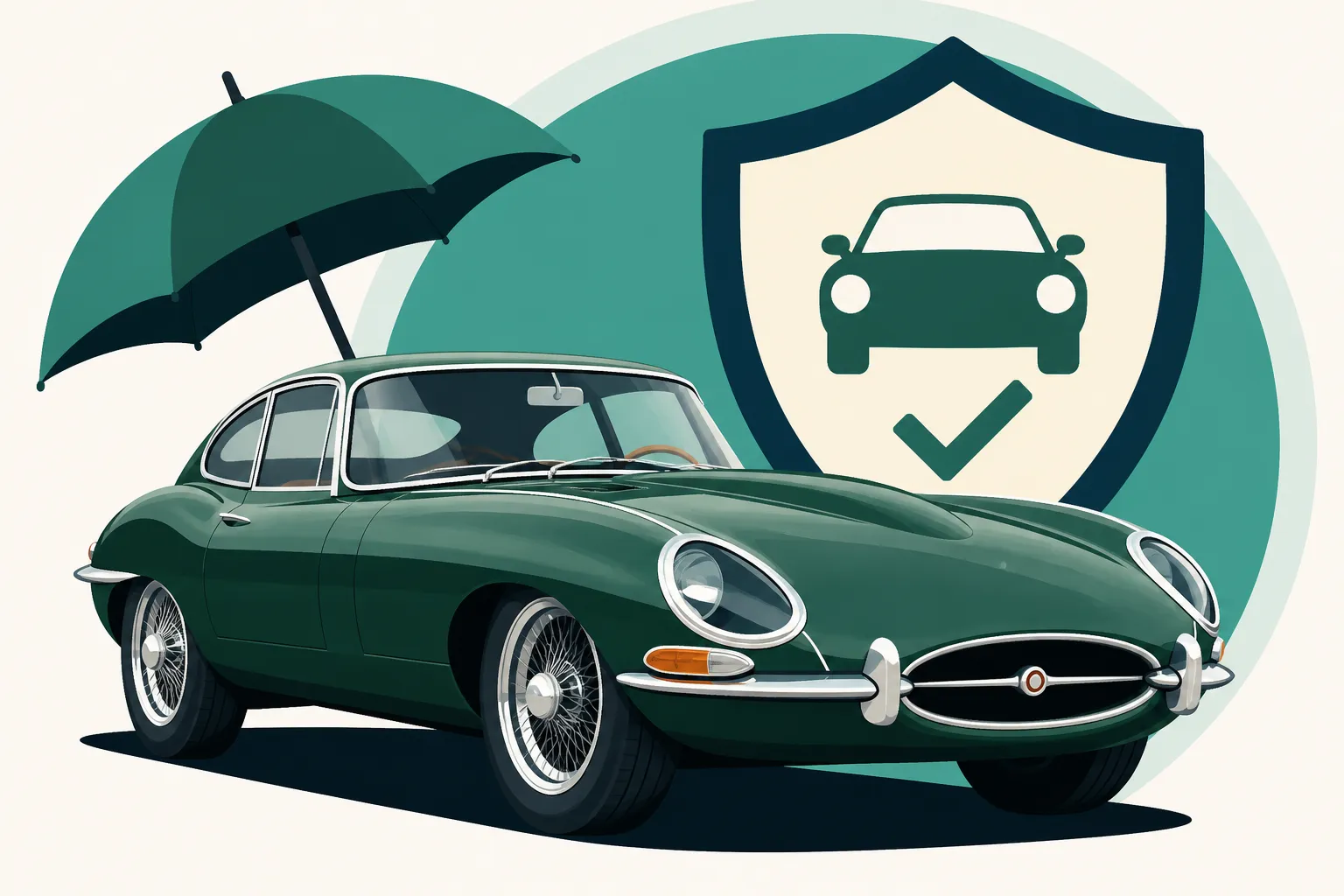
Owning a Jaguar E-Type is a dream come true for many, but the excitement of acquiring such an automotive icon often quickly turns to frustration when trying to secure adequate insurance. Standard car insurance policies simply don't grasp the true value, unique usage, or specialized care these magnificent machines demand. This comprehensive guide will walk you through everything you need to know about properly insuring your Jaguar E-Type, ensuring its legacy and your investment are truly protected.
Understanding What Makes a Jaguar E-Type Special for Insurance
A Jaguar E-Type isn't just an old car; it's a piece of automotive art, a performance marvel, and a significant investment. This distinct status means it requires a fundamentally different approach to insurance compared to your everyday commuter car. Insurers need to understand this difference to provide truly appropriate coverage, and sadly, most standard policies fall woefully short.
The Iconic Value and Market Appreciation
The Jaguar E-Type, often hailed as one of the most beautiful cars ever made, holds immense iconic value that transcends its original price tag. Whether you have a coveted Series 1 coupe, a nimble Series 2 roadster, or a powerful V12 Series 3, these cars are appreciating assets. Their value isn't just about depreciation based on age and mileage; it's about historical significance, design brilliance, and market demand among collectors. A standard policy using actual cash value will only offer you a depreciated amount if something happens, which is a catastrophic financial loss for an E-Type owner. This is precisely why understanding how classic car insurance differs from regular insurance is so crucial.
This appreciation means that the value of your E-Type today might be significantly higher than when you first acquired it, or even higher than what a general insurer might estimate. You need an insurance partner who not only recognizes this but is also willing to adjust your policy's payout value to reflect its true market worth. This dynamic value also means regular check-ins and updates to your policy are paramount.
Performance, Rarity, and Repair Costs
Beyond aesthetics, E-Types are intricate machines. Repairing them isn't like taking a modern car to any local garage. You're often dealing with specialized mechanics, rare or custom-fabricated parts, and a level of craftsmanship that demands specific expertise. Finding original or high-quality reproduction parts for a 1960s or 70s Jaguar can be a painstaking and expensive endeavor. This complexity drives up potential repair costs significantly.
For instance, imagine a fender bender. On a modern car, a new bumper and paint job might cost a few thousand dollars. On an E-Type, even a minor collision could involve meticulously shaping metal, color-matching vintage paint, and sourcing trim pieces that are no longer manufactured, easily escalating costs into the tens of thousands. This reality dictates that your insurance coverage must anticipate these unique challenges, providing sufficient funds to restore your vehicle to its pre-loss condition using appropriate parts and labor.
Common Use Cases for E-Type Owners
Most Jaguar E-Type owners aren't using their cars for daily errands or commuting to work. These vehicles are typically reserved for pleasure drives, weekend cruises, car shows, and special events. This limited, specific use significantly reduces the risk of accidents, theft, or wear and tear compared to a daily driver. Standard insurers, however, often can't differentiate this low-risk usage, resulting in higher premiums or inadequate coverage terms.
Specialty classic car insurers, like Hagerty, understand this distinction implicitly. They offer policies tailored to this low-mileage, pleasure-use model, which often translates to more affordable premiums and more comprehensive coverage than you'd ever get from a standard auto policy. Understanding the "pleasure-use requirement" is key to unlocking these benefits. Whether you're taking your E-Type to a local Cars & Coffee event or embarking on a scenic tour, your policy should reflect how you truly use the car.
Key Insurance Coverages Essential for Your Jaguar E-Type
When it comes to insuring a classic like the Jaguar E-Type, "standard" simply won't cut it. You need specialized coverages designed to protect its unique value and the significant investment it represents. Ignoring these specialized options can lead to heartbreaking financial losses if your cherished vehicle is ever damaged or stolen.
Agreed Value: The Cornerstone of Protection
The single most important coverage for your Jaguar E-Type is "Agreed Value" coverage. Unlike "Actual Cash Value" (ACV) or "Stated Value" policies offered by standard insurers, Agreed Value means that you and the insurance company agree on the value of your E-Type before the policy is issued. If your car is declared a total loss, the insurer will pay you that exact agreed-upon amount, no questions asked, no depreciation applied. This is a monumental difference from an ACV policy, which would only pay out what the insurer determines the market value is at the time of loss, often a figure far lower than what you believe your E-Type is truly worth.
For a car like an E-Type, whose value can fluctuate with market trends, restoration quality, and historical provenance, Agreed Value is non-negotiable. It provides peace of mind, knowing that your investment is fully protected. It's often recommended to get a professional classic car appraisal to help determine an accurate agreed value, especially if your E-Type has undergone a significant restoration or if its value has appreciated since you last valued it. Understanding "Agreed Value Coverage Explained" is the first step in securing proper protection.
Comprehensive and Collision Considerations
While Agreed Value addresses the payout amount in a total loss, comprehensive and collision coverages are what protect your E-Type from various perils. Collision coverage pays for damage to your E-Type if it collides with another vehicle or object. Given the rarity and cost of E-Type parts and specialized labor, having robust collision coverage is critical. You wouldn't want to skimp here, as even a minor fender bender could easily cost tens of thousands to repair correctly.
Comprehensive coverage, on the other hand, protects your E-Type from non-collision incidents. This includes theft, vandalism, fire, natural disasters (like hail or floods), and even falling objects. Considering the high value and desirability of E-Types, theft is always a concern. Similarly, if your E-Type is stored for significant periods, comprehensive coverage is vital to protect it from unforeseen environmental damage or other non-driving incidents. When comparing classic car insurance quotes, always scrutinize the specifics of these coverages.
Specialized Add-Ons for Collectors
Specialty classic car insurance policies go far beyond the basics, offering crucial add-ons tailored for collectors. One such endorsement is "Restoration Coverage." If your E-Type is currently undergoing a restoration, its value is increasing with every dollar and hour you invest. Regular insurance won't account for this incremental value, but restoration coverage allows you to update your car's value as work progresses, ensuring your investment is protected at every stage.
Another essential add-on is "Spare Parts Coverage." Many E-Type owners accumulate valuable spare parts, tools, or automobilia related to their vehicle. These items can be incredibly expensive and are often not covered under a standard auto policy or even basic classic policies. Dedicated coverage for these items, sometimes called "Automobilia and Memorabilia Coverage", ensures your entire collection is protected. Furthermore, consider "Inflation Guard Coverage" which automatically adjusts your Agreed Value upward by a small percentage each year to keep pace with market appreciation without needing a new appraisal annually.
Navigating Eligibility and Requirements for E-Type Insurance
Getting classic car insurance for your Jaguar E-Type isn't as simple as inputting your VIN online. Specialty insurers have specific eligibility criteria designed to minimize risk and ensure that only genuinely collectible vehicles, and responsible owners, receive their specialized coverage. Understanding these requirements upfront will save you time and frustration.
Storage, Mileage, and Usage Restrictions
One of the primary differentiators for classic car insurance, and a key reason why it's often more affordable, is the understanding that these cars are not daily drivers. Insurers expect your E-Type to be stored in a secure, enclosed facility, like a locked garage. This "garage storage requirement" significantly reduces the risk of theft and vandalism, which in turn lowers your premium. Some policies might allow for a carport or other secure, but not fully enclosed, storage, but a dedicated, locked garage is always preferred.
Additionally, most policies come with mileage limits. These limits reinforce the "pleasure use" aspect, typically ranging from 1,000 to 5,000 miles annually. Since your E-Type is likely not your primary mode of transportation, these limits are usually more than sufficient for weekend drives, car shows, and club events. However, if you plan on extended tours or more frequent use, discuss "classic car insurance mileage limits by state" with your insurer to ensure you choose a policy that matches your driving habits, or look into options like unlimited mileage classic car insurance.
Driver Qualifications and Household Drivers
Specialty insurers also look closely at the drivers. Generally, they prefer drivers with clean records, minimal accidents or violations, and a certain level of driving experience. While some policies might accommodate classic car insurance for teenagers in the household, the primary driver for a high-value collectible like an E-Type is typically expected to be an experienced, responsible adult. Insurers want to know that the car is in safe hands, not being thrashed by an inexperienced driver.
Furthermore, insurers will typically require that all licensed drivers in your household be disclosed on the policy, even if they don't regularly drive the E-Type. This helps the insurer assess the overall risk profile. Many policies also require that the E-Type owner has a separate "daily driver" vehicle for regular transportation. This reinforces the understanding that the classic is a secondary, pleasure-use vehicle, not your go-to ride for groceries. This is often referred to as the "daily driver requirement for classic car insurance".
The Importance of Documentation and Appraisals
To properly insure your Jaguar E-Type, particularly with Agreed Value coverage, you'll need to provide thorough documentation. This includes clear photos of the vehicle from all angles, a detailed description of its condition, any known restoration history or modifications, and often, a professional appraisal. An appraisal, conducted by a qualified classic car appraiser, provides an objective assessment of your E-Type's condition, originality, and market value. It gives both you and the insurer a solid basis for setting the Agreed Value and can be crucial evidence if a claim ever needs to be filed.
While some insurers might not require an appraisal for lower-value classics, for a Jaguar E-Type, especially a well-restored or rare model, it's almost always a good idea and often a requirement. This documentation helps to "prove a car's collectible status" and justifies the higher Agreed Value. Keep records of all maintenance, repairs, and any upgrades, as these can also contribute to the car's insured value over time.
Steps to Secure the Best Insurance for Your Jaguar E-Type
Finding the right insurance for your Jaguar E-Type doesn't have to be a daunting task. By following a structured approach, you can ensure you secure comprehensive protection that truly understands and respects the value of your classic.
Gathering Necessary Information and Documentation
Before you even start reaching out for quotes, do your homework. Compile all relevant information about your specific E-Type. This includes:
- Vehicle Identification Number (VIN): This is fundamental.
- Year, Make, Model: Be specific (e.g., 1965 Jaguar E-Type Series 1 4.2L Roadster).
- Current Mileage: An estimate will suffice for most quotes, but be prepared to confirm.
- Details of any modifications or restorations: Document any upgrades, engine rebuilds, or bodywork. Photos are invaluable here.
- Storage location details: The type of garage (attached, detached, climate-controlled) and security measures in place.
- Driving history: Be honest about any accidents or tickets, even if minor.
- Usage description: How often you plan to drive it, and for what purposes (shows, tours, pleasure drives).
- Photos: High-quality pictures of the exterior, interior, engine bay, and trunk.
- Appraisal: If you have one, have it ready. If not, plan to get one if the insurer requires it or if you want the most accurate Agreed Value.
- Your daily driver information: To demonstrate that your E-Type is not your primary vehicle.
Having all this ready will make the quote process much smoother and ensure you get accurate estimates from specialty insurers.
Comparing Specialty Insurers and Quotes
This is where the real work begins. Forget your mainstream auto insurers for your E-Type; they simply don't have the specialized knowledge or policy structures. You need to focus on companies that exclusively deal with classic and collector vehicles. Companies like Hagerty, Grundy, American Collectors Insurance, and American Modern are the industry leaders and the ones you should be contacting. Each has slightly different nuances in their policies, requirements, and pricing, so it's wise to get quotes from at least two or three.
When comparing, don't just look at the bottom-line premium. Dive deep into the details:
- Agreed Value: Is it truly agreed value, or a different type of valuation?
- Deductibles: What are your options, and how do they affect your premium?
- Mileage Limits: Do they align with your intended use?
- Optional Coverages: Do they offer restoration coverage, spare parts coverage, or trip interruption coverage that might be valuable for your E-Type?
- Claims Service: Research reviews on their claims process. You want an insurer that understands classics when the worst happens.
- Roadside Assistance: Do they offer flatbed towing for your delicate classic?
Take your time to ask questions. A good agent at a specialty insurer will be knowledgeable about E-Types and happy to walk you through the specifics.
Maintaining and Updating Your Policy
Your Jaguar E-Type's value isn't static, especially with ongoing market trends and any work you might do on the car. It’s crucial to treat your classic car insurance policy as a living document, not something you set and forget.
- Annual Review: At least once a year, or certainly before renewal, review your policy with your agent. Discuss any changes in your car's condition, recent restorations, or notable market appreciation. This is the perfect time to consider increasing your Agreed Value to reflect the current market.
- Documentation Updates: If you complete a major restoration project, add significant upgrades, or have a new appraisal done, provide this documentation to your insurer immediately. This ensures your Agreed Value remains current and accurate.
- Driving Habits: If your usage changes—perhaps you're planning a cross-country tour or decide to attend more shows—inform your insurer. While most classic policies are flexible, it’s always best to be transparent.
By actively managing and updating your classic car insurance, you ensure that your beloved Jaguar E-Type is always protected at its true worth, offering you peace of mind to enjoy every moment behind the wheel. Don't let your investment be compromised by an outdated or insufficient policy.
| Coverage Type | Description | Why It's Essential for a Jaguar E-Type |
|---|---|---|
| Agreed Value | Insurer pays a pre-determined, fixed amount if the car is a total loss. | Protects against depreciation, ensures full investment recovery for a high-value collectible. |
| Comprehensive | Covers non-collision events: theft, fire, vandalism, natural disasters. | E-Types are desirable targets for theft; protection against storage risks. |
| Collision | Covers damage to your E-Type from an accident with another object or vehicle. | High cost of specialized repairs and rare parts for E-Type body and mechanics. |
| Restoration | Covers the increasing value of your car during a restoration project. | Ensures your growing investment is protected as you rebuild and improve your E-Type. |
| Spare Parts | Covers the value of original or reproduction parts stored separately. | E-Type parts are rare and expensive; protects your valuable inventory. |
| Roadside Assistance | Specialized towing (flatbed) in case of breakdown. | Prevents further damage during transport; standard towing can harm delicate classics. |
| Inflation Guard | Automatically increases Agreed Value over time to keep pace with market appreciation. | E-Types are appreciating assets; ensures your coverage keeps up with their rising value. |
Disclaimer
Please note that this article provides general information and guidance on classic car insurance for a Jaguar E-Type. Insurance policies and requirements can vary significantly based on the specific insurer, your location, the vehicle's condition, and individual circumstances. It is always recommended to consult directly with a licensed insurance professional specializing in classic and collector car insurance to obtain accurate, personalized advice and coverage options tailored to your unique needs.