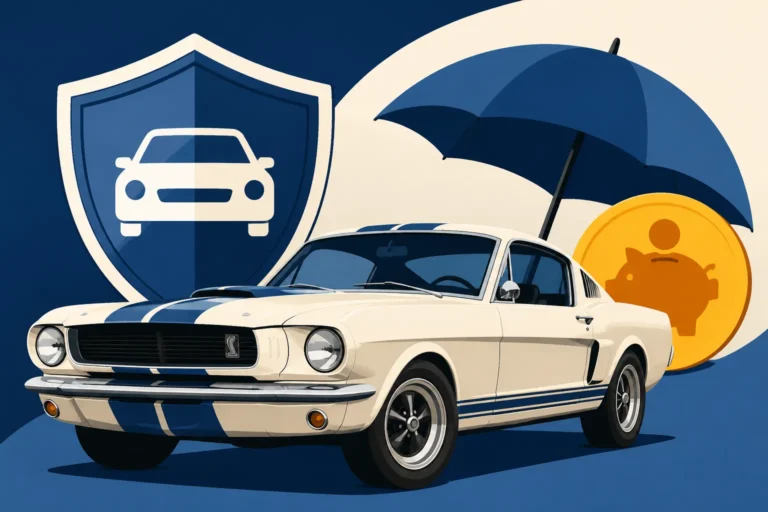
Classic Car Insurance Cost in Washington
For many classic car enthusiasts in Washington State, one of the biggest head-scratchers isn't finding that perfect project or rare part, but figuring out how much it's actually going to cost to insure their prized possession. It's not like insuring your everyday sedan; classic cars have unique needs and, thankfully, often unique pricing. If you’re feeling a bit lost in the sea of policy jargon and wondering what you’ll actually pay to protect your vintage beauty from the drizzle of Puget Sound to the dry heat of Eastern Washington, you've come to the right place. This guide will meticulously break down the typical classic car insurance costs in Washington, the factors that influence them, and how you can ensure you’re getting the best deal for your beloved ride.
Understanding Classic Car Insurance Costs in Washington
Insuring a classic car isn't just about covering potential accidents; it's about protecting an investment, a piece of history, and often, a labor of love. The cost isn't a one-size-fits-all number, especially in a diverse state like Washington.
Why Washington State is Unique for Classic Car Owners
Washington is a state of contrasts, and these contrasts can subtly influence classic car insurance rates. From the dense, often damp urban centers of Seattle, Bellevue, and Tacoma to the sprawling, drier landscapes east of the Cascades, the environment itself plays a role. Wet weather can mean more incidents, though classic cars are rarely driven in adverse conditions. The vibrant classic car culture, with events like the annual Greenwood Car Show in Seattle or various regional swap meets and cruises, indicates a strong community that insurers recognize. A large community can sometimes lead to more competitive rates as insurers vie for business, but it also means more opportunities for exhibition and pleasure driving, which are distinct from daily commuting. Washington’s specific vehicle registration and insurance laws for classic or antique vehicles also factor into how policies are structured and priced.
Key Factors Influencing Your Premium
When you get a quote for your classic in Washington, insurers consider a range of elements that go far beyond what they look at for your daily driver. These factors are precisely why classic car insurance is often much more affordable than a standard policy, but they also determine the exact figure you’ll see.
First and foremost is the Agreed Value of your vehicle. This is arguably the most critical difference between classic and regular insurance. Instead of insuring for "actual cash value" which depreciates over time, classic car policies agree on a fixed value with you upfront. If your cherished 1969 Mustang GT, valued at $60,000, is unfortunately totaled, the insurer pays you that full $60,000 (minus your deductible), not some depreciated amount. This agreed value directly influences your premium – a higher agreed value means a higher premium, naturally.
Next, mileage limitations come into play. Most classic car policies are designed for vehicles driven for pleasure, shows, and occasional cruises, not daily commutes. Insurers typically offer mileage tiers (e.g., 1,000, 2,500, or 5,000 miles per year). The fewer miles you plan to drive, the lower your premium. This helps differentiate a true collectible from a vintage car that someone might be using for grocery runs. For more detail on how these limits apply, check out our guide on Classic Car Insurance Mileage Limits by State.
Your storage arrangements are also a huge factor. Insurers want to know your classic is safe and sound. A vehicle stored in a secure, enclosed garage, especially one with an alarm system, will almost always yield lower rates than one parked in a carport or, heaven forbid, outdoors. This is because proper storage significantly reduces the risk of theft, vandalism, and weather damage. This ties into the broader topic of Garage Storage Requirement for Classic Cars.
Finally, your driving record matters, just like with regular insurance. While classic car drivers are generally seen as more responsible due to the nature of their vehicles, a history of major accidents or multiple speeding tickets can still impact your rates, even if those incidents occurred in your daily driver. Most specialty insurers look for a clean driving history, as it demonstrates responsibility behind the wheel. You can learn more about this in our discussion on Does Driving Record Affect Classic Car Rates. The age of the vehicle and the age of the primary driver can also play roles, with very young drivers sometimes facing higher premiums or stricter requirements due to perceived risk, although many policies require a primary household vehicle and a certain level of driving experience.
Average Costs and What to Expect
Let's get down to the numbers. While providing exact figures is tough without a specific vehicle and driver profile, we can give you a solid idea of what to anticipate for classic car insurance costs in Washington.
Typical Premium Ranges in Washington
Generally speaking, classic car insurance is remarkably affordable compared to standard auto insurance. Many collectors in Washington are pleasantly surprised by the annual premiums. For a classic car with an agreed value between $25,000 and $50,000, you might expect to pay anywhere from $250 to $700 per year. For higher-value classics, say those in the $75,000 to $100,000 range, premiums typically fall between $600 and $1,200 annually. Ultra-rare or high-performance vehicles can push those numbers higher, but still, often remain more competitive than standard insurance on a similar-value new luxury car.
Consider a collector in Spokane with a meticulously restored 1967 Chevrolet C10 pickup, valued at $40,000. If they maintain a clean driving record, store the truck securely in their garage, and opt for a 1,000-mile annual limit, they might easily find a comprehensive policy for around $400-$500 per year. Someone in Seattle with a 1972 Porsche 911, agreed value at $80,000, stored in a secure downtown garage, might be looking at $800-$1000 annually. These are illustrative examples, of course, but they give you a sense of the scale. Companies like Hagerty are very competitive in the Washington market, offering tailored policies for a wide range of classics.
How Vehicle Value Impacts Your Rate
The agreed value is arguably the single biggest determinant of your classic car insurance cost. It's a direct correlation: the more your classic is worth, the more it generally costs to insure. This is because the insurer's potential payout in the event of a total loss increases with the agreed value.
Let's look at a few examples:
- A $25,000 Classic: Imagine a well-kept 1970s MGB Roadster in Olympia. With an agreed value of $25,000, assuming a low mileage plan and secure storage, you might see annual premiums in the range of $250-$450. The lower risk profile and the manageable payout amount keep costs down.
- A $50,000 Classic: Take a beautiful 1965 Ford Mustang Fastback in Vancouver. If its agreed value is $50,000, your annual premium could be closer to $450-$700. The increase reflects the higher potential loss for the insurer.
- A $75,000 Classic: Now, consider a pristine 1957 Chevrolet Bel Air, perhaps located in Bellingham. For an agreed value of $75,000, you're likely looking at $700-$1,000 per year. The jump in value means a noticeable, but often still palatable, increase in premium.
- A $100,000 Classic: For a significant investment like a 1963 Corvette Split-Window Coupe near Bellevue, with an agreed value of $100,000, premiums could range from $900-$1,200 or more. At this level, insurers scrutinize details even more closely, and the comprehensive coverage you need is naturally more expensive.
It's important to have an accurate valuation for your car. Overvaluing it will lead to unnecessarily high premiums, while undervaluing it could leave you shortchanged if the worst happens. Many specialty insurers, like Hagerty, have extensive valuation tools and can help you determine an appropriate agreed value. If you're curious about the general landscape of costs, our comprehensive guide on How Much Does Classic Car Insurance Cost provides a broader overview.
Specific Factors Driving Costs Up or Down
Beyond the agreed value, several specific operational and personal factors can significantly shift your classic car insurance premium up or down. Understanding these can help you fine-tune your policy and potentially save some money.
Mileage Limitations and Usage Restrictions
The way you plan to use your classic car is one of the most significant cost drivers. Classic car policies are fundamentally different from standard auto insurance because they assume limited, recreational use.
- Low Mileage Tiers (e.g., 1,000-2,500 miles/year): This is where most classic car owners find themselves. If your vintage muscle car is primarily for weekend cruises, local car shows, and a few special events, selecting a lower mileage tier will result in the most affordable premiums. An insurer sees this as minimal exposure to risk on the road. For example, a collector in Yakima who only drives their 1969 Camaro to local events and on sunny weekend drives would easily qualify for a low-mileage plan, keeping their rates down.
- Moderate Mileage Tiers (e.g., 2,500-5,000 miles/year): Some policies offer slightly higher mileage options for those who enjoy longer tours or more frequent drives. While still considered "limited use," these tiers will incrementally increase your premium. This might be suitable for someone in Spokane planning a road trip across the state or a few longer drives to car meets.
- Unlimited Mileage Options: A few specialty insurers, including certain programs offered by Hagerty, provide unlimited mileage options for classic cars, though these are much less common and come with a higher price tag. This option is typically for owners who want the flexibility to drive their classic more freely without worrying about hitting a mileage cap. However, even with unlimited mileage, the expectation is still pleasure use, not daily commuting. Our guide on Pleasure-Use Requirement Explained goes into more detail about how usage impacts policies.
It's crucial to be honest about your intended mileage. Misrepresenting your usage could lead to claims being denied if your actual driving habits significantly exceed your declared mileage.
Storage Requirements and Security Discounts
Where and how you store your classic car is paramount for insurers and a key factor in your premium calculation.
- Enclosed and Locked Garage: This is the gold standard for classic car insurance. Insurers love to see that your car is protected from the elements, theft, and vandalism. Storing your classic in a private, locked garage significantly reduces risk and often qualifies you for the lowest rates. Whether it's a detached garage in a suburban Seattle home or a dedicated storage unit in Tri-Cities, the security and enclosure are key.
- Carports or Open Parking: Some policies might grudgingly cover a classic stored in a carport, but it will almost certainly increase your premium. Parking outdoors is generally a non-starter for specialty classic car policies, as it exposes the vehicle to too many risks.
- Security Features: Beyond a basic garage, additional security measures can earn you discounts. This includes home alarm systems, vehicle tracking devices, and robust locks on your garage. For instance, if you have a high-value classic in a garage equipped with a monitored alarm system in a less secure area of Tacoma, your insurer might offer a small discount. This consideration is a central part of the broader Garage Storage Requirement for Classic Cars.
- Storage Location: The zip code where your car is stored also plays a role. Areas with higher crime rates or higher concentrations of claims might see slightly elevated premiums, even with secure storage.
Your Driving Record and Experience
While classic car drivers are often perceived as more careful, your driving history still matters.
- Clean Driving Record: A clean record, free of accidents, major moving violations (like DUIs), and excessive speeding tickets, is almost a prerequisite for the best classic car insurance rates. Insurers see this as a strong indicator of responsible driving habits, even when you're behind the wheel of your vintage ride. Someone in Bellevue with a pristine record will typically enjoy lower rates than a peer with a few recent speeding tickets.
- Accidents and Violations: Even minor infractions can cause a slight bump, but significant accidents or multiple violations can lead to substantially higher premiums or even make you ineligible for certain specialty policies. Remember, insurers are assessing your overall risk profile as a driver. For a deeper dive into this, you can review our discussion on Does Driving Record Affect Classic Car Rates.
- Collector Experience: Some specialty insurers look favorably on drivers with a long history of classic car ownership and a demonstrated understanding of vehicle care. Being part of a recognized classic car club, such as the Vintage Volkswagen Club of America or the Puget Sound Porsche Club, can also be a positive factor, sometimes even leading to discounts. Our article on Classic Car Insurance for New Collectors touches on this aspect for those just starting out.
Comparing Quotes and Finding the Best Value
Finding the right classic car insurance in Washington isn't just about getting the cheapest quote. It's about securing the best value, which combines comprehensive coverage with an affordable premium. This often means looking beyond your standard auto insurer.
Getting Multiple Quotes in Washington
You wouldn't buy a classic car without comparing a few options, right? The same goes for insurance. Specialty classic car insurers operate differently from mainstream carriers. While companies like State Farm or Progressive might offer some classic car options, they often don't truly understand the unique valuation and usage patterns of collector vehicles. That's why reaching out to dedicated classic car insurance providers is crucial.
Brands like Hagerty, Grundy, American Collectors Insurance, and J.C. Taylor are leaders in this niche. Each has slightly different underwriting criteria, coverage options, and pricing structures. What one company considers a "classic," another might classify differently, impacting your eligibility and rate.
For instance, if you own a desirable Japanese classic like a Datsun 240Z in Seattle, Hagerty is likely to have a very competitive policy, understanding its growing collector market value. Another insurer might be better suited for a meticulously restored pre-war Ford Model A in a rural setting. Getting quotes from at least three to four specialty providers will give you the clearest picture of the market and help you pinpoint the best deal. Our guide on How to Get a Classic Car Insurance Quote provides a step-by-step process for this. For a general overview of who the major players are, explore Best Classic Car Insurance Companies.
The Importance of Agreed Value Coverage
We touched on agreed value earlier, but its importance cannot be overstated when you're comparing policies. It is the cornerstone of classic car insurance and the primary reason why specialty policies offer true peace of mind.
- Protecting Your Investment: With agreed value coverage, you and the insurer mutually agree on your car's value at the policy's inception. If your classic is a total loss, you receive that agreed-upon amount, no questions asked (beyond standard deductibles). This eliminates the risk of depreciation or disputes over market value, which is common with "actual cash value" policies. Imagine your prize-winning 1970 Plymouth Barracuda, impeccably restored in Vancouver, is damaged. You've invested countless hours and dollars. Agreed value ensures that investment is protected.
- Avoiding Shortfalls: Without agreed value, a standard policy might only pay out what they deem your car's depreciated "market value" to be, potentially leaving you thousands of dollars short of what it would cost to replace or re-restore your unique vehicle. This is a critical distinction, as highlighted in our article Agreed Value vs Stated Value vs Actual Cash Value.
- How it's Determined: To establish an accurate agreed value, insurers may ask for photos, documentation of restoration work, appraisal reports, and details about the car's condition, mileage, and modifications. If you're looking for a comprehensive explanation of how this works, take a look at Agreed Value Coverage Explained. Always be prepared to provide clear evidence to support your desired agreed value, especially for rare or highly modified cars.
Discounts and Savings Opportunities
Even within the realm of already affordable classic car insurance, there are ways to shave a few extra dollars off your premium.
- Car Club Membership Discounts: Many specialty insurers offer discounts if you're a member of a recognized classic car club or association. This is because car club members are generally seen as more responsible, knowledgeable, and dedicated to the proper care of their vehicles. If you're a member of the Mustang Club of America or a local chapter in Washington, be sure to mention it.
- Multi-Car Collector Policies: If you're lucky enough to own more than one classic, insuring them all under a single multi-car collector policy can often be more economical than separate policies for each. Insurers appreciate bundling and often provide discounts for it.
- Anti-Theft Devices: Installing approved anti-theft devices, such as alarms, immobilizers, or GPS tracking systems, can lead to small discounts. This directly reduces the risk of theft, which is a major concern for valuable classics.
- Driver Training and Experience: While less common than for standard policies, some insurers might offer minor discounts for advanced driver training, especially for high-performance classics. Your overall driving experience and age can also play a role, as mature, experienced drivers are typically viewed as lower risk.
- Homeownership: Sometimes, simply owning your home can provide a slight discount, as it indicates stability to the insurer.
Always ask your potential insurer about any discounts they offer. A small percentage off can add up over the years. Our article, Classic Car Insurance Discounts Explained, offers a deeper dive into the various ways you can save.
Washington Classic Car Insurance Cost Factors Comparison
To give you a clearer picture, here's a table summarizing common factors and their general impact on classic car insurance costs in Washington:
| Factor | Description | Impact on Premium (Relative) |
|---|---|---|
| Agreed Value | The agreed-upon value the insurer will pay in case of total loss. | Directly Proportional (Higher value = higher premium) |
| Annual Mileage | Declared miles driven per year (e.g., 1,000, 2,500, 5,000). | Inverse (Lower miles = lower premium) |
| Storage | Enclosed, locked garage vs. carport vs. outdoor. | Significant (Garage = lowest rates) |
| Driving Record | History of accidents, tickets, and claims. | Significant (Clean record = lowest rates) |
| Primary Driver Age | Maturity and experience of the main driver. | Moderate (Older, experienced drivers often get better rates) |
| Vehicle Age / Type | Very old antiques vs. muscle cars vs. modern collectibles. | Varies (Often relates to agreed value and risk) |
| Security Features | Alarms, tracking devices, immobilizers. | Moderate Discount (Reduces theft risk) |
| Car Club Membership | Member of a recognized classic car club. | Small Discount |
| Location (WA) | Urban vs. rural, areas with higher claim rates. | Minor (Can slightly adjust rates) |
| Coverage Type | Liability only vs. full agreed value, add-ons (spare parts, etc.). | Significant (Full coverage with add-ons = higher premium) |
This table illustrates that while you can't control the agreed value beyond your car's actual worth, you can certainly influence factors like mileage and storage to optimize your premium.
Final Thoughts on Washington Classic Car Insurance Costs
Navigating the world of classic car insurance in Washington doesn't have to be a bewildering experience. By understanding the unique factors at play – from Washington's diverse environment and passionate car community to the specific nuances of agreed value, mileage limitations, and secure storage – you can confidently seek out the best policy for your beloved classic. Remember, the goal isn't just to get the cheapest rate, but to secure comprehensive coverage that truly protects your investment and passion. Take the time to accurately assess your car's value, be honest about your usage, ensure proper storage, and diligently compare quotes from specialty providers like Hagerty. Doing so will ensure your cherished classic is well-protected, allowing you to enjoy those scenic drives through the Cascades or along the Pacific coast with complete peace of mind, knowing your piece of automotive history is insured properly.
Disclaimer
Please note that the information provided in this article is for general informational purposes only and does not constitute professional insurance advice. Insurance rates and policy terms can vary significantly based on individual circumstances, vehicle specifics, and current market conditions. It is essential to consult with a qualified insurance professional or directly with specialty classic car insurance providers to obtain accurate quotes and personalized advice tailored to your specific needs in Washington State.