Coverage for Original Parts and Components
As a classic car owner, there's a unique anxiety that comes with every mile driven or even every moment your beloved machine sits in the garage: the fear of damage, especially to those precious original parts. Unlike a modern daily driver where a dinged fender or a broken interior piece can often be replaced with readily available, sometimes aftermarket, components without much fuss, a classic car's originality is often its soul. This guide is dedicated to helping you understand how classic car insurance steps up to protect those irreplaceable original parts and components, ensuring that your investment and passion are truly safeguarded.
The Unique Value of Original Parts in Classic Cars
Let's face it, owning a classic isn't just about driving; it's about preserving a piece of history. And a huge part of that preservation lies in maintaining its originality. When we talk about "original parts," we're not just discussing factory-spec replacements; we're talking about the actual components that rolled off the assembly line with your car, or period-correct parts that maintain its authentic character.
Why "Original" Matters So Much
For many collectors, the term "numbers-matching" is almost a sacred phrase. It refers to a vehicle where the engine, transmission, and other major components retain their original factory identification numbers, correlating to the vehicle's VIN. This isn't just a quirky detail; it’s a direct link to the car's birth and a monumental factor in its valuation and authenticity. Imagine a pristine 1969 Chevrolet Camaro Z/28 with its original DZ-coded 302 engine, Muncie four-speed, and rear axle. The value of that car with its original, numbers-matching drivetrain is significantly higher than one that has had these components replaced, even with correct period parts.
Beyond major mechanicals, even seemingly small original details like a factory radio, a specific dash trim piece, or an uncracked original steering wheel can dramatically influence collector appeal and, consequently, market value. Finding genuine, unmolested replacements for these items can be incredibly difficult, often requiring extensive searching through swap meets, online forums, or specialized restorers, and when found, they come at a premium. This contrasts sharply with modern vehicles where a vast aftermarket exists, often making repairs quicker and cheaper, albeit sometimes at the expense of OEM quality or fit. When you're passionate about preserving history, aftermarket simply doesn't cut it for those key components.
The Financial and Sentimental Impact of Damage
The impact of damage to an original part extends far beyond the immediate repair bill. If your 1957 Chevrolet Bel Air's iconic hood ornament, which left the factory with the car, is damaged beyond repair in a minor fender bender, it's not simply a matter of buying a new one from a parts store. That particular original piece contributed to the car's overall authenticity and market desirability. Replacing it with a reproduction, even a high-quality one, can subtly diminish the car's "originality premium" in the eyes of discerning collectors.
The financial ramifications are clear: the overall market value of your classic can take a hit, even if the car is fully repaired. But let's not forget the sentimental impact. For many, these cars are more than metal; they're family heirlooms, passion projects, or the culmination of a lifelong dream. The emotional attachment to an original dashboard, worn just right by decades of sunlight and use, or a chrome bumper that gleams with its factory finish, is profound. Losing that originality to an accident feels like losing a piece of the car's identity. This is why standard insurance, which often prioritizes the cheapest repair, can be so frustrating and ultimately inadequate for these special vehicles.
How Classic Car Insurance Protects Original Components
Understanding the unique characteristics of classic car insurance is paramount when it comes to safeguarding your vehicle's original parts. Unlike your everyday auto policy, specialty classic car insurance is designed with the collector's mindset in focus, recognizing the inherent value in authenticity.
The Power of Agreed Value Coverage
The cornerstone of effective classic car insurance, especially for protecting original parts, is Agreed Value Coverage Explained. This isn't just a fancy term; it's the fundamental difference that sets specialty policies apart. With an Agreed Value policy, you and your insurer determine and agree upon a specific value for your vehicle before the policy is issued. In the unfortunate event of a total loss, the insurance company pays you that exact agreed-upon amount, no questions asked, no depreciation applied.
Why is this so crucial for original parts? Because that agreed value inherently incorporates the premium you pay for your car's originality, its rare components, and its overall authentic condition. When an adjuster for a standard policy looks at a damaged classic, they often assess it based on "Actual Cash Value" (ACV), which means replacement cost minus depreciation. This means they'd likely offer to replace a damaged original part with a cheaper, aftermarket alternative, or only pay a fraction of what an original part truly costs, severely diminishing your car's value and authenticity. With Agreed Value, the overall declared worth of your vehicle, factoring in those original components, is protected from the outset. Reputable insurers often require an appraisal or thorough documentation to establish this value, ensuring all parties are on the same page regarding your car's pristine, original condition.
Specific Endorsements for Unique Situations
Beyond the core Agreed Value, specialty classic car policies often offer a suite of endorsements and riders designed to further protect those unique aspects of ownership, including original parts.
Many collectors maintain a treasure trove of original spare parts—a correct distributor cap, a period-specific carburetors, or even entire spare engines—stored safely for future use or as investments. These items, not currently installed on the vehicle, would typically not be covered under a standard auto policy. However, Spare Parts Coverage for Classic Cars Explained is an endorsement available from many specialty insurers that specifically covers these valuable uninstalled parts. It ensures that if your garage suffers a fire, or if these spares are stolen, you're compensated for their unique value, preventing you from facing exorbitant replacement costs on the open market. This coverage acknowledges that for a true collector, the parts bin is just as important as the car itself.
What if your cherished classic is undergoing a meticulous, multi-year restoration, bringing it back to factory-original glory? As you invest thousands in skilled labor and original components, the car's value steadily increases. Restoration Coverage for Classic Cars is an invaluable add-on that protects this escalating investment. It allows you to periodically update your agreed value as restoration milestones are met and as more original or historically accurate parts are acquired and installed. This ensures that if disaster strikes mid-restoration, you're not left with a payout reflecting only its pre-restoration value, but rather its current, enhanced worth, inclusive of all the painstaking work on original components.
Finally, the market for classic cars and their original components isn't static. Values can appreciate significantly over time. This is where Inflation Guard Coverage for Classic Cars Explained comes into play. This endorsement automatically adjusts your vehicle's agreed value by a small, predetermined percentage each year (e.g., 2-5%) without you having to initiate a new appraisal. It's a proactive measure designed to ensure that your coverage keeps pace with the rising market value of your classic and its increasingly valuable original parts, protecting your investment against the creeping effects of inflation and market demand. This means if that rare, original dashboard trim piece suddenly doubles in value due to scarcity, your policy has a built-in mechanism to account for its appreciating worth.
Practical Steps to Ensure Your Original Parts Are Covered
Ensuring your classic's original components are adequately protected isn't just about picking the right policy; it also involves proactive steps on your part to document, value, and communicate that originality to your insurer.
Documenting and Valuing Originality
This is perhaps the most critical step you can take. Detailed, high-resolution photography of your original components is a must. Don't just take exterior shots; get under the hood, inside the cabin, and even under the car if possible. Document engine stamping codes, transmission tags, interior trim details, original paint codes (if present), and any unique factory options. The more visual evidence you have of your car's originality, the better.
Beyond photos, gather all available records: build sheets, window stickers, dealer invoices, service records, and any documentation that proves the car's provenance or the originality of specific parts. If you've had a partial restoration focused on originality, keep all receipts for components and labor. For example, if you sourced a New Old Stock (NOS) carburetor that's period-correct and original, that receipt is a vital piece of documentation.
Crucially, consider a professional appraisal. While some specialty insurers, like Hagerty, might be able to offer an initial valuation without a formal appraisal, a certified appraiser specializing in classic cars can provide an objective, detailed report. This report should specifically highlight the presence and condition of original parts, their contribution to the vehicle's overall value, and any unique historical significance. This third-party validation provides undeniable proof of your car's worth and its originality to your insurer, making the How to Get a Classic Car Appraisal process worthwhile. It’s an investment that pays dividends in peace of mind.
Choosing the Right Policy and Provider
The market for classic car insurance isn't a one-size-fits-all situation. You wouldn't buy a custom suit off the rack, and you shouldn't buy generic insurance for your unique classic. It is absolutely essential to work with specialty classic car insurers. Companies like Hagerty, American Collectors Insurance, and Grundy don't just insure cars; they understand the collector market, the nuances of originality, and the passionate community behind it. They employ experts who know the difference between a reproduction part and a factory original, and they structure their policies accordingly. You can learn more about these options by checking out a comparison of Best Specialty Classic Car Insurers.
When you're shopping for coverage, don't be afraid to ask specific questions:
- "How do you handle claims involving original parts? Do you seek out original replacements, or do you prioritize aftermarket options?"
- "What is your process for establishing and updating agreed value, especially for cars with unique original features?"
- "Are there specific endorsements available for spare original parts or for vehicles undergoing restoration with a focus on retaining originality?"
Your regular auto insurance provider, while great for your daily driver, typically lacks the expertise and policy flexibility to adequately protect a classic. They might try to fit your classic into a standard policy framework, which almost inevitably leads to inadequate coverage for original parts. This is a key part of understanding What to Look for in a Classic Car Policy. Make sure the policy wording explicitly mentions how originality is factored into valuations and claims.
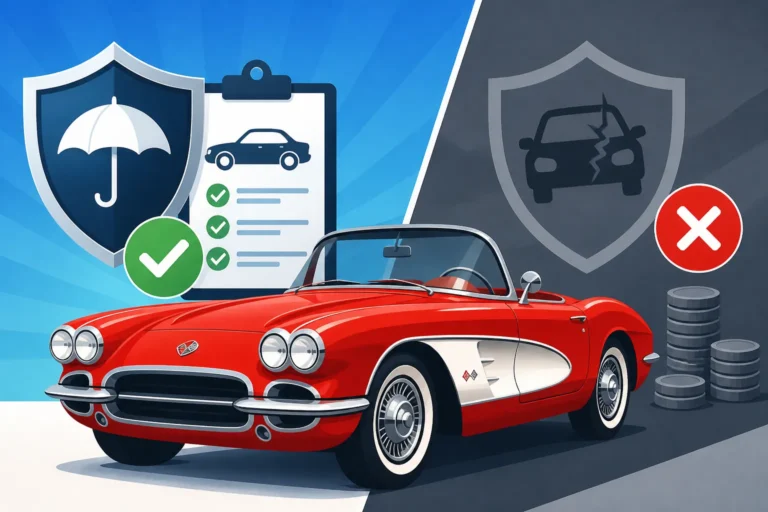
Here's a quick comparison of how generic vs. classic policies often approach original parts:
| Feature/Aspect | Generic Auto Insurance (Standard) | Specialty Classic Car Insurance (Agreed Value) |
|---|---|---|
| Valuation Method | Actual Cash Value (ACV) – depreciates over time | Agreed Value – pre-determined, non-depreciating value |
| Part Replacement | Prioritizes cheapest repair; often uses aftermarket or remanufactured parts | Prioritizes original/period-correct parts; seeks out specialty vendors |
| Originality Impact | Often ignores or devalues the impact of originality on total worth | Directly incorporates originality into the agreed value |
| Spare Parts | Typically no coverage for uninstalled spare parts | Dedicated Spare Parts Coverage for Classic Cars Explained available |
| Restoration | Doesn't account for increasing value during restoration | Restoration Coverage for Classic Cars available |
| Market Appreciation | No mechanism for value appreciation | Inflation Guard Coverage for Classic Cars Explained available |
This table makes it clear why choosing a specialty insurer is not just a recommendation, but a necessity for protecting your classic's original components.
Common Pitfalls and Misconceptions
Despite the clear benefits of specialty classic car insurance, many enthusiasts inadvertently leave their prized possessions vulnerable due to misunderstandings or by opting for seemingly simpler, but ultimately inadequate, solutions.
The Dangers of Standard Auto Insurance
It's a common, and often costly, mistake to assume that your standard auto insurance policy, which covers your everyday sedan or SUV, can adequately protect your classic car. The reality is starkly different, and this is a primary point of discussion when comparing Classic Car Insurance vs Regular Insurance: What's Required. Standard policies are designed around transportation value and the concept of depreciation. When a modern car is damaged, the goal is to get it back on the road safely and economically, often using the most readily available and cost-effective parts. Originality and historical accuracy are simply not part of their valuation matrix.
Imagine your beautiful, numbers-matching 1965 Ford Mustang convertible sustains damage to its original front fender and bumper. A standard insurer would likely look at its book value for a 1965 Mustang, apply depreciation, and then authorize repairs using new aftermarket panels and chrome, which are much cheaper and easier to source. While this might fix the "car" in a functional sense, it completely overlooks the fact that replacing original components with reproductions can drastically reduce the vehicle's collector value and authenticity. You could end up with a "repaired" car that's worth significantly less than it was before the accident, and your payout would likely not cover the true cost of restoring its originality. This approach essentially devalues your investment and disrespects the very essence of a collectible vehicle.
Overlooking Comprehensive Coverage
When we talk about protecting original parts, our minds often jump straight to collision damage. However, comprehensive coverage is just as, if not more, vital for a classic car, especially for those precious original components. Comprehensive coverage protects against non-collision events, which can be just as devastating to originality.
Consider this: a garage fire could completely destroy your classic, including all its original parts. A hail storm could pit original chrome trim and dent irreplaceable body panels. Vandalism could deface original paintwork or damage interior components. Theft, sadly, remains a risk, with original parts often targeted for their resale value. For instance, a vintage Porsche 356's original gauges or a Chevrolet Corvette's factory wheel covers are highly sought after by restorers, making them prime targets for thieves. Comprehensive Coverage for Classic Cars Explained ensures that your agreed value is protected against these unpredictable events. Without it, you might be covered for a collision, but left entirely exposed to the elements or malicious acts that could obliterate the very originality you've worked so hard to preserve. It's not just about covering the frame; it's about covering every intricate, original piece that makes your classic truly special.
Disclaimer
Please remember that insurance policies, including those for classic cars, can vary significantly in their terms, conditions, and coverage. The information provided in this article is intended for general guidance only and does not constitute professional insurance advice. It is always recommended to consult directly with a qualified insurance professional or a reputable classic car insurance provider to discuss your specific needs and obtain a policy that is tailored to your unique vehicle and circumstances. Always read your policy documents carefully to understand your coverage limits, exclusions, and responsibilities.