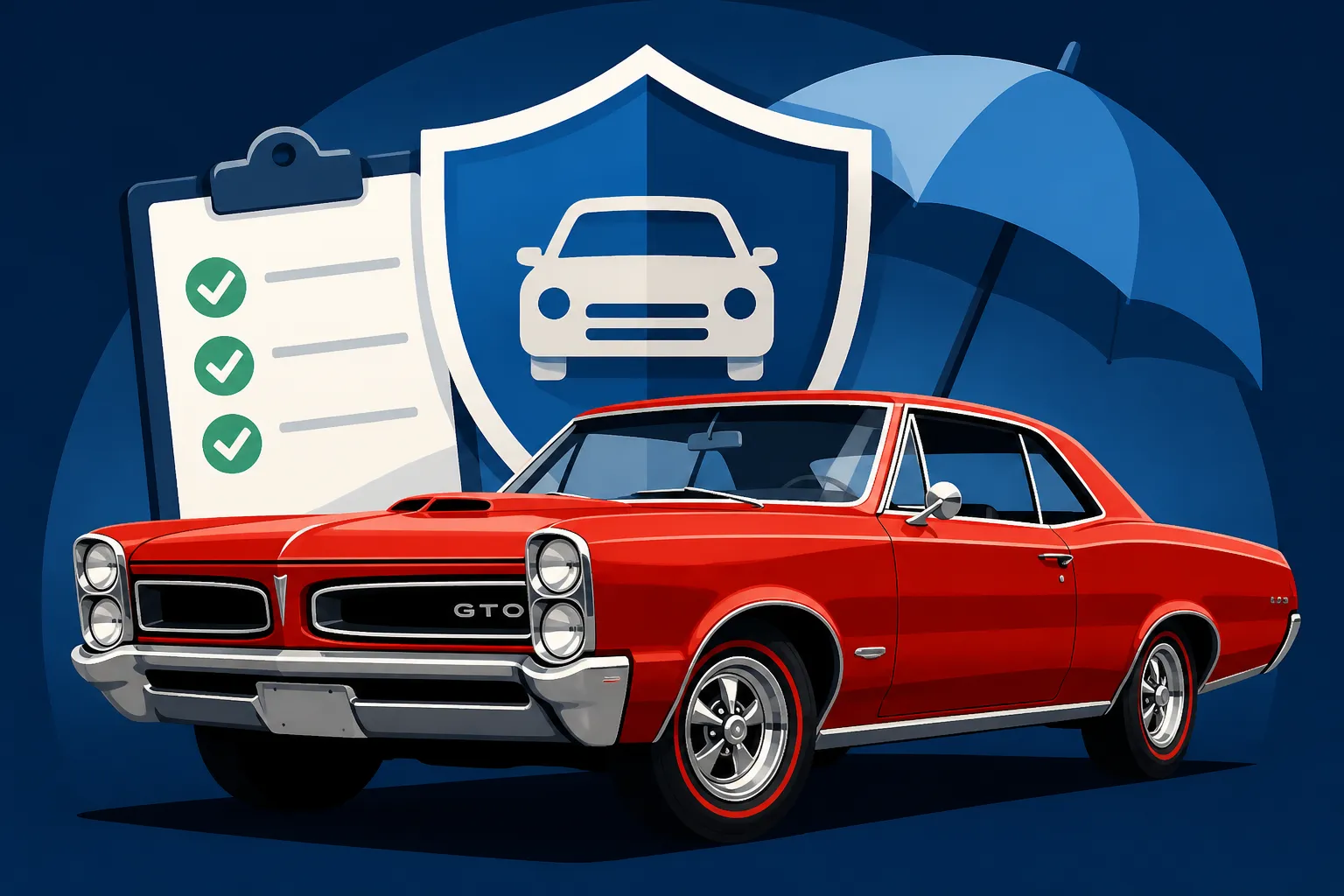
Cost to Insure a 1965 GTO
Bringing home a 1965 Pontiac GTO is a dream come true for many classic car enthusiasts, a true piece of American muscle car history. But that initial thrill often gives way to a practical concern: how on earth do you insure such a unique and valuable vehicle without breaking the bank? It’s a common worry, and one that standard auto insurance policies often fail to address adequately. This guide will walk you through the specifics of what influences the cost to insure your beloved '65 GTO, ensuring you get the right coverage for its true worth.
Why a 1965 GTO Needs Specialty Insurance
Let's face it, your 1965 GTO isn't just another car you use for grocery runs or the daily commute. It's a passion, an investment, and a vehicle with a unique set of needs that typical insurance companies just don't understand. Trying to insure a classic like a GTO on a standard policy is often a recipe for disappointment, especially if you ever have to file a claim.
The Pitfalls of Standard Auto Policies
When you go to a mainstream insurer for a classic like your GTO, they're going to treat it like any other older car, often using "Actual Cash Value" (ACV) to determine its worth. This is where the big problem lies. ACV means depreciation. They'll look at the current market value after accounting for wear and tear, age, and mileage. For a classic, this is fundamentally flawed. A 1965 GTO, especially one in pristine condition or with desirable options, isn't depreciating in the same way a 10-year-old sedan is. Its value often appreciates! Imagine your beautiful GTO getting damaged, and the insurer offers you a payout that barely covers a fraction of what you know it's worth. It's a heartbreaking scenario many collectors have faced.
A regular policy might also balk at the limited mileage or the specific storage requirements your GTO probably adheres to. They might not understand that you drive it primarily for pleasure, shows, or weekend cruises, not as a primary mode of transportation. These nuances are completely missed, leading to potentially inflated premiums for inadequate coverage. Understanding the core differences between standard and classic car insurance is crucial for any GTO owner.
The Advantages of Agreed Value Coverage for Your GTO
This is where specialty classic car insurance shines. The fundamental difference, and the biggest advantage for your 1965 GTO, is "Agreed Value" coverage. Instead of ACV, you and the insurance company agree on a specific value for your GTO at the start of the policy. If your GTO is ever declared a total loss, the insurer pays out that exact agreed-upon amount, no questions asked, no deductions for depreciation.
For a 1965 GTO, which can range wildly in value depending on its originality, condition, engine type (think original 389 Tri-Power!), and restoration quality, agreed value is non-negotiable. It protects your investment and ensures you can replace or repair your cherished muscle car properly. Companies like Hagerty specialize in these types of policies because they understand the unique market for collector vehicles. This specialized approach means they factor in things like appreciation, rarity, and the cost of specialized parts and labor that a standard insurer would completely overlook.
Key Factors Influencing Your 1965 GTO Insurance Cost
Determining the exact cost to insure your 1965 GTO isn't as simple as checking a rate chart. Many factors come into play, each contributing to your final premium. Understanding these can help you better manage your costs and ensure you’re getting a fair deal.
The Agreed Value of Your GTO
As we discussed, the agreed value is paramount. The higher the agreed value, the higher your premium will generally be. A meticulously restored 1965 GTO with its original 389 cubic-inch engine, Tri-Power carburetors, and a 4-speed manual transmission, might easily command an agreed value of $70,000 to $100,000 or even more, depending on its provenance and condition. A GTO that’s a good driver quality but not show-winning might be valued in the $40,000 to $60,000 range. A project car, even a 1965 GTO, would have a lower agreed value initially, though you can often update this value as restoration progresses through specialized Restoration Coverage for Classic Cars.
How to Determine Agreed Value:
- Professional Appraisal: This is often the most reliable method, especially for higher-value GTOs. An independent appraiser who specializes in classic cars can provide a detailed report on your GTO's condition, originality, and market value.
- Market Research: Look at recent sales of comparable 1965 GTOs through auction sites (like Mecum, Barrett-Jackson, or Bring a Trailer), classic car dealer listings, and valuation guides like those offered by Hagerty.
- Documentation: Keep meticulous records of your GTO's history, restoration receipts, photos, and any awards it has won. This documentation helps justify your proposed agreed value to the insurer.
Mileage Limitations and Usage
Specialty classic car insurance is typically designed for vehicles that aren't driven daily. Most policies come with mileage limitations, and the tier you choose directly impacts your premium.
- Low Mileage Tiers (e.g., 1,000-2,500 miles per year): These are generally the most affordable options because the car spends less time on the road, reducing the risk of accidents. If your GTO is primarily a show car or a weekend cruiser for short trips, this is likely your best bet.
- Moderate Mileage Tiers (e.g., 2,500-5,000 miles per year): If you enjoy longer road trips or participate in more events, a slightly higher mileage tier might be necessary. This will result in a slightly higher premium.
- Unlimited Mileage: Some specialty insurers offer unlimited mileage options, but these are significantly more expensive and less common for true classics. If you plan to drive your GTO extensively, you might need to explore options like Unlimited Mileage Classic Car Insurance Explained or consider if a classic policy is even the right fit.
The insurer also considers how you use the vehicle. Is it strictly for pleasure driving, car shows, and club events? Or do you occasionally use it for errands? Most classic policies have a "pleasure use" requirement, meaning it shouldn't be your primary vehicle.
Storage and Security
Where and how your 1965 GTO is stored makes a big difference in its insurance cost. Insurers love to see that your valuable asset is protected.
- Garaged Storage: A locked, private garage is the gold standard and almost always a requirement for specialty classic car insurance. This significantly reduces the risk of theft, vandalism, and weather damage. Most policies will ask about your Garage Storage Requirement for Classic Cars.
- Carports or Driveways: These typically won't qualify for classic car insurance. The increased risk simply isn't acceptable for these specialized policies.
- Security Features: Beyond a locked garage, additional security measures can sometimes lead to discounts. This includes alarm systems, GPS tracking devices, and even living in a gated community.
Your Driving Record and Age
Just like with regular car insurance, your driving history plays a role. A clean driving record, free of accidents, speeding tickets, or DUIs, will always result in lower premiums. While classic car drivers are generally seen as lower risk due to the nature of their vehicles, a spotty record can still raise your rates.
Age can also be a factor. While some companies have a Minimum Age for Classic Car Insurance Drivers (often 25), older, more experienced drivers with a proven track record tend to get better rates. Young drivers, even with a classic, might see higher premiums or face more stringent requirements.
Geographical Location
Insurance rates vary by state and even by zip code. Areas with higher theft rates, more frequent severe weather (like hail or hurricanes), or higher population density tend to have higher insurance costs. For example, insuring a 1965 GTO in a bustling city might cost more than in a rural area, even if all other factors are equal. This is why you might see differences in Classic Car Insurance Requirements in California versus Classic Car Insurance Requirements in Ohio.
Here's a simplified table illustrating how these factors might influence your 1965 GTO's insurance cost:
| Factor | Impact on Premium (Generally) | Example for 1965 GTO |
|---|---|---|
| Agreed Value | Higher value = Higher premium | $40,000 GTO vs $80,000 GTO |
| Annual Mileage | Higher miles = Higher premium | 1,000 miles/year vs 5,000 miles/year |
| Storage Type | Secure garage = Lower premium | Locked garage vs Carport (often disqualifies) |
| Driving Record | Clean record = Lower premium | No accidents/tickets vs Recent fender bender |
| Location | High risk area = Higher premium | Urban center with high theft vs Rural low-risk area |
| Age of Driver | Older, experienced = Lower premium | 55-year-old collector vs 28-year-old enthusiast |
| Restoration Status | In-progress = Lower initial value | Project car vs Full concourse restoration |
Understanding Coverage Options and Their Impact on Your GTO's Premium
Beyond the basic agreed value, the specific coverages you choose for your 1965 GTO will significantly influence your total insurance cost. It's about finding the right balance between comprehensive protection and what you're comfortable paying.
Essential Coverages for Your Classic GTO
When insuring a collectible like a GTO, certain coverages are absolutely paramount. These are the ones that truly protect your investment.
- Agreed Value Coverage: As mentioned, this is the cornerstone. It guarantees a payout of the agreed amount if your GTO is a total loss. Without it, you're exposing yourself to the whims of standard depreciation calculations. This is explored further in Agreed Value Coverage Explained.
- Comprehensive Coverage: This protects your GTO from non-collision damages like theft, vandalism, fire, hail, floods, and falling objects (think a tree branch in a storm). Given the rarity and value of parts for a 1965 GTO, comprehensive coverage is critical. Imagine a hailstorm damaging that pristine paint job; comprehensive coverage would be your savior.
- Collision Coverage: This covers damage to your GTO resulting from a collision with another vehicle or object, regardless of who is at fault. While classic car owners typically drive more cautiously, accidents can happen, and the cost to repair a GTO can be substantial due to specialized bodywork and parts sourcing.
- Liability Coverage: This covers damages or injuries you might cause to other people or their property while driving your GTO. Even if you only drive your GTO occasionally, you still need to meet state minimum liability requirements. It's important to have adequate liability limits, as the financial consequences of a serious accident can be devastating. For more details on what's legally required, check out Classic Car Liability Requirements by State.
Valuable Add-Ons and Endorsements
Specialty insurers often offer unique add-ons tailored to the classic car world. These can add to your premium but provide invaluable peace of mind.
- Spare Parts Coverage: Many GTO owners collect rare and valuable spare parts for their vehicles. This endorsement protects these parts, which can be surprisingly expensive and hard to find. Think of an NOS (New Old Stock) fender or a vintage Tri-Power setup.
- Restoration Coverage: If your 1965 GTO is currently undergoing a restoration, this coverage protects the car as its value increases during the process. You can update the agreed value as significant milestones are completed, ensuring your growing investment is always protected. This is particularly useful for those bringing a barn find back to its former glory.
- Roadside Assistance and Flatbed Towing: Your GTO isn't likely to be flat-towed by just any tow truck. Specialty roadside assistance ensures a flatbed truck is dispatched, preventing damage to your classic's frame or suspension. This is a must-have for any classic car owner.
- Trip Interruption Coverage: If you're on a road trip or attending a far-away car show and your GTO breaks down, this coverage can help with lodging, rental car, and other unexpected expenses.
Choosing the right combination of coverages means looking at your driving habits, where you keep your GTO, and your personal risk tolerance. Don't just go for the cheapest option; ensure it truly covers the unique value of your 1965 GTO.
Practical Ways to Lower Your 1965 GTO Insurance Rates
While insuring a classic car like a 1965 GTO requires specialized coverage, there are definitely strategies you can employ to make those premiums more manageable without sacrificing crucial protection.
Maintain a Clean Driving Record
This might seem obvious, but it's truly one of the most impactful factors for any auto insurance, including classic car policies. Insurers see drivers with a history of safe driving as lower risk. No at-fault accidents, speeding tickets, or other moving violations will always translate to better rates. For a classic car, where careful driving is almost a given, a spotless record reinforces your responsible ownership.
If you have a minor infraction, sometimes attending a defensive driving course can help mitigate the impact over time, though you'll need to check with your specific insurer if they offer discounts for such courses.
Secure Storage is Key
As mentioned earlier, a secure, private garage is usually a prerequisite for specialty classic car insurance. But going above and beyond can sometimes earn you discounts.
- Dedicated Garage: Ensure your GTO is always parked in a locked, private garage when not in use. Insurers frown upon classics parked in carports or on driveways, as it significantly increases risk.
- Advanced Security Systems: Installing an alarm system, a GPS tracking device, or even having a robust security setup in your garage (like security cameras or reinforced doors) can sometimes qualify you for additional savings. The less likely your GTO is to be stolen or vandalized, the happier your insurer will be.
- Fire Suppression: While less common, in some high-value situations, a fire suppression system in your garage could be seen as an additional protective measure.
Leverage Classic Car Discounts
Specialty insurers often provide discounts tailored to classic car enthusiasts. Don't be afraid to ask about all available options when getting a quote.
- Multi-Car Collection Discount: If you own more than one classic vehicle, bundling them under a single policy with a company like Hagerty can often result in a multi-car discount. This is a common way to save if your passion extends beyond just your GTO.
- Car Club Membership: Many insurers offer discounts for active members of recognized classic car clubs or GTO owner associations. Being part of a club often signifies a deeper level of commitment and responsibility for your vehicle.
- Limited Mileage Tiers: Opting for a lower mileage tier is one of the most effective ways to reduce your premium. If you only drive your GTO for shows, parades, and occasional pleasure cruises, a 1,000 or 2,500-mile annual limit can save you a significant amount compared to higher mileage options.
- Higher Deductibles: Choosing a higher deductible (the amount you pay out-of-pocket before your insurance kicks in for a claim) can lower your premium. However, make sure it's an amount you're comfortable paying if you ever have to file a claim.
- Proof of Other Vehicles: Insurers want to know that your 1965 GTO isn't your only ride. Having a separate, modern vehicle for daily driving is often a requirement and can sometimes lead to better rates on your classic policy. It underscores the "pleasure use" aspect of your GTO. For more on this, look into Do You Need a Separate Car for Classic Insurance.
When you're ready to get a quote, make sure you're working with a specialty insurer who truly understands classic cars. They'll be able to guide you through the options and help you uncover all the potential savings tailored to your 1965 GTO. Don't be afraid to compare quotes from a few different reputable companies to ensure you're getting the best value.
Finding the Right Coverage for Your 1965 GTO
Insuring a 1965 GTO is more than just getting a policy; it's about protecting a piece of automotive history and your personal passion. You've invested time, effort, and money into your GTO, and its insurance should reflect that. Trying to fit it into a standard auto insurance box simply doesn't work.
When you're ready to secure coverage, focus on specialty classic car insurers who offer agreed value policies. Companies like Hagerty are designed specifically for vehicles like your GTO, understanding their unique value proposition and the specific needs of collectors. Don't shy away from asking detailed questions about coverage limits, deductible options, and any specific endorsements that might benefit your particular situation, such as Spare Parts Coverage Explained or Inflation Guard Coverage Explained.
Remember, the goal isn't just to find the cheapest premium, but to find the most comprehensive and appropriate coverage that truly protects your 1965 GTO's value. Doing your homework, understanding the factors that influence cost, and actively seeking out discounts will put you in the best position to enjoy your classic muscle car for years to come with complete peace of mind. Getting a Classic Car Insurance Quote Checklist can be incredibly helpful in this process.
Disclaimer
Please note that this article provides general information and guidance regarding classic car insurance. Insurance policies, requirements, and costs can vary significantly based on individual circumstances, vehicle specifics, location, and the insurance provider. It is always recommended to consult with a qualified insurance professional to discuss your specific needs and obtain personalized quotes and advice. The information presented here should not be considered legal or financial advice.