Do Classic Cars Need Full Coverage
It’s a question that keeps many classic car enthusiasts up at night: "Do classic cars need full coverage?" You’ve invested time, love, and often a significant amount of money into your pride and joy, and the thought of something happening to it without adequate protection is terrifying. The truth is, the term "full coverage" means something entirely different in the classic car world than it does for your daily driver. This guide is here to unravel that mystery, helping you understand the specialized protection your vintage vehicle truly deserves and why standard policies just won't cut it.
Understanding "Full Coverage" in the Classic Car World
When most people think of "full coverage" for their daily commuter, they're picturing a policy that includes liability, collision, and comprehensive insurance. It's a convenient shorthand that implies broad protection. However, for a classic car, this blanket term is far from adequate and can lead to serious heartache if you’re not careful. Your classic isn't just transportation; it's a piece of history, an appreciating asset, and a labor of love, and its insurance needs reflect that unique status.
The Myth of a Single "Full Coverage" Policy
Let's be clear: there isn't one universal policy called "full coverage" that magically protects every vehicle in every situation. Instead, it's a collection of individual coverage types bundled together. For a modern car, these bundles typically use Actual Cash Value (ACV) for physical damage, which means if your car is totaled, the payout is based on its depreciated market value. This works fine for a car that loses value the moment it drives off the lot.
However, applying this same logic to a classic car is like trying to fit a square peg in a round hole. A classic car often gains value over time, and its market worth is dictated by factors like rarity, condition, restoration quality, and historical significance, not depreciation. Relying on a standard "full coverage" policy for your vintage ride would almost certainly leave you drastically underinsured, paying out-of-pocket for much of the damage or loss.
Why Standard Auto Policies Fall Short for Classics
The primary reason standard auto policies fail classic car owners is their valuation method. As mentioned, they typically rely on Actual Cash Value (ACV). Imagine you have a beautifully restored 1967 Ford Mustang, a genuine showstopper, that you've poured $75,000 into. If you only have a standard policy, and that car is unfortunately totaled, the insurer might only offer you the ACV of a "1967 Ford Mustang" based on its Kelley Blue Book or NADA Guide value as a mere used car, which could be a fraction of its true collector worth. You'd be left with a devastating financial loss and a heap of frustration.
Furthermore, standard policies are designed for vehicles driven daily, accruing significant mileage, and subjected to typical wear and tear. Classic cars, conversely, are usually driven for pleasure, special events, or club activities, often with strict mileage limitations. These differences in usage, storage, and valuation require a specialized approach. Without proper classic car insurance, you risk not only a financial hit but also the emotional distress of not being able to restore or replace your beloved classic to its former glory. This is why many experienced collectors will tell you that asking "Do You Need Special Insurance for a Classic Car?" is a resounding yes.
Essential Coverage Components for Your Classic Car
When you’re talking about "full coverage" for a classic car, you’re really talking about a suite of specialized protections designed specifically for collector vehicles. These aren't optional extras; they're fundamental to safeguarding your investment and passion. Without these, your classic is vulnerable.
Agreed Value Coverage: The Cornerstone
If there’s one single coverage type that defines true protection for a classic car, it’s Agreed Value coverage. This is the absolute bedrock of a proper classic car insurance policy. Unlike standard Actual Cash Value (ACV) or even Stated Value, Agreed Value is a pre-determined amount that you and your insurer agree upon before your policy even starts. This figure represents the true collector value of your vehicle.
So, if your meticulously restored 1969 Chevrolet Camaro, valued at $80,000, is ever declared a total loss due to an accident or other covered event, your insurer will pay you that full, agreed-upon $80,000 (minus any deductible). This eliminates all guesswork and ensures you get what your car is truly worth, protecting your investment. This is paramount because the market value of classics can fluctuate, and the agreed value locks in the security you need. For a deeper dive into this, check out our guide on Agreed Value Coverage Explained.
Comprehensive Coverage: Protecting Against the Unforeseen
Even if your classic car spends most of its time tucked away in a climate-controlled garage, it's still susceptible to a range of non-collision perils. That's where Comprehensive coverage comes in. This vital component protects your classic from damage that isn't caused by a collision with another vehicle or object. Think about scenarios like theft, vandalism, fire, natural disasters such as floods or hail, falling objects like tree branches, or even encounters with animals.
Imagine a severe hailstorm sweeping through your town, even if your car is parked safely in the garage, a broken window or a leaky roof could lead to devastating damage. Or perhaps, unfortunately, your cherished 1957 Chevrolet Bel Air is stolen from a car show. Comprehensive coverage would be there to help cover the costs of repair or replacement. Given that many classics are stored for extended periods, this coverage is arguably more critical than for a daily driver, as these static risks are often higher.
Collision Coverage: For Those Unexpected Bumps
While you might drive your classic car with the utmost care, avoiding rush hour and congested streets, accidents can still happen. Collision coverage is designed to pay for damage to your classic vehicle resulting from an impact with another car or object, regardless of who is at fault. This includes hitting a tree, rolling over, or getting into a fender bender at a quiet intersection.
Even if you only take your 1965 Ford Mustang Convertible out for a Sunday cruise, or to a local Cars & Coffee event, the risk of a collision is always present. A momentary lapse in concentration, an unexpected patch of gravel, or another driver's error could lead to significant damage. Repairing a classic, especially one with rare or original parts, can be incredibly expensive. This coverage ensures that you have the financial backing to properly repair your vehicle after an unfortunate incident, maintaining its value and authenticity. It’s an integral part of any robust "full coverage" package for a collector car.
Beyond the Basics: Important Add-ons for Collectors
While Agreed Value, Comprehensive, and Collision form the core of "full coverage" for a classic, truly comprehensive protection often requires looking beyond these foundational elements. Specialty insurers understand the unique journey of classic car ownership, offering endorsements that address specific collector needs, from ongoing projects to cross-country tours.
Restoration and Spare Parts Coverage
Many classic car enthusiasts spend years, if not decades, meticulously restoring their vehicles. During this extensive process, the car is often disassembled, with countless hours and dollars poured into bringing it back to life. Standard policies simply aren't equipped to handle a car that's a work in progress. That's where specialized restoration coverage comes in. This add-on protects your vehicle as its value increases throughout the restoration process, ensuring that the insurance payout reflects the current investment you've made, not just its pre-restoration value. It’s a huge relief for anyone with a project car, knowing their hard work is protected every step of the way. For more details, explore our article on Restoration Coverage for Classic Cars.
Beyond the car itself, many collectors amass a treasure trove of spare parts—original components, NOS (New Old Stock) items, rare accessories, or even a second engine or transmission. These parts can be incredibly valuable, sometimes worth more than a lesser classic car itself! Standard policies typically offer little to no coverage for these items, leaving them vulnerable to theft, fire, or damage. Specialty insurers often provide dedicated spare parts coverage, safeguarding these critical components, whether they're stored in your garage, at a restoration shop, or being transported. This provides immense peace of mind, knowing your irreplaceable parts are protected. Don't forget to look into Spare Parts Coverage Explained for more information.
Roadside Assistance and Trip Interruption
Driving a classic car is an experience unlike any other, but it can also come with its own set of challenges, especially on longer trips. An older vehicle, even one meticulously maintained, can sometimes decide to be temperamental. This is where specialized roadside assistance becomes a lifesaver. Unlike generic roadside plans that might send a hook-and-chain tow truck, classic car roadside assistance is designed to send a flatbed tow truck. This is crucial because flatbed towing prevents damage to your classic's drivetrain and suspension, protecting its delicate components. Imagine your beautiful 1970 Plymouth Barracuda breaking down 100 miles from home; you absolutely want a flatbed, not a standard tow.
Furthermore, if you’re enjoying a long-distance classic car rally or a road trip with your vintage ride and an unexpected mechanical breakdown or accident leaves you stranded far from home, trip interruption coverage can be a real blessing. This add-on can help cover expenses like lodging, meals, and alternative transportation (like a rental car) while your classic is being repaired or until you can get back home. It takes the sting out of an already frustrating situation, allowing you to focus on getting your car fixed rather than worrying about unexpected travel costs.
Inflation Guard and Automobilia Coverage
The value of classic cars can appreciate over time, sometimes quite rapidly. This is fantastic news for collectors, but it can pose a challenge for insurance. If your Agreed Value policy isn't updated regularly, your car could become underinsured if its market value skyrockets. That's where Inflation Guard coverage comes into play. This endorsement automatically adjusts your car's Agreed Value by a small percentage (e.g., 2% or 4%) each year at renewal, without requiring a new appraisal. This helps ensure your policy keeps pace with the rising market value of your classic, offering continuous, appropriate protection. It's a smart way to guard against your investment outpacing your coverage. You can learn more by reading Inflation Guard Coverage Explained.
Many classic car enthusiasts don't just collect cars; they also collect car-related memorabilia, often referred to as automobilia. This can include vintage signs, rare models, original artwork, trophies, historical documents, or even gasoline pumps. These items, often displayed alongside the vehicle or in a dedicated "man cave," can hold significant monetary and sentimental value. Standard homeowner's policies typically have very low limits for collectibles, leaving your automobilia severely underinsured. Specialty classic car insurers understand this passion and often offer dedicated coverage for automobilia, protecting these valuable items against theft, fire, or damage, just like your car.
State Minimums vs. Collector Needs
It's a common misconception that if your classic car meets the state's minimum insurance requirements for liability, you're all set. While it's true that every state mandates a certain level of liability coverage for any vehicle driven on public roads, these minimums are designed for everyday cars and offer virtually no protection for the unique value of a classic. Relying solely on them is a recipe for disaster for a collector.
The Bare Minimum: Liability Requirements
Every state, from California to Florida, requires drivers to carry a minimum amount of liability insurance. This coverage protects other drivers, their passengers, and their property if you are found at fault in an accident. It typically includes Bodily Injury Liability (to cover medical expenses and lost wages for others) and Property Damage Liability (to cover repairs to other vehicles or property). For instance, in a state like Ohio, the minimum might be 25/50/25, meaning $25,000 for bodily injury per person, $50,000 for bodily injury per accident, and $25,000 for property damage.
While fulfilling these requirements makes your classic car legal to drive on the street, it's crucial to understand that this coverage does nothing to protect your own vehicle. If you're involved in an accident and it's your fault, your liability coverage will pay for the damages to the other party, but you'd be entirely on the hook for repairing or replacing your cherished classic. Even if another driver is at fault, their liability coverage might not be enough to cover the true Agreed Value of your vintage vehicle. This is why understanding Classic Car Liability Requirements by State is important, but just a starting point.
Why State Minimums Are Insufficient for Classics
The financial risk of relying on state minimums for a classic car is immense and cannot be overstated. Consider this hypothetical: you're cruising in your stunning, fully restored 1968 Pontiac GTO, valued at $70,000. Another driver, distracted by its beauty (or perhaps just their phone), swerves and totals your car. Even if they are at fault and have standard liability coverage, their property damage limit might only be $25,000 or $50,000. You'd be left with a substantial gap between what they can pay and what your car is truly worth.
Now, imagine the same scenario, but you are at fault. With only state minimum liability, your own collision and comprehensive needs are completely unmet. You’d be looking at a $70,000 loss for your GTO, entirely out of your own pocket. State minimums are a legal necessity, but they are a bare-bones safety net designed for the average depreciating car, not an appreciating, specialized classic. They fail to recognize the emotional, historical, and financial value you've invested. For true protection, you absolutely need to go far beyond these basic legal requirements with specialized classic car insurance.
Factors Influencing Your Coverage Decisions
Choosing the right "full coverage" for your classic isn't a one-size-fits-all endeavor. Several key factors about your vehicle and how you use it will heavily influence the types and amounts of coverage you need. Understanding these elements will help you tailor a policy that perfectly fits your unique classic car lifestyle.
How You Use Your Classic Car
The way you use your classic car is one of the most significant determinants of your insurance needs and even eligibility for a specialty policy. Most classic car insurance policies, especially those from companies like Hagerty, are built around the understanding that these vehicles are not daily drivers. They're for pleasure, shows, and occasional cruises.
If your vehicle is truly a weekend warrior, a show car, or an occasional touring machine, you'll typically qualify for more favorable rates and specialized coverages. Many policies have mileage limitations, often around 2,500 to 5,000 miles per year, reflecting this limited use. Using your classic for daily commutes or regular errands could disqualify it from a specialty policy or significantly increase your premiums. Some policies also have a "pleasure-use" requirement, meaning the car is primarily for hobbies and enjoyment. It's a good idea to understand Pleasure-Use Requirement Explained to ensure your driving habits align with your policy. Be honest with your insurer about how you intend to use the car, as misrepresenting usage could lead to denied claims.
The Value and Rarity of Your Vehicle
The financial and historical significance of your classic car plays a massive role in dictating the appropriate level of coverage. A highly valuable, rare, or historically significant classic warrants the most robust protection available. For these vehicles, Agreed Value coverage is absolutely non-negotiable, as it directly addresses the car's unique worth. The higher the value, the more critical it is to have an accurate appraisal and a clear Agreed Value.
A common classic, like a restored Ford Model A, might have a solid, well-established value. But an exceptionally rare muscle car, like a limited-production 1970 Hemi 'Cuda, could command an astronomical sum, requiring a much higher Agreed Value and potentially more extensive coverage for spare parts or even a larger umbrella policy. Specialty insurers are adept at understanding and valuing these unique machines. They often work with professional appraisers to determine the appropriate Agreed Value, which is detailed in resources like How Agreed Value Is Determined. The more precious your classic, the more layers of protection you'll want to consider.
Your Personal Risk Tolerance and Budget
Every classic car owner has a different comfort level when it comes to risk, and naturally, a different budget. While it's tempting to opt for the cheapest policy, especially with the ongoing costs of restoration and maintenance, it’s vital to strike a balance between affordability and adequate protection. For a classic, underinsuring can be far more costly in the long run than paying a slightly higher premium for comprehensive coverage.
Consider your personal financial situation: could you absorb a $50,000 loss if your car were totaled and only paid out $20,000 by a standard policy? For most, the answer is no. This means investing in Agreed Value and all the pertinent add-ons, even if it pushes your premium up a bit. Companies like Grundy and Hagerty specialize in balancing these needs. While "full coverage" for a classic will likely cost more than basic liability, it’s often still more affordable than standard auto insurance for a similar-value modern car, thanks to the limited usage requirements. Our article How Much Does Classic Car Insurance Cost offers a breakdown of factors influencing premiums, helping you budget effectively. Think of your classic car insurance as protecting a cherished, often appreciating asset, not just a depreciating vehicle.
Finding the Right "Full Coverage" for Your Classic
Navigating the world of classic car insurance can feel daunting, especially when you're trying to figure out what "full coverage" truly means for your specific vehicle. The key is recognizing that your classic car is not just another car; it's a specialty item that requires a specialized approach to insurance.
Partnering with a Specialty Insurer
This is perhaps the single most important piece of advice for any classic car owner seeking "full coverage": partner with an insurer that specializes in collector vehicles. Standard insurance companies often struggle to properly value and cover classics because their entire system is built around depreciating assets. A specialty insurer, on the other hand, lives and breathes classic cars. They understand the nuances of Agreed Value, the importance of restoration coverage, and the specific risks associated with vintage vehicles.
Companies like Hagerty, American Collectors Insurance, and Grundy are pioneers in this field. They have experts on staff who understand market trends, restoration costs, and the unique needs of collectors. They offer the specific coverages we've discussed, such as Agreed Value, spare parts coverage, and even coverage for automobilia. When you deal with a specialty insurer, you're working with people who appreciate your passion and are equipped to protect it properly. For a comprehensive overview, read our guide on the Best Specialty Classic Car Insurers. Don't settle for a generic policy that might leave you heartbroken after a claim.
Customizing Your Policy
Once you've chosen a reputable specialty insurer, the next step is to work with them to customize a policy that truly provides "full coverage" for your specific classic. This isn't about picking a pre-packaged plan; it's about tailoring each component to match your car's value, usage, and your personal needs.
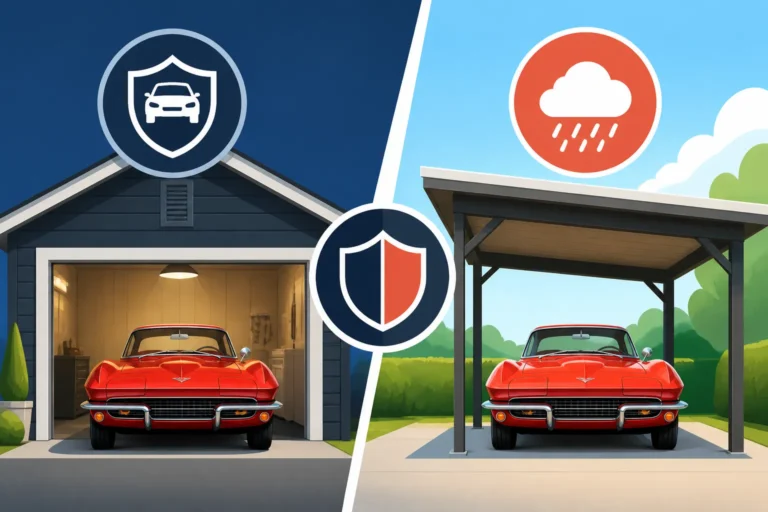
Consider a meticulous inspection or appraisal of your vehicle to accurately establish its Agreed Value. Discuss your driving habits and mileage expectations to ensure you’re on the right usage tier. Do you have valuable spare parts? Make sure you have adequate Spare Parts Coverage Explained. Are you actively restoring your car? Don't forget Restoration Coverage for Classic Cars. Even seemingly small details, like whether your garage is fully enclosed and secure (a common requirement for classic policies), can affect your coverage and rates. By actively engaging with your insurer and asking targeted questions, you can build a policy that encompasses all the protections you need, essentially creating your personalized version of "full coverage" for your unique classic. For help crafting the perfect policy, check out our resource on How to Build a Complete Classic Car Policy.
Classic vs. Standard Auto Insurance: A Quick Comparison
To help clarify why specialty classic car insurance is crucial for true "full coverage," let's look at the key differences between a standard auto policy and a dedicated classic car policy.
| Feature | Standard Auto Insurance | Classic Car Insurance (Specialty) |
|---|---|---|
| Vehicle Valuation | Actual Cash Value (ACV) – depreciated market value | Agreed Value – pre-determined, guaranteed payout |
| Primary Use | Daily commuting, errands, general transportation | Pleasure driving, shows, club events, limited mileage |
| Mileage Limits | Generally unlimited | Typically restricted (e.g., 2,500 – 7,500 miles/year) |
| Storage Requirements | No specific requirements | Often requires secure, enclosed garage storage |
| Add-on Coverages | Roadside assistance, rental car, gap insurance | Restoration, spare parts, automobilia, inflation guard |
| Repair Philosophy | Focus on functional repair, sometimes with aftermarket parts | Focus on authenticity, original parts, specialized labor |
| Driver Profile | Broad range of drivers, often includes younger drivers | Experienced drivers, good driving record |
| Premium Cost | Varies, can be high for high-value or new vehicles | Often lower than standard for similar value due to limited use |
This table clearly illustrates that while both types of insurance offer "coverage," the philosophy and specific protections are vastly different. A classic car insurance policy from a specialty provider like Hagerty is meticulously designed to protect the unique investment and passion that is a collector vehicle, ensuring that "full coverage" truly means full protection in every sense of the word. Choosing a standard policy for your classic is a gamble you simply can't afford to take.
Disclaimer
Please remember that insurance policies and their specific coverages can vary significantly between providers and depend on individual circumstances. This guide provides general information and recommendations. Always consult directly with a qualified insurance professional to discuss your specific needs and to obtain tailored advice and accurate quotes for your classic car. Review your policy documents thoroughly to understand your coverage, exclusions, and limitations.