How to Build a Complete Classic Car Policy
It's incredibly frustrating when you've invested your heart, soul, and hard-earned money into a classic car, only to find that standard auto insurance policies just don't understand its true value. You worry about a fender bender turning into a total loss because a regular insurer only sees a depreciated old car. This guide is here to walk you through exactly how to build a complete classic car insurance policy that truly protects your cherished ride, ensuring its worth is fully recognized and safeguarded.
The Core Pillars of Any Solid Classic Car Insurance Policy
When you're dealing with a classic, you're not just insuring a car; you're protecting a piece of history, a work of art, or a labor of love. This means traditional insurance just won't cut it. The foundation of any good policy for your vintage vehicle has to be built differently from the ground up to account for its unique nature and value.
Securing Your Investment with Agreed Value Coverage
This is perhaps the single most critical difference between classic car insurance and a standard policy, and frankly, it's where most regular insurers fall short. Imagine this: you've spent years restoring a beautiful 1969 Chevrolet Camaro, pouring in countless hours and a significant sum of money. If you have a standard policy and it's totaled, they'll likely only pay out the "actual cash value" (ACV), which is what a similar 1969 Camaro might be worth on the everyday used car market, factoring in depreciation. This can leave you thousands, if not tens of thousands, of dollars short of what your unique, restored vehicle is actually worth.
That sinking feeling in your stomach? That's why "Agreed Value" coverage is non-negotiable for a classic. With agreed value, you and the insurance company determine and agree upon the car's true market value before the policy even starts. This figure is based on appraisals, your restoration receipts, market trends, and the car's overall condition and rarity. If your classic is ever a total loss, the insurer pays you that exact agreed-upon amount, no questions asked, no depreciation applied. It provides immense peace of mind, knowing that your investment is fully protected at its actual worth. This is why understanding How Agreed Value Coverage Works for Collectors is so vital. This coverage makes your classic the hero of your policy, reflecting its special status. Many collectors also wonder about Agreed Value vs Stated Value vs Actual Cash Value, and the differences are crucial for protecting your investment.
Essential Protections: Liability, Comprehensive, and Collision for Your Classic
Just like any vehicle on the road, your classic needs basic protection. However, how these standard coverages apply can be a bit different when you're talking about a vintage machine.
- Liability Coverage: This is the bare minimum legally required in most states, covering damages and injuries you might cause to others in an at-fault accident. While state minimums might seem sufficient for a daily driver, consider the potential for serious damage to other vehicles or severe injuries. If you're driving a weighty classic, the damage it could inflict in an accident might exceed basic liability limits. Many collectors opt for higher liability limits, understanding that legal fees and medical costs can quickly skyrocket, even if their classic is driven sparingly. You don't want to risk your entire financial future over a Sunday drive. It's important to know your Classic Car Liability Requirements by State.
- Collision Coverage: This covers damage to your classic if it collides with another vehicle or object, regardless of who is at fault. For a classic, collision coverage on an agreed value policy ensures that if your car is repairable, the costs are covered up to the agreed value, using appropriate parts and restoration techniques, rather than cheap aftermarket alternatives. If it's totaled, you get that agreed amount. This is where agreed value truly shines for collision.
- Comprehensive Coverage: This protects your classic from non-collision events like theft, vandalism, fire, natural disasters (hail, floods, falling trees), and even hitting an animal. For many classics that spend a good amount of time stored in a garage, comprehensive coverage is paramount. While they might not be on the road often, they are still vulnerable to these risks. A classic car sitting in your garage is just as susceptible to a fire or a severe hailstorm as it is to a minor fender bender. Ensuring proper comprehensive coverage is a cornerstone of protecting your classic, especially if it's primarily a show car or a garage queen.
Specialized Coverages That Every Collector Should Consider
Beyond the core protections, specialty classic car insurers like Hagerty offer a suite of endorsements and add-ons designed specifically for the unique needs of collectors. These coverages acknowledge the passion and effort that go into owning and maintaining these special vehicles.
Navigating the Restoration Journey: Coverage for Work in Progress
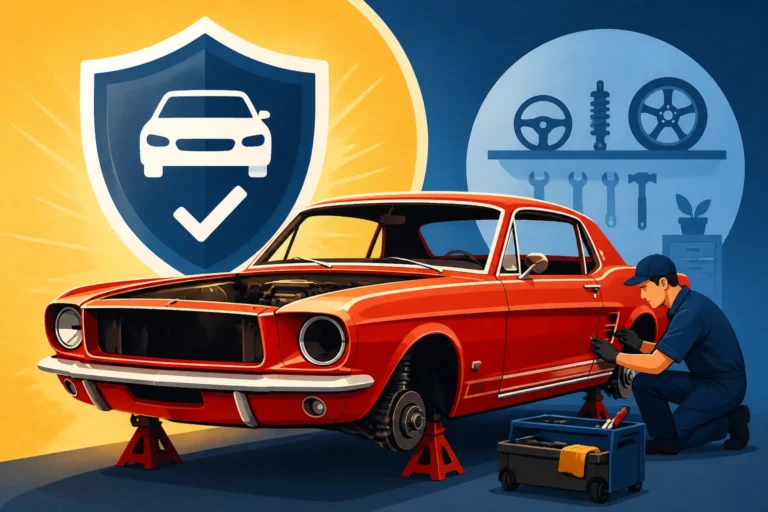
Let's face it, many classics aren't bought in pristine condition. They're project cars, barn finds, or vehicles that simply need some love and attention to bring them back to their former glory. What happens if disaster strikes during the restoration process? This is where dedicated Restoration Coverage for Classic Cars becomes indispensable.
This type of coverage is specifically designed for vehicles undergoing restoration. It recognizes that the value of your classic increases with every hour of labor and every new part you put into it. Typically, you'll establish an initial agreed value, and then, as you add parts and invest in professional labor, you can periodically update the agreed value to reflect the escalating worth of your project. This ensures that if a fire breaks out in your garage or a theft occurs while the car is in pieces, you're compensated for the car itself, plus the materials and labor already invested. It’s a vital safeguard, particularly for those long, involved builds that span months or even years.
Safeguarding Your Collection: Spare Parts, Tools, and Automobilia
Every serious classic car enthusiast knows that the car itself is just one part of the passion. You likely have a treasure trove of spare parts, specialized tools, and automobilia – from vintage signs to scale models – that represent a significant investment and hold deep sentimental value.
Standard home insurance policies usually have very limited coverage for these types of items, especially if they're detached from a primary vehicle. Specialty classic car policies often offer specific endorsements for Spare Parts Coverage for Classic Cars Explained, allowing you to insure an inventory of extra engines, transmissions, specific trim pieces, or rare NOS (New Old Stock) parts. These parts can be incredibly valuable, sometimes more so than common parts for a daily driver. Similarly, coverage for specialized tools and even your collection of automobilia ensures that your entire hobby, not just the car itself, is protected. Imagine losing a rare set of Weber carburetors or a prized racing poster in a garage fire; these specialized coverages step in where a generic policy would fail.
Peace of Mind on the Road: Roadside Assistance and Trip Interruption
Driving a classic is an experience like no other, but it can also come with its own set of anxieties. What if your vintage beauty breaks down miles from home? A standard tow truck might not know how to properly transport a classic, potentially causing further damage.
Specialty classic car insurance often includes enhanced Roadside Assistance Coverage for Classic Cars Explained that specifically mandates flatbed towing. This is crucial because traditional tow trucks that lift a car by its wheels can damage sensitive components on older vehicles. Furthermore, some policies include trip interruption coverage. If your classic breaks down far from home while on a tour or attending a show, this coverage can help with lodging, rental car, or transportation costs to get you home, making those long-distance adventures far less stressful. It truly allows you to enjoy the journey, knowing you're fully supported if an unexpected hiccup occurs.
Tailoring Your Policy to Your Unique Classic Car Lifestyle
Classic cars aren't typically daily commuters. Their usage patterns, storage needs, and even who drives them are vastly different from modern vehicles, and your insurance policy needs to reflect that reality.
Understanding Mileage and Usage Restrictions
One of the reasons classic car insurance is often more affordable than standard auto insurance is that insurers know these vehicles are driven less frequently and with more care. This typically comes with "pleasure use" and mileage restrictions.
- Pleasure Use: This means your classic isn't used for commuting to work, running errands, or general transportation. It's for leisurely drives, car shows, club events, and occasional pleasure. The Pleasure-Use Requirement Explained is a common pillar of classic policies.
- Mileage Limits: Most specialty policies offer various mileage tiers, from very limited (e.g., 1,000 miles per year) to more generous options, or even unlimited mileage policies for certain types of classics or collectors. These limits are a key factor in determining your premium. It's essential to be honest about your anticipated mileage, as exceeding your declared limit could jeopardize a claim. For instance, if you usually only take your Ford Mustang to local cruise nights, a 2,500-mile limit might be perfect. But if you're planning a cross-country road trip with your classic Chevrolet Corvette, you'll need to discuss higher or unlimited mileage options with your insurer.
The Critical Role of Proper Storage and Security
Where and how your classic is stored is a significant factor for insurance eligibility and cost. Insurers know that a vehicle kept in a secure, enclosed environment is at a much lower risk of theft, vandalism, or environmental damage.
- Enclosed Garage Requirement: Most specialty classic car insurers require that your classic be stored in a fully enclosed, locked garage when not in use. This isn't just a suggestion; it's often a policy requirement. This doesn't mean a carport or an uncovered driveway will do. The Garage Storage Requirement for Classic Cars is in place because it drastically reduces risk.
- Impact on Premiums: A secure storage location often translates to lower premiums. If your garage has additional security features, like an alarm system or 24/7 monitoring, some insurers might even offer further discounts. This requirement underscores the insurer's understanding that these cars are precious and deserve the best protection, even when stationary.
Who Can Drive Your Classic: Household Driver Considerations
Another common misconception is that anyone with a license can drive your classic car once it's insured. While primary drivers are listed, many classic car policies have specific stipulations about other household members or occasional drivers.
In general, most specialty policies prefer that the primary drivers of the classic vehicles have a clean driving record and significant driving experience. There are often rules regarding younger drivers in the household. For example, while a 17-year-old with a perfect record can be added to a regular policy for a modern car, they might not be eligible to drive a classic under a specialty policy, or doing so could significantly increase your premium or even void coverage in an incident. It's crucial to understand the Household Driver Requirements Explained by your chosen insurer to avoid any surprises down the line. If you have a teenager, for instance, and you want them to experience your 1970 Dodge Challenger, you'll need to discuss this directly with your insurer to ensure they are covered.
Crafting Your Complete Policy: The Actionable Steps
Building the perfect classic car policy isn't just about picking coverages; it's about being prepared, working with the right partners, and continually reviewing your needs.
Preparing for a Quote: What Information You'll Need
Getting an accurate and comprehensive classic car insurance quote requires more than just your VIN. You'll need to provide detailed information to help the insurer understand the unique value and characteristics of your vehicle. This usually includes:
- Detailed Photos: High-resolution pictures of the interior, exterior, engine bay, trunk, and any unique features or modifications.
- Appraisal Report: For higher-value or highly customized classics, a professional appraisal report from a qualified appraiser is often crucial for establishing the agreed value. This helps solidify the discussion about How Classic Car Appraisals Work for Insurance.
- Restoration Receipts and Documentation: If your car has undergone significant restoration, keep meticulous records of parts purchased and labor performed. These documents prove the investment you've made and support the vehicle's enhanced value.
- Vehicle History: Any provenance, awards, or significant historical details that add to its collector status.
- Storage Details: Information about your garage, including security features.
- Anticipated Usage and Mileage: Be realistic about how often and how far you plan to drive your classic.
- Driver Information: Details for all potential drivers, including driving records.
Having all this information ready will streamline the process when you're ready to How to Get a Classic Car Insurance Quote.
Partnering with the Right Specialty Insurer
This is perhaps the single most important piece of advice: do not try to insure your classic car with a standard auto insurance carrier. While major carriers like State Farm or Progressive might offer some classic car options, they rarely provide the specialized coverages, expertise, and agreed value protection that dedicated classic car insurers do.
Companies like Hagerty, Grundy, American Collectors Insurance, and others specialize exclusively in collector vehicle insurance. They understand the unique market, the restoration process, and the passion that goes into these cars. They have claims adjusters who are experts in classics and understand the cost of rare parts and specialized labor. You wouldn't trust a general practitioner to perform open-heart surgery, and you shouldn't trust a standard insurer with your classic. Exploring Best Classic Car Insurance Companies will show you why specialty carriers are the way to go. Working with a dedicated provider like Hagerty means you're dealing with people who speak your language and value your car as much as you do.
Reviewing and Customizing Your Policy Details
Once you have a quote, don't just look at the price. Dive deep into the details of the policy. This is your chance to really build a complete policy tailored to your needs.
- Deductibles: Consider your deductible options. A higher deductible might lower your premium, but ensure it's an amount you're comfortable paying out of pocket if a claim arises.
- Endorsements: Review all available endorsements and add-ons. Do you need coverage for Automobilia and Memorabilia Coverage for your vintage dealership signs? What about coverage if you frequently attend distant car shows and need Classic Car Travel and Show Coverage? Think about every scenario where your classic is exposed to risk.
- Annual Review: Your classic's value can change over time, especially after significant restoration work or if market trends shift. Make it a habit to review your policy annually with your insurer. This is crucial for updating your agreed value, adding new parts coverage, or adjusting mileage limits. Many collectors forget to How to Increase Agreed Value at Renewal and end up underinsured. A complete policy isn't a "set it and forget it" kind of deal; it's a dynamic document that needs to evolve with your classic and your collector journey. Use resources like How to Compare Classic Car Insurance Quotes to ensure you're getting the best possible coverage and value for your unique needs.
| Coverage Type | What It Covers | Why It's Crucial for Classics |
|---|---|---|
| Agreed Value | Predetermined payout if totaled. | Protects true market value, not depreciated ACV. |
| Liability | Damages/injuries you cause to others. | Legal requirement, higher limits advised for classics. |
| Collision | Damage to your classic from an accident. | Repairs or total loss payout based on agreed value. |
| Comprehensive | Damage from non-collision events (theft, fire). | Protects stored classics from various risks. |
| Restoration | Increases coverage as car's value grows. | Essential for project cars; protects investment. |
| Spare Parts | Theft or damage to valuable spare components. | Safeguards valuable, often rare, inventory. |
| Roadside Assistance | Flatbed towing, specialized help. | Prevents further damage during transport/breakdown. |
| Trip Interruption | Expenses if breakdown occurs far from home. | Peace of mind for tours, shows, and road trips. |
Disclaimer
The information provided in this guide is for general informational purposes only and does not constitute professional insurance advice. Insurance policies vary by provider and individual circumstances. Always consult with a licensed insurance professional to discuss your specific needs and to obtain personalized recommendations and quotes.