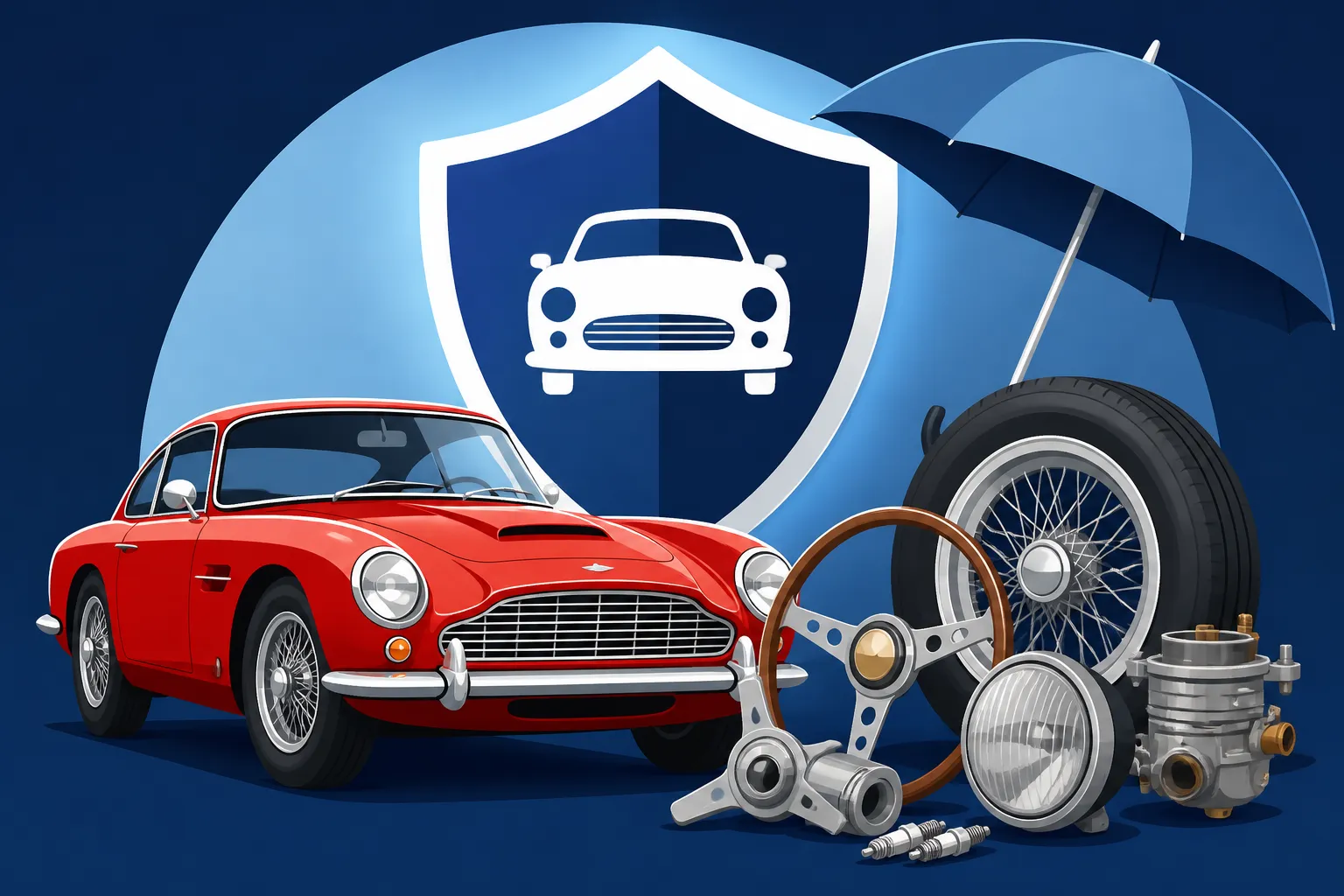
How to Insure Automobilia and Spare Parts
It’s a common scenario for classic car enthusiasts: you’ve poured your heart and soul, not to mention a significant investment, into your beloved vehicle. But what about all those precious pieces that aren't in the car? The rare owner's manuals, the vintage gas station signs, the boxes of New Old Stock (NOS) parts patiently waiting for their moment in the spotlight? Many collectors mistakenly assume their standard classic car policy, or even their homeowner's insurance, will automatically cover these invaluable treasures. The truth is, it's often far more complex, leaving you vulnerable to significant financial loss if you don't take specific steps to protect them. This guide will walk you through the nuances of insuring your automobilia and spare parts, ensuring your entire collection is properly protected.
The Unique Challenge of Insuring Collectible Car Memorabilia and Parts
When you think about insuring your classic, your mind usually goes straight to the car itself – the polished chrome, the roaring engine, the pristine paint job. And rightfully so! But the world of classic car ownership often extends far beyond the vehicle to a treasure trove of related items. These items, collectively known as automobilia and spare parts, represent not just sentimental value but often a substantial financial investment that can be easily overlooked by conventional insurance.
Why Standard Policies Fall Short
The biggest hurdle for collectors is realizing that your standard insurance policies simply aren't designed for the unique nature and value of automobilia and spare parts. Your typical homeowner's insurance policy, for example, might offer some coverage for personal property, but it almost always comes with strict limitations, especially for high-value collectibles. Imagine discovering your vintage Shelby Cobra advertising poster, valued at thousands, is only covered up to a few hundred dollars under your standard policy's "collectibles" sub-limit. It's a gut punch, right? These policies are built for everyday items, not the unique, often irreplaceable pieces that make up a classic car collection.
Similarly, your everyday auto insurance, or even a basic classic car policy focused solely on the vehicle itself, offers little to no protection for uninstalled parts or memorabilia. That meticulously rebuilt engine sitting on a stand in your garage, awaiting its installation into your project car, isn't covered by the policy for the vehicle it's intended for. It's not yet part of the car, so it's not typically included in the vehicle's "agreed value." This creates a significant gap, leaving many collectors unknowingly exposed to substantial risk.
The Real-World Risk to Your Collection
The risks associated with owning automobilia and spare parts are very real and often heartbreaking. Consider the numerous ways these items can be lost or damaged. Theft is a constant concern; a garage break-in isn't just about the car, but also about the valuable tools, parts, and memorabilia stored alongside it. An individual could easily walk off with a box of rare carburetors or a valuable vintage dashboard clock, items that can be difficult to replace and carry significant monetary value.
Beyond theft, items can suffer damage during transport to a car show, while being moved around your garage, or even at an event itself. Think about that rare grille or a set of original hubcaps that tumble out of your truck bed on the way to the upholsterer. Fire, flood, or natural disasters can also wreak havoc on a stored collection. If your garage floods, those precious boxes of NOS trim pieces sitting on the floor could be utterly destroyed, and without specialized coverage, you'd be left to absorb the loss entirely. The peace of mind that comes with knowing your entire collection, not just the car, is protected is truly invaluable.
Defining Automobilia and Spare Parts for Insurance Purposes
Before you can effectively insure your collection, it's crucial to understand how insurance providers generally categorize "automobilia" and "spare parts." These terms, while often used interchangeably by enthusiasts, have distinct meanings in the world of insurance, and understanding the difference can significantly impact your coverage options.
What is Automobilia?
Automobilia refers to a broad category of collectible items that are related to classic cars and car culture but are not actual working parts of a vehicle. These are the decorative, historical, or promotional pieces that enhance a collection, tell a story, and often hold significant value in their own right. Think about the vintage gas station signs that adorn your garage walls, the original sales brochures from the 1960s for your favorite muscle car, or rare dealer promotional items.
Examples of automobilia commonly insured include:
- Vintage signs and advertising: Neon signs, porcelain signs, tin signs for gas stations, tire companies, or specific car models.
- Model cars and toys: High-end die-cast models, rare pedal cars, or vintage promotional models.
- Art and posters: Original automotive artwork, limited-edition prints, or vintage racing posters.
- Historical documents: Original owner's manuals, factory service manuals, period photographs, racing programs, or car show memorabilia.
- Gas pumps and garage equipment: Restored vintage gas pumps, oil cans, or antique tools displayed as part of a collection.
The key distinction for automobilia is that these items are typically not installed on the vehicle, nor are they intended to be. They are collected and valued for their intrinsic beauty, rarity, historical significance, or connection to automotive history. When considering "Automobilia and Memorabilia Coverage", you're looking to protect these unique, often irreplaceable artifacts.
What are Spare Parts?
Spare parts, on the other hand, are components intended for installation on a vehicle. These can range from a full engine or transmission to small trim pieces, electrical components, or body panels. The value of spare parts can be incredibly diverse, from a common reproduction part to an extremely rare, New Old Stock (NOS) component that hasn't been manufactured in decades.
Types of spare parts that collectors often need to insure include:
- New Old Stock (NOS) parts: These are original, unused parts from the period a classic car was manufactured. They are often highly sought after and can command premium prices. Examples might include an NOS carburetor for a 1969 Camaro or a pristine dashboard trim piece for a 1957 Chevrolet Bel Air.
- Used or reconditioned parts: Fully functioning components that have been removed from another vehicle or professionally rebuilt. This could be a vintage transmission, a set of chrome bumpers, or an original radio.
- Major assemblies: Complete engine blocks, cylinder heads, transmissions, rear axles, or suspension components. These items often represent a significant investment and are critical for a restoration project.
- Smaller components: Electrical wiring harnesses, rare switches, lenses, badges, interior trim, or specialized fasteners.
The crucial difference for insurance purposes is whether these parts are currently installed on your insured classic car or if they are stored separately. If they're on the car, their value is typically rolled into the vehicle's overall agreed value. If they are stored separately, for future use, as an investment, or for a car undergoing "How to Insure a Car Under Restoration", they require distinct coverage. It's especially important to understand that if you have a collection of parts for multiple cars, or parts you're holding onto as investments, these will need specific attention beyond a single vehicle's policy.
Specialized Coverage Options for Your Collection
Understanding the difference between automobilia and spare parts sets the stage for exploring the specialized insurance options available. Relying on standard policies is a gamble, and dedicated coverage from a specialty insurer is truly the only way to ensure your cherished items are adequately protected.
Dedicated Automobilia and Memorabilia Coverage
For your non-car, car-related treasures, dedicated automobilia and memorabilia coverage is a game-changer. This isn't just an afterthought; it's a specific type of coverage designed to protect the unique value and nature of these items. Specialty insurers like Hagerty recognize that a rare racing helmet or an original factory blueprint holds a value far beyond its material worth.
Here’s how it typically works:
- Separate Policy or Endorsement: Often, this coverage is offered as an endorsement or an add-on to your existing classic car policy, but it can also be a standalone policy if your collection is extensive or you don't own a classic vehicle yourself. It's essentially creating a distinct insurance blanket for these specific items.
- Agreed Value for Unique Items: This is perhaps the most critical aspect. Just like with your classic car, a good automobilia policy will offer "Agreed Value Coverage Explained" for individual items or the entire collection. This means you and the insurer agree on the value of each item (or the total value of your collection) before the policy is issued. If a covered loss occurs, you receive that agreed-upon amount, without depreciation. This is vital because the market value for unique collectibles can fluctuate, and you don't want an insurer determining value after a loss when it might be difficult to get an accurate appraisal.
- Coverage for Display, Transit, and Storage: These policies are designed for how collectors live with their items. They cover losses that occur while your automobilia is on display in your garage, safely stored in a climate-controlled facility, or even while being transported to a local car show or a specialized auction. If you're moving a fragile vintage sign to a new display location, you want to know it's protected during transit.
- Specific Exclusions and Deductibles: While robust, these policies will have specific exclusions (e.g., normal wear and tear, inherent vice) and deductibles, just like any other insurance. Make sure you understand these details by reviewing the policy language carefully.
Imagine you have a signed poster from the 1965 Le Mans race. Without this specific coverage, if it gets damaged in a leaky basement or stolen during a move, your standard homeowner's policy would likely give you pennies on the dollar, if anything. With a dedicated automobilia policy, you'd have an agreed value of, say, $5,000 for that poster, and that's what you'd receive.
Comprehensive Spare Parts Coverage
When it comes to the engines, transmissions, and boxes of rare trim pieces you've accumulated, "Spare Parts Coverage Explained" is essential. This coverage is distinct from automobilia because these items are intended to become part of a vehicle, even if they aren't currently installed.
Key features of comprehensive spare parts coverage include:
- Protecting Valuable Components: This coverage ensures that high-value components like a meticulously rebuilt engine for a classic Porsche 911 or a complete original interior for a vintage Ford Mustang are protected against theft, damage, or other covered perils. These aren't just parts; they are often investments equal to or exceeding the value of many daily drivers.
- Coverage During Restoration: If you're deep into a restoration project, having spare parts coverage is crucial. As a car undergoes restoration, its value often increases incrementally. Parts purchased for the project, but not yet installed, are covered under this provision, complementing your "Restoration Coverage for Classic Cars" policy. This means if you buy a new old stock (NOS) fender for your project and it gets dinged while in storage awaiting installation, it's covered. Understanding "How to Prove Restoration Costs to an Insurer" can be critical here for valuation.
- Specific Limits and Valuation: Insurers will typically offer a specific coverage limit for your spare parts collection. You might have a blanket limit for all parts, or you might need to list higher-value individual components separately, similar to how an "Agreed Value Coverage Explained" policy works for a vehicle. It's important to understand if the coverage is for replacement cost (what it would cost to buy a new part) or actual cash value (replacement cost minus depreciation, which you want to avoid for classics).
- The Difference for Collectors with Many Parts: For serious collectors who accumulate spare parts for multiple vehicles or even as investments (e.g., a stash of rare carburetors that fit various models), the coverage needs to be robust. Some policies might have sub-limits that don't adequately cover a vast inventory. Discussing your specific needs with a specialty insurer is vital to ensure you don't hit an unexpected cap.
This kind of coverage ensures that the considerable financial and emotional investment in parts that are integral to your hobby is never left vulnerable. Without it, losing a valuable, hard-to-find part could derail a restoration project or significantly devalue your finished classic.
Valuing and Documenting Your Automobilia and Parts
One of the most critical, yet often overlooked, steps in insuring your automobilia and spare parts is proper valuation and documentation. Without a clear record of what you own and what it's worth, even the best insurance policy might not pay out what you truly deserve after a loss.
The Importance of Accurate Valuation
Determining the true value of your automobilia and spare parts isn't always straightforward. Unlike a new car with a readily available MSRP, classic car items often have values driven by rarity, condition, historical significance, and market demand.
Here's how to approach accurate valuation:
- Appraisals for High-Value Items: For truly rare or expensive pieces of automobilia (e.g., original artwork, a restored vintage gas pump, or an extremely rare NOS engine block), a professional appraisal is indispensable. Just like you would get an appraisal for your classic car to establish its "Agreed Value Coverage Explained", the same principle applies here. An appraiser specializing in automotive collectibles can provide a certified document detailing the item's condition, authenticity, and market value. This third-party validation holds significant weight with insurers.
- Market Research for Common Parts: For more common, but still valuable, spare parts (e.g., standard replacement body panels, exhaust systems, or interior components), consistent market research can help establish value. Look at recent sales on reputable classic car parts websites, auction results (like eBay Motors completed listings or Bring a Trailer archives), or price guides from specialized vendors.
- Keeping Receipts and Purchase Records: This is perhaps the most fundamental piece of documentation. Hold onto every receipt for every part, piece of memorabilia, or tool you purchase. This acts as concrete proof of your investment. If you bought an item years ago, the original receipt might not reflect its current appreciated value, but it establishes ownership and initial cost.
- Documenting Restoration Costs: If you're restoring a part yourself or having it professionally restored (e.g., re-chroming bumpers, rebuilding a carburetor), keep meticulous records of all costs involved – labor, materials, shipping. This documentation is crucial for showing the increased value of the part, especially when demonstrating "How to Prove Restoration Costs to an Insurer" for a project car.
Remember, an insurer's primary goal is to assess risk and determine appropriate coverage. Providing them with thorough, credible valuation evidence upfront makes the process smoother and ensures you get the coverage you need.
Creating a Detailed Inventory
An organized, comprehensive inventory of your automobilia and spare parts is your best defense against undervaluation or disputes during a claim. Think of it as a living document that constantly evolves with your collection.
Here’s what a detailed inventory should include:
- Photographs: Take clear, high-resolution photos of every item. For parts, photograph all sides, any serial numbers, part numbers, and any unique identifiers. For automobilia, capture the entire item, any signatures, dates, or unique markings. Before-and-after photos of restored parts can also be very helpful.
- Detailed Descriptions: For each item, write a thorough description. Include:
- Item Name: (e.g., "NOS Ford Mustang GT Left Fender")
- Part Number/SKU: If applicable.
- Condition: (e.g., "New Old Stock, still in original packaging," "Professionally restored, show quality," "Used, good condition with minor pitting.")
- Provenance/History: Where and when you acquired it, any unique story or rarity.
- Estimated Value/Appraised Value: The value you're claiming for insurance purposes.
- Date of Valuation: When that value was determined.
- Serial Numbers/Unique Identifiers: Many major components (engines, transmissions, certain gauges) have serial numbers. Record these meticulously. For limited-edition prints or signs, note any edition numbers or artist signatures.
- Digital vs. Physical Records: Maintain both. Keep a digital copy of your inventory (spreadsheets, cloud storage, specialized collection management software) and a physical hard copy stored securely off-site (e.g., a safety deposit box). If your garage and home are destroyed, you'll still have access to your records.
- Regular Updates: Your collection changes. You acquire new items, sell others, or complete restorations that increase a part's value. Make it a habit to update your inventory at least annually, or immediately after a significant acquisition or restoration. This helps you maintain the appropriate coverage amount and ensures you don't fall victim to underinsurance.
Here’s a simple table structure that can help you organize your inventory:
| Item Type | Detailed Description & Condition | Part No./Serial No. (if applicable) | Acquisition Date | Purchase Price | Appraised Value (if applicable) | Photo/Scan Location |
|---|---|---|---|---|---|---|
| Automobilia | 1950s Mobil Pegasus porcelain sign, 36", excellent condition | N/A | 2018-05-12 | $2,500 | $3,200 (2023 appraisal) | Google Drive/Safe Deposit Box |
| Spare Part | NOS Ford Mustang 289 K-code cylinder head | C7ZZ-6049-A | 2020-09-01 | $1,800 | $2,500 (2022 market check) | Google Drive/Safe Deposit Box |
| Automobilia | Original 1970 Plymouth Hemi 'Cuda dealer brochure | N/A | 2022-03-15 | $350 | N/A | Google Drive/Safe Deposit Box |
| Spare Part | Restored 1967 Corvette 427 Tri-Power carburetor set | Holley List #3910 (x3) | 2021-07-20 | $1,500 | $2,000 (2023 restoration cost) | Google Drive/Safe Deposit Box |
Proper documentation is a time investment, but it's an investment that pays dividends in peace of mind and financial security. It helps prove the value of your possessions to your insurer and ensures you receive fair compensation if the unthinkable happens.
Selecting the Right Insurance Provider
Choosing the right insurance provider for your automobilia and spare parts is just as critical as selecting coverage for your classic vehicle. Not all insurers are created equal when it comes to the specialized needs of collectors.
Why Specialty Insurers are Key
When you're dealing with items of unique value, rarity, and historical significance, a generic insurance company often won't cut it. Specialty insurers live and breathe the classic car world, and that expertise translates directly into superior coverage for your automobilia and parts.
Here’s why they stand out:
- Understanding Unique Risks: Companies like Hagerty or American Collectors Insurance aren't just selling policies; they understand the passion and investment behind these items. They know the difference between a reproduction part and a New Old Stock original, and they understand why a vintage advertisement might be worth hundreds or thousands of dollars. This understanding means they're better equipped to assess the true risk and offer appropriate coverage, rather than lumping your rare items into generic categories with low limits.
- Experience with Valuation of Obscure Items: Specialty insurers have teams of experts, or access to them, who can help with the valuation of obscure or hard-to-price items. They have databases of sales, historical data, and a network of appraisers familiar with the collector market. This is invaluable when you're trying to put a figure on a one-of-a-kind piece or a component that rarely comes up for sale. When you get a quote from these providers, they often walk you through the valuation process, unlike standard carriers who might just ask you for a lump sum. This expertise helps prevent you from underinsuring your treasures.
- Tailored Policies: Unlike standard carriers who might try to fit your collectibles into a "personal articles floater" that may or may not be adequate, specialty insurers offer policies specifically designed for "Automobilia and Memorabilia Coverage" and "Spare Parts Coverage Explained." They understand that these items need protection during storage, display, and transit, not just when they're attached to a vehicle. This means their policies are much more flexible and comprehensive for collectors. If you're looking for the "Best Specialty Classic Car Insurers", these dedicated providers should be at the top of your list.
What to Look for in a Policy
Once you've narrowed down your choices to specialty insurers, it's time to dig into the details of their offerings. Not every policy will be identical, and knowing what questions to ask can make all the difference when you "How to Compare Classic Car Insurance Quotes."
Here are key aspects to scrutinize:
- Agreed Value for Individual Items: Reiterate the importance of agreed value. Does the policy offer this for individual high-value items within your automobilia or spare parts collection? Or is it a blanket coverage amount that might not fully compensate you for your most prized possessions? For instance, if you have a collection of antique tools, you might want "Tools and Equipment Coverage for Collectors" with an agreed value for a rare, specialized piece.
- Transit, Show, and Event Coverage: Does the policy cover your items when they're not just sitting in your garage? If you're taking a valuable sign to a local car show or shipping a rare engine across the country, is it protected against damage or theft during transit? Many specialty policies include this automatically, but it's crucial to confirm.
- No Depreciation on Parts: For spare parts, particularly NOS or meticulously restored components, you absolutely want coverage that doesn't factor in depreciation. The goal is to be able to replace the item with one of comparable quality and condition, not to receive a depreciated amount that leaves you short. This is often a core benefit of classic car insurance over regular policies, and it should extend to your parts.
- Understanding Exclusions and Limits: Every policy has exclusions. What specifically is not covered? Are there specific limits on certain types of items, or geographical restrictions? For example, some policies might not cover items stored in an open carport versus a locked garage. Also, understand your deductible options – a higher deductible might lower your "How Much Does Classic Car Insurance Cost" but means more out-of-pocket expense in a claim.
- Multi-Vehicle or Collection Discounts: If you're insuring multiple classic cars, inquire if bundling your automobilia and spare parts coverage with your vehicle policies offers any discounts or streamlined management. Specialty insurers are often adept at handling multi-car collector policies, and this can extend to other parts of your collection.
- Ease of Documentation and Claim Process: How easy is it to submit your inventory and valuations? And, importantly, what is their claims process like for these specific items? You want an insurer with a reputation for fair and efficient claims handling when it matters most.
By asking these questions and thoroughly reviewing your options, you'll be well on your way to securing comprehensive and effective insurance for all your automobilia and spare parts, giving you the ultimate peace of mind.
Disclaimer
Please note that this article is intended for informational purposes only and does not constitute professional financial or insurance advice. Insurance policies and requirements can vary significantly based on your specific circumstances, location, and the unique nature of your collection. It is always recommended to consult with a qualified insurance professional specializing in classic and collector car insurance to discuss your individual needs and to obtain a personalized quote. Always read your policy documents carefully to understand your coverage, limits, and exclusions.