How to Add a Collection to One Policy
For many classic car enthusiasts, the joy of collecting often comes with the headache of managing multiple insurance policies. Juggling different renewal dates, varying coverage limits, and confusing policy documents for each beloved vehicle can quickly turn a passion into a chore, leaving you feeling overwhelmed and disorganized. This comprehensive guide is here to walk you through the practical steps of consolidating your cherished classic car collection onto a single, streamlined insurance policy, simplifying your life and ensuring all your automotive treasures are properly protected.
Why Consolidate Your Classic Car Insurance Collection?
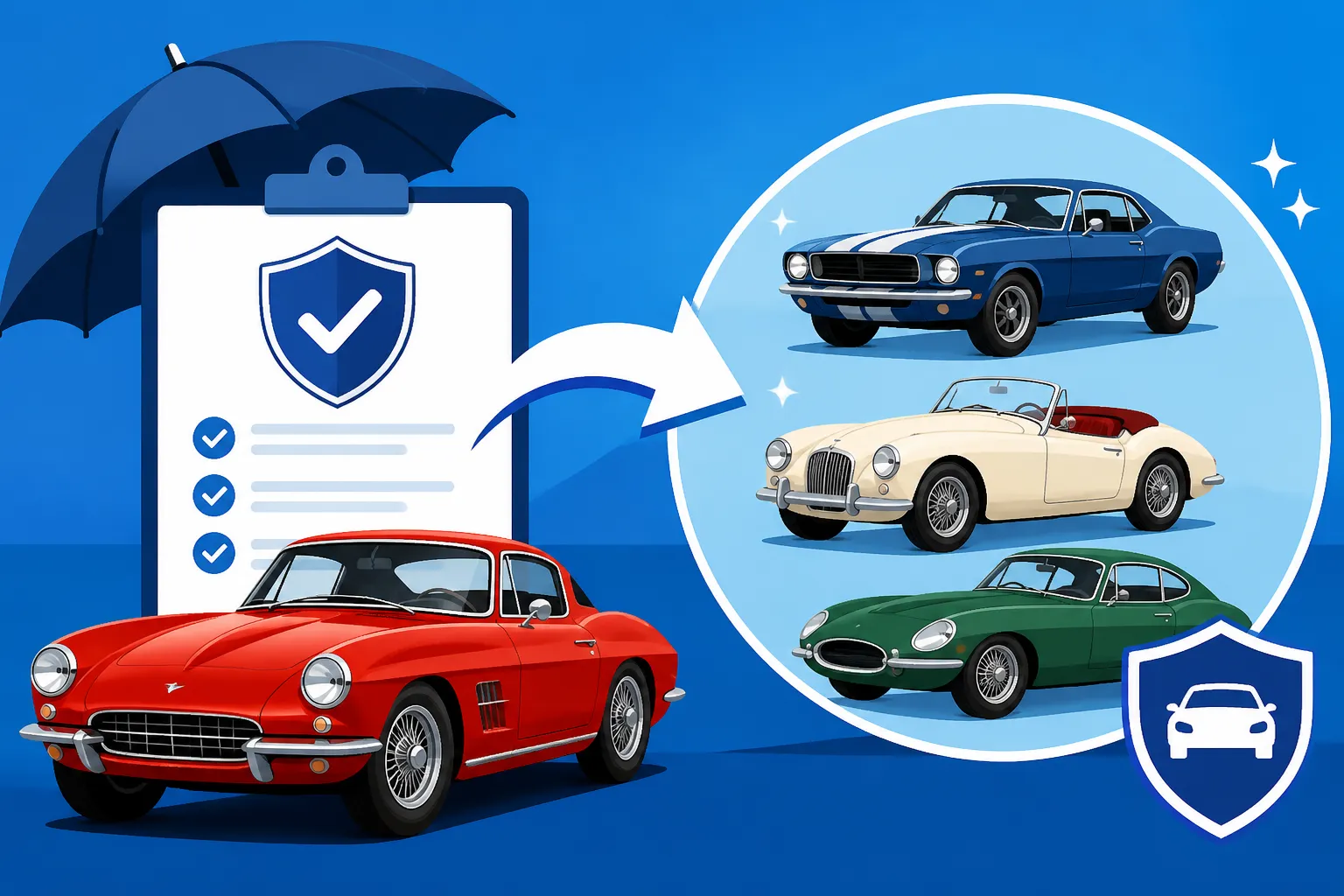
It's a common scenario: you started with one classic, then another caught your eye, and before you knew it, you have a small fleet. Each car might have been insured separately as you acquired it, leading to a patchwork of policies. But there's a much smarter way to manage your prized possessions, and it starts with understanding the real benefits of bringing them all under one umbrella.
Streamlined Administration
Imagine having one contact person, one set of paperwork, and one renewal date for every single classic car you own. The administrative burden of separate policies can be a real drag, eating into the precious time you'd rather spend in the garage or on the open road. Consolidating your policies means fewer calls, less mail, and a single point of contact for all your questions and needs. This makes life so much easier, especially if you have a busy schedule or a growing collection. Think about the mental clarity that comes from knowing exactly where everything stands with your insurance, without having to dig through a pile of documents for each individual vehicle. A single policy for your collection often means a single annual premium payment, simplifying your financial planning as well.
This streamlined approach also extends to claims. If, heaven forbid, something happens to one of your vehicles, dealing with a single insurer for your entire collection means a more cohesive claims process. You won't be navigating different company procedures or explaining your collector status to multiple adjusters. Instead, your dedicated classic car insurer will already understand your passion and the specific needs of your collection, making any necessary claims smoother and less stressful. This peace of mind is invaluable for any serious collector.
Potential Cost Savings
One of the most compelling reasons to consolidate your collection onto a single policy is the potential for significant cost savings. Many specialty classic car insurance providers offer what's known as a "multi-car collector policy," specifically designed for enthusiasts with several vehicles. These policies often come with attractive discounts that aren't available when you insure each car individually with standard auto insurance companies. These savings are a huge benefit and can free up funds for restoration projects, parts, or even adding another vehicle to your collection.
The logic behind these discounts is simple: classic car insurers recognize that collectors typically take exceptional care of their vehicles, drive them sparingly, and store them securely. When you have multiple classics, it reinforces the idea that these are cherished assets, not daily drivers. Insurers like Hagerty are well-versed in this aspect of the collector car market and structure their policies, including Multi-Car Discount for Classic Collections, to reflect this lower risk profile. By combining your vehicles, you present a clearer picture of your responsible ownership to the insurer, often leading to more favorable rates across the board.
Consistent Coverage Terms
Trying to compare apples to oranges when it comes to coverage across different policies can be a nightmare. One policy might offer robust Agreed Value Coverage Explained, while another might default to a less favorable "Actual Cash Value" or "Stated Value" that could leave you shortchanged in the event of a total loss. Consolidating your collection ensures that all your vehicles are protected under the same, consistent terms, tailored specifically for classic cars.
This consistency means you can rest assured that every car in your collection, from your concours-ready showpiece to your weekend cruiser, benefits from the same high level of protection. You'll typically get agreed value coverage for all vehicles, roadside assistance that understands how to transport a classic, and often, even coverage for spare parts or vehicles under restoration. This eliminates the risk of finding out too late that one of your beloved classics was underinsured or lacked a critical endorsement simply because it was on a different policy with different terms. It truly simplifies understanding What Does Classic Car Insurance Cover for your entire fleet.
Eligibility and Requirements for a Multi-Car Collector Policy
So, you're convinced that consolidating is the way to go. But what exactly do classic car insurance companies look for when you want to add a collection to one policy? It's not as simple as just saying, "I have five cars." There are specific criteria regarding the vehicles themselves, your role as a collector, and how you store and use your cars. Understanding these Requirements for a Multi-Vehicle Collection Policy is crucial.
Vehicle Eligibility
Not every old car automatically qualifies for a collector policy, even if you cherish it. Specialty insurers have specific definitions for what constitutes a "classic," "antique," or "vintage" vehicle. Generally, vehicles must be of a certain age, typically 25 years or older, though some insurers might consider "modern classics" or "youngtimers" that are 15-24 years old, especially if they are rare or unique. The car should also be maintained in excellent condition or actively undergoing restoration, showing its collectible value.
The type of vehicle also plays a role. While muscle cars, pre-war antiques, and vintage sports cars are common inclusions, some policies might also cover classic trucks, motorcycles, or even kit cars and replicas if they meet specific criteria. Your insurer will want to know the make, model, year, and condition of each vehicle you wish to include. It’s also important to note that vehicles with significant modifications might need special approval or a different type of policy. Each vehicle is assessed individually, even within a collection, to ensure it aligns with the insurer's definition of a collectible asset worthy of specialized coverage.
Collector and Storage Requirements
Beyond the cars themselves, insurers are keenly interested in the owner and how the collection is housed. You, the collector, are usually expected to have a primary vehicle for daily use that is separately insured. The classics in your collection are generally not intended for regular commuting or errands. This is a fundamental aspect of classic car insurance – it's designed for pleasure use, not everyday transportation. The fewer miles you put on your classics, the lower the risk in the insurer's eyes, and this often translates into more affordable premiums for your How Mileage Limits Affect Cost.
Storage is another critical factor. Most specialty classic car insurers require that your vehicles be stored in a secure, enclosed, and locked facility, such as a private garage or a professional storage facility. Parking your priceless '67 Mustang convertible out on the street or under a carport usually won't cut it. They want to see that you're taking every reasonable precaution to protect your investment from theft, vandalism, and the elements. Some policies may even require fire suppression systems or advanced security measures for extremely high-value collections. The insurer wants to minimize risk, and secure storage is a major component of that.
Appraisal and Valuation Process
When you're insuring a collection, accurately valuing each vehicle is paramount. Unlike regular cars, classic cars often appreciate in value, and their market worth can fluctuate based on condition, rarity, and provenance. This is why the "agreed value" model is so critical for classic car insurance. It means you and the insurer agree on a specific value for each car before the policy begins. In the event of a total loss, you receive that agreed-upon amount, no questions asked.
To establish this agreed value for your collection, insurers might require a professional How to Get a Classic Car Appraisal. An appraisal from a certified expert provides an objective, detailed assessment of each vehicle's condition, originality, and market value. It typically includes photographs, a description of the car's features, and documentation of any restoration work or historical significance. While some insurers, like Hagerty, might be able to establish an agreed value based on their extensive valuation databases and your provided details for lower-value vehicles, a formal appraisal becomes increasingly important for rare, highly modified, or high-value classics. This upfront investment ensures that you're not left underinsured should the unthinkable happen.
The Step-by-Step Process to Add Your Collection
Okay, you've got your ducks in a row and understand the requirements. Now, let's talk about the practical steps to actually get your classic car collection consolidated onto a single, comprehensive policy. It’s a straightforward process, but it requires a bit of organization on your part.
Gather Your Documentation
Before you even pick up the phone or go online for a quote, you'll save yourself a lot of time and potential headaches by having all your ducks in a row. For each vehicle you want to include in your collection policy, gather the following:
- Vehicle Information: Make, model, year, VIN (Vehicle Identification Number), current mileage, and any significant modifications.
- Proof of Ownership: Titles or registration documents for each car.
- Photos: Recent, clear photographs of each vehicle, showing its interior, exterior, engine bay, and any specific features or flaws.
- Maintenance and Restoration Records: Documentation of significant repairs, upgrades, or professional restorations can help bolster your valuation.
- Appraisal Reports: If you've had any of your cars professionally appraised, these reports are invaluable for establishing agreed value.
- Storage Details: Information about where your vehicles are stored (e.g., private garage, locked facility, security features).
- Driver Information: Details for all household members who might drive the vehicles, including their driving records.
Having this information readily available will make the quote process much smoother and faster. It also demonstrates to the insurer that you're a serious and organized collector, which can positively impact your experience.
Choosing the Right Specialty Insurer
When it comes to insuring a classic car collection, a standard auto insurance company just won't cut it. They often don't understand the unique needs and value proposition of collector vehicles. You need a specialty insurer that lives and breathes classic cars. Companies like Hagerty, Grundy, American Collectors Insurance, and others specialize in this niche, offering policies specifically designed for collectors. They understand the "agreed value" model, have expertise in classic car valuation, and offer tailored coverages that standard insurers simply don't.
Researching Best Specialty Classic Car Insurers is a crucial step. Look for companies with a strong reputation in the collector car community, excellent customer service, and a deep understanding of multi-car collections. It’s wise to get quotes from a few different providers to compare not just prices, but also the specific coverage options, deductibles, and any unique perks they offer. When discussing your collection, be very clear about your usage (pleasure, shows, touring), your storage conditions, and any special coverage needs you might have, such as Spare Parts Coverage Explained or Restoration Coverage for Classic Cars. Asking specific questions about how they handle agreed value for multiple vehicles and their claims process for collections is key.
Reviewing Your Consolidated Policy
Once you've chosen an insurer and received a quote, don't rush into signing on the dotted line. Take your time to thoroughly review the entire policy document. This is where the devil is in the details. Ensure that each vehicle is listed correctly with its agreed value. Confirm that all the specific coverages you discussed, such as comprehensive, collision, liability, and any endorsements like roadside assistance or inflation guard, are accurately included.
Pay close attention to mileage limits, driver restrictions, and any exclusions that might apply. For example, some policies might exclude track use or certain types of events. Understanding these terms upfront will prevent any unpleasant surprises down the road. If anything is unclear, don't hesitate to ask your agent for clarification. This is your investment, and you deserve to understand exactly how it’s protected. A thorough review will ensure your consolidated policy truly provides the peace of mind you sought when you decided to How to Insure Multiple Classic Cars.
Common Pitfalls and How to Avoid Them
Even with the best intentions, collectors can sometimes stumble when it comes to insuring their prized possessions. Being aware of these common pitfalls can help you steer clear of problems and ensure your collection is always adequately protected.
Underinsuring Your Assets
Perhaps the most significant mistake a classic car collector can make is underinsuring their vehicles. It’s tempting to try and save a few dollars on premiums, but if you don't accurately value your cars, you could face a devastating financial loss in the event of theft, damage, or a total write-off. Remember, standard auto policies use actual cash value, which depreciates your car's value over time. For a classic, this means you might get back significantly less than what the car is truly worth or what it would cost to replace.
This is why the agreed value policy is so crucial for every car in your collection. Work closely with your insurer, and if necessary, invest in a professional appraisal to determine an accurate, agreed-upon value for each classic. Don't be shy about revisiting this value periodically, especially if you've completed a major restoration, the market value of your particular model has surged, or you've made significant upgrades. An annual check-in is a good idea to ensure your How Agreed Value Is Determined reflects the current reality. It’s far better to pay a slightly higher premium for proper coverage than to regret being underinsured after a loss.
Overlooking Specific Coverage Needs
A basic multi-car policy is a great start, but classic car ownership often comes with unique circumstances that require specialized endorsements. Simply having collision and comprehensive might not be enough. For instance, if you're actively restoring a project car, standard coverage might not fully protect the investment you're pouring into it. Restoration coverage specifically accounts for the increasing value of a car as it undergoes work, protecting parts and labor costs.
Think about how you use your collection. Do you travel to distant car shows or participate in tours and rallies? Look into Trip Interruption Coverage for Classic Cars or specialized event coverage. Do you have a treasure trove of original spare parts? Ensure your policy includes separate coverage for them, as they might not be covered under the vehicle’s agreed value. Even basics like roadside assistance need to be specialized for classics, ensuring a flatbed tow truck is dispatched, not a hook-and-chain wrecker that could damage your vintage beauty. Don't assume anything is covered; always ask about these specific scenarios and add the necessary endorsements to your policy.
Neglecting Policy Updates
The world of classic cars is dynamic. Values change, restoration projects are completed, new parts are acquired, and sometimes, unfortunate incidents occur. A common oversight is treating your insurance policy as a "set it and forget it" item. Neglecting to update your policy can lead to being underinsured or, in some cases, paying for coverage you no longer need. For instance, if you finish a multi-year restoration on a vehicle, its value will likely have increased significantly. If you don't update its agreed value, you're leaving money on the table if a claim occurs.
Similarly, if you sell a car from your collection or acquire a new one, your insurer needs to know immediately. Failing to inform them about a new acquisition means it might not be covered, and not removing a sold vehicle means you're still paying premiums unnecessarily. Life changes, and your collection changes with it. Make it a habit to review your policy at least once a year with your agent, especially at renewal time. This is also a good opportunity to discuss any new discounts you might be eligible for or to adjust your Classic Car Insurance Deductible Options. Proactive communication with your insurer is key to maintaining optimal and appropriate coverage for your entire collection.
Disclaimer
Please remember that this article provides general information and guidance regarding classic car insurance. Insurance policies and requirements can vary significantly based on your specific vehicles, location, and individual circumstances. It is always recommended to consult directly with a qualified insurance professional or specialty classic car insurance provider to discuss your unique needs and obtain personalized advice and quotes.