How to Keep Regular Insurance While Adding Classic
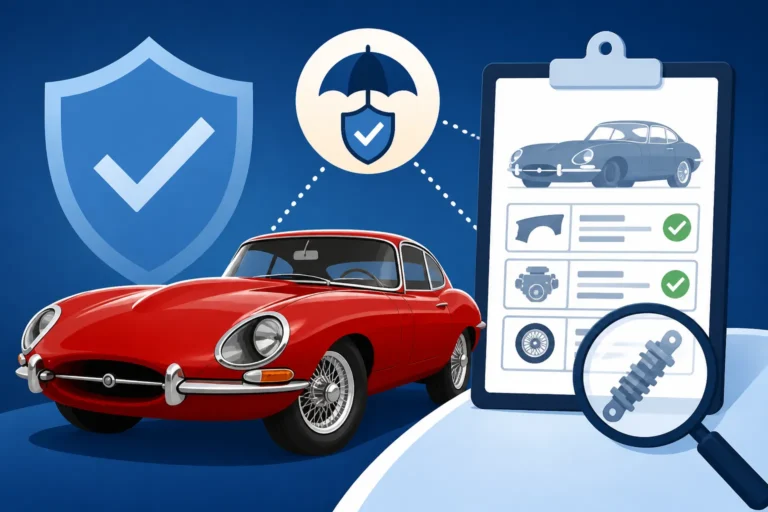
It’s a common dilemma for car enthusiasts: you’ve finally acquired that dream classic, but you already have a perfectly good regular auto insurance policy for your daily driver. The thought of juggling two different insurance types can feel overwhelming, or worse, you might wonder if you even can keep your existing policy while adding specialized coverage for your new pride and joy. Rest assured, it's not only possible but often the smartest approach, and this guide will walk you through exactly how to maintain your regular car insurance while seamlessly integrating a classic car policy.
Why Maintain Two Separate Insurance Policies?
When you delve into the world of classic cars, you quickly realize they aren't just old vehicles; they're investments, passions, and often rolling pieces of art. Their unique nature means standard auto insurance, designed for everyday commuter vehicles, simply won't offer the specialized protection or valuation methods these treasures truly need. Keeping your regular insurance for your daily driver while securing a separate, specialized policy for your classic is often the best strategy for comprehensive and appropriate coverage.
Protecting Your Daily Driver and Collector Car Differently
Think about it: your Honda Civic or Ford F-150 is subjected to daily commutes, grocery runs, school pickups, and all the associated risks of heavy traffic and parking lots. Its value depreciates over time, and a standard policy covers its actual cash value in case of a total loss. Now, consider your cherished 1967 Mustang or 1955 Chevrolet Bel Air. This car isn't enduring daily wear and tear; it's likely stored safely, driven for pleasure, shows, or weekend cruises, and its value, far from depreciating, might actually be appreciating.
A regular policy is built for the former, offering liability, collision, and comprehensive coverage based on the depreciated market value. A classic car policy, however, is crafted for the latter, providing specialized features like "agreed value" coverage, which ensures you're paid a pre-determined amount if your classic is totaled or stolen, rather than a depreciated sum. This fundamental difference means trying to force a classic onto a regular policy often leads to underinsurance and frustration when a claim arises.
Legal Requirements and Practicalities of Dual Coverage
Legally, every registered vehicle needs insurance. For your daily driver, this typically means meeting your state's minimum liability requirements, with many opting for full coverage. For a classic, the requirements can be a bit more nuanced. While state minimums still apply if the vehicle is driven on public roads, the unique nature of classic car ownership often necessitates a policy that goes far beyond basic liability.
From a practical standpoint, maintaining two separate policies simplifies claims. If your daily driver is involved in a fender bender, you deal with your standard auto insurer. If your classic suffers damage at a car show, you work with your specialty classic car insurer. This separation ensures that each vehicle is insured under the most appropriate terms, preventing potential conflicts or misunderstandings that could arise if a single, general policy tried to cover both vastly different risk profiles. Moreover, many specialty classic insurers, like Hagerty, offer tailored roadside assistance designed for classic vehicles, ensuring a flatbed tow if needed, which is a detail often overlooked by standard policies.
Navigating the Core Differences: Regular vs. Classic Car Insurance
Understanding the fundamental distinctions between traditional auto insurance and specialized classic car insurance is key to effectively managing both. These differences aren't just about the name; they impact everything from how your vehicle is valued to how and when you can drive it.
Valuation Methods: Actual Cash Value vs. Agreed Value
This is perhaps the most significant divergence and the main reason why classic car owners opt for specialty insurance.
- Actual Cash Value (ACV) for Regular Policies: Most standard auto insurance policies cover your daily driver for its actual cash value. This means if your car is totaled or stolen, the insurer will pay out its market value at the time of loss, factoring in depreciation, mileage, and condition. For a 5-year-old sedan, this works fine, but imagine trying to apply this to a meticulously restored 1969 Camaro. Its market value can fluctuate, and its sentimental value is often immeasurable. An ACV policy would likely offer a payout far less than what you've invested or what the car is truly worth to a collector.
- Agreed Value for Classic Policies: This is where specialty classic car insurance shines. With an agreed value policy, you and the insurer agree upon the car's value before the policy is issued. In the event of a total loss, the insurer pays you that exact agreed-upon amount, no questions asked about depreciation. This provides peace of mind, knowing your investment is fully protected. Understanding "Agreed Value vs Stated Value vs Actual Cash Value" is crucial for any classic car owner. This is often supported by an appraisal, ensuring both parties are on the same page regarding the vehicle's true worth.
Usage and Mileage Restrictions
Another major differentiator lies in how insurers expect you to use your vehicle.
- Regular Use for Daily Drivers: Standard policies assume your vehicle is your primary mode of transportation. There are typically no strict mileage limits, and you're free to drive it whenever and wherever you need to. The premiums reflect this higher exposure to risk.
- Limited Use for Classics: Classic car insurance is predicated on the idea that your classic is not a daily driver. These policies usually come with specific usage stipulations, often referred to as a "pleasure-use requirement explained." This means the car is primarily used for pleasure drives, car shows, club events, and occasional errands. To keep premiums lower, most classic policies have annual mileage limits, which can range from 1,000 to 7,500 miles per year, though some providers like Hagerty offer more flexible options or even "unlimited mileage classic car insurance explained" for certain vehicles and drivers. The assumption is that limited use translates to lower risk, hence the often surprisingly affordable premiums.
Storage and Driver Requirements
Where and how you store your classic, and who drives it, are also critical factors.
- Flexible Storage for Regular Cars: Your daily driver can typically be parked anywhere – on the street, in a driveway, a carport – without significantly impacting your insurance.
- Secure Storage for Classics: Specialty classic car insurers almost universally require that your classic be stored in a secure, enclosed, and locked facility, such as a private garage. This "Garage Storage Requirement for Classic Cars" is a cornerstone of their underwriting, as it significantly reduces the risk of theft and damage from the elements.
- Driver Requirements: For your daily driver, any licensed household member can typically be covered. For classics, insurers often have specific "Minimum Age for Classic Car Insurance Drivers" and expect the primary driver to have a clean driving record and substantial experience. Some policies also require that all household drivers have a separate, modern vehicle for daily transportation, preventing the classic from becoming the de facto primary car. This ties into the "daily driver requirement explained" for classic car insurance.
| Feature | Regular Auto Insurance | Classic Car Insurance |
|---|---|---|
| Valuation Method | Actual Cash Value (ACV) – depreciated value | Agreed Value – pre-determined, guaranteed payout |
| Usage | Daily transportation, unrestricted mileage | Pleasure use, shows, limited mileage |
| Storage | Flexible (street, driveway, garage) | Secure, enclosed, locked garage required |
| Driver Profile | Broad, includes new/young drivers | Experienced drivers, clean record |
| Cost | Generally higher due to daily risk exposure | Often lower due to limited use and specific storage |
| Special Coverages | Standard roadside, rental car, medical | Flatbed towing, restoration, spare parts, automobilia |
Step-by-Step Guide to Managing Both Policies Seamlessly
Now that you understand why and how classic and regular insurance differ, let's get down to the practical steps of ensuring both your daily driver and your beloved classic are appropriately covered without unnecessary hassle.
Assessing Your Needs for Each Vehicle
Before you even pick up the phone, take a moment to honestly evaluate each vehicle. For your daily driver, determine what level of coverage you truly need. Are state minimums enough, or do you want comprehensive, collision, and higher liability limits? Consider your commute, your budget, and your risk tolerance.
For your classic, the assessment is more detailed. How old is it? Is it completely original, modified, or a "restomod"? What is its current market value, and what would it cost to replace or restore? Do you plan to drive it often, or just to local shows? Do you need coverage for Spare Parts Coverage Explained or a car that's "under restoration"? All these factors will influence the type and amount of classic car insurance you need. A precise valuation, perhaps through an appraisal, is crucial here to determine your desired "agreed value coverage explained".
Choosing the Right Specialty Insurer for Your Classic
This is where you'll want to lean into companies that specialize in collector vehicles. While some standard insurers might offer "classic car insurance vs regular insurance" policies, they often don't have the in-depth understanding or specialized coverage options of dedicated classic car insurers. Companies like Hagerty, Grundy, and American Collectors Insurance are leaders in this field.
When comparing options from "Best Classic Car Insurance Companies", look for:
- Agreed Value Policies: This is non-negotiable for a classic.
- Flexible Mileage Plans: Choose a plan that fits your actual driving habits.
- Specialized Claims Service: You want adjusters who understand classic vehicle repair and valuation.
- Restoration Coverage: If your car is a project, this is invaluable.
- Roadside Assistance for Classics: Flatbed towing is essential to protect your vehicle from further damage.
Don't be afraid to get multiple quotes. You might find significant differences in cost and coverage depending on the insurer's specific underwriting guidelines for your type of vehicle. For example, a vintage American muscle car might be quoted differently than a European exotic.
Communicating with Your Current and New Insurers
Once you've decided on a specialty insurer for your classic, open clear lines of communication with both your existing regular auto insurer and your new classic car insurer.
With Your Regular Insurer:
Inform them that you are adding a separate, specialized policy for a classic vehicle. They don't need to know all the specifics of the classic policy, but they should be aware that you now have another vehicle insured elsewhere. This can sometimes even lead to discounts on your regular policy, as you're demonstrating responsible multi-vehicle ownership. Also, ensure your daily driver still meets the "classic car insurance eligibility requirements" for your primary vehicle.
With Your Specialty Classic Insurer:
Be completely transparent about your driving record, the car's storage location, its estimated annual mileage, and the fact that you have a separate vehicle for daily use. Many classic car insurers require that you have a separate vehicle insured for daily driving purposes. This is part of the "Classic Car Insurance Requirements Explained" and ensures your classic isn't secretly serving as your primary vehicle, which would violate policy terms. They'll ask for details like your primary residence, garage address, and sometimes photos or an appraisal. Being upfront ensures you get accurate coverage and avoids potential headaches down the road if you ever need to file a claim. If you've just purchased the vehicle, ask about "How to Insure a Classic Car You Just Bought" to ensure immediate coverage.
Avoiding Common Mistakes When Combining Policies
Navigating two insurance policies can be straightforward, but there are a few common missteps that collectors often make. Being aware of these pitfalls can save you a lot of grief and money in the long run.
Overlapping Coverage and Underinsurance Risks
One of the biggest mistakes is assuming some overlap is good, or worse, not realizing you’re severely underinsured. Don't fall into the trap of thinking your regular policy's comprehensive coverage is "good enough" for your classic. As discussed, the valuation method alone makes it a poor fit. Your regular policy will likely cover your classic at Actual Cash Value (ACV), which means if your pristine 1970 Dodge Challenger is stolen, you'll get a depreciated amount, not its true collector value. This is a classic case of underinsurance.
Conversely, you don't want to pay for redundant coverage. Ensure that your specialty classic policy clearly delineates what it covers and that there's no unnecessary duplication of, say, basic liability if your state's laws allow for the primary coverage to be handled by one insurer with the other as secondary. Most reputable classic insurers will help you structure your policies to avoid this. Your focus should be on ensuring your classic has the correct "Agreed Value Coverage for Classic Cars Explained" and not relying on an ACV policy.
Disclosing All Drivers and Vehicle Use Accurately
Transparency is paramount. If a licensed teenager lives in your household and has access to your vehicles, even if they never drive the classic, this needs to be disclosed to both insurers. Failure to disclose all household drivers or accurately represent how each vehicle is used can lead to a denied claim. Your regular insurer needs to know who drives the daily driver, and your classic insurer needs assurance that your classic is stored securely and only driven by approved, experienced drivers for appropriate purposes.
Many classic car policies, including those from Hagerty, have specific "Household Driver Requirements Explained" or restrictions on young drivers. If your classic car is used more often than just for pleasure drives or shows, or if it's stored outside your secure garage for extended periods, you must inform your specialty insurer. Misrepresenting usage could invalidate your policy entirely.
Keeping Your Valuations Up-to-Date
The value of classic cars can fluctuate significantly, often appreciating over time, especially after a high-quality restoration or if the market for a particular model spikes. If you have an agreed value policy, it's critical to periodically review and update that agreed value. If your 1965 Corvette has doubled in value since you first insured it five years ago, but your agreed value is still at the original amount, you're now underinsured.
Most specialty insurers recommend reviewing your agreed value annually or whenever you complete significant modifications, upgrades, or restorations that enhance the car's worth. This might involve getting a new appraisal or submitting documentation of your restoration costs. Staying proactive ensures that in the unfortunate event of a total loss, you receive a payout that truly reflects your classic's current worth. This also avoids common "Classic Car Insurance Exclusions to Know" that might relate to undisclosed modifications or changes in value. Don't forget to ask about "How to Increase Your Agreed Value Over Time".
Disclaimer
Please note that this article is intended for informational purposes only and does not constitute professional financial or legal advice. Insurance policies and regulations vary by state and individual circumstances. Always consult with a qualified insurance professional or agent to discuss your specific needs and obtain personalized advice for your classic car and daily driver insurance.