Documents Needed for a Classic Car Quote
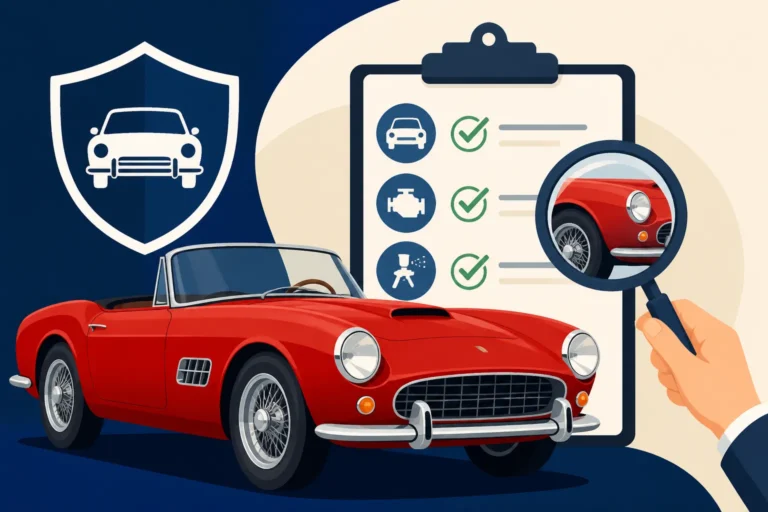
Getting a classic car insurance quote can sometimes feel like a treasure hunt, piecing together bits of information from old files and dusty dashboards. It's frustrating when you're excited to protect your pride and joy, only to be met with a seemingly endless list of requests. This guide is here to demystify that process, walking you through every document you might need to gather, ensuring you're fully prepared to secure the best coverage for your cherished classic.
Why Specialized Classic Car Insurance Requires Specific Documentation
When you're dealing with a classic, you're not just insuring a car; you're insuring a piece of history, a work of art, a labor of love. This isn't your average daily driver. Because of its unique nature, classic car insurance operates differently from standard auto policies, and that's why the documentation requirements are often more detailed. It's not just about proving you own it; it's about proving its value and how you care for it.
Understanding the "Agreed Value" Difference
One of the biggest distinctions with classic car insurance is the concept of "agreed value." Unlike a regular policy that typically pays out based on "actual cash value" (which factors in depreciation), a classic policy sets an upfront, mutually agreed-upon value for your vehicle. This means if your classic is ever a total loss, you get that agreed-upon amount, no haggling, no depreciation surprises. This peace of mind is invaluable to collectors.
However, arriving at that agreed value isn't arbitrary. Insurers need to see the proof. They want to understand what makes your specific vehicle special, what condition it's in, and what makes it worth the amount you're proposing. This is where meticulous documentation comes into play. Without it, you might find the insurer offering a lower agreed value than you believe your car is truly worth, leaving you potentially underinsured. Having a comprehensive understanding of Agreed Value Coverage Explained is key here, as it's the bedrock of any good classic policy.
Proving Collectible Status and Usage Limitations
It's not enough for a car to just be old; it has to meet certain criteria to qualify as a "classic" or "collector" vehicle by insurance standards. These criteria often include age, make, model, condition, and, crucially, how it's used. Classic car insurers offer lower premiums because they assume your vehicle won't be exposed to the same risks as a daily driver—it’s driven less, stored securely, and maintained with care.
To ensure your car fits their definition and qualifies for these specialized rates, insurers will ask for documentation that verifies its collectible status and affirms your adherence to usage restrictions. For instance, they might want to know if it's garaged year-round, how many miles you anticipate driving it annually, and if it's primarily used for pleasure, car shows, or club events. Understanding the Pleasure-Use Requirement Explained helps immensely when discussing your car's intended use with an insurer. These details paint a picture for the insurer, assuring them that your beloved classic isn't just another car on the road but a valued possession that receives special treatment and limited exposure.
Essential Vehicle Information You'll Need to Gather
Getting a classic car insurance quote hinges on providing a clear, accurate picture of the vehicle itself. This isn't just about the basics; it's about giving the insurer a comprehensive understanding of what they're being asked to protect. Think of it as introducing your car to a new, very attentive friend who needs all the details to properly appreciate it.
Basic Identification Details
Every insurance quote starts with the fundamental identifiers of your vehicle. These details are used to look up historical data, verify the model's typical value, and ensure the policy is tied to the correct asset. Don't skip these, even if they seem obvious.
First and foremost is the Vehicle Identification Number (VIN). This 17-character code is unique to your car and is the primary way insurers track and identify it. You'll find it on the dashboard, usually visible through the windshield, on the driver's side door jamb, and on your title or registration documents. Beyond the VIN, you'll need the exact make, model, and year of manufacture. For instance, stating "1969 Chevrolet Camaro" is good, but specifying "1969 Chevrolet Camaro Z/28 with an RS package" provides even more critical detail, as trim levels and special editions can significantly impact value and, consequently, premium. The body type—coupe, convertible, sedan, pickup—is also vital. This helps the insurer categorize the vehicle and understand its general market value and risk profile. Even seemingly minor distinctions can be important, so be as specific as possible.
Proof of Ownership and Registration
Insurers need to verify that you legally own the vehicle you're seeking to insure. This is fundamental to any insurance policy. The primary document for this is the vehicle's title. This legal document proves ownership and will be required to bind any policy. Make sure it's in your name and doesn't have any liens if you own the car outright. If there's a lienholder, their information will also need to be provided to the insurer.
Your current registration is also a key piece of information. While it doesn't prove ownership as definitively as a title, it confirms the vehicle is currently street-legal (or was recently) and registered in your state. If you’ve just purchased the car and are awaiting the new title or registration, a bill of sale can often serve as temporary proof of ownership. However, it’s important to clarify with your insurer what temporary documents they accept and for how long. Dealing with unique situations like Registering a Car with No Title can be complex, and you'll want to address those challenges upfront with your chosen insurance provider to ensure a smooth quoting process.
Vehicle Condition and Modifications
This is where classic car insurance really differentiates itself. The condition of a classic car, along with any modifications, plays a massive role in its valuation and, therefore, your premium and agreed value. Insurers are looking for objective evidence of its state.
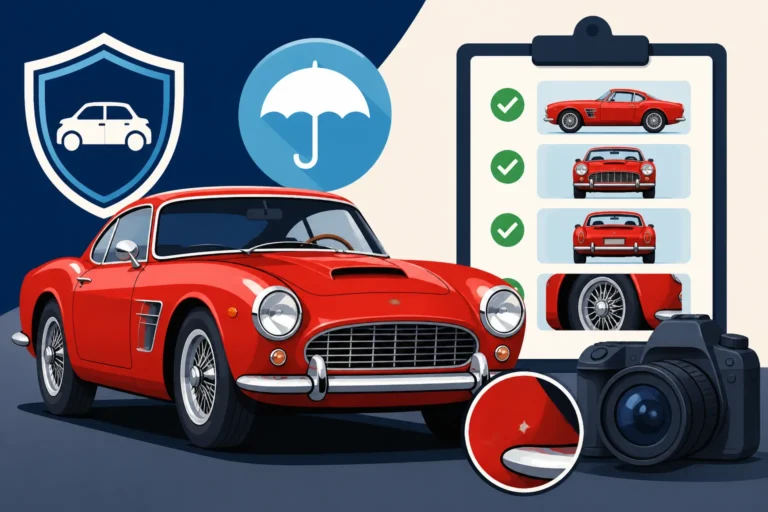
High-quality photographs are absolutely essential. They should be clear, well-lit, and show all sides of the vehicle, including the interior, engine bay, trunk, and undercarriage if possible. Detail shots of any unique features, restoration work, or specific areas of wear are also helpful. Think of it as creating a visual diary of your car's current state. Beyond photos, a professional appraisal report is often highly recommended, and sometimes even required, especially for higher-value vehicles or those with significant modifications. An independent appraisal gives the insurer an expert, third-party assessment of your car's value, taking into account condition, rarity, historical significance, and market trends. Companies like Hagerty often have resources or a network of appraisers they can recommend. Lastly, keep all receipts from any restoration work, significant repairs, or custom modifications. These documents prove the investment you've made in the vehicle and can significantly bolster its agreed value. For instance, a detailed record of an engine rebuild with genuine parts, or receipts for a custom paint job, clearly demonstrates the vehicle’s enhanced worth.
Your Personal and Driving History Documents
While the classic car itself is the star of the show, you, the owner and driver, are a crucial supporting character. Classic car insurers also want to understand your driving habits and history, as this influences the risk associated with insuring your collectible. This isn't about being judgmental; it's about assessing the likelihood of a claim.
Driver Information for All Household Members
This is a point that often catches classic car owners off guard: insurers will typically require information for all licensed drivers in your household, even if only one person plans to drive the classic. Why? Because insurance policies are designed to cover potential risks, and if another licensed driver lives in your home, there's always a possibility, however remote, that they might operate your vehicle.
To get an accurate quote, you'll need to provide the full names, dates of birth, and driver's license numbers for every licensed individual residing with you. This allows the insurance company to run a motor vehicle report (MVR) for each person, checking for any accidents, violations, or claims history. A clean driving record for all household members can contribute to a lower premium, as it signals a lower overall risk. While some specialty insurers might allow you to specifically exclude certain drivers, it's generally best to be transparent from the outset. Understanding Household Driver Requirements Explained can help you navigate this often-overlooked aspect of the application process.
Your Current Insurance Details
Providing details about your existing auto insurance policies, even if they're for your daily drivers, is often beneficial and sometimes necessary. Insurers want to know if you're a responsible vehicle owner with continuous coverage. This information includes your current insurance company, policy numbers, and the declarations page from your existing policy.
Having a good insurance history can sometimes lead to discounts, especially if you're bundling your classic car policy with other vehicles or homeowner's insurance. Many specialty classic car insurers, while experts in collectibles, partner with or are underwritten by larger carriers that appreciate a client with a full insurance portfolio. Furthermore, if you already have other collector vehicles, some insurers offer multi-car policies tailored for collections. A Multi-Car Collector Policy Requirements setup can simplify your insurance management and often come with attractive discounts, so having all your existing policy details ready will help your agent explore these options.
Details About Your Classic Car's Storage and Usage
How and where you keep your classic car, as well as how often you drive it, are critical factors in determining your eligibility for a specialized policy and the cost of your premium. These details directly speak to the risk exposure of your cherished vehicle.
Secure Storage Location Information
The way you store your classic car tells an insurer a lot about how well it's protected from theft, vandalism, and environmental damage. This is a huge factor in their risk assessment. You'll almost always be asked for the address where the car is garaged and details about the storage facility itself.
Specialty classic car insurance policies typically require that your vehicle be stored in a secure, enclosed, and locked structure. This usually means a private residential garage, a dedicated storage unit, or a professional storage facility. Insurers will want to know if your garage is attached or detached, if it has a locking door, and if there are any additional security features like an alarm system or surveillance cameras. A car stored on the street or in an open carport is generally not eligible for classic car insurance because of the increased risk. If you’re unsure, researching Garage Storage Requirement for Classic Cars can give you a clearer picture of what insurers expect. Providing accurate, verifiable information about your secure storage isn't just a formality; it's a fundamental requirement that significantly impacts your premium and policy approval.
Intended Use and Estimated Annual Mileage
Classic cars are generally not insured as daily commuters. Their limited use is one of the primary reasons classic car insurance is often more affordable than standard policies. Insurers want to confirm that your classic is truly a leisure vehicle, not a workhorse.
You'll need to articulate your intended use for the vehicle. Is it strictly for pleasure drives on sunny weekends? Do you plan to take it to local car shows, club events, or occasional tours? Perhaps it’s a show car that rarely sees the road. Be prepared to estimate your annual mileage. Most classic policies come with mileage limitations, often ranging from 1,000 to 5,000 miles per year, with tiers that adjust the premium. Being honest and realistic about your expected usage is crucial. Overestimating might lead to a higher premium than necessary, while underestimating could lead to issues if you exceed your stated mileage and need to file a claim. You can explore Classic Car Insurance Mileage Limits by State to understand the typical constraints in your area. This information allows the insurer to tailor a policy that accurately reflects the limited exposure and lower risk profile of your classic.
Special Circumstances and Additional Documentation
Sometimes, your classic isn't just a run-of-the-mill, off-the-assembly-line vehicle. It might be heavily modified, in the middle of a meticulous restoration, or perhaps it's an intriguing import. These special circumstances bring their own set of documentation requirements, designed to accurately capture the unique nature and value of your particular collectible.
Documentation for Modified, Restored, or Project Cars
If your classic car isn't in original factory condition, or if you're actively working to bring it back to life, insurers need a lot more detail. A modified classic, often called a restomod or hot rod, can have significantly different value and risk factors than a stock vehicle. For these cars, you'll want to compile a detailed dossier of all work performed.
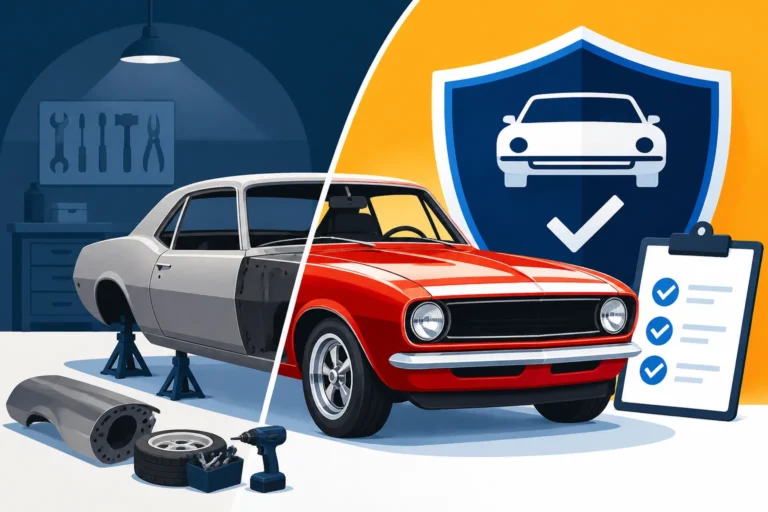
This includes receipts for all parts purchased, especially performance upgrades, custom paint jobs, interior overhauls, or engine swaps. Don't just list them; provide the actual invoices. Similarly, keep records of labor costs if you've hired professionals for restoration or modification work. Crucially, photographs documenting the restoration or modification process, from "before" to various "during" stages and the "after" result, are incredibly valuable. These visual proofs help the insurer understand the quality and extent of the work, directly supporting your stated value. For example, documenting the frame-off restoration of a vintage Ford Bronco with progressive photos and invoices for every component adds significant credibility to your valuation. Insurers need to see this investment to properly cover it, and understanding the specific Requirements for Insuring a Modified Classic is vital for these unique builds.
For Recently Acquired or Imported Classics
Bringing a new-to-you classic into your garage, especially one from overseas, comes with its own unique paperwork trail. If you've just bought the car, the bill of sale is critical, especially if you haven't yet received the new title in your name. This document establishes ownership and the purchase price, which is a good starting point for valuation.
For imported classics, the documentation becomes even more complex. You'll need original foreign titles, bills of lading, customs clearance forms, and any documentation proving the vehicle's legal entry and compliance with U.S. regulations. Proving a clear chain of ownership from its origin to your garage is paramount. Insurers need to be assured there are no legal ambiguities or hidden issues. Navigating this can be tricky, so it's wise to be well-versed in How to Register an Imported Classic Car before you even start the insurance process. These documents are essential for both legal registration and insurance purposes, ensuring your unique acquisition is fully protected.
Appraisals and Valuation Reports
While not always mandatory for every classic car, a professional appraisal is often the single most powerful piece of documentation you can provide, especially for higher-value, rare, or heavily modified vehicles. An appraisal provides an independent, expert assessment of your vehicle's condition, originality, modifications, and current market value.
This report is typically conducted by a qualified appraiser who specializes in classic and collector vehicles. They will thoroughly inspect your car, take detailed photographs, and research its history and market comparables to determine a fair market value or an appropriate agreed value. This professional valuation removes much of the guesswork for both you and the insurer, making the underwriting process smoother and helping to ensure you receive a fair payout in the event of a total loss. Many specialty insurers, like Hagerty, have deep experience with appraisals and can guide you on finding a reputable appraiser. When you're ready to get an appraisal, it's helpful to know How Classic Car Appraisals Work for Insurance to maximize its benefit for your policy.
It's a proactive step that can save you a lot of headache down the road, as it sets a clear expectation of value from day one. Without one, the insurer relies more heavily on their own databases and your supplied photos, which might not fully capture your car's unique attributes or market position.
Essential Documents Checklist for a Classic Car Insurance Quote
To make your life easier, here’s a quick overview of the documents and information you'll want to have handy when you're seeking a classic car insurance quote. Being prepared with these details will not only speed up the process but also help ensure you get the most accurate and favorable quote possible.
| Document/Information Type | Description | Why It's Needed |
|---|---|---|
| Vehicle Identification Number (VIN) | 17-character unique identifier for your car. | Primary identifier; essential for verification, lookup of factory specifications, and policy linking. |
| Make, Model, Year, Body Style | Specific details of your vehicle (e.g., 1967 Chevrolet Corvette Convertible). | To accurately identify the vehicle type and its general market value range. |
| Vehicle Title or Bill of Sale | Legal proof of ownership (title is preferred, bill of sale for recent purchases). | Verifies you are the legal owner of the vehicle being insured. |
| Current Registration | State registration document. | Confirms the vehicle is registered and typically street-legal in your state. |
| Photos of the Vehicle | High-resolution images of all exterior sides, interior, engine bay, trunk, and undercarriage (if possible). | Provides visual evidence of the vehicle's condition, features, and overall appearance, crucial for valuation. |
| Odometer Reading | Current mileage on the vehicle. | Helps determine eligibility for mileage tiers and verifies limited usage. |
| Storage Location Details | Address and description of the secure, enclosed, and locked storage (e.g., private garage, storage unit). | Assesses risk of theft, vandalism, and environmental damage; a key factor for classic eligibility. |
| Intended Use Description | How you plan to use the vehicle (e.g., pleasure drives, car shows, club events). | Confirms adherence to pleasure-use requirements, justifying lower premiums. |
| Estimated Annual Mileage | Your best estimate of how many miles you'll drive per year. | Determines appropriate mileage tier for pricing. |
| Owner's Driver's License Info | Your driver's license number, date of birth, and driving history. | Assesses your risk as a driver and confirms eligibility for the policy. |
| Household Driver Information | Driver's license info, dates of birth for all licensed residents. | To assess overall household risk, even if others aren't driving the classic. |
| Current Auto Insurance Policy (for daily driver/others) | Policy number and declarations page for your other vehicles. | Demonstrates continuous coverage, may qualify for multi-car discounts. |
| Professional Appraisal Report | Independent valuation report from a classic car expert (recommended for high-value/modified cars). | Provides objective, third-party assessment of agreed value; highly valuable for unique vehicles. |
| Restoration/Modification Receipts | Invoices for parts, labor, custom work. | Supports the increased value of modified or restored vehicles. |
| Documentation of Import (if applicable) | Customs forms, bill of lading, foreign title. | Verifies legal import and ownership for vehicles brought from overseas. |
Disclaimer
Please remember that this information is intended as a general guide and not as legal or insurance advice. Specific requirements can vary significantly by insurance provider, vehicle type, and state regulations. Always consult directly with an insurance professional to discuss your individual needs and to obtain precise information regarding your classic car insurance policy. Insurance policies are contracts, and it's essential to understand all terms and conditions before purchasing coverage.