Requirements for Insuring a Modified Classic
Insuring a classic car can feel like navigating a maze, but when you throw significant modifications into the mix, it often feels like the rules change entirely. Many enthusiasts pour countless hours and significant funds into customizing their vintage ride, only to hit a wall when trying to secure proper insurance. Regular auto policies just don't understand the unique value and specialized nature of these vehicles, often leaving owners underinsured or without coverage for their custom work. This guide will walk you through the specific requirements and crucial considerations for insuring your modified classic, ensuring your pride and joy is truly protected.
Understanding What "Modified" Means for Classic Car Insurance
When you mention "modified classic" to a standard insurer, they often picture a risky, souped-up street racer. But for those of us in the classic car world, "modified" encompasses a huge spectrum, from subtle upgrades to full-blown custom builds. Specialty classic car insurance companies have a much better grasp of these nuances, but it's still vital to understand how they categorize modifications and what that means for your policy.
Differentiating Modification Types and Their Impact
Not all modifications are created equal in the eyes of an insurer. There's a big difference between a period-correct upgrade and a completely custom, one-off creation. Generally, modifications fall into a few categories:
- Performance Enhancements: This can range from engine swaps for more horsepower, upgraded transmissions, enhanced braking systems, or modern suspension components. Think a modern LS engine dropped into a classic muscle car, or disc brakes replacing old drums. These changes significantly alter the car's original dynamics and can impact its value, sometimes positively, sometimes not. Insurers need to know if these modifications improve safety (like better brakes) or significantly increase risk (like extreme horsepower with inadequate handling upgrades).
- Cosmetic Alterations: These are changes to the vehicle's appearance. This could be a custom paint job, body kits, interior upholstery upgrades, aftermarket wheels, or even a full chop and channel on a hot rod. While these don't necessarily affect the car's driving dynamics, they certainly affect its aesthetic and, crucially, its value. A meticulously customized interior by a renowned shop adds significant value that a standard policy would never account for.
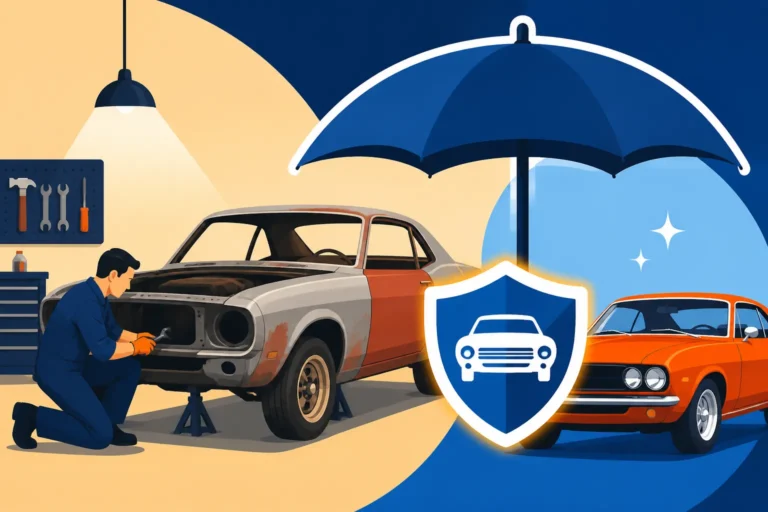
- Restomods and Hot Rods: These are often specific categories within modified classics. A restomod is a classic car that retains its vintage appearance but has been thoroughly updated with modern components for performance, comfort, and reliability. This means modern engine, suspension, brakes, air conditioning, and electronics, all hidden within a classic shell. Hot rods, on the other hand, often feature more radical body modifications, exposed engines, and a focus on raw power and a distinctive, aggressive aesthetic. Each of these unique builds requires a very particular approach to insurance. You'll find specific details on policies like "Requirements for Insuring a Restomod" and "Requirements for Insuring a Hot Rod" that dig deeper into these specialized vehicles.
- Safety and Reliability Upgrades: These are modifications intended to make the classic car safer or more reliable for modern driving conditions. This could include adding seatbelts, upgrading wiring harnesses, installing LED lighting, or improving steering response. While these might not be "flashy," they are critical for enjoyment and safety, and specialty insurers typically view these positively.
The impact of these modifications on your insurance hinges on two main factors: how they affect the car's value and how they affect its risk profile. Performance upgrades, for instance, might increase the likelihood of spirited driving, but if they also include modern safety features, the risk calculation becomes more nuanced. Cosmetic changes directly affect the Agreed Value of your vehicle, which is paramount for modified classics.
The Challenge of Valuation for Customized Vehicles
One of the biggest headaches for modified classic car owners is valuation. Unlike a stock classic, which can be easily cross-referenced against market guides and auction results, a custom build is unique. How do you put a dollar figure on countless hours of fabrication, a bespoke interior, or a high-performance engine swap? This is where standard insurance often fails, as they typically rely on Actual Cash Value (ACV) or Stated Value policies that simply won't cover your investment.
Specialty insurers, however, understand that the value of a modified classic is often far beyond its original factory price, and even beyond the value of a pristine, stock example. They are accustomed to dealing with custom builds and recognize the craftsmanship and expense involved. This is precisely why Agreed Value Coverage Explained is the gold standard for classic car insurance, especially for modified vehicles. With an agreed-value policy, you and the insurer agree on your car's value before the policy is issued. Should a total loss occur, you get that agreed-upon amount, no questions asked, which is absolutely critical for modified cars where market value is so subjective.
Why Standard Auto Insurance Falls Short for Modified Classics
It’s tempting to just add your beautifully customized classic to your everyday auto policy. After all, it’s a car, right? Unfortunately, that approach is often a recipe for disaster. Standard insurance companies are simply not set up to properly understand, value, or protect the unique investment you’ve made in a modified classic.
The Limitations of Standard Coverage
Traditional car insurance policies are designed for mass-produced, depreciating assets – your daily drivers. They use formulas based on year, make, model, and mileage, and their payout structures are usually rooted in "Actual Cash Value" (ACV).
- Actual Cash Value (ACV) Disaster: Imagine you have a custom 1969 Ford Mustang, meticulously restored and modified with a modern Coyote engine, custom suspension, and a bespoke interior, valued at $100,000. If you have it on an ACV policy and it's totaled, the insurer will look at what a stock 1969 Mustang of comparable condition without your modifications would sell for. You might get $30,000, leaving you utterly devastated and out $70,000. Your standard policy simply doesn't recognize the value of your custom work, time, and parts.
- Limited Custom Parts and Equipment Coverage: Even if a standard policy offers some coverage for aftermarket parts, it’s typically a very low limit, often just a few thousand dollars, and usually applies only to bolt-on accessories, not structural or powertrain modifications that fundamentally change the vehicle. This is completely inadequate for a full restomod or hot rod build.
- Usage Restrictions: Daily driver policies assume you'll be commuting, running errands, and generally using the car regularly. They often don't have the mileage caps or pleasure-use clauses that help keep classic car insurance premiums lower, as classics are typically driven much less. They also won't offer specialized coverage for car shows, parades, or tours, which are common activities for modified classics.
- Lack of Specialized Services: What happens if your modified classic breaks down 200 miles from home on a cross-country tour? A standard roadside assistance plan might send a regular tow truck that isn't equipped to flatbed your low-slung, delicate custom build, potentially causing more damage. Specialty insurers often provide tailored roadside assistance designed for classic vehicles, including flatbed towing.
The Risks of Underinsurance
The most significant risk of relying on standard auto insurance for your modified classic is severe underinsurance. You’ve invested heavily in your passion, only to find that in the event of theft, damage, or a total loss, your policy barely scratches the surface of what it would cost to repair or replace your vehicle. This isn't just about the financial hit; it's about the emotional toll of losing a truly unique and irreplaceable piece of automotive art.
Consider a situation where a collector in Phoenix, Arizona, spent years perfecting a customized 1957 Chevrolet Bel Air. Every nut and bolt was addressed, the engine was swapped for a modern fuel-injected V8, and the interior was hand-stitched. His total investment easily topped $150,000. If he had opted for a standard policy, a total loss could mean a payout of less than $50,000, leaving him with a massive financial and emotional void. This is precisely why specialty insurers exist and why policies like "Agreed Value vs Stated Value vs Actual Cash Value" are so critical to understand.
Essential Documentation for Insuring Your Modified Classic
When you’re seeking insurance for a modified classic, documentation is your best friend. Specialty insurers need to understand the scope and quality of your modifications to properly assess risk and, most importantly, establish an accurate Agreed Value. Without thorough documentation, proving the true value of your custom work can be incredibly challenging.
Detailed Records of Modifications and Costs
Think of your car's documentation as its resume. You need to present a clear, compelling story of its transformation.
- Build Sheets and Specifications: If you acquired the car already modified, gather any existing build sheets, specifications, or descriptions of the work performed. For your own modifications, create these yourself. Detail every major component, from the engine block and cylinder heads to the suspension components, transmission, and braking system.
- Receipts for Parts and Labor: This is perhaps the most crucial piece of financial evidence. Keep every receipt for aftermarket parts purchased, custom fabrication work, paint jobs, upholstery, and any specialized labor. Digital copies are great for backup, but keep physical copies organized too. These receipts provide a concrete, auditable trail of your investment. For a car that’s been through a major overhaul, like one covered by "Restoration Coverage for Classic Cars," these records are indispensable for showing the increasing value.
- Appraisal Reports: For highly modified or valuable classics, a professional appraisal is often required and always highly recommended. An independent appraiser specializing in classic and custom vehicles can provide an objective, detailed valuation that accounts for all your modifications, craftsmanship, and market trends. They understand the nuances that a standard appraiser wouldn't. This appraisal will serve as the basis for your Agreed Value policy. Many specialty insurers, like Hagerty, offer tools and resources to help you value your classic car for insurance, or can recommend reputable appraisers. Knowing how to get a classic car appraisal is a vital step in this process.
- Photographic and Video Evidence: Document your car’s modifications extensively with high-quality photos and videos.
- "Before" and "After" shots: Show the transformation.
- Progress photos: Especially important for major fabrication or engine swaps, documenting the work in progress.
- Detailed shots: Capture close-ups of custom paint, interior work, engine bay, suspension, and unique features.
- Condition photos: Clear images of the overall condition of the vehicle from all angles.
These visual records help the insurer (and in case of a claim, the claims adjuster) truly appreciate the extent and quality of your modifications.
Proof of Professional Work Versus DIY
While many classic car enthusiasts are skilled mechanics and fabricators, insurers often look more favorably on modifications performed by professional shops or certified technicians. This isn't to say DIY work is automatically disqualified, but proving the quality and safety of such work becomes more critical.
- Professional Shop Invoices: If a reputable custom shop or restoration expert performed the work, their invoices and documentation lend significant credibility. These shops are known for their quality standards and often stand behind their work.
- Certifications or Qualifications: If you did a significant portion of the work yourself, be prepared to explain your experience, qualifications, or how you ensured the work met industry standards. While less common, some owners have certifications or portfolios that demonstrate their expertise.
- Independent Inspections: For extensive DIY modifications, an independent mechanic or appraiser might need to inspect the vehicle to verify the quality and safety of the workmanship. This can reassure the insurer that the modifications are sound and won't compromise the vehicle's structural integrity or safety.
Ultimately, the goal of all this documentation is to paint a comprehensive picture for the insurance provider, demonstrating the genuine value of your modified classic and the care that went into its transformation.
Key Policy Requirements and Considerations for Modified Classics
Getting coverage for your modified classic isn't just about proving its value; it's also about meeting the specific operational and storage requirements that specialty insurers typically impose. These requirements are in place to manage the risk associated with these unique and valuable vehicles, often leading to more affordable premiums than standard insurance.
Usage and Storage Requirements
Most specialty classic car insurance policies come with specific conditions related to how and where your modified classic is used and stored. These are usually non-negotiable for obtaining coverage.
- Limited Use or Pleasure Use: This is perhaps the most common requirement. Specialty policies are designed for vehicles that are driven for pleasure, hobbies, club events, and occasional cruises, not for daily commuting or commercial purposes. You might have annual mileage limits (e.g., 2,500, 5,000, or 7,500 miles per year). It's important to understand the nuances of the "Pleasure-Use Requirement Explained" to ensure your driving habits align with your policy. Insurers understand that you want to enjoy your custom build, but they don't expect it to be racking up thousands of miles a month on the highway.
- Secure Storage: Insurers typically require your modified classic to be stored in a secure, enclosed, and locked facility when not in use. This usually means a private garage, but some policies may accept other secure storage options like dedicated storage units. Carports or street parking are generally not acceptable. The cleaner and safer the storage environment, the better. This is directly tied to "How Storage Affects Classic Car Eligibility" and plays a big role in your premium. If your prized possession is kept in a climate-controlled, alarm-equipped garage, your insurer sees a lower risk of theft or damage.
- Primary Vehicle Requirement: Most classic car policies mandate that you must have a separate vehicle for daily transportation. Your modified classic cannot be your sole mode of transport. This reinforces the "pleasure use" aspect and demonstrates to the insurer that the classic isn't subject to the wear and tear and higher accident risk of a daily driver. You'll want to check out "Do You Need a Separate Car for Classic Insurance" for more insight.
Driver and Vehicle Eligibility Criteria
While your modifications are a big focus, the driver and the base vehicle itself still need to meet certain criteria.
- Driver Experience and Record: While some companies are more flexible, insurers generally prefer drivers with a clean driving record and a certain level of experience. Some even have "Minimum Age for Classic Car Insurance Drivers" requirements, usually preferring drivers over 25 years old. This isn't about discriminating; it's about minimizing the risk of accidents with a valuable and often high-performance modified vehicle.
- Base Vehicle Age and Type: Even if it's heavily modified, the car needs to start as a "classic." Typically, vehicles need to be a certain age, often 25 years or older, to qualify for classic status. However, exceptions are made for "youngtimers" or certain modern collectibles. The specific age requirement often determines "When a Car Qualifies as Classic" or "When a Car Qualifies as Antique." Specialty insurers also cover a wide range of vehicles, from hot rods to restomods, kit cars, and replicas, but each type might have specific criteria. For instance, "Requirements for a Kit Car Policy" would outline what’s needed for those unique builds.
- Maintenance and Condition: Regardless of modifications, the vehicle must be well-maintained. Insurers want to see that the car is in excellent, safe operating condition. This doesn't mean it has to be concourse perfect, but it shouldn't be a project car that's unsafe to drive. A modified classic that looks amazing but has bald tires and leaky brakes might struggle to get coverage.
| Requirement Category | Typical Criteria for Modified Classics | Why It Matters |
|---|---|---|
| Usage | Pleasure/Limited Use (e.g., 2,500-7,500 miles/year) | Reduces exposure to daily risks, lower premiums. |
| Storage | Secure, enclosed, locked private garage | Minimizes theft, vandalism, and weather damage risk. |
| Other Vehicles | Must own a separate daily driver | Reinforces limited use, shows collector intent. |
| Driver Age | Typically 25+ years old (varies by insurer) | Experienced drivers are statistically safer. |
| Driving Record | Clean driving history, no major violations | Indicates responsible driving behavior. |
| Vehicle Age | Generally 25+ years (exceptions for modern collectibles) | Defines classic status for specialty policies. |
| Condition | Well-maintained, safe operating condition | Ensures reliability and reduces accident risk. |
| Documentation | Detailed build sheets, receipts, photos, appraisal | Verifies value, quality of work, and uniqueness. |
Choosing the Right Specialty Insurer
Not all classic car insurance companies are created equal, especially when it comes to modified vehicles. While many reputable companies exist, some stand out for their understanding of custom builds.
- Look for Expertise: Seek out insurers who specifically advertise their coverage for hot rods, restomods, custom builds, or modified classics. Companies like Hagerty have deep expertise in these niche areas and employ adjusters who understand the true value of custom work. They appreciate the difference between a bolt-on tuner car and a meticulously fabricated one-off.
- Agreed Value is Paramount: We can't stress this enough. For a modified classic, an Agreed Value policy is non-negotiable. Ensure the insurer offers this and is willing to work with your appraisal and documentation to set a fair agreed value. This is how you protect your full investment. You need to verify that this is truly an "Agreed Value Coverage for Classic Cars Explained" policy, not just a stated value.
- Specialized Coverages: Beyond the basics, look for specific coverages tailored to modified vehicles. Does the policy offer "Spare Parts Coverage Explained" if you have a stash of rare custom components? What about "Vehicle Under Construction Coverage" if you're still tweaking your build? Some policies even offer inflation guard coverage, which automatically adjusts your agreed value upwards over time to account for rising market values for unique cars.
- Customer Service and Claims Process: Read reviews and ask other collectors about their experiences, especially regarding claims for modified vehicles. A smooth claims process that respects the unique nature of your car is invaluable.
Insuring a modified classic requires a proactive approach and a deep dive into the specifics of specialty insurance. By understanding the terminology, meticulously documenting your build, and selecting the right insurer, you can ensure your unique automotive masterpiece is protected for years to come.
Disclaimer
Please remember that insurance policies and requirements can vary significantly by state, insurer, and the specific details of your vehicle and driving record. This guide provides general information and recommendations. Always consult directly with a qualified insurance professional to discuss your individual needs and to obtain specific quotes and policy details for your modified classic car.