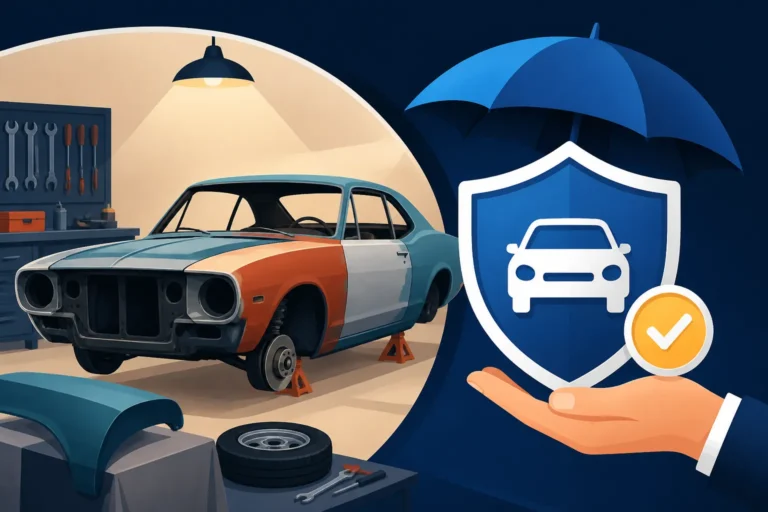
Why Classic Car Insurance Is So Affordable
It's a common misconception that owning a classic car automatically means sky-high insurance premiums. Many enthusiasts, especially those new to the collector car world, dread the thought of insuring their prized possession, assuming it will cost a fortune. However, the reality is often quite the opposite. This guide will dive deep into the specific reasons why classic car insurance is, surprisingly, often more affordable than standard auto insurance, helping you understand the unique factors that contribute to these favorable rates.
The Unique Usage Patterns of Classic Cars
One of the most significant factors influencing the affordability of classic car insurance stems directly from how these vehicles are typically used. Unlike your daily driver, which faces the rigors of commuting, school drop-offs, and grocery runs, classic cars usually lead a much more sheltered life. Insurers understand this difference implicitly, and it forms the bedrock of their pricing models.
Limited Mileage and Pleasure Use
Most classic car policies come with specific mileage restrictions and a "pleasure use" clause. This isn't just a quirky rule; it's fundamental to the lower premiums. For instance, many policies cap annual mileage at 2,500 or 5,000 miles, significantly less than the 10,000-15,000 miles an average modern car racks up in a year. When you're only taking your cherished '67 Mustang out for weekend cruises, car shows, or special events, the chances of an accident decrease dramatically simply due to the reduced time on the road.
Think about it: fewer miles mean less exposure to traffic, less wear and tear, and a lower probability of being involved in a fender bender. This limited exposure directly translates into a lower risk profile for insurers. Furthermore, the "pleasure use" stipulation means the car isn't used for routine transportation, business, or competitive racing, further minimizing risk. This is a core difference when considering Classic Car Insurance vs Regular Insurance: What's Required and it significantly impacts the overall cost. Many policies, like those offered by Hagerty, are built around this understanding of limited, careful use.
Careful Storage and Maintenance Habits
Another key contributor to affordability is the meticulous care and secure storage classic car owners typically provide. These aren't vehicles left out on the street or in a dilapidated carport. Instead, they're usually tucked away in a locked garage, often climate-controlled, and away from the elements and potential theft. Insurers view a securely garaged vehicle as a lower risk for both theft and damage from environmental factors like hail or falling tree limbs. You can learn more about this in articles discussing the Garage Storage Requirement for Classic Cars.
Beyond storage, classic car owners are renowned for their dedication to maintenance. These vehicles are often lavished with attention, receiving regular inspections, preventative care, and specialized repairs. A well-maintained vehicle is generally safer on the road, reducing the likelihood of mechanical failures that could lead to accidents. This combination of secure storage and diligent upkeep demonstrates a responsible ownership pattern that directly reduces the insurer's potential payout risks, allowing them to offer more attractive rates.
The Profile of a Classic Car Owner
It might sound stereotypical, but the typical classic car owner often exhibits a set of characteristics that make them a lower insurance risk. This isn't about age alone, but a combination of experience, responsibility, and financial stability.
Responsible Driving Habits
Classic car owners, on average, tend to be more mature and experienced drivers. They understand the value of their vehicle, both financially and sentimentally, and are far less likely to engage in reckless driving. You won't often see a collector tearing down the highway at breakneck speeds or street racing their meticulously restored classic. The joy of a classic car often comes from the cruise, the appreciation, and the connection to automotive history, not from pushing limits.
This translates into fewer claims for speeding tickets, at-fault accidents, or reckless endangerment. Insurers analyze vast amounts of data, and the claims history of classic car owners typically shows a pattern of careful, deliberate driving. This inherent responsibility is a significant factor in why What Affects Classic Car Insurance Rates tends to differ so much from standard auto policies.
Experience and Financial Stability
Many classic car enthusiasts are established adults, often with a clean driving record spanning decades. This experience behind the wheel, coupled with a history of responsible financial behavior, paints a picture of a reliable policyholder. They're typically not new drivers, which are statistically higher risk, and they often have good credit scores, which can influence insurance rates in many states.
Furthermore, owning and maintaining a classic car often requires a certain level of disposable income and financial stability. This implies that owners are more likely to have the resources to repair minor damages themselves or cover deductibles without financial strain, further reducing the insurer's administrative costs and risk. This demographic profile is far more attractive to insurance companies, making them more willing to offer competitive pricing.
Agreed Value Coverage: Protecting Your Investment Accurately
One of the most powerful and distinctive features of classic car insurance that directly contributes to its affordability and value is "Agreed Value" coverage. This is a game-changer compared to standard policies and offers unparalleled peace of mind.
Understanding Agreed Value
With a standard auto policy, your car is typically covered for its "Actual Cash Value" (ACV). This means that in the event of a total loss, the insurer pays out the depreciated market value of the car at the time of the loss, factoring in age, mileage, and condition. For a classic car, this can be devastating, as its market value often appreciates, and ACV simply doesn't reflect its true worth or the investment in restoration.
Agreed Value coverage, however, changes everything. Before your policy even begins, you and the insurer – often with the help of an appraisal – agree on the precise monetary value of your classic vehicle. This figure is locked in. If your car is a total loss, the insurer pays you that exact agreed-upon amount, no questions asked, no depreciation applied. This certainty protects your investment fully and transparently. Companies like Hagerty are renowned for their agreed-value policies. If you're curious, delve into Agreed Value Coverage Explained for a deeper understanding.
Impact on Payouts and Premiums
While "Agreed Value" might sound like it would make insurance more expensive, it actually helps keep premiums affordable for a specific reason: predictability. For the insurer, knowing the exact maximum payout for a total loss upfront allows them to price the policy more accurately. There's less guesswork, less risk of dispute, and a clearer financial picture compared to the fluctuating nature of Actual Cash Value.
Consider a 1969 Chevrolet Camaro SS that you've poured $75,000 into restoring. With Agreed Value, you and the insurer agree on that $75,000. If it's totaled, you get $75,000. Under an ACV policy, that same car might only be valued at $30,000 by a standard insurer's algorithm, leaving you vastly underinsured. While the Agreed Value premium might be slightly higher than an ACV premium for an equivalent modern car, it's far more appropriate for the classic's true value and prevents costly disputes. In essence, you're paying for guaranteed protection of your investment, which in the long run, often proves more cost-effective and provides far better peace of mind. For more details on the differences, look into Agreed Value vs Stated Value vs Actual Cash Value.
Specialized Coverages and Discounts for Collectors
Classic car insurance isn't just a toned-down version of regular auto insurance; it's a completely different product designed from the ground up for collectors. This specialization allows for tailored coverages and unique discounts that further enhance affordability.
Tailored Policies for Collectors
Specialty insurers understand that a classic car isn't just transportation; it's a passion, a hobby, an investment. Their policies reflect this by offering coverages that simply don't exist in standard auto insurance. This includes things like coverage for spare parts, protection for vehicles undergoing restoration (where the value increases as work progresses), and even coverage for automobilia or tools. These specialized options ensure that every aspect of your classic car hobby is protected without forcing you into expensive, ill-fitting standard policies.
For example, if you're working on a project car, typical auto insurance won't recognize the value of parts you've accumulated or the incremental value added by your restoration work. However, a specialized policy from a company like Hagerty offers Restoration Coverage for Classic Cars which specifically accounts for these investments, ensuring you're never underinsured during the build process. This targeted approach prevents you from overpaying for irrelevant coverages while ensuring you have precisely what you need.
Discounts for Clubs and Security Features
Classic car insurance providers often offer a range of discounts unique to the collector car community. Being a member of a recognized car club, such as the Classic Car Club of America or a local Corvette enthusiast group, can often qualify you for a discount. This is because club members are often seen as more dedicated, responsible, and plugged into the classic car world, which further reinforces their lower risk profile.
Additionally, many policies provide discounts for enhanced security features. If your classic is equipped with an alarm system, a GPS tracking device, or is stored in a facility with professional security, these measures can often lead to lower premiums. Insurers recognize that these precautions reduce the risk of theft and vandalism. For more ways to save, explore topics like Classic Car Insurance Discounts Explained or How to Save on Classic Car Insurance. These combined factors – tailored coverages that fit your specific needs and a variety of ways to reduce your premium – make classic car insurance an incredibly affordable option for true enthusiasts.
Factors Influencing Classic Car Insurance Affordability
Let's summarize some of the key elements that make classic car insurance uniquely affordable, especially when compared to insuring a modern daily driver.
| Factor | Classic Car Insurance | Standard Auto Insurance | Impact on Affordability |
|---|---|---|---|
| Usage | Limited mileage, pleasure use (shows, cruises) | Daily commuting, frequent use, various purposes | Lower: Less time on the road means lower accident risk. |
| Valuation Method | Agreed Value (guaranteed payout) | Actual Cash Value (depreciated market value) | Lower (effective): Predictable payout, prevents underinsurance, reduces disputes. |
| Storage | Secure, often garaged, sometimes climate-controlled | Varies widely (street, driveway, garage) | Lower: Reduced risk of theft, vandalism, weather damage. |
| Driver Profile | Experienced, responsible, financially stable | Wide range, including higher-risk demographics | Lower: Fewer claims, safer driving habits. |
| Maintenance | Meticulous, regular, often by specialists | Varies greatly | Lower: Safer vehicles, fewer mechanical breakdowns leading to accidents. |
| Specialized Coverages | Restoration, spare parts, roadside for classics only | Broad, general coverage | Lower: You only pay for what's relevant to a classic. |
| Discounts | Car club membership, security features, multi-car | Multi-policy, good driver, safe vehicle | Lower: Specific discounts for collector community. |
| Claim Frequency | Very low | Higher, due to greater exposure | Significantly Lower: Fewer payouts mean lower overall cost for insurers. |
This table clearly illustrates why classic car insurance fundamentally operates on a different risk model, leading to its often surprising affordability.
Final Thoughts on Value
It's clear that the affordability of classic car insurance isn't a myth or a lucky break; it's a direct result of the unique relationship between the vehicle, its owner, and the specialized policies designed to serve this community. By understanding How Mileage Limits Affect Cost and how the "pleasure use" requirement impacts rates, you can see why these policies make so much sense.
Companies like Hagerty have built their entire business around understanding and catering to classic car owners, recognizing that these vehicles are not just old cars, but cherished pieces of history that deserve specialized protection at a fair price. So, if you've been hesitant to insure your dream classic because of cost concerns, it's time to get a quote and see just how affordable comprehensive, agreed-value coverage can be. You might be pleasantly surprised to find that protecting your passion is much more accessible than you ever imagined.
Disclaimer
Please remember that insurance policies and their specific terms can vary significantly based on your individual circumstances, the vehicle in question, and your chosen provider. This article provides general information and should not be considered legal or financial advice. Always consult with a qualified insurance professional to discuss your specific needs and obtain personalized quotes.