Best Insurance Company for a Street Rod
Finding the right insurance for your custom-built street rod can feel like navigating a chrome-plated maze. You've poured countless hours, passion, and no small amount of money into creating a unique masterpiece, only to discover that standard auto insurance policies just don't get it. They often undervalue your labor of love or simply don't have the specialized coverage you need. This guide will walk you through the specifics of insuring your street rod, highlighting what makes these vehicles unique in the insurance world and which companies truly understand their value.
Understanding Street Rod Insurance Needs
A street rod isn't just a car; it's a rolling work of art, a piece of automotive history reimagined with modern flair and custom touches. Because of their unique nature, trying to fit them into a regular insurance policy is like trying to put square pegs in round holes. The value isn't just in the original parts or market depreciation; it's in the craftsmanship, the custom fabrication, and the sheer individuality of the build.
What Defines a Street Rod for Insurance Purposes
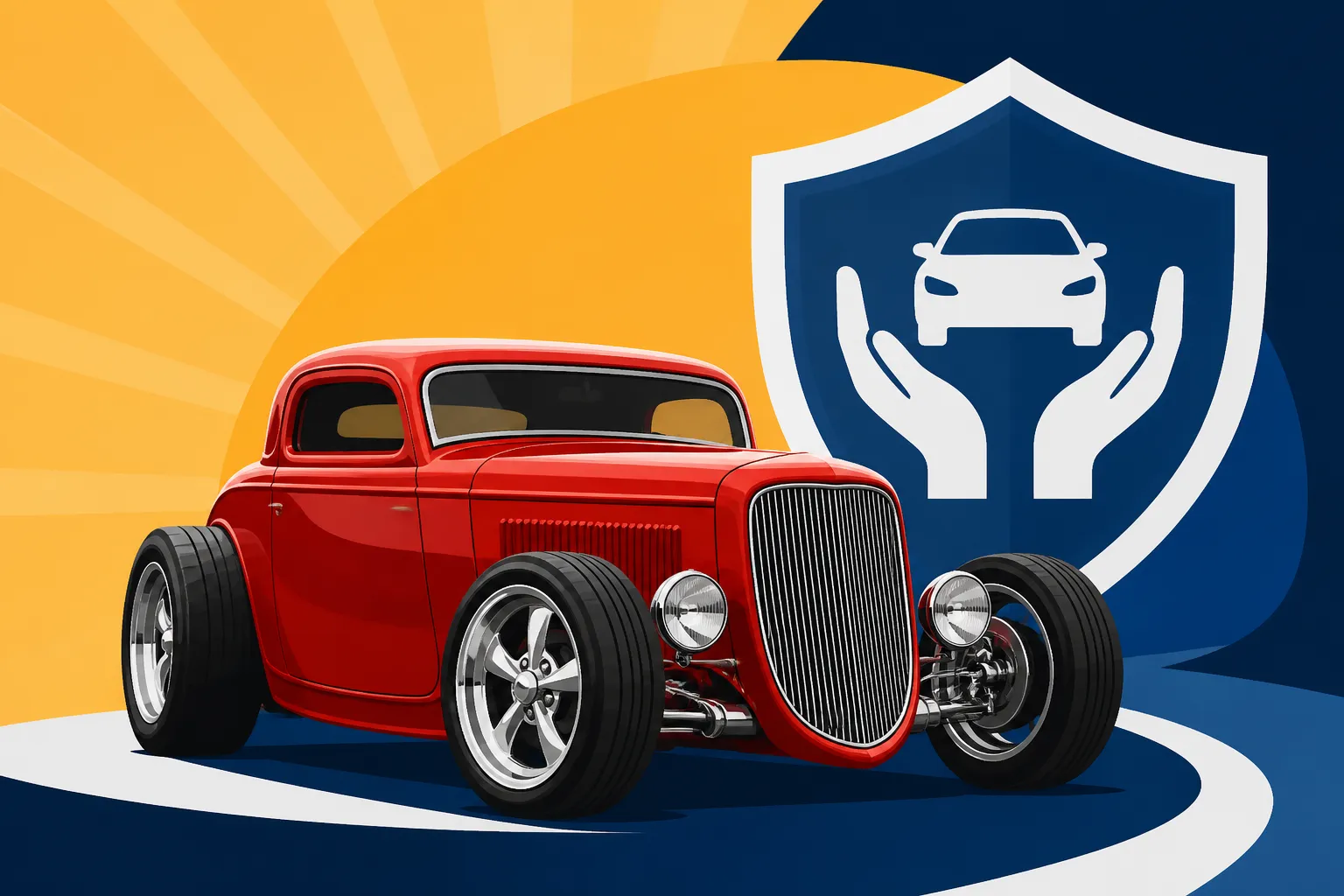
When an insurer talks about a "street rod," they're generally referring to a vehicle that's been highly modified from its original form, often pre-1949, though some policies might extend this to pre-1960s. These aren't factory originals; they're custom creations designed for show and pleasure driving. Think of hot rods with modern suspensions, powerful engines, custom interiors, and slick paint jobs. They've gone far beyond simple restoration or even light modification.
The key differentiators for insurance purposes usually include:
- Year of Manufacture: Traditionally pre-1949, but this can vary. Some might be considered "modern customs" if they're newer but heavily modified in the spirit of a street rod.
- Significant Modifications: This isn't just a fresh coat of paint. We're talking about extensive changes to the chassis, engine, suspension, bodywork, and interior. These are often one-off builds or highly customized interpretations of a classic design.
- Limited Use: Street rods are typically not daily drivers. They're weekend cruisers, show cars, and special event vehicles. Insurers assume they'll see limited mileage, which directly impacts risk and, consequently, premiums. This is where understanding the distinction between regular and specialty policies, like those that offer Classic Car Insurance vs Regular Insurance: What's Required, becomes crucial.
- Originality vs. Customization: Unlike fully restored classics where originality boosts value, with street rods, customization is the value. The more unique and high-quality the modifications, the higher its insured value can be.
Understanding these distinctions is the first step to ensuring your insurer sees your street rod for what it truly is, rather than just an old car.
Unique Risks and Valuation Challenges
One of the biggest headaches for street rod owners is getting an accurate valuation. A standard insurance adjuster, used to looking up VINs in a database, will be utterly lost when faced with a custom build that has a modern drivetrain from one car, a chassis from another, and a custom body. This leads to common frustrations where the payout for a total loss might only reflect the base vehicle's depreciated value, completely ignoring the thousands of dollars and hundreds of hours you've invested.
Street rods, despite their robust custom builds, also face unique risks:
- Theft of Unique Parts: While any car can be stolen, specific custom components, unique engines, or custom wheels on a street rod are highly desirable to thieves, making them targets for parts theft as well as whole vehicle theft.
- Accidental Damage: Modern performance components mean street rods can be driven spiritedly, but their unique chassis and often custom bodywork can be complex and expensive to repair if damaged. A minor fender bender in a stock car is usually straightforward; in a custom street rod, it could involve custom fabrication and specialty paint work that skyrockets repair costs.
- Show and Event Risks: If you take your street rod to shows, parades, or club events, you expose it to crowds, potential bumps, or even vandalism. Standard policies rarely consider Classic Car Show and Event Coverage Rules, leaving you vulnerable.
- Transportation Damage: Hauling your street rod to events or storage often involves trailers. Damage during loading, unloading, or transit is a real concern, and it's not always covered by your standard auto or homeowner's policy.
This is why traditional auto insurance companies often struggle with these vehicles. They're simply not equipped to understand or properly insure the intrinsic value of a custom build, leading to a significant gap between what you believe your vehicle is worth and what they're willing to cover.
The Importance of Agreed Value Coverage
For street rods, Agreed Value coverage isn't just an option; it's an absolute necessity. Unlike Actual Cash Value (ACV) or Stated Value policies, an Agreed Value policy locks in the value of your vehicle before a loss occurs. You and the insurer agree on a specific dollar amount that will be paid out if your street rod is ever deemed a total loss due to theft, accident, or other covered perils.
Here’s why this is paramount for street rods:
- Protects Your Investment: Imagine spending $75,000 building your dream '32 Ford highboy, only for a standard policy to value it at $20,000 in a total loss scenario. Agreed Value ensures you get the full $75,000 (or whatever you've agreed upon), safeguarding your financial and emotional investment. It provides peace of mind that your unique creation is protected. Many specialized insurers understand that Why Agreed Value Matters for Classics.
- Reflects True Value: This type of policy allows for the inclusion of all your custom modifications, high-performance parts, custom paint, and specialized labor in the valuation. You'll often need an appraisal or detailed documentation of your build, but it's worth every bit of effort.
- Avoids Depreciation Issues: Standard policies typically apply depreciation. With an Agreed Value policy, your street rod’s value isn't subject to market fluctuations or standard depreciation models for mass-produced vehicles. The value is fixed, subject to periodic reviews to ensure it's still accurate as the vehicle's condition or market might change.
- Tailored to Your Build: Specialty insurers offering Agreed Value policies are often more flexible in how they assess and update the value, understanding that a street rod's worth can increase with further enhancements or rising market demand for unique customs.
When you're comparing quotes, always, always, always ensure you're getting an Agreed Value policy. Anything less is a gamble with your prized possession.
Key Factors to Consider When Choosing an Insurer for Your Street Rod
Choosing an insurance company for your street rod goes far beyond simply picking the cheapest premium. You need a partner that truly understands the collector car world, especially the nuances of custom builds. Many companies offer standard auto insurance, but very few truly excel in the specialty market.
Specialization and Expertise
This is perhaps the single most important factor. You wouldn't go to a general practitioner for brain surgery, right? The same logic applies to insuring your street rod. You need an insurer whose primary business is collector vehicles.
Here's why:
- Understanding Custom Builds: Specialty insurers have underwriters and adjusters who are knowledgeable about custom cars, hot rods, and street rods. They understand the value of a custom chassis, a meticulously built engine, handcrafted interior, or a multi-stage paint job. They speak your language and appreciate the craftsmanship involved.
- Accurate Valuation: These companies are equipped to handle appraisals and documentation for unique vehicles. They often have internal valuation resources or work with independent appraisers who specialize in custom cars, ensuring your Agreed Value accurately reflects your investment.
- Specific Coverage Options: Beyond Agreed Value, specialty insurers offer a suite of coverages tailor-made for collector vehicles. This might include coverage for spare parts, vehicles under restoration, or even trip interruption insurance if you're traveling to a show. For example, some offer specialized Restoration Coverage for Classic Cars which can be vital for a build in progress.
- Collector Community Involvement: Many leading specialty insurers are deeply involved in the collector car community, sponsoring shows, providing valuation tools, and generally having a passion for these vehicles. This translates into a better understanding of their clients' needs and concerns.
Companies like Hagerty are renowned for their specialization in the collector car market, including street rods. They've built their entire business around understanding and catering to these unique vehicles, setting them apart from mainstream providers.
Coverage Options Beyond the Basics
While liability and physical damage (collision and comprehensive) are standard, a specialty policy for a street rod should offer much more. Don's let a basic policy leave you exposed.
Look for these essential add-ons:
- Spare Parts Coverage: Many street rod owners accumulate valuable spare parts, tools, or even automobilia. A good policy will offer specific coverage for these items, whether they're in your garage or in transit. This is often an overlooked but critical aspect of protecting your entire investment, especially considering the rarity and cost of some custom or vintage components. You'd be surprised how important Spare Parts Coverage Explained can be.
- Inflation Guard: The value of well-built street rods can actually appreciate over time, or the cost to replace parts can increase. Inflation Guard automatically adjusts your Agreed Value upwards by a small percentage each year (e.g., 2-6%) at no additional cost, helping to ensure you're not underinsured as time goes on. This protects your investment from rising costs.
- Roadside Assistance and Flatbed Towing: Your street rod isn't like a modern car you can just hook up to any tow truck. It requires a flatbed to prevent damage to its custom suspension or bodywork. Specialty policies often include roadside assistance with guaranteed flatbed towing, which is invaluable if you break down far from home or at a show.
- Cherished Salvage Coverage: In the event of a total loss, this option allows you to retain the salvage of your vehicle after receiving the full Agreed Value payout. This is crucial for street rod owners who might want to salvage custom components, personal effects, or even rebuild the vehicle themselves.
- Show and Tour Coverage: This extends coverage specifically for incidents that might occur while your street rod is at a car show, during a parade, or participating in a club tour or rally.
- Personal Effects Coverage: If you carry personal items in your street rod, like custom helmets, jackets, or show supplies, this can cover them if they're damaged or stolen from the vehicle.
Claims Process and Customer Service
When the unthinkable happens, you want an insurer that makes the claims process as smooth and understanding as possible.
Consider these aspects:
- Expert Adjusters: Do they have adjusters who specialize in collector cars and understand custom builds? A general adjuster might not recognize the value of specific modifications, leading to disputes over repair costs or total loss payouts. You want someone who knows a custom frame from a stock one.
- Hassle-Free Process: Specialty insurers often pride themselves on a streamlined, collector-friendly claims process. They understand that a quick resolution means you can get your street rod repaired or replaced and back on the road or in the garage faster. Reviews of companies often focus on their Hagerty Claims Process Reviewed or similar processes from other specialized providers.
- Transparency and Communication: Good customer service means clear communication throughout the claims process. You should know what's happening, what the next steps are, and what to expect.
- Reputation for Fair Payouts: Research reviews and testimonials. Do other street rod owners report positive experiences with claims, especially regarding Agreed Value payouts? A company's reputation in the collector community speaks volumes about its reliability.
Ultimately, the best insurer for your street rod will be one that combines deep specialization, comprehensive coverage options, and a proven track record of excellent claims service, ensuring your unique investment is truly protected.
Top Insurance Companies for Street Rods
When it comes to insuring a street rod, you're looking for specialists, not generalists. While many mainstream providers can offer some form of classic car insurance, they often lack the depth of understanding and the tailored policies that true specialty insurers provide.
Hagerty: A Leader in Collector Car Insurance
When people talk about insuring collector vehicles, Hagerty is almost always the first name that comes up, and for good reason. They have built their entire business around a deep appreciation and understanding of classic, antique, and custom vehicles, including street rods.
Here's what makes Hagerty a standout choice for street rod owners:
- Unparalleled Expertise: Hagerty's staff, from underwriters to claims adjusters, are immersed in the collector car world. They understand the nuances of custom builds, the value of fabrication, and the passion that goes into a street rod. They use their vast valuation data and network of appraisers to establish an accurate Agreed Value, which is essential for these unique vehicles.
- Comprehensive Coverage Options: Hagerty offers robust Agreed Value coverage, ensuring you get the full insured amount in the event of a total loss. Beyond that, they provide a range of specialized endorsements critical for street rod owners, such as:
- Spare Parts and Tools Coverage: Protecting those valuable custom components or unique tools you've acquired.
- Restoration Coverage: If your street rod is a continuous project, they can adjust its value as you invest more into it. This is a huge benefit for ongoing builds.
- Cherished Salvage: Allowing you to keep the vehicle's salvage after a total loss payout.
- Hagerty Drivers Club: An optional membership that includes roadside assistance with guaranteed flatbed towing, valuation tools, and exclusive events. This can be incredibly valuable for peace of mind on the road.
- Flexible Mileage Plans: Hagerty understands that street rods aren't daily drivers. They offer various mileage tiers, allowing you to choose a plan that fits your driving habits – whether you're taking it to shows a few times a year or enjoying more frequent pleasure cruises. This can also help manage your premiums.
- Strong Community Involvement: Hagerty isn't just an insurance company; they're a cornerstone of the collector car community. They sponsor countless shows, maintain a massive valuation database, and publish guides, showing a genuine commitment to the hobby. This involvement often translates into a better customer experience because they truly understand their clientele.
For many street rod owners, Hagerty provides the peace of mind that comes from knowing their unique vehicle is insured by people who "get it." Their dedication to the niche ensures that your custom build is properly valued and protected.
Other Reputable Options
While Hagerty often leads the pack, several other reputable specialty insurers also cater to the unique needs of street rod owners. It's always a good idea to get multiple quotes to compare coverage and pricing.
- Grundy Insurance: Grundy is another highly respected name in the collector car insurance world. Like Hagerty, they offer Agreed Value policies and understand the specific requirements of custom builds like street rods. They often have a reputation for competitive pricing and a strong focus on liability coverage, which can be attractive for collectors. They generally have similar restrictions on vehicle use (no daily driving) and storage requirements.
- American Collectors Insurance: This company also specializes in collector vehicles and provides Agreed Value coverage for street rods, hot rods, and other custom builds. They offer various add-ons, including coverage for spare parts, roadside assistance, and even protection for automobilia. Their policies are designed to be flexible and tailored to the collector lifestyle.
- American Modern Insurance Group: American Modern is another player in the specialty vehicle market, offering insurance for custom cars, hot rods, and street rods. They provide Agreed Value coverage and understand the unique valuation process required for these vehicles. They may offer more flexibility in terms of acceptable vehicle types or usage, depending on their specific programs.
Each of these companies brings its own strengths to the table, and while their core offerings might be similar (Agreed Value, specialized coverage), their pricing, customer service approach, and specific policy endorsements can vary. It's crucial to delve into the details of each quote.
Comparing Their Offerings
When comparing quotes from these specialty insurers for your street rod, look beyond the bottom-line premium. The true value lies in the details of the coverage.
Here's a table to help you compare key aspects:
| Feature/Company | Hagerty | Grundy | American Collectors Insurance | American Modern Insurance Group |
|---|---|---|---|---|
| Valuation Type | Agreed Value (Primary) | Agreed Value (Primary) | Agreed Value (Primary) | Agreed Value (Primary) |
| Street Rod Expertise | High – Deeply integrated into collector community, vast valuation data | High – Strong focus on high-value and custom builds | High – Dedicated to collector vehicles, understands modifications | High – Specialized programs for custom, hot rod, and street rod builds |
| Mileage Options | Multiple tiers (e.g., 2,500, 5,000, unlimited for certain vehicles) | Often flexible with low annual mileage limits | Various options available depending on use (e.g., pleasure, exhibition) | Multiple annual mileage options |
| Spare Parts Coverage | Yes, often an included or optional add-on | Yes, often an included or optional add-on | Yes, optional endorsement available | Yes, optional coverage available |
| Restoration Coverage | Yes, value can be updated during restoration process | Yes, can cover vehicles under active restoration | Yes, can accommodate increasing value during a build | Yes, tailored coverage for vehicles in various stages of restoration |
| Roadside Assistance | Yes, included with Hagerty Drivers Club | Yes, often included with policies | Yes, optional add-on | Yes, optional add-on |
| Cherished Salvage | Yes, often available as an option | Yes, often available | Yes, may be available depending on policy | Yes, can be an option for total loss claims |
| Community Programs | Extensive (Hagerty Drivers Club, Valuation Tools, Events, Media) | Collector club discounts, specialized events | Collector club discounts, partnership programs | May offer club discounts |
| Customer Service | Highly rated, specialized adjusters | Well-regarded in the collector community | Good reputation for collector-specific needs | Known for specialized customer service teams |
When you're comparing, ask specific questions about how each company handles claims for custom work, what their requirements are for appraisals or documentation, and how flexible they are with increasing your Agreed Value as your street rod evolves. Remember, the best company is one that provides not just a policy, but a partnership in protecting your passion. For example, comparing Hagerty vs Grundy: Which Is Better often comes down to specific coverage nuances and pricing for your particular vehicle and usage.
Getting the Best Policy for Your Street Rod
Securing the right insurance for your street rod isn't a one-time transaction; it's an ongoing process. You'll want to ensure your policy accurately reflects your vehicle's value and usage, and that you're taking advantage of any potential savings.
Documenting Your Build and Value
This is perhaps the most critical step in insuring a street rod. Since every street rod is unique, you can't rely on generic market values. You need to provide your insurer with a clear picture of what makes your vehicle special and valuable.
Here’s a checklist for documentation:
- Detailed Appraisal: An independent appraisal from a qualified appraiser specializing in custom and collector cars is invaluable. This document provides a professional, objective valuation of your street rod, detailing all modifications, the quality of workmanship, and photographs. Make sure it explicitly states the Agreed Value.
- Photos, Photos, Photos: Take extensive, high-quality photos of every aspect of your street rod – exterior, interior, engine bay, chassis, custom fabrication, and unique features. These photos serve as visual proof of its condition and customization. Ensure you update them as your build progresses or if you make significant changes.
- Receipts and Records: Keep meticulous records of all parts purchased, custom work performed, and labor hours invested. This includes invoices for a new engine, custom paint job, upholstery work, suspension components, and any specialized fabrication. These financial records back up your claimed value.
- Build Sheets and Specifications: If you have documentation from the builder or a detailed list of all specifications, performance upgrades, and materials used, include these. The more information you provide, the easier it is for the insurer to understand and agree to your requested value.
- Proof of Condition: Any recent maintenance records, inspection reports, or show awards can further establish the quality and value of your street rod.
Providing thorough documentation not only helps establish the initial Agreed Value but also streamlines the claims process if you ever need to file one. It leaves no room for doubt about what your street rod is worth. Many insurers don't even require an appraisal for all vehicles, but for a street rod, it's highly recommended. Knowing How to Get a Classic Car Appraisal is a great start.
Smart Driving and Storage Practices
Specialty insurers offer lower premiums for street rods precisely because they assume these vehicles are driven and stored differently than daily drivers. Adhering to these assumptions helps you maintain coverage and keep your rates affordable.
- Limited Use: Your street rod is for pleasure driving, car shows, and club events, not commuting to work or running errands. Most specialty policies have strict limited-use clauses and mileage limits. For example, a common limit might be 2,500 or 5,000 miles per year, though some providers like Hagerty offer Unlimited Mileage Classic Car Insurance Explained for qualifying vehicles. Exceeding these limits without notifying your insurer could jeopardize your coverage.
- Secure Storage: Insurers typically require your street rod to be stored in a secure, enclosed, and locked facility, such as a private garage or a professional storage unit. Parking it outside, in a carport, or in an unsecured area might violate policy terms and significantly increase your risk. A securely stored vehicle is less prone to theft or weather damage. This is a crucial factor in How Storage Affects Classic Car Eligibility.
- Responsible Driving: While your street rod is built for performance, policies generally prohibit racing, track use, or reckless driving. Insurers expect responsible operation that minimizes risk.
- Maintain a Daily Driver: Most specialty insurers require that you have a separate, primary vehicle for your daily transportation needs. This reinforces the "limited use" nature of your street rod and demonstrates that it's a collector's item, not your main mode of transport. This concept is explored further in Do You Need a Separate Car for Classic Insurance.
By following these best practices, you not only protect your street rod but also ensure you remain eligible for the specialized, often more affordable, insurance rates.
Reviewing and Updating Your Policy
Your street rod is a living, evolving project, and your insurance policy should reflect that. Don't set it and forget it!
- Annual Review: At least once a year, or whenever you make significant modifications, review your policy with your insurer. Discuss any upgrades, new parts, or changes in your vehicle's condition or value. This is especially important for street rods, whose value can increase with continued investment. This process is covered in articles like How to Increase Agreed Value at Renewal.
- Notify of Major Changes: If you install a new engine, perform a major body modification, or significantly enhance the interior, inform your insurer immediately. These changes directly impact the vehicle's Agreed Value and the cost to repair or replace it. Failing to update your policy could leave you underinsured.
- Adjust Agreed Value: If market values for similar street rods increase, or if your build wins awards that elevate its status, discuss adjusting your Agreed Value with your insurer. Provide updated appraisals or documentation to support the new value.
- Personal Information: Ensure your personal information, including your mailing address, primary garage location, and contact details, is always up to date.
By actively managing your street rod insurance policy, you ensure that your pride and joy is always protected at its true value, no matter how much it evolves over time. It's a small investment of time that offers immense peace of mind.
Disclaimer
Please remember that this article provides general information and guidance regarding classic car insurance. Insurance policies and requirements can vary significantly by state, insurer, and the specific characteristics of your vehicle. It is essential to consult directly with a qualified insurance professional or agent to discuss your individual needs, obtain personalized quotes, and understand the specific terms and conditions of any policy you consider. The information provided here is not a substitute for professional insurance advice.