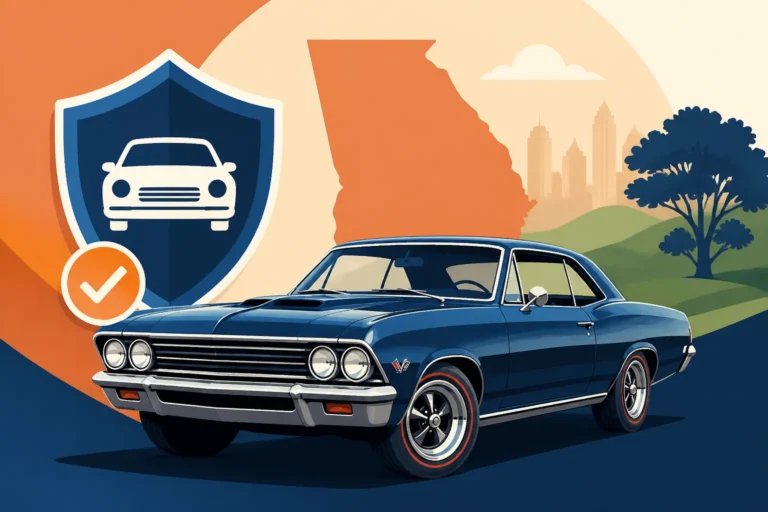
Best Insurance Company for a Restomod
If you're lucky enough to own a restomod, you know the exhilarating feeling of classic style blended with modern performance. But that unique blend often comes with a headache when it's time to talk insurance. Standard auto policies just don't get the specialized value of your custom creation, leaving you vulnerable to being drastically underinsured if something goes wrong. This guide is here to cut through the confusion and help you discover the best insurance companies that truly understand and properly protect your restomod investment.
The Unique Insurance Needs of a Restomod
Restomods are in a league of their own, carving out a fascinating niche between pure classic cars and modern performance vehicles. This unique identity, however, presents a significant challenge when it comes to finding appropriate insurance coverage. You can't just slap a regular auto policy on a vehicle that boasts a vintage body with a fuel-injected engine, modern suspension, and a custom interior. Doing so is a recipe for disaster, as most standard insurers won't understand the true value or the specialized components that make your restomod special.
Why Restomods Aren't Standard Classics or Modern Cars
A restomod isn't just a classic car with a new paint job; it's a meticulously engineered piece of automotive art. Owners invest countless hours and significant capital into combining the nostalgic aesthetics of a bygone era with the reliability, safety, and performance of contemporary automotive technology. We're talking about classic muscle cars getting powerful Coyote or LS engine swaps, vintage trucks receiving independent front suspensions and disc brakes, or even iconic European sports cars being fitted with modern transmissions and creature comforts. The problem is, a typical insurance adjuster, trained to assess either an OEM classic's market value or a production modern car's depreciation, will likely have no framework for accurately valuing such a hybrid. They might see an old car and value it as such, or they might see a modified car and apply exclusions for custom parts, leaving you high and dry. This is why understanding the specific requirements for insuring a restomod is absolutely critical.
The Agreed Value Imperative for Restomods
This is perhaps the most crucial point for any restomod owner: you absolutely need an "agreed value" policy. Unlike an actual cash value (ACV) policy, which depreciates your vehicle's value over time, or a stated value policy, which often limits the payout to either the stated amount or the actual cash value (whichever is less), an agreed value policy ensures that if your restomod is a total loss, the insurance company will pay out the exact amount you and they agreed upon at the policy's inception. This figure should reflect the true cost of your vehicle, including the base classic, all modifications, parts, and labor. Without it, you're rolling the dice. Imagine spending $150,000 to build your dream 1969 Camaro restomod, only for a standard policy to value it at $40,000 after an accident. That's a gut punch no enthusiast wants to experience. Choosing an Agreed Value Coverage Explained policy means your insurer understands and respects your investment.
Protecting Custom Components and Labor
The heart and soul of a restomod lie in its custom components and the specialized labor required to integrate them. Think about a custom-fabricated frame, a bespoke interior from a high-end upholstery shop, or a meticulously installed supercharger system. These aren't off-the-shelf parts; they represent significant expense and craftsmanship. Standard auto policies, designed for mass-produced vehicles, rarely account for these unique modifications. Many even have clauses that limit or exclude coverage for aftermarket parts. A specialist restomod insurance policy, however, is built to cover these very elements. It recognizes the value of custom wheels, performance braking systems, modern infotainment units, and, most importantly, the skilled labor that went into transforming your classic into a modern marvel. Without specific coverage for these custom elements, a minor fender bender could lead to a massive out-of-pocket repair bill that far exceeds what a conventional policy would cover.
Essential Coverages and Features for Restomod Policies
Insuring a restomod isn't just about getting basic liability. It's about crafting a comprehensive shield that accounts for every custom nut, bolt, and stitch. You need an insurance partner who doesn't just tolerate modifications but actively understands and values them.
Comprehensive and Collision Coverage Tailored for Customs
While standard comprehensive and collision coverage protects against theft, damage from weather events, and accidents, a restomod needs this coverage with a critical difference: the valuation. Your policy must reflect the agreed value of your vehicle, ensuring that if it's totaled or significantly damaged, you're compensated for the full, custom value. This includes the bespoke paint, the hand-stitched leather interior, the unique engine build, and any other specialized systems. For instance, if your 1970 Dodge Challenger restomod with its custom suspension and rebuilt HEMI engine suffers hail damage, you want an insurer that understands the cost to replace or repair those specific high-end components, not just what it would cost to fix a stock 1970 Challenger. The best policies will specify how they handle custom work and aftermarket parts within the comprehensive and collision claim process, often paying for new custom parts rather than depreciated OEM equivalents.
Restoration and Vehicle Under Construction Coverage
Many restomods are never truly "finished." They evolve over time, with new upgrades and refinements constantly being made. For those still in the build phase or undergoing significant upgrades, specific Restoration Coverage for Classic Cars or vehicle under construction coverage is paramount. Standard policies typically won't cover a car that's disassembled or undergoing extensive modification in your garage or at a specialized shop. These policies are designed to protect your investment as its value increases throughout the restoration or modification process. They often allow you to periodically update the agreed value to reflect new parts and labor invested, ensuring that your burgeoning masterpiece is always adequately protected, whether it's on a lift or just had a new custom exhaust installed.
Spare Parts and Automobilia Coverage
Restomod owners often amass a collection of spare parts, specialty tools, and even automobilia that are integral to their hobby or future projects. These items can be incredibly valuable, from rare NOS parts to custom-machined components waiting to be installed. Standard homeowner's insurance might offer limited coverage for these, but it's often insufficient. A specialized classic car insurance policy can extend coverage to your collection of Spare Parts Coverage Explained and related items, whether they're stored in your garage, at a separate storage facility, or even in transit to a fabricator. This ensures that your entire automotive ecosystem is protected, not just the car itself. Imagine having a spare, fully built engine assembly for your restomod sitting in storage; losing that to theft or fire without specific coverage could be a devastating financial blow.
Flexible Mileage and Use Restrictions
Unlike a daily driver, restomods are typically not used for commuting or routine errands. Insurance companies specializing in collector vehicles understand this and offer policies with flexible mileage limits and specific use restrictions that reflect this reality. Most restomod policies will require that the vehicle not be used as a primary mode of transportation. Instead, they cover "pleasure use," which often includes driving to car shows, club events, tours, or simply enjoying a weekend cruise. You'll often find options for mileage tiers, such as 1,000, 3,000, or 5,000 miles per year. While some companies offer unlimited mileage options for a higher premium, the key is finding a policy that aligns with your actual driving habits without unduly restricting your enjoyment. Understanding the Pleasure-Use Requirement Explained ensures you're getting the right type of coverage for how you truly use your prized possession.
Top Insurance Providers for Restomods
When it comes to insuring a restomod, you really need to look beyond your everyday insurance providers. Specialty insurers are the ones who truly understand the nuances of these unique vehicles.
Why Specialty Insurers Understand Restomods Best
General insurance companies, like the ones that cover your daily driver, typically operate on a depreciation model. They view a car as an asset that loses value over time. For a restomod, where value is often created through custom work and unique modifications, this model simply doesn't fit. Specialty insurers, on the other hand, focus on the appreciation and unique value of collector vehicles. They employ adjusters and valuation experts who are well-versed in custom builds, aftermarket components, and the labor costs associated with high-quality modifications. This means they're far more likely to offer policies with agreed value, specialized endorsements for parts, and a claims process that respects the effort and expense you've poured into your restomod. Attempting to insure a restomod with a standard carrier often leads to frustration, inadequate coverage, and potentially massive financial loss in the event of a claim. This is especially true when considering the complex Requirements for Insuring a Modified Classic.
Key Players in the Restomod Insurance Space
Several companies stand out as leaders in the classic and collector car insurance market, and they are generally the best choices for insuring a restomod due to their understanding of specialized vehicles.
-
Hagerty: Without a doubt, Hagerty is one of the most prominent names in collector car insurance, and they are an excellent choice for restomod owners. They have a deep appreciation for modified classics and offer policies specifically designed to cover custom builds. Hagerty excels in offering agreed value coverage, and their team of valuation experts understands how to assess the value of unique modifications, performance upgrades, and high-end finishes. They also provide excellent resources, like their valuation tools, to help you determine your car's worth. Many restomod owners find their claims process to be very straightforward, ensuring fair compensation. Their policies often include benefits like roadside assistance specifically designed for classic and custom cars, which means flatbed towing to avoid damage. Read more in our Hagerty Classic Car Insurance Review.
-
Grundy Insurance: Another strong contender in the specialty insurance market, Grundy offers comprehensive policies that are very well-suited for restomods. They are known for their competitive rates and, like Hagerty, prioritize agreed value coverage. Grundy understands that restomods are not daily drivers and offers flexible mileage plans. They also have a solid reputation for covering vehicles that are in various stages of modification or restoration, which is a huge plus for enthusiasts whose projects are never truly "done." Their policies are designed to protect your investment, often with no deductible for comprehensive or collision coverage in some situations, which can be a significant advantage. Check out our Grundy Classic Car Insurance Review for more details.
-
American Collectors Insurance / American Modern: These are two other reputable specialty insurers that often provide excellent options for restomods. American Collectors Insurance, like Hagerty and Grundy, offers agreed value policies and understands the nuances of custom vehicles. They often have flexible underwriting, which can be beneficial for unique builds that might not fit neatly into typical categories. American Modern also has a strong presence in the collector market and offers policies that cover custom parts and labor, ensuring your restomod is protected comprehensively. Exploring an American Collectors Insurance Review can provide more insight into their specific offerings.
What Differentiates a Good Restomod Policy
Beyond the agreed value, which is non-negotiable, a truly good restomod policy will offer several key differentiators. Look for an insurer that actively promotes coverage for modifications rather than just tolerating them. This means their policy language is clear about covering custom paint, engine swaps, upgraded interiors, and advanced braking systems. The best companies will have in-house experts who understand the custom car market, not just generic adjusters. They should offer flexible use policies, acknowledging that your restomod might see more varied "pleasure" use than a pure show car. Furthermore, excellent customer service and a streamlined claims process are vital. You want an insurer that makes it easy to update your agreed value as your build progresses and processes claims efficiently and fairly if an incident occurs.
Securing the Best Coverage and Value for Your Restomod
Getting the right insurance for your restomod isn't just about picking a name; it's about being prepared and proactive. Proper documentation and smart shopping are your best friends here.
Documenting Your Restomod's Value and Modifications
Before you even start getting quotes, you need to thoroughly document your restomod. This isn't just for your peace of mind; it's essential for ensuring your insurer understands and agrees to your vehicle's value. Gather all receipts for parts, labor, and custom work. Take high-quality photographs and videos of every aspect of the build, from the engine bay to the interior, and any unique custom fabrications. A professional appraisal from a qualified classic and custom car appraiser is often a wise investment. This provides an unbiased, expert opinion on your vehicle's market value, accounting for all modifications. The appraisal acts as a foundational document for setting your agreed value and is invaluable in the event of a claim. Understanding How Classic Car Appraisals Work for Insurance is key to this process. The more detailed your documentation, the smoother the underwriting and claims process will be.
Getting Multiple Quotes and Comparing Offers
Even with specialty insurers, rates and specific coverage details can vary. It's always a smart move to get quotes from several of the top providers like Hagerty, Grundy, and American Collectors Insurance. Don't just look at the premium price; dive deep into the policy details. Compare the agreed value offers, any deductibles, mileage limitations, and specific exclusions. Pay close attention to how each company handles custom parts and ongoing restoration work. Some policies might seem cheaper upfront but offer less comprehensive coverage for your unique build, potentially leaving you exposed. Using a broker specializing in classic and custom car insurance can be incredibly helpful, as they can often compare policies from multiple carriers and help you understand the subtle differences. Our guide on How to Compare Classic Car Insurance Quotes offers a step-by-step approach to ensure you're making an informed decision.
Considerations for Driving and Storage
Insurance premiums and eligibility for restomod policies are heavily influenced by how you store and use your vehicle. Most specialty insurers require your restomod to be stored in a secure, enclosed facility, such as a locked garage. This significantly reduces the risk of theft and damage from environmental factors. If you don't have adequate storage, it can impact your eligibility or increase your premiums. Our article on Garage Storage Requirement for Classic Cars delves deeper into these stipulations. Also, be honest about your estimated annual mileage and intended use. While restomods can be driven more frequently than some pristine show cars, they are still considered pleasure vehicles, not daily transportation. Choosing a mileage tier that accurately reflects your driving habits, without exceeding limits, is crucial for maintaining your policy's validity and avoiding potential claim issues. Misrepresenting your usage can lead to a denied claim, so always be transparent with your insurer.
| Feature / Company | Hagerty | Grundy Insurance | American Collectors Insurance |
|---|---|---|---|
| Valuation | Agreed Value | Agreed Value | Agreed Value |
| Restomod Focus | High, strong emphasis on custom builds & modifications | High, understands modified & project vehicles | High, caters to custom & specialized vehicles |
| Restoration/Project Coverage | Yes, allows value increases during build | Yes, flexible for vehicles under construction | Yes, for vehicles in process of restoration |
| Spare Parts Coverage | Yes, optional separate coverage available | Yes, often included or available as an add-on | Yes, optional coverage for parts & tools |
| Mileage Options | Flexible tiers (e.g., 1k, 3k, 5k, unlimited) | Flexible tiers, often no fixed mileage limit if for pleasure | Flexible tiers based on estimated annual usage |
| Roadside Assistance | Specialized flatbed towing included | Specialized towing included | Specialized towing included |
| Appraisal Requirement | Often not required for initial quote, may be for high value | Often not required for initial quote, may be for high value | Often not required for initial quote, may be for high value |
| Driver Age Requirement | Typically 25+, but exceptions for younger collectors | Typically 25+, exceptions sometimes for experienced younger drivers | Typically 25+, but may consider younger with good record |
Disclaimer
Please remember that insurance policies and requirements can change. This content is intended for informational purposes only and does not constitute financial or legal advice. Always consult with a qualified insurance professional to discuss your specific needs and obtain accurate, up-to-date policy information and quotes for your restomod.