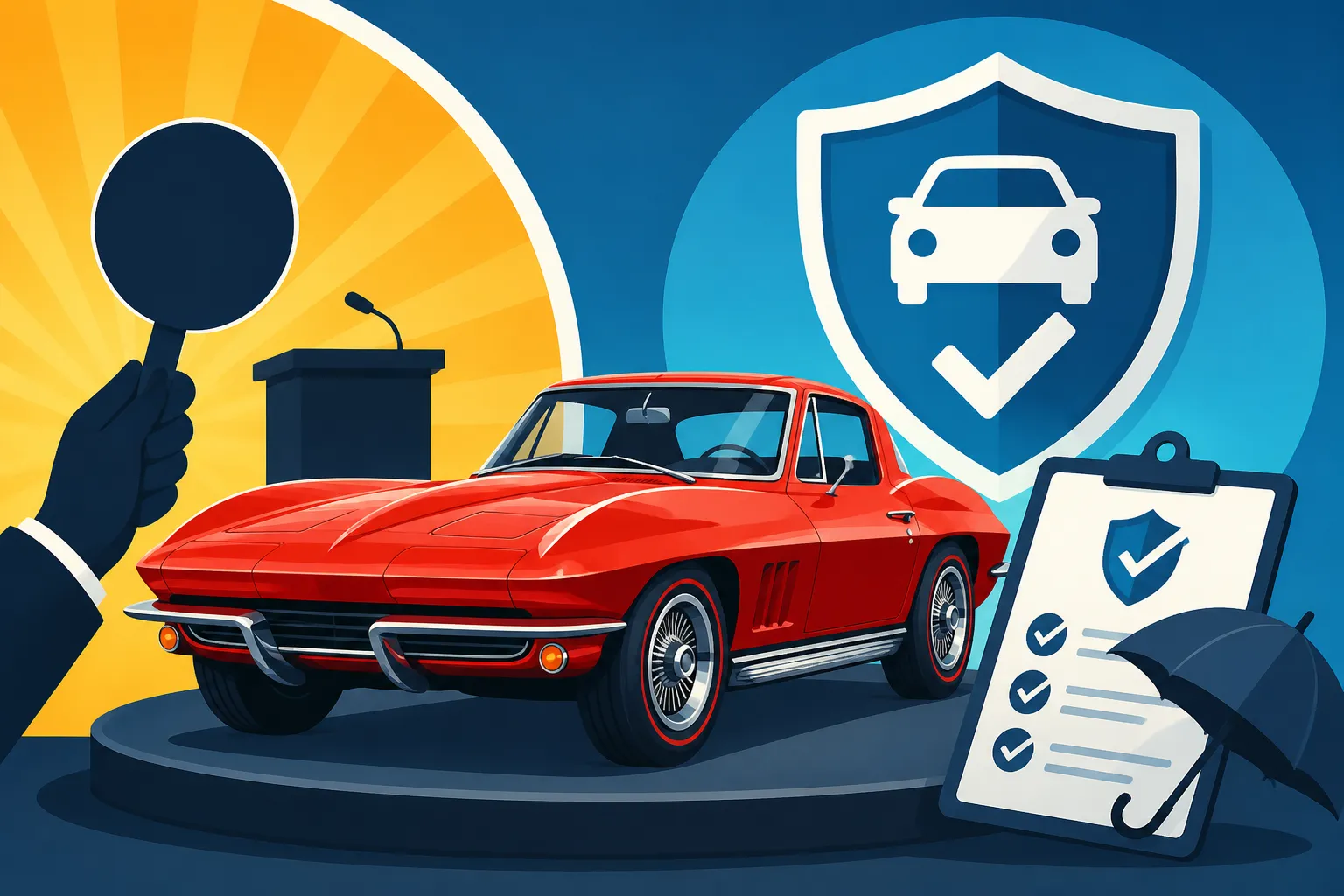
How to Insure a Car at Auction
The thrill of the auction block, the intense bidding, the roar of the crowd as the gavel falls – it's an exhilarating experience, especially when you're the one taking home that dream classic car. But amidst the excitement of your new acquisition, a crucial question often looms large: how do you ensure your prized possession is protected the moment it becomes yours? This guide will meticulously walk you through the often-confusing process of securing classic car insurance for a vehicle bought at auction, ensuring peace of mind from the sale to your garage.
Preparing for Auction: Insurance Homework Before the Gavel Drops
Buying a classic at auction isn't like picking up a daily driver from a local dealership. The process is often fast-paced, and you can't just drive off the lot with a handshake. Insurance needs to be a top-of-mind consideration before you even raise your paddle. Many collectors get swept up in the emotion of the moment and forget to dot their i's and cross their t's regarding protection, which can lead to significant headaches, or worse, financial loss, if something goes wrong immediately after the sale.
Researching the Vehicle and Its Insurance Profile
Before you even step foot into an auction hall or log onto an online bidding platform, thorough research on the specific vehicle you're eyeing is paramount. This isn't just about verifying its provenance or mechanical condition; it's also about understanding its insurability. Some classic cars, due to their rarity, value, or even modifications, might present unique challenges when it comes to securing appropriate coverage.
Take the time to delve into the car's history. Has it been previously damaged? Does it have a clear title, or is there any ambiguity like a salvage title? These factors can significantly impact an insurer's willingness to cover the vehicle or the premium they might charge. A reputable specialty insurer, such as Hagerty, can often provide insights even before you commit to a purchase, sometimes offering preliminary evaluations based on the vehicle identification number (VIN) and detailed photos. It's also wise to check for any existing liens, as these must be resolved for a clean transfer of ownership and smooth insurance processing.
Estimating the Vehicle's Value for Agreed Value Coverage
One of the cornerstones of classic car insurance is "agreed value" coverage, where you and the insurer agree on a specific value for the car upfront. If the car is then deemed a total loss, you receive that agreed-upon amount, no questions asked. This differs vastly from "actual cash value" policies common with daily drivers, which factor in depreciation and can leave you significantly short-changed for a classic. When buying at auction, estimating this agreed value beforehand is a crucial step in preparing to insure.
You'll want to use reputable valuation resources beyond just the auction house's estimate. Consult market guides, recent auction results for similar vehicles, and perhaps even consider a pre-purchase inspection by an independent appraiser if the auction allows it and the car's potential value warrants the investment. Having a solid understanding of the car's potential market value will enable you to propose a reasonable agreed value to your insurer, ensuring you're adequately protected. For more on this topic, consider reading up on how to determine your agreed value.
Obtaining Pre-Approved Insurance Quotes
Waiting until after the sale to even think about insurance is a recipe for stress and potential delays. The best practice for an auction purchase is to obtain pre-approved insurance quotes. This means contacting specialty classic car insurance companies with the vehicle's details (VIN, photos, estimated value, intended use, storage location) and getting a firm quote for coverage before you bid.
Many specialty insurers understand the auction environment and are equipped to provide these conditional quotes. They know that once the hammer falls, you need coverage almost immediately. Having a pre-approved quote allows you to act quickly. It also gives you a clear picture of the ongoing costs of ownership, preventing any nasty surprises post-purchase. Be transparent with the insurer about your intentions – for instance, whether the car will be a garage queen, a show car, or see limited pleasure use. These factors heavily influence policy terms and premiums.
Navigating Different Auction Types and Their Insurance Implications
Not all auctions are created equal, and understanding the nuances of different types of sales can significantly impact your insurance approach. Whether you're at a high-profile event like Barrett-Jackson, browsing an online platform, or attending a local estate sale, the speed, transparency, and specific rules of the auction format will dictate your immediate insurance needs.
Live Auctions vs. Online Platforms
Live, in-person auctions, like those held by Mecum Auctions or RM Sotheby's, typically involve an immediate transfer of ownership once the gavel falls. You literally own the car in that moment. This means you need to have a plan for immediate coverage. You might be able to secure a binder or temporary policy on the spot, or you might need proof of insurance for your transporter to take possession. The auction house itself might offer limited, short-term coverage as part of the buyer's fee, but this is rare and usually very basic, so don't rely on it.
Online auction platforms, such as Bring a Trailer or eBay Motors, often have slightly different timelines. While the sale is final, there's usually a window of a few days or weeks for payment and pickup. This grace period can give you a little more breathing room to finalize your permanent classic car insurance policy. However, it's still crucial to confirm when legal ownership transfers and to ensure you have coverage in place for that precise moment, especially if the car is still on the seller's property but legally yours. Understanding the intricacies of how to insure a car bought on Bring a Trailer can save you a lot of grief.
Dealer Auctions vs. Collector Auctions
Dealer-only auctions primarily cater to licensed car dealers buying inventory. While some highly collectible cars might pass through these, they typically involve different transactional procedures and are not usually accessible to the general public. Insurance at these sales often falls under the dealer's garage keeper's liability and floor plan insurance until the vehicle is sold to a private party.
Collector car auctions, conversely, are specifically designed for enthusiasts and collectors. These are where you'll find the rare, the unique, and the high-value classics. The auction houses themselves are usually well-versed in the needs of collectors and may even have preferred insurance partners on-site or readily available for quotes. For instance, you might find representatives from specialty insurers like Hagerty or Grundy present at major collector events, ready to assist with immediate coverage. The terms and conditions at these specialized auctions are generally more tailored to the unique nature of classic vehicle transactions, making the insurance process a bit smoother if you come prepared.
Immediate Coverage Needs: The Moment of Sale
The moment the auctioneer declares "Sold!" and the gavel hits, the vehicle legally becomes yours. This is the critical juncture where having your insurance ducks in a row is non-negotiable. You need protection immediately, not just for the journey home, but for any unforeseen circumstances that could occur even while the car is awaiting pickup at the auction site.
Securing a Binder or Temporary Policy
Most standard auto insurance policies won't automatically extend coverage to a newly acquired classic car, especially one bought at auction. The "grace period" that applies to regular cars often doesn't apply here, or the limits are too low for a valuable classic. Therefore, securing a binder or a temporary policy is often the first line of defense. A binder is essentially a temporary proof of insurance issued by your insurer, confirming that coverage is in effect while the full policy paperwork is being processed. It typically provides immediate, albeit short-term, protection.
You should coordinate with your chosen specialty classic car insurer before the auction to have this binder ready. Provide them with the VIN and estimated purchase price for the cars you're interested in. Then, if you win, a quick phone call or email can activate the binder immediately. This ensures that from the second the car is yours, it's covered for basic perils like theft, fire, or accidental damage. This immediate step is crucial for how to insure a classic car before driving it home.
Proof of Insurance for Transport and Pickup
Once you've secured your new classic, you'll need to move it from the auction site. Whether you're driving it home yourself (which is rare for true classics and often discouraged due to mileage restrictions) or, more likely, hiring a professional enclosed transport service, proof of insurance will be required. Auction houses and transport companies will not release a vehicle without verifying that it is adequately insured.
Your temporary binder or the nascent permanent policy will serve as this proof. Ensure it includes sufficient liability coverage, and ideally, comprehensive and collision coverage for the car's full agreed value. Professional transporters also carry their own cargo insurance, but your policy still protects your asset directly, irrespective of their coverage. Always confirm the transport company's insurance details and coverage limits, and ensure they are reputable and experienced in handling classic vehicles. For situations like transporting an imported classic, the requirements can be even more stringent.
Post-Auction Logistics: Getting Your New Classic Home
The euphoria of winning fades into the practicalities of getting your new acquisition safely from the auction block to its new home. This phase involves meticulous planning, from arranging specialized transport to finalizing your permanent classic car insurance policy. Overlooking these steps can expose your valuable classic to unnecessary risks.
Arranging Safe and Insured Transport
For most classic car purchases from an auction, especially if it's a valuable or delicate vehicle, professional enclosed transport is the gold standard. Attempting to drive a newly acquired classic, particularly over long distances, carries significant risks: unexpected mechanical failures, road hazards, weather exposure, and even theft while stopping overnight. Plus, many classic car insurance policies have strict mileage limitations or pleasure-use clauses that don't cover a lengthy cross-country drive from an auction.
When arranging transport, always opt for a reputable company experienced with classic cars. They should use enclosed trailers to protect against road debris, weather, and prying eyes. Verify their insurance coverage and ensure it's sufficient for your vehicle's value. Even with their coverage, your own policy remains primary for your peace of mind. Discuss pickup and delivery schedules thoroughly, especially if the auction site has specific windows for vehicle removal. This coordination is a crucial part of how to get coverage before picking up your classic.
Finalizing Your Permanent Classic Car Policy
Once the dust settles and your classic is either en route or safely garaged, it’s time to transition from any temporary coverage to your full, permanent classic car insurance policy. This typically involves submitting all final paperwork, including the bill of sale, title information, and any required appraisals or photographs to your specialty insurer.
The goal here is to secure comprehensive coverage that reflects the true value and intended use of your vehicle. This means confirming the agreed value, ensuring you have adequate liability limits, and considering essential add-ons like roadside assistance (with flatbed towing for classics!), spare parts coverage, and even inflation guard coverage, especially for appreciating assets. Don't hesitate to review the policy details with your insurer to ensure everything is accurate and you understand all the terms. For a complete understanding, you might want to delve into classic car insurance coverage types explained.
Considering Post-Purchase Appraisals
While you might have an estimated value going into the auction, a post-purchase appraisal can solidify your agreed value with the insurer. This is particularly important if the car sold for significantly more or less than your initial estimate, or if it's a very rare or highly customized vehicle. An independent, professional appraisal provides undeniable documentation of the car's condition and market value at the time of purchase.
This document can be invaluable in settling your agreed value with your insurance provider, ensuring that in the event of a total loss, there are no disputes about what you should be paid. It can also be critical for modified car insurance eligibility. Some insurers might even require an appraisal for higher-value vehicles as part of their underwriting process. This step strengthens your policy and gives you greater financial security, especially for investment-grade classics.
Special Considerations for Auction Purchases
Auction purchases often come with their own set of unique circumstances that can throw a wrench into standard insurance procedures. Being prepared for these eventualities is key to a smooth and secure transaction.
Dealing with Condition Issues and Project Cars
Not every car at auction is a pristine, ready-to-drive showstopper. Many are project cars, barn finds, or vehicles with known mechanical issues that the new owner intends to restore. Insuring these vehicles requires a different approach. Standard classic car policies might have specific requirements for a vehicle's condition, often expecting it to be in good, running order.
If you've purchased a non-running project car, you'll need specialized coverage. This might be "laid-up" coverage, which typically protects against theft, fire, and other non-driving perils while the vehicle is stored during restoration. As the restoration progresses and the car's value increases, you'll need to update your policy to reflect this. Some insurers offer specific restoration coverage for classic cars that allows the agreed value to increase as you invest in the project. This is a crucial distinction to understand, especially if you plan on a long-term build. For more detailed information, look into how to insure a car under restoration.
Navigating Title and Registration Challenges
Auction houses generally provide a clear title upon sale, but sometimes delays can occur, or there might be an issue with obtaining the title immediately. Without a title, registering and permanently insuring the vehicle can become complicated. It's vital to clarify the title transfer process with the auction house before you bid.
In some cases, especially with very old vehicles or barn finds, a car might be sold without a traditional title, requiring you to go through a bonded title process or other state-specific procedures to establish ownership. This can be a lengthy undertaking. Your insurance provider will need to be aware of any title irregularities, as it impacts their ability to underwrite the policy. Make sure you understand the requirements for classic car registration and insurance by state for your specific location. If you're dealing with a complicated case, understanding how to register a car with no title becomes essential.
Insuring Modified or Customized Classics
Many classics hitting the auction block are no longer in their original factory configuration. They might be restomods with modern powertrains and suspensions, hot rods with custom bodies, or simply performance-modified muscle cars. These modifications significantly impact the vehicle's value and, consequently, its insurance needs.
When obtaining quotes, be meticulously detailed about any modifications. Provide photos, receipts for custom work, and an itemized list of significant upgrades. An insurer will need to assess the value of these enhancements to properly cover the car. Failure to disclose modifications could lead to an underinsured vehicle or even a denied claim. Specialty insurers are generally much more accommodating to modified cars than standard auto insurers, understanding that these unique vehicles represent a significant investment in parts and craftsmanship. This is why it's vital to look for specific requirements for insuring a modified classic.
Choosing the Right Specialty Insurer for Auction Purchases
When it comes to classic car insurance, especially for auction acquisitions, a standard auto insurance company is rarely the best choice. Their policies are simply not designed to understand or adequately protect the unique value and use case of a classic. This is where specialty insurers shine.
Why Specialty Insurers Matter for Auction Cars
Specialty classic car insurance companies exist because they understand that a 1969 Mustang or a 1957 Chevrolet Bel Air isn't just a mode of transportation; it's a piece of history, an investment, and a passion project. They offer policies tailored to these unique characteristics, most notably the agreed value coverage we discussed earlier. This is the single most important difference.
Beyond agreed value, specialty insurers like Hagerty, Grundy, or American Collectors offer benefits such as:
- Lower Premiums: Because classics are typically driven fewer miles and stored securely, premiums are often significantly lower than for a daily driver of comparable value.
- Flexible Mileage Plans: They understand you won't be commuting daily, offering various mileage tiers to match your driving habits.
- Specialized Claims Handling: Their adjusters are often classic car enthusiasts themselves, trained to assess damage and valuations for vintage vehicles accurately.
- Coverage for Unique Needs: They provide add-ons like restoration coverage, spare parts coverage, and even coverage for automobilia.
When you're dealing with the rapid-fire nature of an auction, their expertise and streamlined processes for quick coverage are invaluable.
Comparing Quotes and Policy Features
Even within the realm of specialty insurers, it pays to shop around and compare quotes. While the core "agreed value" concept is shared, the details of policies, available endorsements, customer service, and pricing can vary. Don't just look at the premium; dive into the coverage details.
Ask about deductibles, any mileage restrictions (some offer unlimited mileage classic car insurance, which can be great for longer tours), and what specific events or uses are covered (e.g., car shows, tours, club events). Compare their claims processes and read reviews. While a company like Hagerty might be widely recognized for its robust offerings and valuation tools, other excellent providers might offer specific advantages for your particular vehicle or situation. For example, comparing Hagerty vs Grundy can reveal subtle differences in their coverage philosophies and pricing for certain vehicle types.
Leveraging Expertise for Valuation and Advice
One of the often-overlooked benefits of working with a specialty insurer is access to their expertise. Many have teams of valuation specialists who can help you determine an appropriate agreed value for your auction purchase, especially if you're uncertain. They often have vast databases of sales data and market trends, giving them a unique insight into the true worth of a classic.
Don't hesitate to lean on this expertise. They can offer advice on everything from storage requirements (e.g., garage storage requirement for classic cars) to how modifications affect eligibility. They are partners in your classic car journey, not just insurance providers. Building a relationship with a knowledgeable agent or representative from a specialty insurer can be a tremendous asset, especially when navigating complex purchases like those from a live auction.
Classic Car Auction Insurance Checklist
To help you keep track, here's a quick checklist for insuring your classic car before, during, and after an auction purchase:
| Phase | Task | Notes |
|---|---|---|
| Pre-Auction | Research vehicle history & title | Check VIN, previous damage, clear title status. |
| Estimate vehicle value | Use market guides, recent sales, and possibly pre-purchase appraisal. Essential for Agreed Value. | |
| Obtain pre-approved insurance quotes | Contact specialty insurers like Hagerty; get conditional quotes ready. | |
| Understand auction house rules | Know title transfer process, pickup windows, and any specific insurance requirements. | |
| Auction Day | Have insurer contact info readily available | Be ready to call or email to activate coverage immediately. |
| Secure a binder or temporary policy | Activate immediate coverage the moment the gavel falls. | |
| Obtain proof of insurance | Ensure you have documents for auction house release and transport. | |
| Post-Auction | Arrange professional enclosed transport | Select a reputable company experienced with classics; confirm their insurance. |
| Finalize permanent agreed value policy | Submit all necessary documents (bill of sale, title, photos, appraisal) to your specialty insurer. Review full policy. | |
| Consider post-purchase appraisal | Especially for high-value or unique cars, to solidify agreed value. | |
| Address specific vehicle conditions | If project car, ensure appropriate restoration coverage. If modified, ensure all changes are disclosed and covered. |
Disclaimer
Please remember that insurance policies and requirements can vary significantly by state, insurer, and the specific characteristics of your vehicle. This guide provides general information and best practices. Always consult directly with a qualified insurance professional to discuss your individual needs and to obtain precise, up-to-date policy information and quotes. The information provided here is not a substitute for professional legal or insurance advice.