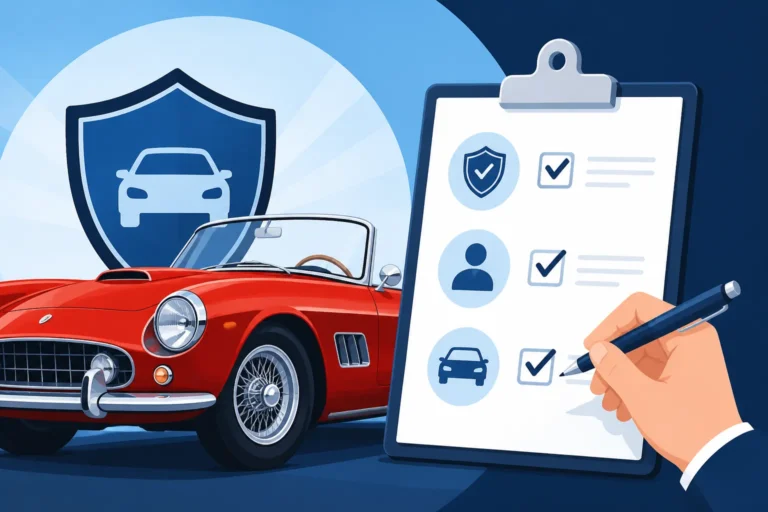
How Classic Car Appraisals Work for Insurance
The world of classic cars is a passionate one, filled with stunning machines that evoke history, craftsmanship, and a deep sense of nostalgia. But owning a cherished classic also comes with its unique anxieties, especially when it comes to insurance. You've poured your time, money, and heart into your vintage vehicle, and the last thing you want is for its true value to be misunderstood or undervalued if the worst should happen. This comprehensive guide will demystify how classic car appraisals work for insurance, ensuring you have the knowledge to protect your prized possession properly.
Understanding the "Why" Behind Classic Car Appraisals for Insurance
It’s a common misconception among new classic car owners that their standard auto insurance policy will simply cover their vintage ride just like any other car. Unfortunately, that couldn't be further from the truth. The fundamental way classic cars are valued and used is drastically different from your daily driver, and that's precisely why a specialized approach, often starting with a professional appraisal, is so critical.
Why Standard Auto Insurance Valuations Fall Short for Classics
Your everyday car insurance is built on a model of depreciation. As soon as you drive a new car off the lot, its value begins to drop, often significantly. This is reflected in what's known as Actual Cash Value (ACV) coverage. If your daily driver is totaled, an ACV policy will pay out its market value at the time of the loss, minus depreciation. For a five-year-old sedan, this might be perfectly acceptable. For a meticulously restored 1969 Chevrolet Camaro, it's a disaster waiting to happen.
Classic cars often defy this depreciation model. Instead, many appreciate in value over time, becoming more desirable and expensive, particularly if they are rare, in pristine condition, or have a significant history. The parts themselves can be incredibly difficult and costly to source, and the labor involved in restoring them demands specialized skills that come at a premium. An ACV policy simply cannot account for these unique characteristics. It would leave you with a fraction of what your classic is truly worth, turning a devastating loss into an even more painful financial setback.
Moreover, the emotional value tied to a classic car is immense. While insurance can't cover emotions, it can provide the financial means to recover or replace something that holds deep personal significance. Standard insurers often lack the specific market data, the understanding of restoration costs, and the appreciation for provenance that specialist classic car insurers possess. They might look at a 1965 Ford Mustang and see an old car, while a specialty insurer, informed by a professional appraisal, sees a highly sought-after collectible.
The Core Purpose of an Appraisal: Establishing Agreed Value
The primary reason to get a classic car appraisal for insurance purposes is to establish an "Agreed Value." This is the cornerstone of effective classic car insurance. Unlike the fluctuating, depreciating Actual Cash Value, Agreed Value is a fixed amount that you and your insurer agree upon at the beginning of your policy term. If your classic car is stolen or suffers a total loss, the insurer pays out this pre-determined amount, no questions asked, no depreciation applied.
This pre-agreement minimizes potential disputes significantly. Imagine the heartache of a classic car being totaled, only to then argue with an adjuster who uses a KBB value that doesn't reflect your car's true condition, rarity, or your investment in its restoration. An appraisal provides an objective, expert-backed assessment that leaves little room for debate. It's a clear declaration of your car's worth, giving you immense peace of mind.
Furthermore, an appraisal helps tailor your coverage and, by extension, your premiums. While a higher Agreed Value might mean a slightly higher premium, it ensures you're paying for accurate protection. You're not overpaying for a standard policy that won't adequately cover your asset, nor are you underpaying and leaving yourself vulnerable. It's about finding that sweet spot where your premium accurately reflects the specialized coverage your classic truly needs. Many seasoned collectors understand that proper coverage is an investment in itself. For a deeper dive into the different types of valuation, check out our guide on Agreed Value vs Stated Value vs Actual Cash Value.
What Exactly Is a Classic Car Appraisal?
When we talk about a classic car appraisal, it's not just a casual glance over your vehicle and a random number pulled from thin air. It’s a thorough, often meticulous, process conducted by a trained professional who understands the unique market and intricacies of collectible vehicles.
More Than Just a Number: The Depth of an Appraisal Report
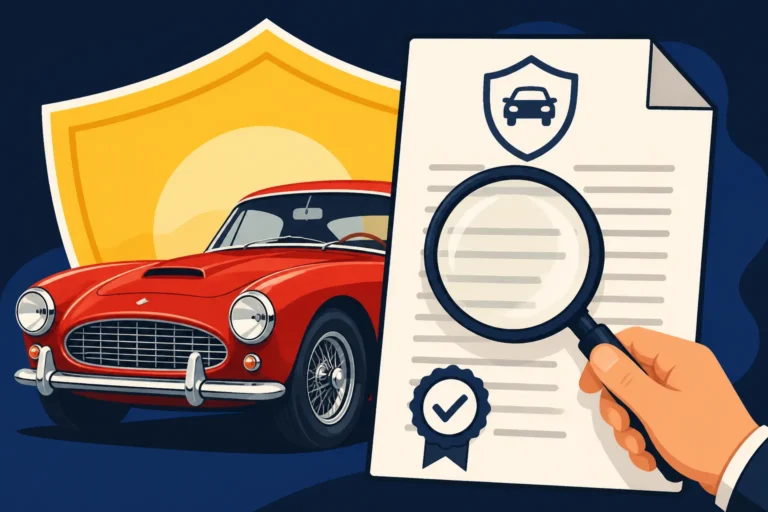
A professional classic car appraisal culminates in a comprehensive report that goes far beyond simply stating a dollar figure. This detailed document serves as concrete proof of your car's condition, originality, and market standing. It typically includes:
- Detailed Description: A thorough written account of your vehicle's make, model, year, VIN, engine specifications, color, interior materials, and any distinguishing features.
- Condition Report: A point-by-point assessment of the vehicle's current state, including exterior, interior, engine bay, chassis, and undercarriage. This often includes ratings for paint, chrome, upholstery, mechanical soundness, and more.
- Photographic Evidence: Numerous high-quality photographs from various angles, documenting the overall appearance, specific details, and any unique features or flaws. These photos are crucial for corroborating the written description.
- Documentation Review: An analysis of any provided paperwork, such as service records, restoration invoices, provenance documents (history of ownership), original build sheets, and awards won at car shows.
- Market Analysis: This is where the appraiser's expertise truly shines. They will reference recent sales of comparable vehicles, auction results (from reputable houses like Barrett-Jackson or Mecum), online listings (from platforms like Bring a Trailer), and market trends for your specific make and model.
- Valuation Justification: The report concludes with the appraiser's professional opinion on the vehicle's fair market value or, more importantly for insurance, the recommended Agreed Value, with a detailed explanation of how that figure was reached.
The expertise of the appraiser is paramount. Unlike general auto appraisers, classic car specialists possess an in-depth knowledge of specific marques, understand the nuances of period-correct restorations, can identify rare options, and are acutely aware of the constantly shifting collector car market. They know, for example, the significant difference in value between an original numbers-matching engine and a period-correct but non-original replacement, a distinction a standard appraiser might miss entirely.
Different Types of Appraisal Values
While an appraisal ultimately helps establish an Agreed Value for insurance, appraisers often consider other types of values. It's essential to understand the distinctions, particularly between Agreed Value and Stated Value, as one offers superior protection for your classic.
- Fair Market Value (FMV): This is generally defined as the price a willing buyer and a willing seller would agree upon, neither being under compulsion to buy or sell, and both having reasonable knowledge of the relevant facts. It's a good benchmark for general understanding but can be subjective and doesn't always translate directly to an insurance payout after a loss.
- Replacement Value: This refers to the cost of replacing your classic with a similar vehicle of like kind and quality. While it sounds good, it can still leave room for interpretation regarding what constitutes "like kind and quality."
- Agreed Value: As discussed, this is the gold standard for classic car insurance. It's the pre-negotiated, fixed amount the insurer promises to pay in the event of a total loss, regardless of market fluctuations after the policy is bound. This means if your 1963 Split-Window Corvette is insured for an Agreed Value of $150,000, that’s exactly what you’ll get, provided you meet the policy terms.
- Stated Value: This is where confusion often arises, and it's a value type to approach with extreme caution. With Stated Value, you declare a value to the insurer, and they might use it as a cap for payout. However, they reserve the right to pay out the Stated Value or the Actual Cash Value, whichever is less. This means you could declare your car worth $70,000, but if the ACV after a loss is determined to be $40,000, that's all you'll receive. Stated Value policies essentially protect the insurance company more than they protect you, the collector. Always prioritize Agreed Value coverage for your classic.
Understanding these distinctions is crucial when you are trying to How to Compare Classic Car Insurance Quotes.
When Do You Actually Need a Classic Car Appraisal?
While highly recommended for nearly all classic and collector cars, there are specific junctures in your ownership journey where a formal appraisal becomes not just beneficial, but often a necessity for proper insurance coverage.
Initial Policy Setup and Significant Purchases
The most common time to get a classic car appraisal is right when you're looking to insure a vehicle for the first time, especially if it's a recent acquisition. This is the foundation for establishing an accurate Agreed Value.
- First-Time Coverage: Whether you've just purchased your dream classic, like a 1967 Mustang, or finally decided to insure that project car you've been meticulously restoring for years, a professional appraisal provides the baseline valuation that specialist insurers require. It gives them an independent, expert opinion to build your policy around. Without it, you might be relying on a lower, estimated value that simply doesn't reflect your car's true worth.
- High-Value Vehicles: For cars that are already commanding significant prices in the market, say over $50,000 or $100,000, an appraisal is almost always mandatory. Insurers like Hagerty or Grundy often have thresholds where a formal appraisal is a firm requirement to ensure the Agreed Value is justified. For example, if you just acquired a pristine 1957 Chevrolet Bel Air that fetched $80,000 at auction, an appraisal will validate that sale price and allow you to insure it for that amount.
- Rare or Unique Cars: Vehicles with limited production numbers, unusual factory options, a significant racing history, or custom builds (like hot rods or restomods) present unique valuation challenges. Standard market data might not exist for these one-of-a-kind machines. An appraiser specializes in researching and valuing these unique attributes, ensuring their distinctiveness is fully accounted for in the Agreed Value. This also applies to imported classics, which might have different market dynamics than their domestic counterparts.
Updating Your Policy Over Time (and After Major Work)
A classic car's value isn't static. It can change due to market forces, but more often, it changes because of your investments in it. Therefore, an appraisal isn't a one-and-done event.
- Post-Restoration: This is arguably the most critical time to get an updated appraisal. If you've just completed a frame-off restoration, investing tens of thousands of dollars and countless hours, your car's value has likely skyrocketed. Your old Agreed Value will be severely outdated. An updated appraisal, supported by all your restoration invoices and photos, will allow you to increase your Agreed Value to reflect this massive investment. Imagine pouring $75,000 into restoring a vintage Porsche 911, only to have it still insured for its pre-restoration value of $40,000. That’s a mistake you absolutely want to avoid.
- Major Modifications or Upgrades: Beyond full restorations, significant modifications can also dramatically alter a car's value. Installing a modern powertrain, upgrading to a custom suspension, or making substantial cosmetic changes to create a "restomod" or custom build can increase its worth. For instance, if you transformed a stock 1970 Challenger into a high-performance street machine with a supercharged HEMI, you'll need an updated appraisal to capture that new value. This is especially important for insuring a modified classic.
- Market Value Fluctuations: While classics generally appreciate, the market for specific models can fluctuate. A surge in popularity for 1980s Japanese sports cars, for example, could see a Datsun 240Z's value increase significantly over a few years. If you notice your car's specific market is heating up, it might be wise to get a new appraisal to ensure your Agreed Value keeps pace.
- Regular Reviews: Even without major work or market shifts, it's a good practice to review your classic car's value periodically. Some collectors opt for an updated appraisal every three to five years, or when their policy is up for renewal, to ensure their Agreed Value remains accurate and current. This proactive approach helps prevent underinsurance and ensures your policy accurately reflects your ongoing investment and the car's true market standing.
The Appraisal Process: What to Expect
Understanding the steps involved in a classic car appraisal can make the process less intimidating and ensure you're well-prepared. It's an interaction where your preparation directly impacts the thoroughness and accuracy of the final report.
Finding the Right Appraiser
Choosing the right appraiser is perhaps the most crucial step. Not all appraisers are created equal, and general automotive appraisers often lack the specialized knowledge required for classics.
- Credentials and Experience: Look for appraisers who are certified by reputable organizations that specialize in collector vehicles, such as the International Automotive Appraisers Association (IAAA) or the American Society of Appraisers (ASA) with an automotive specialization. These certifications indicate a commitment to ethical practices, ongoing education, and adherence to professional standards. Don't be afraid to ask about their specific training and qualifications related to classic and collector cars.
- Specialization: A great appraiser will often have a particular niche or deep understanding of certain makes, models, or eras. An appraiser who is an expert in pre-war American cars might not be the best choice for a 1980s European exotic. Ask about their experience with cars similar to yours. For example, if you own a rare Italian sports car, seek out an appraiser with a strong background in European exotics. This specialized knowledge ensures they can accurately identify original features, common restoration pitfalls, and subtle value drivers unique to your vehicle type.
- Reputation and References: Always check reviews, testimonials, and ask for references. A reputable appraiser will have a strong track record and happy clients. Car clubs, fellow collectors, and even specialty insurance providers like Hagerty can often provide excellent recommendations for trusted appraisers in your area or those who travel.
- Geographic Considerations: While many experienced classic car appraisers travel, finding one within a reasonable distance can sometimes simplify logistics and reduce travel fees. However, prioritize expertise over proximity. It's better to pay a bit more for a truly qualified appraiser who travels than to settle for a local one who might undervalue your unique vehicle.
Preparing Your Classic Car for Appraisal
Just like preparing your car for a show, getting it ready for an appraisal ensures the best possible outcome. The more organized and presentable your car and its documentation are, the easier it is for the appraiser to do their job accurately.
- Documentation is Key: Gather everything you have. This includes:
- Purchase records: Bill of sale, previous titles.
- Service records: Any maintenance, repairs, or upgrades documented with dates and costs.
- Restoration invoices: Detailed bills for parts and labor, especially if it was a significant restoration.
- Original documents: Build sheets, window stickers, owner's manuals, warranty cards, photos from when you acquired it.
- Provenance: Any history of ownership, notable previous owners, or awards won.
- Previous appraisals: If you have them, they can provide a baseline.
- Photos: Before and after restoration photos are incredibly helpful.
This documentation proves the investment you've made and validates the car's history and originality.
- Cleaning and Presentation: Present your car in its best possible light. Give it a thorough wash and wax, clean the interior, and detail the engine bay. A clean car demonstrates pride of ownership and allows the appraiser to see its true condition without grime or dust obscuring details. You wouldn't show up to a job interview in dirty clothes, and your car shouldn't either.
- Accessibility: Ensure the appraiser can easily access all areas of the vehicle. If possible, have it in a well-lit garage or a flat, open area. If you have lift access or can safely get the car on jack stands, even better, as it allows for a more thorough inspection of the undercarriage, which is crucial for assessing rust, chassis condition, and originality of components.
The Inspection and Report Generation
Once the appraiser arrives, they'll conduct a systematic and thorough examination of your classic car.
- Physical Examination: The appraiser will meticulously inspect the exterior for paint quality, panel fitment, chrome condition, and any signs of previous repairs. They'll examine the interior for upholstery, dashboard, gauges, and trim originality and condition. The engine bay will be checked for correctness, cleanliness, and the presence of original components or quality of modifications. The trunk area, wheels, tires, and glass will also be scrutinized. They will typically verify the Vehicle Identification Number (VIN) and odometer reading.
- Market Research: While on-site, the appraiser might make notes about specific features that affect marketability. After the physical inspection, they will return to their office to conduct extensive market research. This involves comparing your vehicle to recent sales of similar cars, scrutinizing auction results, and leveraging industry databases. They factor in rarity, desirability, historical significance, and current market trends. For a 1965 Corvette, they'll compare it to other '65 Corvettes of similar trim and condition, looking at sales data from sites like Mecum or specialized dealer listings.
- The Final Report: After compiling all their findings, research, and analysis, the appraiser will generate the detailed report mentioned earlier. This document will clearly state the determined value, whether it’s fair market value or a recommended Agreed Value for insurance, and provide a thorough justification for that figure. This report is then provided to you and, with your permission, can be submitted directly to your classic car insurance provider. This documentation is your strongest asset when insuring your classic car, ensuring that the Agreed Value Coverage for Classic Cars Explained is accurate and well-supported.
Integrating Your Appraisal with Your Classic Car Insurance Policy
Once you have that comprehensive appraisal report in hand, the next step is to leverage it effectively to secure the right insurance coverage for your cherished vehicle. This is where your chosen classic car insurance provider plays a crucial role.
Submitting Your Appraisal and Setting the Agreed Value
This is the moment your appraisal transitions from a document into tangible protection. The process typically involves submitting the report to your insurer, followed by an agreement on the final Agreed Value.
- The Negotiation (or Agreement) Process: Reputable classic car insurance companies, such as Hagerty or American Collectors Insurance, understand and value professional appraisals. They often have internal teams that review these reports to ensure the stated value aligns with their market data and underwriting guidelines. In most cases, if you've chosen a qualified appraiser and your car is well-documented, the insurer will readily accept the appraiser's recommended Agreed Value. This process is generally collaborative; the insurer wants to ensure you have adequate coverage, and the appraisal helps them confidently offer that.
- What if the Insurer Disagrees? While rare with specialist insurers and a thorough appraisal, discrepancies can occur. Perhaps the insurer's internal data for your specific model suggests a slightly lower or higher range, or they might question a particular modification's impact on value. If this happens, don't panic. You can often address it by providing additional documentation, such as more detailed restoration invoices, photographs of rare components, or recent comparable sales data that supports the appraiser's figure. Sometimes, getting a second opinion from another reputable appraiser might be an option, though this is less common. The key is to be prepared to support your appraisal.
- Policy Endorsement: Once an Agreed Value is finalized, it's not just a verbal agreement. It becomes a formal part of your insurance policy, typically through an endorsement or rider. This document explicitly states the Agreed Value, ensuring that it's legally binding. Always review this endorsement carefully to confirm the agreed amount is precisely what you expected. This is the official confirmation that if a total loss occurs, that specific amount will be paid out.
Understanding the Impact on Your Premiums and Coverage
The Agreed Value directly influences several aspects of your classic car insurance policy, most notably your premiums and the scope of your coverage.
- Direct Correlation: A higher Agreed Value means a higher potential payout for the insurer in the event of a total loss. Therefore, your premium will generally be higher with a higher Agreed Value. This is a direct trade-off for superior protection. For example, insuring a 1969 Charger at an Agreed Value of $75,000 will naturally cost more than if it were insured at $50,000. However, this increase is often very reasonable when compared to standard auto insurance, because classic cars are typically driven fewer miles and stored securely, making them lower risk. Understanding How Agreed Value Affects Premiums is crucial.
- Coverage Levels: The appraisal and Agreed Value also inform other aspects of your coverage. For instance, if your classic is particularly valuable, you might opt for additional endorsements like Inflation Guard Coverage Explained, which automatically adjusts your Agreed Value annually by a small percentage (e.g., 2-4%) to account for appreciation or inflation without needing a brand-new appraisal every year. Similarly, if your appraisal details a significant collection of rare spare parts, it can justify higher limits for Spare Parts Coverage Explained.
- Deductibles: Your chosen deductible will still apply to an Agreed Value policy, just as it would with standard insurance. If your Agreed Value is $100,000 and you have a $1,000 deductible, you would receive $99,000 after a total loss. The appraisal ensures that the remaining $99,000 is truly reflective of your car's worth, unlike an ACV policy where the initial payout figure could already be drastically low.
Potential Challenges and Misconceptions
While classic car appraisals are incredibly beneficial, navigating the process and understanding the nuances can sometimes present challenges. Being aware of common pitfalls and misconceptions will help you avoid costly mistakes.
Common Pitfalls to Avoid
Even with the best intentions, collectors can sometimes make errors that undermine the effectiveness of an appraisal or their insurance coverage.
- DIY Valuations: One of the biggest mistakes is relying solely on your own estimation or basic online search results for your car's value. While resources like classic car auction sites and online forums are helpful for general knowledge, they don't substitute a professional, objective appraisal. Your emotional attachment or recent investment might lead you to overvalue, while a lack of market knowledge could lead to significant undervaluation. Neither is ideal for insurance purposes. An appraiser provides an impartial, documented assessment based on expertise and specific market data, not sentiment.
- Outdated Appraisals: Getting an appraisal once and never updating it is another common pitfall. The classic car market is dynamic. A pristine 1980s Porsche 911 might have been worth $50,000 five years ago but could easily command $80,000 or more today due to increased demand. Similarly, a major restoration you completed five years ago will still be factored in, but its overall market standing might have changed. Relying on an old appraisal means you are likely underinsured, leaving a significant gap between your policy's Agreed Value and your car's true current worth. If you've just invested another $15,000 in a new paint job and interior for your 1978 Firebird Trans Am, that value increase won't be reflected without an updated appraisal.
- Choosing the Wrong Coverage Type: As highlighted earlier, confusing "Stated Value" with "Agreed Value" can be disastrous. Always confirm that your policy explicitly offers Agreed Value coverage. Stated Value policies give the insurer too much leeway to pay less than you expect, potentially leaving you with a fraction of your car's actual worth after a total loss. This fundamental difference is vital to understand when you are deciding on Best Coverage Types for a Classic Car.
What to Do If Your Car's Value Changes Dramatically
The classic car market isn't static, and your specific vehicle's value can certainly change, sometimes quite rapidly. Knowing when and how to react is key to maintaining adequate coverage.
- Proactive Updates, Not Just at Renewal: Don't wait until your annual renewal to inform your insurer of significant value changes. If you just completed a major engine rebuild or a full interior restoration that added $20,000 to your car's worth, contact your insurer immediately. Provide them with the new appraisal and relevant documentation. Most specialty insurers will be happy to update your Agreed Value mid-term, adjusting your premium accordingly. This ensures continuous, accurate protection.
- Market Shifts and Monitoring: Keep a general eye on the classic car market, particularly for your specific make and model. Resources like online auction sites, classic car magazines, and even valuation tools offered by companies like Hagerty can provide insights into current trends. For instance, if you own a specific model that's featured prominently in a popular movie or documentary, its value could see a sudden surge. If you suspect your car's value has jumped significantly (say, 10% or more), it's a good trigger to consider a new appraisal. You can always check out resources like Hagerty Valuation Tools Reviewed to stay informed.
- Adding Modifications and Upgrades: Any time you make a substantial modification, beyond routine maintenance, it's wise to reassess your car's value. A new suspension system, an engine swap, or a custom paint job can all increase your car's worth. Even seemingly minor additions, like rare period-correct accessories, can sometimes add value. Document all these changes meticulously with receipts and photos, and be prepared to get an updated appraisal to reflect the enhanced value. Your insurer needs to know about these changes to ensure your Agreed Value accurately reflects the new investment.
Alternatives to a Formal Appraisal and When They're Acceptable
While a formal appraisal is the gold standard for establishing Agreed Value, there are situations and vehicle types where insurers might offer alternatives or have different requirements. Understanding these can help streamline your insurance process.
When Insurers Might Not Require a Formal Appraisal
Not every classic car will automatically require a full, professional appraisal. Specialty insurers often have internal guidelines that consider the vehicle's value, rarity, and how readily its market value can be determined.
- Lower Value Classics: For entry-level classic cars, particularly those with a value below a certain threshold (e.g., $25,000 or $30,000), some insurers may not require a formal third-party appraisal. Instead, they might accept detailed photographs, an extensive description of the vehicle's condition, and a declaration of value from the owner, along with comparable sales data. This often applies to more common, well-preserved models that aren't exceedingly rare or extensively modified.
- Common, Well-Documented Models: Vehicles for which there is a robust and transparent market with readily available sales data can sometimes bypass a formal appraisal. For example, a well-maintained, un-restored 1970 Volkswagen Beetle might have enough easily verifiable market comparables for a specialty insurer to set an Agreed Value based on photos and owner-provided details. The key here is the abundance of comparable sales data that makes independent valuation less subjective.
- Self-Valuation with Supporting Documentation: Some specialty insurers might allow you to submit a self-valuation, provided it is extremely thorough and backed by substantial documentation. This would include comprehensive photographs (interior, exterior, engine bay, undercarriage), detailed descriptions of the car's condition, meticulous records of all maintenance and restoration work with receipts, and a list of comparable sales from reputable sources (e.g., auction results, specialized dealer listings). This option is usually reserved for experienced collectors with a deep understanding of their specific car's market. Even in these cases, the insurer reserves the right to request a formal appraisal if their underwriters deem it necessary.
Leveraging Online Valuation Tools and Resources
Even if a formal appraisal isn't strictly required, utilizing available tools and resources to help determine and justify your car's value is always a smart move.
- Specialty Insurer Databases: Many classic car insurance companies invest heavily in maintaining extensive databases of collector car values. Hagerty, for instance, is renowned for its comprehensive valuation tools and extensive market data, drawing from millions of data points from auctions, private sales, and industry reports. Their valuation tools can give you an excellent starting point and help you understand how different factors (condition, originality, mileage) affect your specific car's value. Using these tools can provide a strong foundation for your stated Agreed Value.
- Auction Results and Sales Data: Online platforms like Bring a Trailer, eBay Motors, ClassicCars.com, and the results pages of major auction houses like Mecum Auctions and Barrett-Jackson provide a wealth of real-world sales data. You can filter by make, model, year, and condition to find highly comparable vehicles and their selling prices. This data is invaluable for supporting any self-valuation or for simply staying informed about market trends for your classic.
- Car Club Expertise: Don't underestimate the power of your local or national car club. Members often possess encyclopedic knowledge about specific models, their rarity, common issues, and market values. Many clubs also compile valuation guides or have designated members who can offer informal valuation advice or point you to reputable appraisers. These communities are a fantastic resource for everything from restoration tips to understanding the true worth of your beloved machine. If you're looking for Classic Car Insurance for New Collectors, engaging with these communities can provide invaluable insights.
Maximizing the Value of Your Appraisal for Long-Term Protection
A classic car appraisal isn't just a snapshot in time; it's a vital component of a long-term strategy for protecting your investment. By actively managing and updating your appraisal, you ensure your cherished vehicle remains adequately covered no matter how its value evolves.
Keeping Your Appraisal Current
The classic car market, while generally robust, is dynamic. Values can fluctuate, and your car's personal value can change significantly due to restoration or modification. Proactive management of your appraisal ensures your insurance coverage keeps pace.
- Regular Reviews and Updates: Don't let your appraisal become a dusty document. Schedule periodic reviews, especially if your car is in a rapidly appreciating market segment or if you've completed any significant work since the last appraisal. A good rule of thumb might be an updated appraisal every three to five years, or even more frequently for particularly volatile segments of the market. This proactive approach helps avoid the painful scenario of being underinsured when a total loss occurs.
- Documenting Every Change: Maintain a meticulous log of all work performed on your classic. This includes routine maintenance, major repairs, and especially any upgrades or restoration efforts. Keep all receipts for parts and labor, and take photographs throughout the process. This comprehensive documentation, which should be shared with your appraiser for an updated report, provides concrete evidence of your investment and helps justify an increased Agreed Value. It’s hard for an insurer to dispute a value increase when you can present thousands of dollars in verifiable receipts for a new engine or a bare-metal repaint.
- Market Monitoring and Research: Stay informed about the market for your specific classic car. Follow auction results, read collector car publications, and utilize online valuation tools. If you see a trend where similar cars are consistently selling for significantly more than your current Agreed Value, it's a clear signal to seek an updated appraisal. This vigilance can literally save you tens of thousands of dollars in the event of a total loss. Remember that even small, incremental increases in value over several years can add up to a substantial difference.
The Role of an Appraisal Beyond Insurance
While the primary focus here is on insurance, a well-executed classic car appraisal serves several other important functions, underscoring its overall utility for collectors.
- Estate Planning: For many collectors, their classic cars are significant assets that form part of their estate. A current, professional appraisal provides a clear and objective valuation for estate planning purposes, ensuring that your heirs understand the true worth of your collection and that inheritance taxes are handled accurately. It can prevent family disputes and ensure your wishes for your cars are properly managed.
- Sales and Purchases: If you're considering selling your classic, an independent appraisal can be a powerful tool. It provides a neutral, expert opinion of the car's value, lending credibility to your asking price and instilling confidence in potential buyers. Conversely, if you're buying a classic, requesting a recent appraisal from the seller can help you ensure you're paying a fair price and understanding the true condition of the vehicle. It's a layer of due diligence that benefits both parties.
- Financial Planning and Asset Management: For collectors with substantial collections, classic cars represent a significant investment. Regular appraisals contribute to accurate financial planning and personal wealth statements. They allow you to track the appreciation of your assets, understand your net worth, and make informed decisions about your investment portfolio. For high-value collections, an appraisal helps confirm that you have appropriate umbrella coverage, protecting your overall assets.
By understanding and actively participating in the appraisal process, you're not just getting a piece of paper; you're investing in the peace of mind that comes from knowing your beloved classic car is valued and protected as it truly deserves. When you look to How to Buy Classic Car Insurance, remember that the appraisal is your most powerful tool.
Disclaimer
The information provided in this article is for general informational purposes only and does not constitute professional financial, insurance, or legal advice. Classic car insurance requirements and appraisal standards can vary significantly by insurer, vehicle type, and state. Always consult with a qualified classic car insurance specialist and a certified automotive appraiser to discuss your specific needs and ensure proper coverage for your unique vehicle.