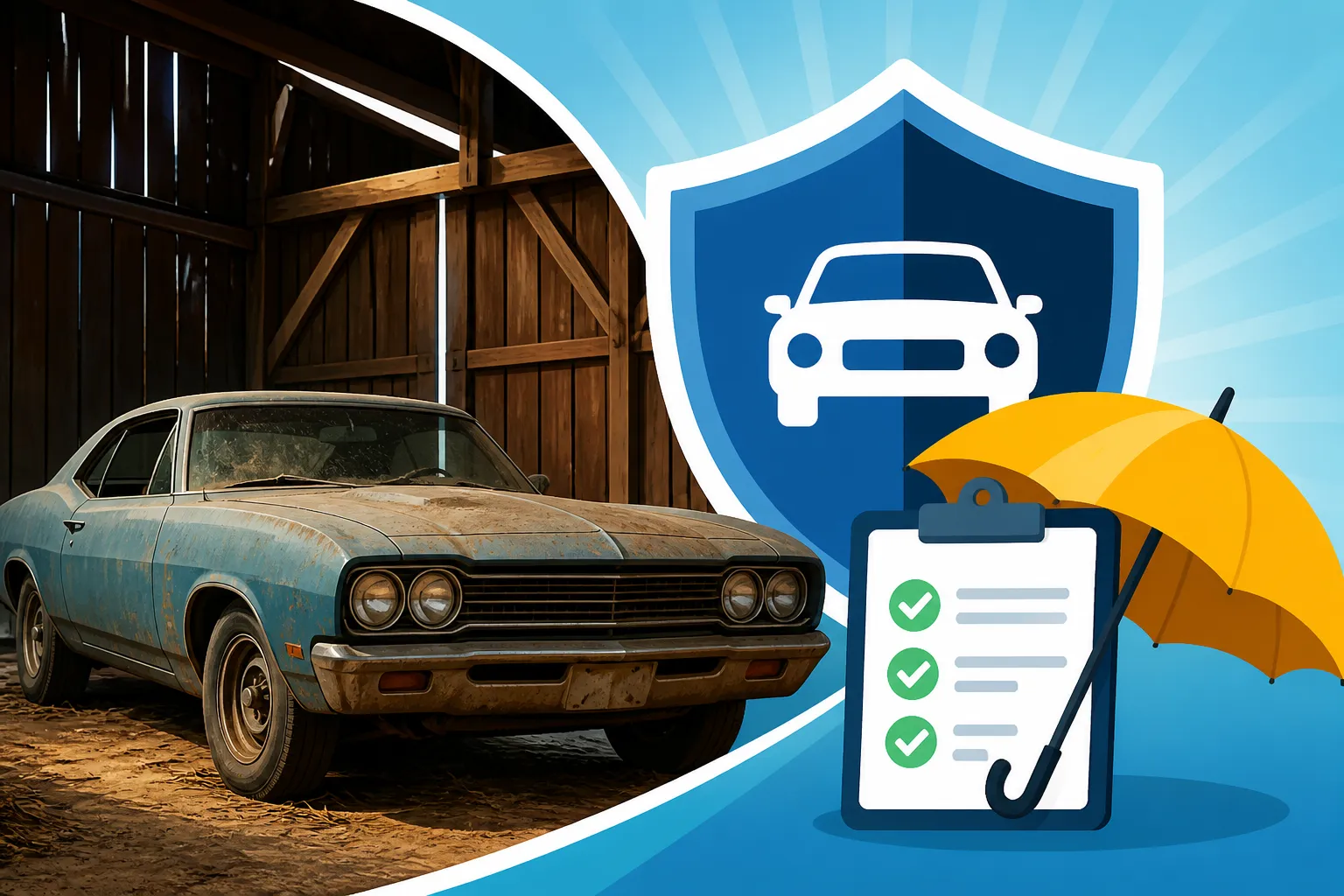
How to Insure a Barn Find Before Restoring
The thrill of discovering a "barn find" is an experience every classic car enthusiast dreams of. That moment you pull back a dusty tarp or open a long-forgotten garage door to reveal a hidden gem is pure magic. But once the initial excitement wears off, a practical question quickly pops up: how do you protect this newfound treasure before you even begin the restoration process? Traditional car insurance isn't designed for a non-running, potentially incomplete project, and trying to force it can lead to frustration and inadequate coverage. This guide will walk you through the unique challenges and essential steps to properly insure your barn find before it ever sees a wrench.
The Initial Hurdle: Why Barn Finds Scare Regular Insurers
Let's be honest, a dusty, non-running shell might look like a priceless artifact to us, but to a standard insurance company, it looks like a liability waiting to happen. Most mainstream insurers are set up to cover daily drivers, vehicles that are regularly on the road, well-maintained, and have a clear, easily verifiable market value. A barn find throws a wrench in all of those assumptions.
The "Non-Standard" Problem
Imagine trying to explain to a regular insurance agent that you want to insure a car that hasn't moved in 30 years, might be missing an engine, and is covered in rat droppings. They simply don't have the categories or understanding for it. Their systems are built for cars actively registered and driven, not for long-term projects or static displays. They view a non-operational vehicle as a much higher risk for specific perils like theft (since it can't be driven away, it's often flat-bedded), vandalism, or accidental damage while sitting. This "non-standard" status immediately flags it as difficult to insure with a conventional policy.
Valuation Vexation
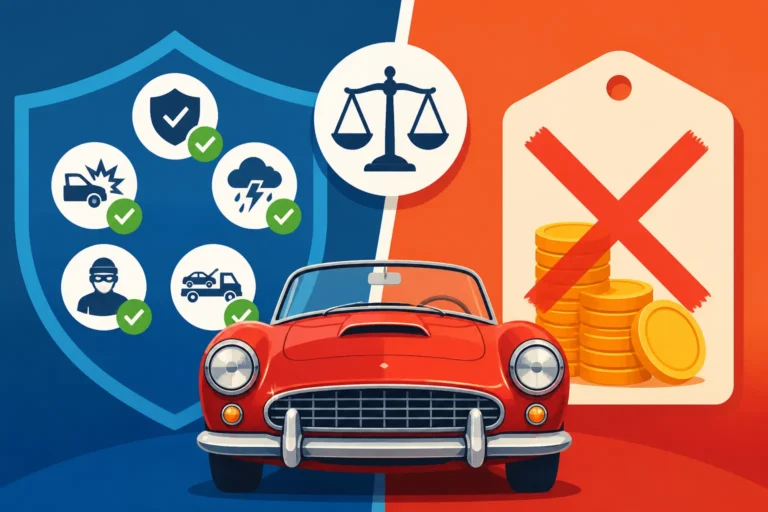
One of the biggest headaches when it comes to insuring a barn find is determining its value. Regular insurance policies typically use "Actual Cash Value" (ACV), which means they'll pay out what the car was worth at the time of the loss, factoring in depreciation. For a car that's been sitting, often with significant rust or damage, its ACV might be shockingly low – perhaps just scrap value, even if it's a rare model. This is where the core problem lies: the intrinsic value of a barn find isn't its current condition, but its potential after restoration. A standard insurer doesn't care about its future potential, only its present depreciated state, leaving you severely underinsured.
Storage and Use Constraints
Traditional auto insurance assumes your vehicle is stored in a reasonably secure location and used for regular transportation or occasional pleasure. A barn find often exists in a grey area. Is it in a dusty old barn that's barely secure? A climate-controlled garage? Out in the open under a tarp? These storage conditions significantly impact risk. Furthermore, the "use" of a barn find is purely storage and eventual restoration, not driving. Many regular policies have strict clauses about vehicle usage, and a non-operational car that's not registered or regularly inspected doesn't fit their mold, making it hard to qualify for standard coverage.
Understanding Pre-Restoration Insurance Needs
Insuring a barn find requires a different mindset and a specialized approach. You're not looking for a daily driver policy; you're looking for protection for an asset that's currently dormant, with immense potential. This understanding will guide you toward the right type of coverage and the right insurance provider.
Defining Your "Barn Find" Stage
It’s important to acknowledge that not all "barn finds" are created equal, and your insurance needs will shift based on your vehicle’s current state. Is it a relatively complete car, perhaps just needing mechanical revival and a cosmetic refresh? Or is it a true "basket case" – a disassembled collection of parts, or a car that was once a total loss but retains significant collectible value?
- Dusty, but Complete: This type of barn find usually has all its major components, but it hasn't run in years. It might have dents, rust, and a very tired interior, but it's largely intact. For these, you'll want coverage against theft, fire, and other perils while it's in storage.
- Project Car/Basket Case: This describes a vehicle that might be partially disassembled, missing major components, or even a true "cherished salvage" where its value lies solely in its VIN and remaining unique parts. Insurance for these might focus more on protecting the components you have, and acknowledging that its value will escalate dramatically with parts and labor.
- The Rare Gem: Sometimes, you find a truly rare model or a historically significant car that, even in its rough state, commands a high market value. For these, an accurate pre-restoration valuation is paramount to ensure you're protecting its inherent collectible status, even if it's non-operational.
Understanding which stage your barn find is in will help you articulate your needs to a specialty insurer.
Essential Coverages for Non-Running Vehicles
Since your barn find isn't hitting the road anytime soon, standard liability coverage isn't your primary concern. Instead, you're focused on protecting the physical asset. This is where specialized policies come into play. Many collectors seek laid-up coverage for winter storage or "storage-only" policies, which specifically address vehicles that are not actively driven.
These policies typically offer:
- Comprehensive Coverage: This is key for barn finds. It protects against events beyond your control, such as fire, theft, vandalism, natural disasters (like floods, hail, or falling trees), and even collision while being transported (if you're moving it to storage or a restoration shop). Think about that old barn collapsing in a heavy snowstorm – this coverage could save you.
- Agreed Value Coverage: As we touched on, ACV is a non-starter. You absolutely need Agreed Value Coverage Explained. With this, you and the insurer agree on the car's value before the policy is issued. If a total loss occurs, you receive that agreed-upon amount, no questions asked. Even for an unrestored barn find, establishing an agreed value, even if modest initially, is crucial. It acknowledges its potential and collectible status.
- Spare Parts Coverage: Often, barn finds come with a trove of original, hard-to-find spare parts, or you might start collecting them even before restoration begins. Some specialty insurers offer coverage for these parts, whether they're attached to the car or stored separately. This can be invaluable, as specific NOS (New Old Stock) components can be worth a fortune.
Protecting Your Investment (Even Before it Runs)
While it might feel counterintuitive to insure something that can't move, think of your barn find as a significant financial and emotional investment. It holds intrinsic value, even in its dormant state. Protecting it against unforeseen circumstances is just as important as protecting a running vehicle. Imagine uncovering a rare 1969 Shelby GT500, still covered in original dust, only for a fire to break out in the garage where it's stored. Without proper comprehensive coverage, that dream could turn into ashes and a devastating financial loss. Specialty insurers understand this unique value proposition and offer tailored policies that mainstream companies simply can't match.
Step-by-Step Guide to Insuring Your Unrestored Treasure
Navigating the world of insurance for a barn find can seem daunting, but by following a structured approach, you can ensure your hidden gem is protected from day one. This isn't your average car insurance purchase; it requires a bit more legwork and a lot more documentation.
Document Everything from Day One
This cannot be stressed enough: document, document, document! The moment you acquire or even discover a barn find, start building a comprehensive record. This documentation serves as your proof of ownership, condition, and potential value, all of which are critical for securing insurance and, heaven forbid, filing a claim.
- Photographs and Videos: Take extensive, high-resolution photos and videos from every angle, inside and out. Capture the overall condition, any existing damage, unique features, VIN plates, engine numbers (if accessible), and any significant parts or memorabilia found with the car. Be sure to show the location where it was found.
- Purchase Agreements/Bill of Sale: Ensure you have clear, legal proof of ownership. This might be a bill of sale, a gift letter, or inheritance documents. If the car has no title, understanding Registering a Car with No Title will be essential, but having solid proof of acquisition is the first step for insurance.
- Historical Documentation: Any old registration cards, maintenance records, previous owner information, or even period photos can add significant value and authenticity. If the car has known provenance, document it meticulously.
- Communication Records: Keep a log of all communications related to the car's discovery, purchase, and current storage.
The more evidence you have, the easier it will be to make your case to an insurer and establish an appropriate agreed value.
Connecting with a Specialty Insurer
This is perhaps the most crucial step: do not try to insure a barn find with your everyday auto insurance company. They simply aren't equipped for it. You need a specialty classic car insurer. Companies like Hagerty, American Collectors Insurance, Grundy, or J.C. Taylor live and breathe classic and collector cars. They understand the nuances of the market, the passion of collectors, and the unique risks associated with vehicles in various stages of restoration or dormancy.
When you contact them, you'll find they speak your language. They know what a "barn find" means and how to assess its value and risk outside of traditional metrics. They offer policies tailored specifically for these unique situations, including Vehicle Under Construction Coverage or storage-only options. Be prepared to share all the documentation you've gathered. They're looking for signs that you're a serious collector who will care for the vehicle, even in its current state.
Navigating Valuation and Agreed Value
As discussed, "Actual Cash Value" is unacceptable for a barn find. You need an "Agreed Value" policy. Even for an unrestored car, you and your specialty insurer will determine an initial value that you both agree upon.
- Initial Assessment: Based on your extensive documentation, photos, and any preliminary research on similar models in similar conditions, the insurer will work with you to establish a starting agreed value. This value might be lower than what you envision for the fully restored car, but it's crucial for establishing coverage.
- The Role of Appraisals: For higher-value barn finds or very rare models, getting How to Get a Classic Car Appraisal from a qualified classic car appraiser is highly recommended, even in its unrestored state. An appraiser can provide an expert opinion on the car's baseline value, considering its rarity, historical significance, and the current market for such projects. This strengthens your case for a fair agreed value.
- Flexibility for Future Value: A good specialty policy will allow you to adjust the agreed value as your restoration progresses. As you invest time and money, the car's value will increase, and your policy should reflect that. Don't be afraid to ask how to update coverage after restoration.
Securing Appropriate Storage and Proving It
Before an insurer will even consider covering your barn find, they'll want to know how and where it's stored. Their primary concern is minimizing risks like theft, vandalism, and environmental damage. The better and more secure your storage, the more likely you are to get favorable rates and comprehensive coverage.
- Enclosed and Secure Garage: This is the gold standard. A private, locked garage (preferably attached to your home or a dedicated facility) is ideal. Insurers will want to know if it's a shared space or exclusive to you. They appreciate security features like alarms, surveillance, and sturdy locks. Learn more about How Storage Affects Classic Car Eligibility.
- Proof of Storage: Be ready to provide photos of your storage location. Show the exterior of the garage, the locks, and the car securely tucked inside. This verifies that you're taking proactive steps to protect your investment.
- Accessibility: Insurers want to know that the car isn't simply abandoned. They'll consider how frequently the car is checked on and its general environment.
- Environmental Protection: Is the storage area dry and free from excessive humidity that could accelerate rust? Is it protected from pests? While not always a direct insurance requirement, demonstrating good care for the vehicle's long-term preservation reflects positively on you as a responsible owner. Many specialty insurers offer resources on Storage Options Specialty Insurers Accept.
Common Pitfalls and Smart Strategies for Barn Find Insurance
Insuring a barn find is a unique endeavor, and it's easy to stumble if you approach it like a regular car. Avoiding common mistakes and employing smart strategies can save you headaches, money, and most importantly, ensure your cherished project is truly protected.
The "Regular Insurance" Trap
As tempting as it might be to just add your barn find to your existing auto policy, resist the urge. This is a classic pitfall. Standard insurers will likely refuse coverage altogether, or if they do offer it, it will be based on an "Actual Cash Value" that severely undervalues your vehicle. Imagine if you found a 1970 Plymouth Barracuda, a true muscle car icon, in a dusty garage. A regular insurer might value it at a few thousand dollars as a non-running hulk. If it were stolen or destroyed, you'd be reimbursed that paltry sum, not the tens of thousands it's worth to a collector, even in its rough state. Always opt for a specialty insurer that understands Classic Car Insurance Requirements Explained.
Underestimating Documentation Needs
Another common mistake is underestimating how much documentation you'll need. If you've just dragged a car out of a field with no title, or bought it with a shaky bill of sale, you'll run into issues. Insurers need to verify ownership. Without a clear title or robust alternative proof, you might find yourself in a bind. This is why understanding state-specific processes like How to Register a Barn Find and the steps for Registering a Car with No Title are so crucial. Even if you plan to get a bonded title, showing the insurer your diligence in securing legal ownership will greatly help your case.
Planning for the Restoration Journey
Many new barn find owners only think about the "now" and forget that the car's value and insurance needs will change dramatically during restoration. Don't fall into the trap of a static policy.
- Progressive Valuation: As you invest significant time, money, and parts into the restoration, the car's value will climb. Your agreed value policy should allow for periodic updates to reflect these increases. Failing to do so means you're underinsuring your growing investment.
- Specialized Restoration Coverage: Some specialty insurers, like Hagerty, offer specific Restoration Coverage for Classic Cars or Vehicle Under Construction Coverage. These policies are designed to protect the car at every stage of the build, even when it's disassembled, at a body shop, or temporarily stored at a different location for specific work. They can cover damage to parts, tools, and the car itself during the process.
- The First Drive: Don't forget to update your policy to include road risks once your barn find is finally running and ready for its first cruise!
Leverage Collector Resources and Expertise
You're not alone in this journey. The classic car community is vast and knowledgeable.
- Car Clubs and Forums: Join local or national clubs specific to your car's make and model. You'll find invaluable advice on everything from sourcing parts to reliable restoration shops, and often, recommendations for classic car insurance providers. These communities are also excellent places to find appraisers who specialize in pre-restoration values.
- Professional Appraisers: For valuable barn finds, invest in an appraisal. These experts can assess the car's true collectible potential, even in rough shape, which strengthens your case for a higher agreed value.
- Choose the Right Partner: Remember to select from the Best Classic Car Insurance Companies that specialize in collector vehicles. They have agents who are enthusiasts themselves and understand the unique needs of barn find owners.
| Coverage Type | Best For | Key Benefit | Typical Provider | Caveats |
|---|---|---|---|---|
| Storage-Only | Non-running, long-term stored vehicles | Protects against static risks (fire, theft) | Specialty Classic | No on-road coverage |
| Laid-Up Coverage | Vehicles seasonally stored or awaiting work | Similar to storage-only, often includes comprehensive | Specialty Classic | Limited or no driving allowed |
| Vehicle Under Construction | Cars actively being restored | Covers car and potentially parts/tools during build | Specialty Classic | Requires regular updates on value/progress |
| Agreed Value (Basic) | Any barn find, even non-running | Guaranteed payout for total loss based on agreed value | Specialty Classic | Initial agreed value might be low for unrestored cars |
| Standard Auto (ACV) | Daily drivers | Covers depreciation, market value | Mainstream Insurer | Rarely suitable for barn finds; low payouts |
Disclaimer
Please remember that insurance policies and requirements can vary significantly by state, insurer, and the specific characteristics of your vehicle. The information provided in this guide is for general informational purposes only and does not constitute professional insurance advice. Always consult directly with a qualified classic car insurance professional to discuss your individual needs and to obtain personalized quotes and policy details.