How to Compare Classic Car Insurance Side by Side
Navigating the world of classic car insurance can feel like trying to find a needle in a haystack, especially when you're faced with multiple quotes that seem to speak a different language. It's not just about finding the cheapest price; it's about securing the right protection for your cherished vehicle without getting tripped up by hidden clauses or inadequate coverage. This guide is here to demystify the process, helping you confidently compare classic car insurance policies side by side to ensure your prized possession is truly covered.
Understanding What Makes Classic Car Insurance Different
Before you even start comparing policies, it's crucial to understand that classic car insurance isn't just a fancy version of your regular auto policy. It operates on a fundamentally different principle because your classic isn't just transportation; it's an investment, a hobby, and often, a piece of art. Mainstream insurers often struggle to properly value and cover these unique vehicles, which is why specialty providers exist.
Agreed Value vs. Actual Cash Value
This is perhaps the single most critical differentiator and a non-negotiable point when insuring a classic car. On a standard auto policy, if your car is totaled, the payout is based on its Actual Cash Value (ACV). This means depreciation is factored in, and you’ll get what the insurer deems the car was "worth" at the time of loss, which is almost always far less than what you believe your classic is worth or what it would cost to replace. This is a common point of frustration for collectors.
Classic car insurance, however, almost universally offers "Agreed Value" coverage. This means that you and the insurer agree on a specific value for your vehicle before the policy is issued. Should a total loss occur, you will be paid that agreed-upon amount, no questions asked, minus your deductible. This peace of mind is invaluable. When you're comparing quotes, always confirm that you are getting Agreed Value Coverage for Classic Cars Explained and not a "stated value" or ACV policy, which can leave you severely underinsured. For instance, if you have a beautifully restored 1969 Camaro valued at $75,000, an agreed value policy ensures you get that $75,000. An ACV policy, however, might only pay out $30,000 for a car of that age, leaving you with a huge financial gap.
Usage and Mileage Restrictions
Unlike a daily driver, classic cars are typically not used for commuting, errands, or regular transportation. Specialty classic car insurance policies are designed with this limited usage in mind, which is a major reason why they are often more affordable. Most policies will have specific usage clauses, usually stipulating "pleasure use" or "limited exhibition use," meaning drives to shows, club events, and occasional weekend cruises.
Many policies also come with mileage caps, such as 2,500, 5,000, or 7,500 miles per year. While these limits are generally generous for the typical classic car owner, it's crucial to compare these alongside your actual driving habits. Some specialty insurers, like Hagerty, offer more flexible mileage plans, or even unlimited mileage options, which might be attractive if you're planning a cross-country tour or frequent long drives. Always read the fine print on Classic Car Insurance Mileage Limits by State to ensure your driving habits align with the policy's terms. An accidental breach of these terms could invalidate a claim, which is the last thing any classic car owner wants to discover after an incident.
Storage Requirements
Another key difference is how your classic car must be stored. Most specialty classic car insurance policies require the vehicle to be stored in a secure, enclosed, and locked structure, such as a private garage or a professional storage facility. This isn't just a suggestion; it's often a strict eligibility requirement that helps reduce the risk of theft and damage.
Comparing policies means understanding each insurer's specific Garage Storage Requirement for Classic Cars. Some might be flexible with a carport in certain low-risk areas, while others will insist on a fully enclosed, locked garage. If you plan to keep your classic in a detached garage, ensure it meets the security standards set by the insurer. For collectors with multiple vehicles, or those storing a car that's currently undergoing restoration, these requirements become even more nuanced and should be a major point of comparison.
Key Factors to Compare When Shopping for Classic Car Insurance
Once you understand the fundamental differences, you can dive into the specifics of comparing policies. It’s not just about the premium; it’s about the holistic value – the coverage, the claims process, and the peace of mind.
Coverage Options and Customizations
A basic classic car policy will include agreed value coverage, liability, comprehensive, and collision. However, the real value for a collector often lies in the optional add-ons and endorsements that protect against the unique risks associated with classic car ownership.
- Restoration Coverage: If your car is a work in progress, this coverage is vital. It allows the agreed value of your vehicle to increase automatically throughout the restoration process as you invest more time and money into it. Without it, you could be spending tens of thousands on parts and labor, only to have the vehicle insured for its pre-restoration value. Make sure you compare how Restoration Coverage for Classic Cars is calculated and whether it requires regular updates or offers automatic adjustments.
- Spare Parts Coverage: Many collectors have a trove of rare and valuable spare parts. This add-on provides coverage for those parts, whether they're stored in your garage or in the trunk of your classic. Policies will vary on the limits for spare parts, so compare these carefully.
- Roadside Assistance and Towing: Standard roadside assistance might not cut it for a classic. You need flatbed towing to prevent damage to your vehicle's suspension or drivetrain. Confirm that the roadside assistance included or offered is specifically for classic cars and guarantees flatbed service.
- Touring and Rally Coverage: If you participate in tours, rallies, or club events, ensure your policy covers these activities. Some insurers might exclude events that involve any form of timed competition, even if it's not a full-blown race. Understanding Classic Car Show and Event Coverage Rules is critical for active collectors.
- Inflation Guard: This endorsement automatically increases your agreed value by a small percentage (e.g., 2-6%) each year to account for the rising value of classic cars due to market appreciation. It’s a smart way to help prevent underinsurance over time.
When looking at various insurers, consider what additional specialized coverages they offer. For example, some may offer coverage for automobilia or even provide trip interruption reimbursement if your classic breaks down far from home. A thorough comparison of Classic Car Insurance Coverage Types Explained will reveal which policy best suits your lifestyle and collection.
Pricing and Deductibles
While not the only factor, cost is certainly a significant one. The premium you pay for classic car insurance will vary based on numerous factors: the agreed value of your vehicle, your driving record, where you live, your chosen deductibles, and the coverage add-ons.
- Agreed Value Amount: Naturally, a higher agreed value will result in a higher premium. However, don't skimp here; insuring for less than your car's true value defeats the purpose of agreed value coverage. Compare how different companies arrive at their suggested agreed value or if they accept your appraisal.
- Deductibles: Most classic car policies offer flexible deductible options, often ranging from $0 to $2,500 or more. A higher deductible will lower your premium, but ensure it's an amount you're comfortable paying out-of-pocket in case of a claim. Compare the deductible options across quotes.
- Discounts: Ask about potential discounts. Many specialty insurers offer discounts for car club memberships, multi-car collections, advanced driving experience, security systems, and even having a clean driving record. Don't assume; always inquire about all available discounts. For example, belonging to the Classic Car Club of America or a local Mustang owners group might qualify you for a discount with some providers.
- Payment Plans: Compare payment options. Some insurers offer discounts for paying annually, while others provide convenient monthly installments without extra fees.
It's tempting to jump at the lowest price, but remember to compare apples to apples. A cheaper policy with an Actual Cash Value payout or severe mileage restrictions might end up costing you far more in the long run. If you're wondering How Much Does Classic Car Insurance Cost, gather several quotes and analyze the breakdown of each component.
Company Reputation and Customer Service
You're not just buying a policy; you're buying a promise that if something goes wrong, the insurance company will be there to help. This is where reputation, claims service, and customer support truly matter.
- Claims Process: Research the claims reputation of each insurer. How easy is it to file a claim? How quickly are claims typically processed and paid? What is their policy on using original or OEM parts for repairs? Read reviews, especially those discussing actual claims experiences. You want an insurer that understands the unique nature of classic car repairs and won't force you into using generic parts or unqualified repair shops.
- Customer Support and Expertise: Do they have agents who specialize in classic cars? Can you easily reach a knowledgeable representative to discuss policy changes or questions? The best classic car insurers have staff who are enthusiasts themselves and truly understand the nuances of the hobby. Companies like Hagerty are renowned for their expertise and dedication to the collector community.
- Financial Strength: While less of a concern with major carriers, it's always wise to ensure any insurer you choose has a strong financial rating, indicating their ability to pay out claims. Independent ratings agencies like A.M. Best provide these scores.
A seamless claims experience can make all the difference, especially if your beloved classic sustains damage. It's not just about the money; it's about the emotional investment you have in your vehicle. Choosing one of the Best Classic Car Insurance Companies with a solid track record can save you a lot of headaches down the road.
A Step-by-Step Guide to Side-by-Side Comparison
Now that you know what to look for, let’s put it into practice. A structured approach will make the comparison process much smoother and ensure you don't overlook any critical details.
Gathering Your Information
Before you even request quotes, have all your pertinent information ready. This will not only speed up the quoting process but also ensure consistency across all the quotes you receive, making them truly comparable.
- Vehicle Details: Year, make, model, VIN, mileage (current odometer reading), any significant modifications or restoration details, and photos. Be honest about any rust, body filler, or mechanical issues – insurers need an accurate picture to provide proper agreed value. For example, if you have a numbers-matching 1965 Corvette, that's a very different animal than a '65 Corvette with a swapped engine and modern suspension (a "restomod"). Both are valuable, but they'll be assessed differently.
- Storage Location: Details about your garage (attached/detached, locked, alarm system).
- Usage Plans: Your estimated annual mileage, whether you plan to attend shows, participate in tours, or if it will be strictly garage-kept with very limited driving.
- Driver Information: Your driving history, age, and details for any other household drivers who might operate the vehicle. Many insurers have Minimum Age for Classic Car Insurance Drivers requirements or require all household drivers to have a separate primary vehicle.
- Desired Coverage: Have a clear idea of the agreed value you believe your car is worth (supported by appraisals, market research, or Hagerty's valuation tools), and which specific endorsements (restoration, spare parts, flatbed towing) you prioritize. Don't be afraid to get a How to Get a Classic Car Insurance Quote from several different providers, including specialty companies like Hagerty, Grundy, and American Collectors Insurance.
Having all this information at your fingertips means you won't have to scramble for details when an agent calls, leading to more accurate and comparable quotes. It also demonstrates to the insurer that you're a serious collector who understands their vehicle.
Creating a Comparison Chart
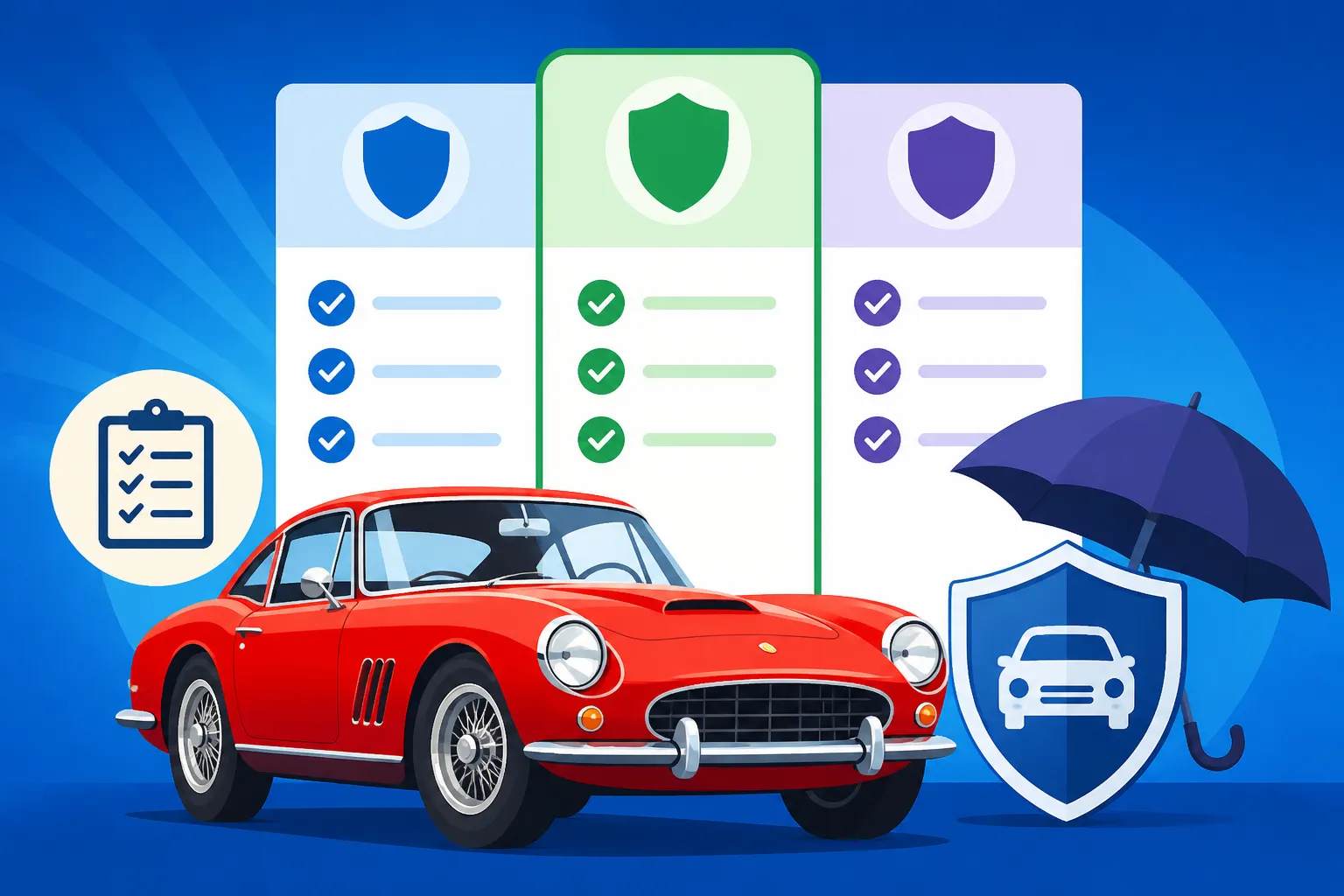
Once you start receiving quotes, inputting the information into a simple comparison chart can be incredibly effective. This allows you to visualize the differences in coverage, cost, and benefits at a glance.
Here’s a template you can adapt:
| Feature/Coverage | Insurer A (e.g., Hagerty) | Insurer B (e.g., Grundy) | Insurer C (e.g., American Collectors) |
|---|---|---|---|
| Agreed Value | $75,000 | $72,000 | $75,000 |
| Annual Premium | $850 | $790 | $910 |
| Deductible | $250 | $500 | $0 |
| Mileage Limit | 5,000 miles/year | Unlimited | 3,000 miles/year |
| Restoration Coverage | Yes (up to 10% annual increase) | Yes (requires quarterly updates) | Yes (up to $50,000 additional) |
| Spare Parts Coverage | $1,500 | $2,000 | $1,000 |
| Roadside Assistance | Flatbed towing, Trip Interruption | Flatbed only | Basic towing |
| Inflation Guard | Yes (2% annual) | No | Yes (5% annual) |
| Car Club Discount | Yes | No | Yes |
| Storage Requirement | Locked garage | Locked garage | Locked garage or secure carport |
| Claims Process Rating | Excellent (online reviews) | Good (some delays reported) | Very Good |
| Unique Benefits | Valuation tools, Magazine subscription | No appraisal required up to $250k | Discount for multi-vehicle policies |
Populating this table will immediately highlight areas where one policy excels or falls short compared to another. For instance, in the example above, Insurer B might have a slightly lower premium, but its higher deductible, lack of inflation guard, and basic roadside assistance might make Insurer A a better overall value, especially if you plan on holding the car for a long time. You might also find that while one company like Hagerty offers excellent valuation tools, another might be more flexible on certain Classic Car Insurance Eligibility Requirements.
Evaluating the Intangibles
Beyond the numbers and explicit coverages, there are qualitative factors that are equally important when making your final decision. These are the "feel" of the company and how well they align with your needs as a collector.
- Flexibility and Customization: Does the insurer seem willing to work with you on specific needs? For instance, if you have a highly modified classic or a rare import, some insurers might be more accommodating than others. Can they adapt to your evolving collection, such as when you Add a Newly Purchased Classic to your policy?
- Expertise and Advocacy: Do the agents sound knowledgeable about classic cars, or do they treat it like any other vehicle? A specialty insurer understands the nuances of a vintage Ferrari versus a classic Mustang, and this expertise can be invaluable during a claim. You want an insurer who acts as your advocate, especially when dealing with repair shops or third parties.
- Community Involvement: Some classic car insurers are deeply embedded in the collector community, sponsoring shows, providing valuation services, or offering exclusive events. While not a direct coverage benefit, this can add significant value to your overall experience as a collector. For example, Hagerty is well-known for its extensive community engagement and resources, which many collectors appreciate.
- Online Tools and Resources: Do they offer helpful online valuation guides, policy management portals, or mobile apps? Modern convenience can be a big plus for busy collectors.
Don't be afraid to ask questions, no matter how small they seem. A good insurer will patiently explain everything. This comprehensive approach to comparing classic car insurance side by side will not only help you save money but, more importantly, ensure that your pride and joy is protected by a policy that truly understands its worth. Remember, the cheapest policy isn't always the best; the right policy is the one that gives you complete peace of mind.
Disclaimer
Please remember that insurance policies and their specific terms, conditions, and availability can vary significantly. This guide provides general information and recommendations. Always consult directly with an authorized insurance agent or representative to discuss your individual needs, obtain personalized quotes, and thoroughly review policy documents before making any insurance decisions. The information provided herein is not financial or legal advice.