Classic Car Insurance Requirements in Washington
It’s a special kind of pride and joy to own a classic car, isn't it? Whether you’re cruising down the scenic highways of the Olympic Peninsula or showcasing your meticulously restored beauty at a local car show in Spokane, you want to know it’s protected. However, figuring out the specific classic car insurance requirements in Washington state can feel like navigating a winding mountain pass without a map. This guide aims to demystify the process, ensuring your cherished ride has the right coverage, perfectly tailored to its unique needs and the Evergreen State's regulations.
Understanding Washington's General Insurance Requirements for Vehicles
Before we dive into the specifics of classic car insurance, it’s really helpful to understand the baseline for any vehicle on Washington roads. It’s like knowing the general rules of the road before you get into the nuances of driving a vintage machine. While classic car insurance is distinct, it still operates within the broader framework of state law.
Minimum Liability Coverage in Washington
Every driver in Washington state is legally required to carry a minimum amount of auto insurance. This isn't just a suggestion; it's the law, enforced by the Washington State Department of Licensing (DOL). The purpose of this mandatory liability coverage is to ensure that if you are at fault in an accident, there’s a financial safety net to cover damages or injuries to other people and their property. The minimums are usually expressed in a series of numbers, often referred to as 25/50/10.
Let’s break down what those numbers actually mean, because it’s important context. The first number, $25,000, refers to the maximum amount your insurance company will pay for bodily injury liability for one person in an accident you cause. The second number, $50,000, is the maximum for bodily injury liability for all people injured in that same accident. Finally, the $10,000 represents the maximum amount for property damage liability for an accident you cause. Now, while these are the legal minimums, for a classic car, these amounts are almost always woefully inadequate. Imagine an accident involving a modern luxury SUV and a few medical bills; that $10,000 or even $50,000 can evaporate quicker than morning fog on Puget Sound. This is why specialized classic car policies often recommend much higher liability limits, reflecting the unique risks and potential costs involved when your vintage vehicle is out and about.
Proof of Insurance Requirements
Just like with any other vehicle, if you're driving a classic car in Washington, you need to be able to prove you have valid insurance. The Washington DOL mandates that all drivers carry proof of liability insurance with them whenever they're behind the wheel. This proof can come in various forms, making it pretty convenient for most folks.
Typically, an insurance ID card issued by your provider is the most common form of proof. Many companies, including specialty insurers like Hagerty, offer digital insurance cards that you can display on your smartphone, which is incredibly handy. If you’re pulled over or involved in an accident, law enforcement will ask to see this proof. Failure to provide it can lead to fines and penalties, even if you actually have insurance but just didn't have the card on hand. It's a minor detail, but one that can cause a major headache if overlooked. So, whether you're taking your 1969 Camaro for a Sunday drive or heading to a car show in Tacoma, double-check that your proof of insurance is readily accessible.
Specific Criteria for Classic Car Insurance Eligibility in Washington
This is where classic car insurance really diverges from standard auto policies. Insurers specializing in collector vehicles look for specific characteristics and usage patterns that indicate a lower risk profile compared to a daily commuter. Meeting these criteria is key to getting the specialized coverage and often more favorable rates that classic car insurance offers. Understanding these can feel like learning a whole new language, but it’s essential for protecting your investment.
Vehicle Age and Definition of a Classic
One of the most fundamental requirements for classic car insurance is, unsurprisingly, the age of the vehicle. While there isn't one universal "classic" definition that every insurer and state agency agrees on, a common baseline for most specialty insurance providers is generally 25 years or older. However, this isn't always a hard and fast rule, and there are nuances. Some insurers might extend coverage to "future classics" or "modern collectibles" that are younger, perhaps 15-20 years old, if they meet other stringent criteria like low mileage, limited production, or significant historical value. Conversely, a vehicle that's 30 years old but has been heavily modified or used as a daily driver might not qualify.
The Washington State Department of Licensing (DOL) also has its own definitions, primarily for registration purposes, which can sometimes differ from what an insurance company considers a classic. For example, Washington offers "Collector Vehicle" plates for vehicles 30 years or older that are maintained as collector's items. They also have “Horseless Carriage” plates for vehicles manufactured prior to 1916. While these state definitions are important for antique vehicle registration and securing specific license plates, remember that an insurer's definition is what dictates your eligibility for a classic car policy. It’s a bit of a dance between state requirements and insurance company guidelines. Therefore, always confirm your vehicle's specific eligibility with your chosen classic car insurance provider.
Usage Restrictions: Pleasure vs. Daily Driving
This is perhaps the most significant differentiator between classic car insurance and regular auto insurance policies, and it's a huge factor in why classic car premiums can be surprisingly affordable. Classic car insurance is designed for vehicles that are used sparingly, primarily for pleasure. This means leisurely drives, club events, car shows, and parades – not your daily commute to work or a run to the grocery store. Most specialty insurers, like Grundy, will have strict mileage limits, typically ranging from 2,500 to 7,500 miles per year, though some offer more flexible or even Unlimited Mileage Classic Car Insurance Explained options for an adjusted premium.
The underlying rationale is simple: a car that spends most of its time safely garaged and is driven only occasionally poses a much lower risk for accidents and wear and tear than a vehicle accumulating tens of thousands of miles annually. If your vehicle is intended to be a Classic Car Insurance for a Daily Driver, you'll likely find that standard auto insurance, while more expensive, is your only option. Trying to pass off a daily driver as a pleasure-use classic to an insurer can lead to claim denials if an incident occurs, which would be a devastating blow. It's crucial to be honest about your intended usage. This distinction in how you use your car is central to the entire classic car insurance model and is explained further in the Pleasure-Use Requirement Explained.
Secure Storage Requirements
Another non-negotiable requirement for most classic car insurance policies in Washington, and across the nation, is secure storage. Insurers want to know that your prized possession is protected when it's not on the road. This typically means a private, enclosed, and locked garage. Think about it: a classic car parked outside, exposed to the elements or easily accessible to potential thieves, represents a much higher risk than one tucked away safely in a garage.
Most policies will explicitly state this requirement. A carport, driveway, or street parking usually won't suffice for securing a classic car policy. The garage doesn't necessarily have to be attached to your home, but it must be private and offer adequate protection. Some high-value vehicles might even require additional security measures, such as alarm systems, surveillance, or even climate-controlled facilities. The specifics can vary, but the fundamental expectation is that your classic is stored securely when not in use. This critical aspect of coverage is deeply explored in articles like Garage Storage Requirement for Classic Cars and How Storage Affects Classic Car Eligibility, emphasizing just how important your storage solution is to your policy's validity.
Key Coverage Types Recommended for Washington Classic Car Owners
Once your vehicle meets the eligibility criteria, the next step is to choose the right coverage. Standard auto insurance policies often fall short when it comes to the unique value and needs of classic cars. This is why specialty policies offer specific coverage options that are paramount for collectors in Washington and beyond.
Agreed Value Coverage: The Cornerstone for Classics
If there’s one single most important difference between classic car insurance and regular auto insurance, it’s the concept of Agreed Value coverage. This is the absolute cornerstone of any good classic car policy and something every Washington classic car owner should insist on. With a standard auto policy, if your car is totaled, the payout is based on its "Actual Cash Value" (ACV), which is essentially market value minus depreciation. For a classic, this can be a disaster because classics often appreciate, or at least hold their value differently than standard cars. ACV would likely undervalue your cherished vehicle significantly.
Agreed Value coverage, on the other hand, means that you and your insurer agree upon the car's value before the policy is even issued. This value is typically determined through an appraisal, documented photos, and market research. If your classic car is then deemed a total loss, the insurance company will pay you that exact agreed-upon amount, no questions asked (assuming the claim is valid). This eliminates the heartbreaking negotiation and potential for underpayment that can occur with ACV. For a collector in Washington, whether you're insuring a vintage Ford Bronco or a meticulously restored muscle car, having the peace of mind that your investment is protected by a firm, predetermined value is invaluable. Companies like Hagerty excel at offering robust Agreed Value Coverage Explained that truly protects a collector's investment.
Restoration and Parts Coverage
Many classic cars in Washington aren’t just weekend cruisers; they're ongoing projects, cars under various stages of restoration. This means a significant investment in time, money, and parts, often spread over years. Standard auto insurance simply isn't equipped to handle a vehicle that might be non-operational, disassembled, or rapidly increasing in value as work progresses. This is where specialized restoration and parts coverage becomes incredibly valuable.
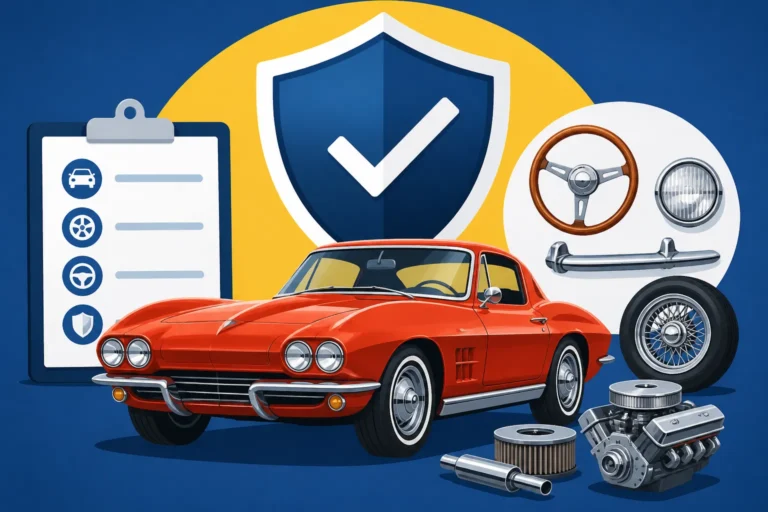
Restoration coverage protects your vehicle (and the parts acquired for it) even when it's in pieces in your garage or at a restoration shop. It often accounts for the "sweat equity" you put into the car, allowing you to increase the agreed value as significant milestones in the restoration process are completed. For example, if you're undertaking a complete frame-off restoration of a 1965 Mustang convertible in your home garage in Olympia, the value of that car steadily increases with every new panel, engine rebuild, and fresh paint job. This coverage allows you to adjust the insured value periodically to reflect these improvements. Additionally, dedicated spare parts coverage can protect valuable NOS (New Old Stock) parts, rare components, or even specialized tools and automobilia that you might store separately. This critical coverage protects your project through its various stages, from a "barn find" to a show-ready masterpiece. It's an endorsement every collector should consider, especially those engaged in Restoration Coverage for Classic Cars.
Washington State Registration Considerations for Classic Cars
Insurance isn't the only state-specific factor for classic car owners. Registration is also handled differently for collector vehicles in Washington, and these differences can often align with or influence your insurance options. Understanding these nuances can save you time, money, and potential headaches down the road.
Antique and Collector Plate Options
Washington state offers special license plates for vehicles that meet certain age and usage criteria, which can be particularly appealing to classic car owners. The two main categories are "Collector Vehicle" plates and "Horseless Carriage" plates, both managed by the Washington State Department of Licensing (DOL).
To qualify for a "Collector Vehicle" plate, your car must be at least 30 years old and maintained as a collector's item. This designation often means that you pay a one-time registration fee instead of annual tabs, which is a fantastic perk for long-term ownership. These plates signify that your vehicle is primarily for exhibition, club activities, parades, and occasional pleasure driving, aligning perfectly with the usage restrictions of most classic car insurance policies. "Horseless Carriage" plates are for truly vintage vehicles, specifically those manufactured prior to 1916, also with a one-time registration fee. Obtaining these special plates not only adds a touch of authenticity to your classic but also signals to insurers that your vehicle is likely being used and stored in a manner consistent with a collector car, potentially simplifying your classic car insurance process. For more detailed information, checking out resources like Antique Vehicle Registration in Washington can be incredibly helpful.
Emissions and Inspection Exemptions
Another significant benefit for classic car owners in Washington is the exemption from certain standard vehicle requirements, particularly emissions testing and sometimes safety inspections. This is often a huge relief, as getting an older, carbureted, or highly original classic car to pass modern emissions standards can be a real challenge, if not impossible.
In Washington, vehicles that qualify for "Collector Vehicle" plates are generally exempt from annual emissions testing. This is a common practice in many states, reflecting the understanding that these vehicles are not daily drivers contributing significantly to air pollution. Additionally, older vehicles may also be exempt from some routine safety inspections, depending on the exact age and designation. For example, vehicles manufactured before a certain year (often around 1968 or 1975, though this can vary) are typically exempt from federal emissions requirements and often state-level tests. Always confirm the current regulations with the Washington DOL, as laws can change. These exemptions make ownership more manageable and are another way that the state recognizes and accommodates the unique nature of classic automobiles, further emphasizing why Classic Car Emissions Test Exemptions by State is such a relevant topic for collectors.
Summary of Washington Classic Car Insurance Requirements
| Requirement Category | Standard Auto Insurance (Washington) | Classic Car Insurance (Washington) | Importance for Classics |
|---|---|---|---|
| Minimum Liability | Required (25/50/10) | Required (Higher limits recommended) | State law, but specialist policies provide better protection. |
| Vehicle Age | N/A (Any age) | Typically 25+ years (can vary) | Key for eligibility; distinguishes from daily drivers. |
| Usage | Daily commuting, general purpose | Pleasure drives, shows, limited mileage | Critical for lower premiums and policy validity. |
| Storage | Varies (often flexible) | Secure, enclosed, locked garage required | Essential for risk reduction and theft prevention. |
| Valuation | Actual Cash Value (ACV) | Agreed Value (predetermined payout) | Protects true investment, prevents undervaluation. |
| Registration (WA State) | Standard tabs & fees | Collector Vehicle/Horseless Carriage options | One-time fees, emissions exemptions. Aligns with usage. |
| Emissions/Inspections | Generally required | Often exempt for qualifying classics | Reduces ownership burden for older vehicles. |
Final Thoughts on Insuring Your Classic in the Evergreen State
Navigating the world of classic car insurance in Washington state can seem like a lot to take in, but it’s entirely manageable once you understand the specific criteria and benefits. The key takeaway is this: your classic car is not just another vehicle, and it shouldn't be insured like one. Regular auto policies are simply not designed to protect the unique value, usage patterns, and emotional investment that comes with owning a collector vehicle.
By opting for specialized classic car insurance, you're not just buying a policy; you're securing peace of mind. You're ensuring that the true value of your car is recognized and protected with Agreed Value Coverage Explained, that your limited driving habits are rewarded with potentially lower premiums, and that your vehicle is covered even through the complexities of Restoration Coverage for Classic Cars. Remember to always be upfront with your insurer about your car's age, its intended use, and its storage situation. This transparency ensures you get the right coverage and avoids any unpleasant surprises should you ever need to file a claim.
So, go ahead and enjoy those breathtaking drives through Washington’s diverse landscapes or proudly display your classic at your next local event. With the right insurance in place, you can simply focus on the joy of the open road and the camaraderie of the classic car community.
Disclaimer
Please remember that insurance policies and state regulations can change. This article provides general information and should not be considered legal or financial advice. Always consult with a qualified insurance professional and refer to the official Washington State Department of Licensing (DOL) resources for the most current and specific requirements regarding your classic car insurance and registration.