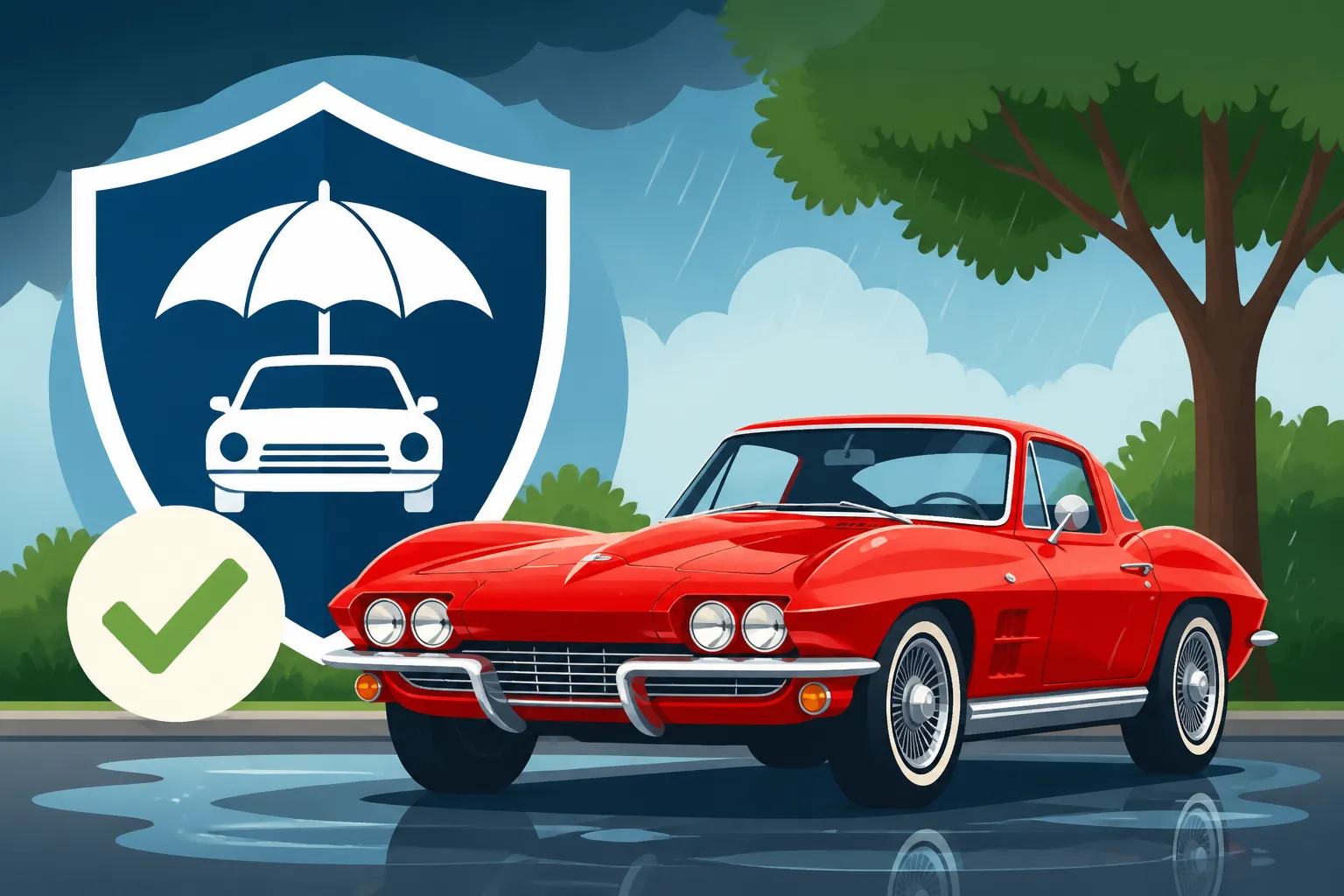
Can You Insure a Classic Car Parked Outside
It's a question many classic car enthusiasts grapple with, especially those who've poured their heart and soul into a vintage beauty but might not have the luxury of a pristine, climate-controlled garage. The short answer to "Can you insure a classic car parked outside?" is often "yes," but it comes with a significant asterisk. You see, traditional insurance companies, and even some specialty providers, tend to shy away from classics that aren't securely garaged, making it a frustrating puzzle to solve. This guide is here to untangle those complexities, explain why outdoor parking is such a sticking point for insurers, and offer practical advice on how to find the right coverage for your cherished vehicle, even if it lives under the open sky.
The Reality of Insuring a Classic Car Parked Outdoors
Let's be honest, the dream for many of us is a spacious garage, perhaps with a lift, all tucked away safely. But reality isn't always so neat. Many passionate collectors simply don't have that ideal setup, leading to the anxiety of leaving their pride and joy exposed to the elements or the whims of passersby. Insuring a classic car that isn't garaged can feel like an uphill battle, primarily because insurers perceive a much higher risk.
Why Standard Policies Often Fall Short
When you approach a standard auto insurance provider for a classic car, even if they do offer coverage, you'll quickly discover their policies aren't designed for the unique needs of collector vehicles. More importantly, they almost universally expect your vehicle to be stored in a "secure, enclosed structure" like a private garage. If your vintage Ford Mustang or Chevrolet Camaro is regularly parked in a driveway, under a carport, or on the street, many mainstream insurers will either flat-out deny coverage or offer a policy with sky-high premiums and significant exclusions that leave you vulnerable.
The issue stems from how they value and assess risk. A standard policy typically uses actual cash value (ACV), meaning if your classic is damaged or stolen, they pay out what a similar vehicle would fetch today, factoring in depreciation. For a classic, which often appreciates or has a unique agreed value, this is a terrible deal. Furthermore, their risk models don't account for the specialized care and limited use typical of a collector car. For instance, a daily driver parked outside is expected to endure more wear and tear, but a classic that's only driven occasionally should, theoretically, be less exposed. However, the lack of a garage immediately flags it as a higher risk for theft, vandalism, and environmental damage, regardless of its usage. They simply aren't equipped to understand why your 1960s Porsche might be outside for a brief period or if your property offers ample security.
The Insurer's Perspective on Risk
From an insurance company's standpoint, a classic car parked outside is a magnet for trouble. Think about it:
- Theft: An unprotected classic is an easier target for opportunistic thieves. These cars are often unique, valuable, and sometimes lack modern anti-theft systems. Even if your car is secured, it's more visible.
- Vandalism: Keys, spray paint, or even just a careless bump from a pedestrian can cause significant damage to a classic's delicate paint or bodywork.
- Environmental Damage: Hail, torrential rain, falling branches, extreme sun exposure, and even bird droppings can cause costly damage. While a car cover helps, it's not foolproof and doesn't offer the structural protection of a garage.
- Accidental Damage: Neighbors backing out, delivery drivers misjudging distances, or even stray sports equipment can all lead to damage that's far less likely to occur in an enclosed garage.
Because of these heightened risks, insurers see increased potential for claims, which directly impacts their bottom line. They're in the business of calculating risk and pricing it accordingly. Without the mitigating factor of a secure garage, that risk calculation shifts dramatically, leading to the tough stance many take. It's not personal, it's just business, but it certainly doesn't make things easier for you, the classic car owner. This is precisely why understanding the specific requirements for classic car insurance, including storage, is so vital.
Navigating the "Garage Clause" and Storage Requirements
The "garage clause" is a common term in the classic car insurance world, and it's where many outdoor-parking classic owners hit a wall. It essentially states that the insured vehicle must be kept in an "enclosed, locked, private garage" or similar secure structure when not in use. This isn't just a suggestion; it's often a strict condition of your policy.
Understanding Different Storage Types
Insurance providers categorize storage locations based on their perceived security and protection. Here's a breakdown:
- Private, Enclosed, Locked Garage: This is the gold standard. It could be an attached garage, a detached garage, or even a professionally managed storage unit. The key is that it's fully enclosed, has a solid roof, walls, and a lockable door, providing protection from theft, vandalism, and most weather conditions. This is the ideal scenario for most classic car insurers. For more on this, check out our guide on Garage Storage Requirement for Classic Cars.
- Carport: Better than nothing, a carport offers some overhead protection from sun, rain, and hail, but no side protection. It's open to the elements and accessible to anyone, greatly increasing the risk of theft and vandalism. Most specialty insurers will not consider a carport adequate primary storage for a classic.
- Driveway/Street Parking: This is generally the least desirable option from an insurance perspective. The car is completely exposed to all elements, easily accessible, and highly visible. Very few, if any, classic car insurance policies will cover a vehicle that is regularly parked on a driveway or the street, even if it's only for a short period.
- Public Storage Unit (Enclosed): This can be an acceptable option if it's a dedicated, fully enclosed unit. The key here is "enclosed" and "secure." Many collectors use these if they lack garage space at home.
The distinction between these storage types directly influences not just your eligibility, but also your premium and the scope of your coverage. Some policies might have specific exclusions if damage occurs while the car is not in its approved storage location. This is a critical detail in how storage affects classic car eligibility.
State Regulations and Insurance Eligibility
While states generally mandate minimum liability coverage for any registered vehicle, they don't typically dictate specific storage requirements for classic cars to obtain insurance. However, state regulations do play a role in what qualifies as a classic, antique, or historic vehicle for registration purposes, and this can indirectly affect insurance eligibility. For example, some states might offer specific historic license plates that come with driving restrictions (e.g., only for parades, shows, or limited pleasure use), which can align with the limited use requirements of specialty classic car insurance.
However, the storage requirement itself is almost universally dictated by the insurer, not the state. The insurer's concern is protecting their investment and mitigating risk. If a state has a high incidence of vehicle theft or severe weather, an insurer's stance on outdoor storage might be even stricter, regardless of the vehicle's classic status. It’s always important to understand your local DMV's rules regarding classic car registration and insurance by state, as they can sometimes influence insurance requirements.
Documenting Your Storage Situation
If you do manage to find an insurer willing to cover a classic parked outside, be prepared to thoroughly document your storage situation. They'll want to know about any mitigating factors that reduce risk. This might include:
- Security Measures: Do you have a robust home security system? Gated property? Security cameras pointed at the car? Active deterrents like motion-sensor lights?
- Neighborhood: Is your area low-crime? Do you have neighbors who are often home and keep an eye out?
- Car Cover: While not a substitute for a garage, a high-quality, custom-fit car cover can offer protection from weather and some minor dings, and can make the car less conspicuous.
- Frequency and Duration of Outdoor Parking: Is it a temporary situation, or is the car always parked outside? Insurers are much more amenable to occasional or temporary outdoor parking than permanent outdoor storage.
A detailed description, accompanied by photos or even a video tour, can help an underwriter assess the real-world risk, rather than relying solely on a blanket "no outdoor parking" rule. However, even with documentation, obtaining full, agreed value coverage for a permanently outdoor-parked classic remains a significant challenge.
Finding Coverage Options for Non-Garaged Classics
So, what's a classic car owner to do if a garage isn't an option? While it's tough, it's not entirely hopeless. The key is knowing where to look and being realistic about the terms.
Exploring Specialty Insurers
Your best bet for insuring a classic car parked outside will almost certainly be a specialty classic car insurance provider. Unlike mainstream insurers who treat classics as just older versions of regular cars, companies like Hagerty, Grundy, or American Collectors Insurance understand the unique needs and risks associated with these vehicles. They offer policies tailored for collectors, including agreed value coverage, which ensures you get the car's true value if it's totaled or stolen, not a depreciated amount.
However, even these specialty providers typically have a strong preference, if not a strict requirement, for secure, enclosed garaging. They design their rates around the assumption that your classic is stored safely. That said, some may be more flexible under certain circumstances, particularly if:
- It's a temporary situation: You're between homes, renovating your garage, or the car is briefly at a trusted mechanic's shop.
- You have exceptional alternative security: A fully fenced and gated property with advanced alarm systems and surveillance cameras might sway an underwriter.
- The car is less valuable: A lower-value classic might be easier to cover outside than a six-figure show car, simply because the potential loss for the insurer is less.
It's crucial to be upfront and honest about your storage situation when getting a quote. Misrepresenting your storage could lead to a denied claim down the line. Don't assume anything; ask direct questions about their specific Storage Options Specialty Insurers Accept and if they have any provisions for non-garaged vehicles. You might find that while the general rule is "garage required," there can be exceptions for specific scenarios or with additional security measures in place.
Mitigating Risks for Outdoor Parking
If you absolutely must park your classic outdoors, taking proactive steps to mitigate risks is paramount, not just for your peace of mind, but also to potentially sway an insurer.
- Invest in Top-Tier Security: This goes beyond a basic alarm. Consider GPS tracking devices (many modern ones are hidden and battery-powered), comprehensive surveillance cameras with motion detection and remote monitoring, and secure fencing. For example, a system from Ring or Arlo that alerts your phone to activity can be a strong deterrent.
- Use a High-Quality Car Cover: A custom-fit, weather-resistant car cover is a must. It protects against sun, rain, dust, and minor dings, and also keeps your classic out of sight, reducing its appeal to opportunistic thieves. Look for covers with soft linings to protect paint and breathable materials to prevent moisture buildup.
- Regular Inspections and Maintenance: Outdoor storage can accelerate wear and tear. Regularly check for moisture, rust, and pest intrusion. Keep the car clean and waxed to protect the paint.
- Strategic Parking: If possible, park in a well-lit area, visible from your home or by trusted neighbors. Avoid secluded spots or areas known for high crime.
- Neighborhood Watch/Community: A strong community presence and active neighborhood watch can be a deterrent to crime, adding an extra layer of "eyes" on your vehicle.
While these measures won't replace a garage in an insurer's eyes, they demonstrate a commitment to protecting your vehicle, which might be a factor in their decision-making.
Potential Policy Limitations and Higher Costs
Even if you find an insurer willing to cover your classic car parked outside, be prepared for some trade-offs.
Higher Premiums: Expect to pay more. The increased risk associated with outdoor parking will be reflected in your insurance premium. The question of What Affects Classic Car Insurance Rates directly includes storage conditions, so this is a given.
Specific Exclusions: Your policy might come with exclusions or limitations related to how and where the car is stored. For example, it might not cover damage from hail if parked outside, or theft if the car was not covered by a specific anti-theft device. Always scrutinize the Classic Car Insurance Exclusions to Know very carefully.
Limited Coverage Options: You might find that some optional coverages, like those for spare parts or restoration coverage, are harder to obtain or more expensive if your primary vehicle storage isn't secure. Insurers are less willing to cover valuable components if they perceive a higher theft risk.
Requirement for Secondary Vehicle: Some specialty insurers might require you to have a separate, modern vehicle for daily use. This reinforces the idea that your classic is a "pleasure use" vehicle, driven only occasionally and not relied upon for regular transportation. You can learn more about this in our guide on Do You Need a Separate Car for Classic Insurance.
Ultimately, the best approach is to gather quotes from several specialty providers, be completely transparent about your storage, and carefully compare what each policy offers, including their agreed value coverage, terms, and any specific limitations for outdoor storage.
| Storage Type | Insurance Likelihood (Specialty Insurer) | Key Risks | Typical Cost Impact |
|---|---|---|---|
| Private, Locked Garage | High | Very Low | Standard/Lowest |
| Community Garage/Unit | High (if private, locked) | Low | Standard/Low |
| Carport | Low to Moderate | Theft, Vandalism, Weather | Moderate to High |
| Driveway/Street | Very Low to None | Theft, Vandalism, Weather, Accidents | Very High (if available) |
This table illustrates the general stance, but individual insurer flexibility can vary.
Practical Tips for Protecting Your Outdoor-Parked Classic
If, after all your research, parking your classic outside remains your only option, then becoming hyper-vigilant about its protection is absolutely essential. This isn't just about satisfying an insurer; it's about safeguarding your investment and passion.
Security Measures to Consider
Beyond what an insurer might require, there are smart, practical steps you can take to make your classic a less appealing target and minimize potential damage.
- Layered Security Approach: Think in layers. Start with a steering wheel club (like "The Club") or a pedal lock, which are visible deterrents. Add a high-quality alarm system that includes shock sensors and tilt sensors to detect towing. Consider a kill switch that's discreetly placed, making it impossible to start the car even if thieves gain access. A GPS tracker is invaluable for recovery if the worst happens.
- Lighting and Visibility: Thieves prefer to work in the dark. Install bright, motion-activated floodlights around the area where your car is parked. Ensure the car is visible from your house or by neighbors. A well-lit area is a strong deterrent.
- Reinforce Access Points: If your car is parked in a backyard or behind a fence, ensure gates are sturdy, locked, and difficult to climb. Consider adding security spikes or razor wire if appropriate for your property and local ordinances.
- Remove Valuables: This might seem obvious for a modern car, but applies to classics too. Don't leave loose change, electronic devices, or even car club regalia visible. Anything that makes the car seem like it holds treasures makes it more appealing.
Remember, the goal is to make your car a harder target than the one next to it. Thieves are often looking for the easiest score, so any added friction or risk increases the chances they'll move on.
Maintenance for Exposed Vehicles
Outdoor parking subjects your classic to far more stress than garaged storage. Regular and meticulous maintenance becomes even more critical.
- Frequent Washing and Waxing: Environmental contaminants like bird droppings, tree sap, and industrial fallout can quickly degrade paint. Wash your car frequently with pH-neutral soap and apply a high-quality wax or ceramic coating regularly to create a protective barrier.
- Rust Prevention: Pay extra attention to areas prone to rust, especially chrome trim, wheel wells, and chassis components. Use rust inhibitors and protective coatings as needed. If you live in an area with high humidity or road salt (even if only for modern cars), this is non-negotiable.
- Tire Care: Tires can suffer from UV exposure and temperature fluctuations, leading to dry rot. Keep them properly inflated and consider tire dressings that offer UV protection. If storing for longer periods, consider tire covers.
- Interior Protection: UV rays can fade and crack dashboards, seats, and interior trim. Use a sunshade whenever the car is parked during the day, and consider tinting windows if it's period-appropriate for your car. Regular conditioning of leather and vinyl is also vital.
- Fluid Checks: Extreme temperatures can affect fluids. Regularly check oil, coolant, brake fluid, and power steering fluid levels and condition. Ensure your coolant has the proper antifreeze mixture for winter.
- Pest Control: Outdoor parking, especially near trees or bushes, makes your classic vulnerable to pests. Regularly check engine bays, air intakes, and interiors for signs of mice, rats, or insects, which can cause significant damage to wiring and upholstery.
Taking these proactive steps not only preserves the condition of your classic but also shows an insurer your dedication to its care. While it might still be an uphill battle, demonstrating such diligence can sometimes make a difference when seeking insurance for your unique situation. This diligent care also helps maintain the agreed value of your vehicle over time, an important aspect that our article on How to Increase Your Agreed Value Over Time delves into.
Disclaimer
Please note that this information is for educational purposes only and does not constitute professional insurance advice. Insurance policies and requirements can vary significantly by state, insurer, and individual circumstances. It is always recommended to consult with a qualified insurance professional or specialty classic car insurance provider to discuss your specific needs and obtain accurate quotes and policy details.