Best Coverage Types for a Modern Collectible
It’s incredibly frustrating when you have a car that feels special, that you know is more than just "transportation," but you're not sure how to protect its true value with insurance. Modern collectibles, often falling into that gray area between a traditional classic and a brand-new daily driver, pose a unique challenge. This guide will walk you through the specific coverage types you need to ensure your cherished modern collectible is properly protected, so you can drive it with peace of mind.
What Exactly is a Modern Collectible Car in the Insurance World?
When we talk about "classic cars," most people picture a '57 Chevy or a '60s Mustang. But the world of collecting has evolved, and now there's a whole category of vehicles often referred to as "modern collectibles" or "youngtimers" that are rapidly gaining value and enthusiast attention. These aren't just old cars; they're special editions, low-production runs, or historically significant models from recent decades that command a different kind of respect and protection than your everyday sedan.
Beyond the Traditional Definition
The typical definition of a classic car, for insurance purposes, often centers on age – usually 25 years or older. But modern collectibles defy this simple age bracket. Think about a 1990s Japanese sports car like a Nissan Skyline GT-R, a limited-edition muscle car from the early 2000s like a Ford SVT Cobra, or even certain high-performance luxury vehicles that were produced in small numbers. These cars might not yet be 25 years old, but their market value far exceeds what a standard auto policy would ever acknowledge. They're often celebrated for their engineering, design, or cultural impact, making them highly desirable to collectors.
What makes them "collectible" isn't just their looks, but their story and rarity. They often represent a pinnacle of automotive achievement for their era, or they were built in such limited quantities that they immediately became sought-after. Trying to fit these unique machines into a standard insurance box is like trying to put a square peg in a round hole – it just doesn’t work.
Key Eligibility Factors Insurers Look For
So, what exactly does a specialty insurer look for when determining if your modern gem qualifies for classic or collector car insurance? It's usually a combination of factors that indicate the car isn't just an old vehicle, but a valued asset. They want to see that you, as the owner, treat it with the care and respect it deserves.
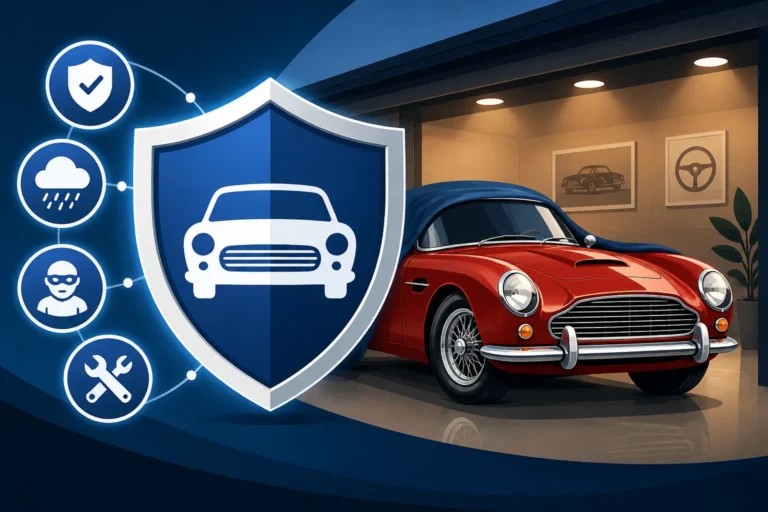
First and foremost is limited use. Unlike a daily driver, a modern collectible is typically driven for pleasure, car shows, club events, or occasional touring. Most policies will have specific Classic Car Insurance Mileage Limits by State to reflect this. Second, insurers look at storage conditions. A secure, enclosed garage is almost always a requirement, showing that the car is protected from the elements and theft. This is a big differentiator from regular car insurance, which often doesn't care if your daily commuter sits in the driveway. Third, overall condition and modifications are scrutinized. While some modification is acceptable, especially if it enhances the car's collectible value (think tasteful period-correct upgrades), radical changes might require a specialized Modified Car Insurance Eligibility assessment. Finally, the driver's record and experience with such vehicles can play a role. Insurers want to know that the person behind the wheel understands the car's value and drives it responsibly. Companies like Hagerty have built their reputation on understanding these nuances.
Why Standard Auto Insurance Just Won't Cut It for Your Special Ride
It's tempting to just add your modern collectible to your regular auto insurance policy, especially if it's not super old. You figure, "it's just another car, right?" But that's where the heartache often begins. Standard auto policies are designed for depreciating assets, not appreciating ones. They're built for the wear and tear of daily commutes and inevitable depreciation, which is the exact opposite of what a modern collectible experiences.
The Problem with Actual Cash Value (ACV)
The biggest pitfall of standard auto insurance for a modern collectible is its reliance on Actual Cash Value (ACV). In a nutshell, if your car is totaled, ACV coverage will pay you what the insurance company determines the car was worth at the time of the loss, minus depreciation, wear and tear, and your deductible. For a regular car, this makes sense; a 2015 Honda Civic is worth less today than it was new.
But imagine your pristine, low-mileage 1998 Toyota Supra Twin Turbo, which you've lovingly maintained and whose market value has absolutely soared in recent years, gets totaled. If it's on a standard ACV policy, the insurer will likely look at it as a nearly 25-year-old Toyota and offer you a paltry sum based on depreciation schedules, completely ignoring its collector status. You’d be left holding the bag, unable to replace your beloved vehicle for anything close to what you'd receive. This is a common and devastating frustration for collectors who haven't made the switch to specialty insurance.
The Importance of Specialty Coverage
This is precisely why specialty classic car insurance exists, and why it's absolutely crucial for a modern collectible. These policies are specifically designed to protect the true, unique value of vehicles that aren't just "transportation." They understand that a limited-production Porsche 911 from the 1990s holds a different kind of value than a standard 1990s sedan.
Specialty insurers recognize that these cars are often driven fewer miles, stored more securely, and maintained meticulously by their owners. This reduced risk profile, combined with an understanding of collector car market dynamics, allows them to offer tailored coverages that a standard policy simply cannot. They offer protections that acknowledge your car's unique status and ensure that, in the event of a loss, you're not left financially devastated. This isn't just about saving money; it's about getting the right kind of protection. If you're wondering Do You Need Special Insurance for a Classic Car, the answer is almost certainly yes for a modern collectible.
The Cornerstone of Protection: Agreed Value Coverage
When it comes to insuring your modern collectible, if there's one coverage type that you absolutely must have, it's Agreed Value. This is the bedrock of any solid classic or collector car policy, and it's what truly sets specialty insurance apart from your run-of-the-mill auto coverage. Without it, you're playing a risky game with your treasured asset.
Agreed Value Coverage Explained
Agreed Value coverage means that when you purchase your policy, you and the insurance company agree on the exact value of your modern collectible. This isn't some arbitrary number; it's a value determined based on factors like the car's condition, mileage, modifications, market trends, and sometimes an independent appraisal. Once this value is agreed upon, it's locked in for the policy term.
The magic happens if your car is ever deemed a total loss (stolen, completely destroyed, etc.). Instead of getting paid a depreciated Actual Cash Value, you will receive the full agreed-upon amount, minus your deductible, no questions asked. This eliminates the uncertainty and potential heartbreak of traditional policies. For a modern collectible, whose market value can be quite volatile and is often appreciating, this peace of mind is invaluable. It means you can replace your car with one of similar value and condition, or at least be compensated fairly. Many collectors find this to be the most crucial aspect of their Classic Car Insurance Coverage Types Explained.
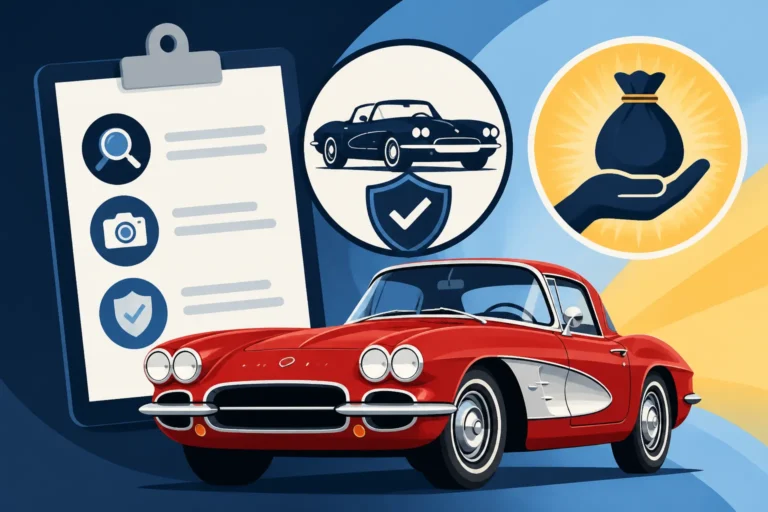
To establish this value, you might need to provide detailed photos, maintenance records, and in some cases, an appraisal from a qualified expert. Specialty insurers like Hagerty offer excellent valuation tools and resources to help you determine a fair and accurate agreed value for your unique vehicle, ensuring you're not underinsured. Remember, it's critical to review and potentially adjust this agreed value periodically, especially if the market for your specific modern collectible is trending upwards.
Beyond Agreed Value: Essential Core Coverages for Modern Collectibles
While Agreed Value is the star of the show for modern collectibles, it's just one part of a comprehensive protection plan. You still need the core coverages that protect against physical damage, liability, and other unforeseen events, but specifically tailored for your special vehicle.
Comprehensive and Collision Coverage Tailored for Collectibles
Just like with a regular car, you'll need comprehensive and collision coverage. However, with a modern collectible policy, these coverages work hand-in-hand with your agreed value.
- Collision Coverage: This pays for damages to your car if you're involved in an accident with another vehicle or object. If your modern collectible is damaged in a fender bender, specialty collision coverage ensures that repairs are made using appropriate parts (often OEM or period-correct) and by qualified restoration shops, rather than just the cheapest option. This is critical because maintaining originality and quality of repair significantly impacts a collectible's value.
- Comprehensive Coverage: This protects your car from damages not caused by a collision, such as theft, vandalism, fire, natural disasters (hail, floods), or even hitting an animal. For a modern collectible often stored securely and driven less, the risks of theft and natural disaster are often higher concerns than daily accident rates. Imagine a hailstorm damaging your pristine 1990s Supra; comprehensive coverage ensures that those specialized body panels and paint are repaired or replaced to preserve its agreed value. This is particularly important for vehicles that might sit for periods, exposed to various environmental risks.
Both of these coverages are critical for physical protection, and with specialty insurance, they're applied with an understanding of your car's unique value and the importance of quality repairs, not just quick fixes.
Roadside Assistance and Towing for Valuables
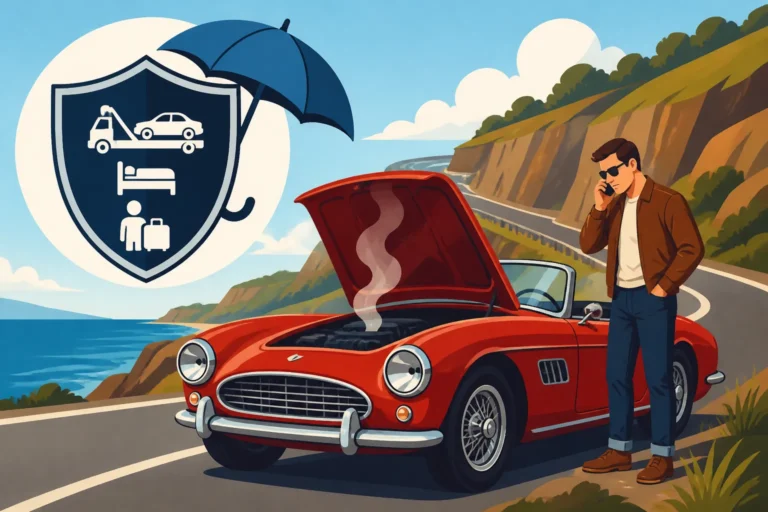
Picture this: you're out for a leisurely drive in your coveted modern collectible, and suddenly you have a flat tire or a mechanical issue. You can't just call any tow truck. Standard roadside assistance might dispatch a hook-and-chain wrecker that could damage your car's frame, suspension, or delicate bodywork. For a modern collectible, you need specialized flatbed towing.
Most reputable classic car insurance providers, including Hagerty, offer roadside assistance plans designed specifically for collectible vehicles. This means they'll dispatch a flatbed truck to transport your vehicle safely to your home or a trusted repair shop, minimizing any risk of further damage. This type of thoughtful service is essential because even minor dings or improper towing can significantly detract from your car's value and appearance. Having this peace of mind when you're out on the road is invaluable.
Spare Parts and Automobilia Coverage
Many collectors accumulate a treasure trove of spare parts, tools, and even automobilia (car-related memorabilia) that are just as valuable, if not more, than the car itself. Think about that rare NOS (New Old Stock) fender for your limited-edition modern collectible or a vintage racing poster signed by a legendary driver. Standard home insurance policies often have very low limits for collectibles, and your auto policy certainly won't cover parts sitting in your garage.
Spare parts coverage is an essential add-on for modern collectible policies. It protects those valuable, often hard-to-find components that you've collected for future repairs or restorations. This can include anything from an extra engine block to rare interior trim pieces. Similarly, automobilia coverage extends protection to your collection of car-related art, signs, models, or other valuable artifacts. These items can represent significant financial and sentimental investments, and having them protected against theft, fire, or damage is a smart move. Check with your insurer to understand the limits and any specific requirements for documenting these items, as some may require an appraisal or detailed inventory.
Smart Add-Ons to Fully Protect Your Modern Gem
Beyond the core coverages, there are several optional endorsements that can provide an extra layer of security and value for your modern collectible. These add-ons address specific scenarios that standard policies simply don't consider, helping you truly bulletproof your investment.
Inflation Guard Coverage
The market for modern collectibles can be dynamic, with values often appreciating over time, sometimes quite rapidly. This is fantastic news for collectors, but it poses a challenge for insurance. If you insure your car for an agreed value of $50,000 today, but in a year, its market value jumps to $60,000, you could be underinsured in the event of a total loss.
This is where Inflation Guard coverage comes in handy. This endorsement automatically adjusts your agreed value upwards by a small, predetermined percentage (often 2% to 6%) at each renewal period, without you having to re-evaluate the car or file new paperwork. It's a proactive way to ensure your policy keeps pace with the rising market value of your modern collectible. While it might slightly increase your premium, the peace of mind knowing that your agreed value is always staying current can be well worth it. It’s a smart way to protect against the How Inflation Guard Changes Long-Term Cost.
Trip Interruption Coverage
Many modern collectible owners love to take their cars on road trips, attend distant car shows, or participate in rallies. These journeys are part of the joy of ownership. But what happens if your car breaks down hundreds of miles from home, or worse, is involved in an incident that leaves you stranded?
Trip Interruption coverage can be a lifesaver in such situations. If your modern collectible becomes disabled a certain distance from your home (e.g., 100 miles), this coverage can help reimburse you for unexpected expenses like lodging, alternative transportation (rental car), and even meals while your car is being repaired or arrangements are made for its transport back home. It's designed to minimize the disruption and financial burden of unforeseen events when you're enjoying your car away from your usual stomping grounds. This is particularly valuable for unique vehicles that can't easily be fixed by any roadside mechanic.
Vehicle Under Construction / Restoration Coverage
For some modern collectibles, especially those undergoing performance upgrades, cosmetic enhancements, or even full-blown restorations, their value can fluctuate dramatically throughout the process. A standard policy won't understand how to value a car in pieces or with significant custom work underway.
Vehicle Under Construction or Restoration Coverage is a specialized add-on designed for cars that are being actively worked on. This endorsement allows you to adjust the insured value as you invest more money and labor into the vehicle. For example, if you're doing a full engine rebuild on your classic Trans Am, you can increase your agreed value as parts are purchased and work progresses. This ensures that all your hard-earned investment, from parts to labor, is protected at every stage of the project. It's a nuanced coverage that truly understands the journey of a collector car, from project to pristine. This can be critical for protecting your investment, especially if you're tackling a car under restoration.
Comparing Standard Auto vs. Specialty Classic Car Insurance for Modern Collectibles
Here's a quick look at how typical standard auto insurance stacks up against specialty classic car insurance for a modern collectible:
| Feature | Standard Auto Insurance | Specialty Classic Car Insurance |
|---|---|---|
| Valuation Method | Actual Cash Value (ACV) – depreciated value | Agreed Value – fixed payout agreed upon upfront |
| Usage Restrictions | None, assumed daily driver | Limited use (pleasure, shows, events), mileage caps |
| Storage Requirements | None, often parked outdoors | Secure, enclosed garage often required |
| Repair Philosophy | Cost-effective repairs, aftermarket parts often used | Quality repairs, OEM/period-correct parts, specialized shops |
| Roadside Assistance | Standard towing (hook & chain possible) | Flatbed towing, specialized for collectibles |
| Spare Parts Coverage | Generally not included | Available as an add-on (specific limits) |
| Inflation Protection | Not applicable (depreciation model) | Inflation Guard available as an add-on |
| Appraisal Needs | Rarely needed | Often recommended or required for agreed value |
| Cost | Can be higher due to perceived daily driving risk | Often lower due to limited use and responsible ownership |
Ultimately, protecting your modern collectible isn't just about covering "a car." It's about preserving a piece of automotive history, a passion project, and a significant investment. Specialty classic car insurance, with its tailored coverages and understanding of collector needs, is the only way to truly safeguard that investment. Don't settle for less when it comes to your cherished ride.
Disclaimer
Please remember that insurance policies can vary widely between providers and individual circumstances. The information provided here is for general guidance only and does not constitute professional insurance advice. We strongly recommend consulting with a qualified insurance professional or a specialty classic car insurance provider to discuss your specific needs and obtain personalized quotes and coverage details for your modern collectible. Policy terms, conditions, and availability are subject to change.