What Coverage a Vintage Car Actually Needs
Owning a vintage car is a passion, a labor of love that often comes with a significant financial and emotional investment. But let's be honest, trying to navigate the world of insurance for these special vehicles can feel like trying to find a needle in a haystack – confusing, frustrating, and often leading to worries that you might not be properly protected. This comprehensive guide is here to demystify classic car insurance, specifically focusing on what coverage a vintage car truly needs to ensure your cherished ride is protected, no matter what bumps in the road life throws its way.
What Defines a "Vintage" Car for Insurance Purposes?
Before we dive into the nitty-gritty of coverage, it’s important to understand what makes a car "vintage" in the eyes of an insurance provider. This isn't just about an arbitrary age; it's about how the vehicle is used, maintained, and valued. Many people use terms like classic, antique, and vintage interchangeably, but insurance companies often have specific criteria that dictate eligibility for specialized policies.
Age and Rarity Criteria
Generally speaking, a vintage car typically refers to a vehicle that is at least 20 to 25 years old, but not yet 45 years old. Once a car hits around 45 years or more, it often transitions into the "antique" category. However, these are general guidelines, and the exact age can vary slightly by insurer and even by state registration rules. For example, a 1970s muscle car like a Pontiac GTO or a Chevrolet Chevelle would firmly fit into the vintage category, as would an early 1990s Japanese sports car that's gaining collector status. It's not just about age, though; rarity, historical significance, and original condition often play a big role. A well-preserved, low-mileage 1985 Porsche 911 will likely be treated differently than a high-mileage daily driver from the same year. Understanding these subtle distinctions is crucial when exploring Classic Car Insurance Eligibility Requirements.
Use Limitations and Primary Vehicle Requirement
A key differentiator for vintage car insurance is how the vehicle is used. These policies are designed for cars that are not your primary mode of transportation. Insurers expect that your vintage car will be driven for pleasure, car shows, club events, or occasional leisurely drives. They typically don't cover a vehicle used for commuting, regular errands, or anything resembling daily driving. This "pleasure-use" requirement is fundamental to the lower premiums often associated with classic car insurance. Many policies will also require you to have a separate, modern vehicle insured for your everyday transportation needs. This helps ensure that the vintage car isn't being put through the rigors of constant road use, minimizing its exposure to accidents and wear and tear. If you're wondering about Classic Car Insurance for a Daily Driver, know that it's a different ball game and often involves different policies or specific endorsements.
The Absolute Must-Have: Agreed Value Coverage
This is arguably the single most important type of coverage for any vintage car owner. Without it, you're essentially gambling with your investment, and that's a risk no collector should take.
Why Agreed Value is Non-Negotiable for Vintage Cars
Imagine this nightmare scenario: your beautifully restored 1965 Ford Mustang, valued at $60,000, is unfortunately totaled in an accident that wasn't your fault. If you have a standard auto insurance policy, your payout would likely be based on its "Actual Cash Value" (ACV). For a 1965 Mustang, even a pristine one, a regular insurer might look at depreciation, compare it to a used car from the same era (if they even could), and offer you a fraction of what you know it's truly worth. This is because ACV considers depreciation, wear and tear, and market value like a regular used car.
This is precisely where Agreed Value coverage becomes your hero. With an Agreed Value policy, you and the insurance company (like a specialist insurer such as Hagerty or American Collectors Insurance) agree upon the car's value before the policy is issued. If a total loss occurs, you get that exact agreed-upon amount, no questions asked, minus your deductible. This peace of mind is invaluable, ensuring that your investment and all the hard work you've put into your vintage car are fully protected. This is a core reason why Classic Car Insurance vs Regular Insurance: What's Required often boils down to this key difference.
How Agreed Value is Determined
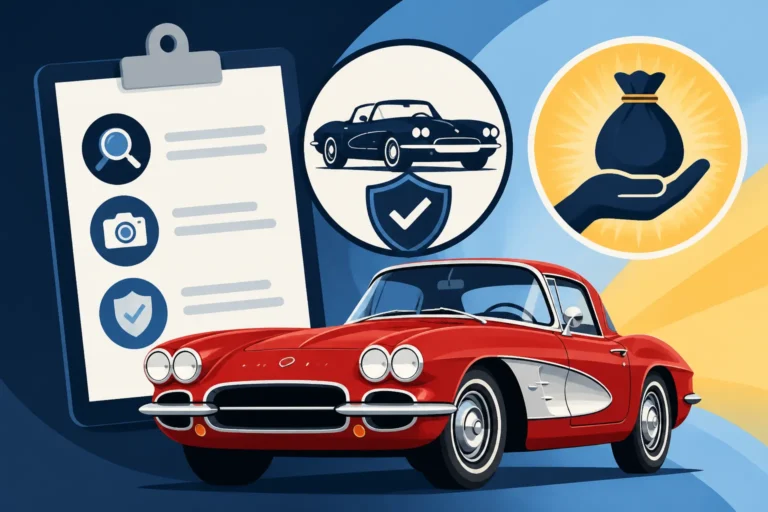
Establishing the Agreed Value isn't just pulling a number out of thin air. It's a collaborative process where your insurer works with you to determine a fair and accurate valuation. This typically involves:
- Your own assessment: You'll provide details about your car's condition, restoration history, modifications, and any special features.
- Photographs: Clear, recent photos of your car's interior, exterior, engine bay, and any unique details are usually required.
- Appraisals: For higher-value vintage cars, or those with extensive custom work, an independent appraisal from a qualified specialist is often recommended or required. This provides an objective, expert valuation that both you and the insurer can rely on.
- Market Data: Insurers have access to extensive databases of auction results, sales data, and valuation guides for vintage and classic vehicles, helping them ensure the agreed value is realistic and fair.
It's a good idea to periodically review and update your Agreed Value, especially if you've done significant restoration work that has increased the car's worth. Many policies also offer "Inflation Guard Coverage" which automatically adjusts your Agreed Value annually by a small percentage, accounting for the natural appreciation of many vintage vehicles.
Agreed Value vs. Stated Value vs. Actual Cash Value
Let's break down the critical distinctions, as understanding these can save you a world of heartache and money.
| Feature | Agreed Value | Stated Value | Actual Cash Value (ACV) |
|---|---|---|---|
| Payout in Total Loss | Fixed dollar amount, agreed upon at policy inception. | Up to the "stated" amount or market value, whichever is less. | Current market value minus depreciation. |
| For Vintage Cars | Highly Recommended/Essential | Generally Not Recommended | Never Recommended |
| Protection Level | Highest | Moderate to Low (can lead to underpayment) | Lowest (will almost always underpay for a vintage car) |
| Cost | Often slightly higher than Stated Value, but offers superior peace of mind. | Lower than Agreed Value, but comes with significant risk. | Standard auto insurance rates; cheapest but least protective for vintage. |
| Valuation Method | Based on owner input, photos, appraisals, market data. | Owner states a value, but insurer reserves right to pay less. | Depreciation and market comparisons for used vehicles. |
As you can see, for a vintage car, Agreed Value coverage isn't just a preference; it's a necessity to truly protect your investment. Trying to save a few dollars with a Stated Value policy can leave you severely underinsured if the worst happens, as the insurer can always default to paying market value if it's lower than your stated figure.
Essential Protection Beyond Agreed Value: Covering the Unpredictable
While Agreed Value protects your car's financial worth, other coverages are vital for safeguarding it from the many risks it faces on the road, in storage, or during transit.
Comprehensive Coverage
Even if your vintage car is tucked away in a garage for much of the year, it's not immune to threats. Comprehensive coverage protects against damages not caused by a collision. Think about the unique vulnerabilities of a vintage car:
- Theft: Vintage cars are often targets for thieves, not just for the entire vehicle but also for valuable parts. A 1960s Corvette or a classic Porsche 911 can disappear in minutes, or have its engine or wheels stripped.
- Fire: An electrical short, a leaky fuel line, or even an external fire can quickly devastate a classic.
- Vandalism: Someone keying your prized possession or breaking a window can be heartbreaking and costly.
- Natural Disasters: Floods, hail, windstorms, or even a fallen tree branch can cause extensive damage, especially if your garage isn't fully weather-proof.
Comprehensive coverage ensures that these unfortunate, often unavoidable events are covered, helping you restore your vintage car to its former glory without breaking the bank. Given the rarity and cost of some vintage parts, this coverage is truly a lifeline.
Collision Coverage
While vintage cars aren't typically daily drivers, they do hit the road for cruises, shows, and weekend outings. Accidents, sadly, can happen to anyone, even the most careful drivers. Collision coverage pays for damage to your vintage car resulting from a collision with another vehicle or object, regardless of who is at fault. This is critical because even a minor fender-bender can cause significant damage to older body panels and unique trim pieces that are incredibly expensive and difficult to replace.
Imagine you're at a local car show, and someone backs into your beloved 1970 Chevelle SS while parking. Or, you misjudge a turn on a country road and scrape a guardrail. In these scenarios, collision coverage steps in to cover the repair costs, ensuring your vehicle can be professionally restored using correct parts and techniques.
Liability Coverage
This is the legal minimum most states require for any registered vehicle, and vintage cars are no exception. Liability coverage protects you financially if you're at fault in an accident that causes injury to others or damage to their property. It's split into two main types:
- Bodily Injury Liability: Covers medical expenses, lost wages, and pain and suffering for anyone you injure in an accident.
- Property Damage Liability: Covers the cost of repairing or replacing property you damage, such as another vehicle, a fence, or a building.
While vintage car drivers tend to be more cautious, the potential for causing significant damage or injury is always present. Imagine hitting a modern luxury SUV or causing an injury that requires extensive medical care; those costs can quickly skyrocket into hundreds of thousands, if not millions, of dollars. It's always wise to carry higher liability limits than the state minimums, especially if you have significant assets to protect. Standard auto insurers often have higher minimums, but even with specialty insurers like Hagerty, you’ll want to discuss your personal risk profile to choose appropriate liability limits. This is a fundamental aspect of How to Insure a Classic Car Legally.
Roadside Assistance and Towing
This might seem like a small detail, but for a vintage car, it's monumental. Older vehicles, despite meticulous maintenance, are more prone to unexpected breakdowns. A flat tire, an overheated engine, or a sudden electrical issue can leave you stranded. Standard roadside assistance might dispatch a tow truck with a conventional hook or sling tow, which can severely damage the delicate undercarriage, frame, or bodywork of a vintage car.
What you need is specialized flatbed towing. This ensures your car is gently loaded onto a flat platform, lifting all four wheels off the ground, and transported securely without any risk of further damage. Many specialty classic car insurance policies, like those from Hagerty, include or offer this specific type of roadside assistance as a standard feature or an affordable add-on. Don't skimp on this; it's a small premium for huge peace of mind.
Tailoring Your Vintage Policy: Important Add-Ons for Complete Peace of Mind
Beyond the core coverages, several specialized endorsements can provide an extra layer of protection, crucial for the unique needs of vintage car ownership.
Spare Parts Coverage
Many vintage car owners keep a collection of original spare parts, restoration components, or rare accessories. These aren't just old car parts; they can be incredibly valuable, sometimes worth thousands of dollars each, and are often irreplaceable. Standard comprehensive or collision coverage typically only applies to parts attached to the vehicle. What about those NOS (New Old Stock) fenders or that vintage carburetor sitting on a shelf in your garage?
Spare Parts Coverage is specifically designed for this. It extends protection to your uninstalled parts, automobilia, and even tools used for restoration or maintenance, up to a specified limit. Whether they're stolen, damaged in a fire, or lost, this coverage helps ensure your investment in these vital components is protected. When you're looking at Spare Parts Coverage Explained, remember that those components are often half the battle in a restoration project.
Restoration Coverage
If you're actively restoring a vintage car, you know that its value increases incrementally with every hour of labor and every new component. A car that might have been worth $10,000 as a "barn find" could be worth $50,000 or more halfway through a professional restoration. Regular insurance policies struggle to account for this escalating value.
Restoration Coverage is designed to protect your car while it's in various stages of restoration. It allows you to adjust the Agreed Value as milestones are met or significant investments are made, ensuring that the value reflects the ongoing work. Some policies will even cover the car while it's disassembled in your garage or at a restoration shop, and some might even include coverage for the tools and equipment used in the restoration process. If you have a project car, this coverage is non-negotiable to protect the growing equity you're building. For a deep dive, check out Restoration Coverage for Classic Cars.
Inflation Guard Coverage
The market for vintage cars can be dynamic, with values appreciating over time, sometimes quite rapidly. If you set an Agreed Value of $75,000 for your classic Mustang today, but in two years it's worth $85,000 due to market trends, an unexpected total loss would still only pay out the original $75,000 without this add-on.
Inflation Guard Coverage automatically increases your car's Agreed Value by a small, predetermined percentage each year (e.g., 2% to 6%) without you having to proactively re-appraise or update your policy. This helps ensure your coverage keeps pace with the rising market value of your vintage car, protecting your long-term investment. It’s a subtle but powerful way to maintain accurate coverage. You can learn more about this in Inflation Guard Coverage Explained.
Trip Interruption and Car Show/Event Coverage
For many vintage car owners, the joy comes from taking their beloved vehicle to car shows, club rallies, or on scenic road trips. These activities often involve traveling away from home.
- Trip Interruption Coverage: If your vintage car breaks down far from home, this coverage can help with expenses like lodging, rental cars, and even getting your car back to your preferred repair shop. It's a lifesaver when you're 500 miles from home and your engine decides to quit.
- Car Show/Event Coverage: While your comprehensive policy generally covers theft or damage at events, some specialty policies offer specific endorsements that might cover things like damage to display items or even accidental damage to a spectator’s property at a show.
These specialized coverages acknowledge and protect the unique ways vintage cars are enjoyed, extending your peace of mind far beyond your garage.
Deciding on Your Deductible and Limits
Choosing your deductible and coverage limits for a vintage car policy is a thoughtful process.
Deductibles
The deductible is the amount you pay out-of-pocket before your insurance coverage kicks in for a claim. For vintage cars, deductibles can range from $0 (no deductible) to several thousand dollars.
- Lower Deductible: You'll pay less out-of-pocket if you have a claim, but your annual premium will be higher. This might be preferable for very high-value or exceptionally fragile vehicles.
- Higher Deductible: Your annual premium will be lower, but you'll pay more upfront if you need to file a claim. This can be a good option if you have significant savings and want to keep your monthly costs down, or if you only drive the car rarely.
Consider your financial comfort level and how often you drive the car when making this choice. Since vintage cars are typically driven fewer miles and by more careful drivers, some owners opt for a higher deductible to reduce their premiums, banking on the lower likelihood of a claim.
Coverage Limits
This refers to the maximum amount your insurance company will pay for a covered loss. For liability, as mentioned, carrying limits higher than the state minimum is almost always a smart move to protect your assets. For comprehensive and collision, the Agreed Value you set is your ultimate coverage limit for damage to your vehicle. However, for add-ons like spare parts or tools, there will be specific sub-limits you need to consider. Make sure these limits adequately cover the actual value of your unique vintage car and any associated items.
Getting Quotes and Choosing Your Provider
When it comes to insuring your vintage car, not all insurance companies are created equal. While your regular auto insurer might offer something, they rarely understand the nuances of collectible vehicle valuation and usage. This is why specialty insurers are almost always the better choice. Companies like Hagerty, Grundy, American Collectors Insurance, and American Modern specialize in classic and vintage car insurance, offering policies tailored to these unique needs.
When getting quotes, be prepared to provide detailed information about your car, its history, any modifications, how it's stored, and how it's used. This thoroughness ensures you get an accurate quote and the right coverage. Don't just compare prices; compare the actual coverage details, especially the Agreed Value terms, roadside assistance specifics (flatbed!), and available add-ons like spare parts or restoration coverage. Checking out Classic Car Insurance Companies Compared can give you a great head start on finding the right fit for your vintage ride.
Final Thoughts on Protecting Your Vintage Treasure
Insuring a vintage car isn't just about ticking a box; it's about safeguarding a piece of history, a work of art, and often, a cherished memory. By prioritizing Agreed Value coverage and carefully selecting comprehensive, collision, robust liability, and specialized add-ons like spare parts and restoration coverage, you're not just buying insurance—you're investing in peace of mind. Your vintage car deserves nothing less than a policy that truly understands and protects its unique value.
Disclaimer
Please remember that insurance policies and requirements can vary by state, insurer, and individual circumstances. This guide provides general information and recommendations. It is always best to consult with a qualified insurance professional to discuss your specific needs and obtain personalized advice and quotes.