Best Coverage Types for a Classic Motorcycle
You’ve finally got that vintage Triumph Bonneville, a gleaming Harley-Davidson Knucklehead, or maybe a quirky Vespa from the 60s, and the last thing you want is to discover that your standard motorcycle policy won't properly protect your prized possession. Many classic motorcycle owners face the disheartening realization that generic insurance just doesn't understand the true value of their unique ride. This comprehensive guide will walk you through the specific, tailored coverage types designed to keep your classic motorcycle safe, whether it's a showstopper, a weekend cruiser, or a long-term restoration project.
Understanding the Unique Needs of a Classic Motorcycle
Owning a classic motorcycle isn't just about having a means of transportation; it's about preserving a piece of history, a work of art, and often, a significant financial and emotional investment. These machines aren't just old bikes; they are collectibles with values that fluctuate based on originality, rarity, condition, and market demand. This inherent difference is why they need a different kind of insurance.
Why Standard Auto Insurance Falls Short
Standard motorcycle insurance policies are built for modern bikes – daily riders that depreciate in value over time. If your beloved classic, say a 1970 Honda CB750, were involved in an accident with a standard policy, the insurer would likely assess its "actual cash value" (ACV). ACV means they'd look at what a similar bike from that year might sell for today, minus depreciation. For a classic, depreciation isn't always a downward slope; in fact, many classics appreciate. A standard policy simply doesn't account for the collectible nature, the meticulous restoration hours, or the unique market value of your vintage ride. You'd be left with a fraction of what your bike is truly worth, which can be a devastating blow after years of care and expense.
Imagine pouring thousands into restoring a rare Brough Superior, only for a fender bender to trigger an ACV payout that barely covers the cost of a new paint job, let alone the specialized parts and labor to return it to its former glory. This is a common and incredibly frustrating scenario for classic vehicle owners who try to make a standard policy fit. The emotional and financial hit can be immense. Standard policies also often lack specialized coverage for things like spare parts collections, which can be invaluable to a classic motorcycle enthusiast.
The Value Proposition of a Classic Bike
The true value of a classic motorcycle extends far beyond its original purchase price. It encompasses the rarity of its parts, the craftsmanship of its era, its historical significance, and any custom work or professional restoration it has undergone. For instance, a numbers-matching 1950 Indian Chief in concourse condition will command a vastly different price than a modified version or one with non-original components. This is where the concept of "agreed value" comes into play, a cornerstone of proper classic motorcycle insurance.
Unlike a depreciating asset, many classic motorcycles are appreciating assets, or at the very least, they hold their value remarkably well. Collectors are often willing to pay a premium for bikes that have been lovingly maintained, meticulously restored, or are particularly rare. This is why having your bike's value recognized and agreed upon before a loss occurs is paramount. Without it, you're leaving the ultimate payout amount entirely up to an adjuster who may not understand the nuances of the classic motorcycle market. This foresight is critical to protecting your investment, especially as the market for vintage bikes continues to gain traction, with certain models seeing significant jumps in value.
Essential Coverage Types for Your Classic Motorcycle
When you're looking to insure your classic motorcycle, you'll find that the best policies offer a blend of familiar coverage types adapted for vintage vehicles, alongside unique protections specifically designed for their special needs. It's not just about meeting legal requirements; it's about genuinely safeguarding your passion.
Agreed Value Coverage: The Cornerstone
This is, without a doubt, the single most important coverage type for any classic vehicle, including motorcycles. With agreed value coverage, you and your insurance provider agree upon your bike's exact value before the policy is issued. Should your classic motorcycle ever be deemed a total loss due to theft, accident, or other covered peril, the insurer will pay out that agreed-upon amount, no questions asked, no depreciation factored in. This gives you complete peace of mind, knowing that your investment is fully protected at its true collectible worth.
Think about it: if you own a meticulously restored 1972 Kawasaki Z1 900, which could be valued at $20,000 or more, you don't want an insurance company telling you it's only worth $5,000 because it's "old." Agreed value coverage eliminates this risk entirely. Many specialist insurers, like Hagerty, excel in providing this crucial type of protection. They understand the nuances of collector vehicles and work with you to establish a fair and accurate valuation, often utilizing appraisals or their own extensive market data. This is a huge departure from the "Actual Cash Value (ACV)" approach common in standard policies, which rarely benefits a classic owner.
Liability Protection: The Legal Must-Have
While agreed value protects your bike, liability coverage is about protecting you. This is the fundamental coverage required by law in most states, covering damages and injuries you might cause to other people or their property in an at-fault accident. It's just as vital for a classic motorcycle as it is for any other vehicle. Even if your classic motorcycle sees limited use, you still need robust liability coverage to prevent financial ruin from a severe accident.
Liability coverage typically comes in two forms: bodily injury liability and property damage liability. Bodily injury covers medical expenses, lost wages, and pain and suffering for others involved in an accident you cause. Property damage covers repairs or replacement of their vehicle or other property. The minimum requirements vary significantly by state; for example, "Classic Car Liability Requirements by State" provides a good overview for car owners, and similar principles apply to motorcycles. It's generally wise to carry more than the state minimums, especially since medical and repair costs can skyrocket quickly. While classic motorcycle policies are often cheaper due to limited usage, skimping on liability limits is a dangerous gamble.
Comprehensive and Collision Coverage Tailored for Classics
Beyond liability and agreed value, comprehensive and collision coverages are crucial for protecting your bike from physical damage or loss.
- Collision Coverage pays for damages to your classic motorcycle if it collides with another vehicle or object, or if it rolls over. This is particularly important for classic bikes because their unique bodywork and often hard-to-find parts can be incredibly expensive to repair or replace after an impact. If you're out for a leisurely Sunday ride and another driver cuts you off, causing you to lay the bike down, collision coverage steps in.
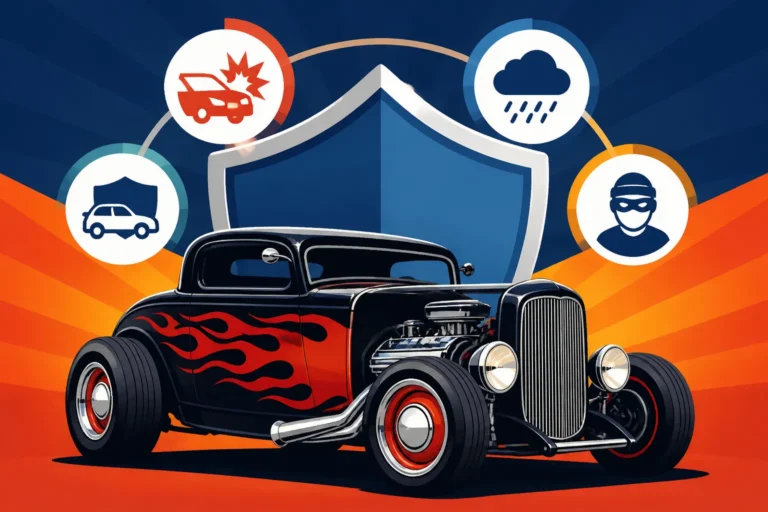
- Comprehensive Coverage protects your classic motorcycle from non-collision-related incidents. This includes theft, vandalism, fire, natural disasters (like hail, floods, or hurricanes), falling objects, and even animal impacts. Given that classic motorcycles are often targets for thieves or are susceptible to damage while stored, comprehensive coverage is invaluable. Imagine a severe hailstorm damaging your perfectly painted tank or a garage fire impacting your collection; comprehensive coverage would handle those costs.
When these are paired with agreed value, you get the best of both worlds: your bike is protected from various physical perils, and if a total loss occurs, you receive the full, pre-determined value of your cherished machine. This means you won't be haggling over market rates with a standard insurer who might not grasp the true worth of your vintage ride's condition and history.
Specialized Add-Ons and Endorsements for Motorcycle Collectors
The beauty of specialty classic motorcycle insurance lies in its ability to offer tailored enhancements that go far beyond what a standard policy could ever provide. These add-ons are designed to cover the unique aspects of the collector hobby, ensuring every facet of your passion is protected.
Spare Parts and Automobilia Coverage
For many classic motorcycle enthusiasts, the bike itself is only part of the collection. There's often a treasure trove of spare parts – original carburetors, rare exhaust systems, vintage chrome pieces, or even complete donor engines – meticulously accumulated over years. These components can be incredibly valuable, sometimes individually worth hundreds or even thousands of dollars. Standard insurance policies typically offer little to no coverage for such items.
Specialty classic motorcycle insurance, however, often provides specific coverage for "Spare Parts Coverage Explained". This endorsement can cover these valuable components against theft, fire, or damage, whether they're stored in your garage alongside the bike or even in a separate storage facility. Some policies also extend to "automobilia" or "memorabilia" – items like vintage signage, collectible helmets, racing suits, or unique repair tools related to your classic motorcycle. Without this specialized coverage, a fire in your garage could wipe out not just your bike, but also years of effort in acquiring these rare and essential parts, leaving you empty-handed.
Roadside Assistance and Trip Interruption
Even the most well-maintained classic motorcycle can have an off day. A flat tire, an unexpected electrical issue, or a fuel system glitch can leave you stranded miles from home. Standard roadside assistance might dispatch a tow truck, but for a classic motorcycle, you really need a flatbed tow to prevent further damage to its delicate frame or original components. A hook-and-chain tow can easily bend fenders, damage fairings, or scratch precious paintwork.
Specialty classic motorcycle insurance frequently includes or offers as an add-on "Roadside Assistance Coverage for Classic Cars Explained" that specifies flatbed towing. This ensures your bike is transported safely and securely without risking additional harm. Beyond towing, some policies offer "trip interruption" coverage. If your classic breaks down far from home, this can cover expenses like lodging, food, and alternative transportation while your bike is being repaired, or while you wait for it to be transported back to your preferred mechanic. This is a huge comfort for those who enjoy taking their vintage bikes on longer rallies or scenic tours, turning a potentially disastrous breakdown into a manageable inconvenience.
Restoration and Vehicle Under Construction Coverage
The journey of restoring a classic motorcycle is a labor of love, often taking years and significant financial investment. During this process, the bike is in a constant state of flux – disassembled, partially painted, with new parts being added and old ones being refurbished. The value of the bike increases dramatically with each completed stage. A standard policy would struggle to assess or cover a vehicle in this state.
Specialty insurers understand this unique situation. They offer "restoration coverage" or "vehicle under construction" endorsements. This type of coverage typically allows you to increase the agreed value of your motorcycle incrementally as you complete various stages of its restoration. For example, once the engine is rebuilt, you can update the policy's agreed value to reflect that added investment. If a fire breaks out in your workshop mid-restoration, or if components are stolen, this coverage ensures you're compensated for the current value of the project, including parts, labor, and your increasing investment. This protection is vital for anyone pouring their heart and wallet into bringing a classic motorcycle back to life, ensuring that your hard work isn't lost if something unexpected happens. This flexibility is crucial because the value of a project bike constantly changes, making it imperative that your insurance keeps pace.
Factors Influencing Your Classic Motorcycle Insurance Choices
Choosing the right classic motorcycle insurance isn't a one-size-fits-all endeavor. Several factors about you and your bike will play a significant role in determining not only your eligibility but also the types of coverage available and your premium costs. Understanding these can help you tailor a policy that perfectly fits your needs.
Usage and Storage Considerations
How you use and store your classic motorcycle is paramount to classic insurance providers. Unlike daily drivers, classic bikes are typically viewed as recreational vehicles with limited use, which is a major reason why classic insurance can be more affordable. Most policies require that the classic motorcycle not be your primary mode of transportation.
- Limited Mileage: Many classic motorcycle policies come with mileage restrictions, often ranging from 1,000 to 5,000 miles per year. This limitation reflects the understanding that these bikes are usually taken out for pleasure rides, club events, or shows, not for daily commutes. Be honest about your anticipated mileage; exceeding these limits could jeopardize a claim.
- Pleasure Use: The "pleasure-use requirement" means your bike is for leisurely activities, parades, car club events, and occasional touring. It’s not meant for running errands or commuting to work. This distinction is crucial for eligibility.
- Secure Storage: Insurers nearly always require that your classic motorcycle be stored in a secure, enclosed, and locked facility, such as a private garage or a professional storage unit. This significantly reduces the risk of theft and vandalism, which translates to lower premiums. Storing your bike under a carport or, worse, on the street, will likely disqualify it from classic coverage. Think of it as a jewel that needs a proper safe, not just a display case. For more details on this, you might look into "How Storage Affects Classic Car Eligibility" as the principles apply similarly.
Driver History and Experience
Just like with standard auto insurance, your driving record, age, and experience play a role in classic motorcycle insurance. While the bike itself is a primary factor, the person riding it is also a key consideration for the insurer.
- Clean Driving Record: A clean driving record, free of major accidents or serious traffic violations, is highly valued by classic insurers. It demonstrates responsible riding habits and reduces the perceived risk. If you have a history of accidents or speeding tickets on your regular motorcycle, it might make it harder to secure the best rates or even certain coverages for your classic.
- Riding Experience: While there isn't typically a strict age cut-off, insurers prefer experienced riders. A new rider, even if older, might face higher premiums or specific requirements. Some specialty insurers might even have "Minimum Age for Classic Car Insurance Drivers", and similar principles can extend to motorcycles. They want to ensure their valuable assets are in competent hands.
- Other Vehicles: Many classic motorcycle insurers require that you also have a separate primary vehicle insured for daily driving. This reinforces the idea that the classic bike is not your main mode of transport, further solidifying its status as a collectible, leisure vehicle. If you're wondering, "Do You Need a Separate Car for Classic Insurance" addresses this for cars, and it's a common condition across the classic vehicle insurance industry.
By carefully considering these factors and being transparent with your insurer, you can ensure you secure the most appropriate and affordable coverage for your cherished classic motorcycle. It's about demonstrating you're a responsible owner and rider who values their investment.
Securing Your Classic Motorcycle's Future
Choosing the right insurance for your classic motorcycle is a critical step in preserving your investment and passion. It's not just a legal formality; it's a comprehensive protective strategy that safeguards your financial and emotional commitment. By understanding the unique requirements of classic bikes and opting for specialized coverage, particularly agreed value policies from reputable insurers like Hagerty, you can ride with confidence. Remember to consider not just the bike itself, but also your usage habits, storage solutions, and driver history, as these all contribute to crafting the ideal policy. Don't let a generic insurance plan undervalue your cherished ride; invest in coverage that truly understands and respects its worth.
Disclaimer
Please note that this article is intended for informational purposes only and does not constitute professional financial or legal advice. Insurance policies and requirements can vary significantly by provider and state. It is always recommended to consult with a qualified insurance professional to discuss your specific needs and obtain personalized advice for your classic motorcycle insurance.