Classic Car Insurance Cost for a First Collector Car
Embarking on the journey of owning your first classic car is incredibly exciting, but that initial rush often collides with the daunting question: "How much is this actually going to cost to insure?" Many new collectors worry that specialty insurance will be a huge financial barrier, adding another layer of stress to an already significant investment. It's a completely understandable concern, given how different classic car insurance feels compared to your everyday auto policy. This guide is here to unravel those worries, explaining the true costs involved in insuring your very first collector vehicle and showing you how it might be more affordable than you think.
Understanding Why Classic Car Insurance is Unique (and Often More Affordable)
It’s easy to assume that insuring something as special as a classic car would automatically come with a sky-high premium. After all, these vehicles often hold significant value, are irreplaceable, and require meticulous care. However, the world of classic car insurance operates on a fundamentally different principle than standard auto insurance, which often results in surprisingly lower costs for collectors. This difference stems from how insurers perceive the risk associated with these cherished vehicles and their owners.
The Philosophy Behind Collector Car Policies
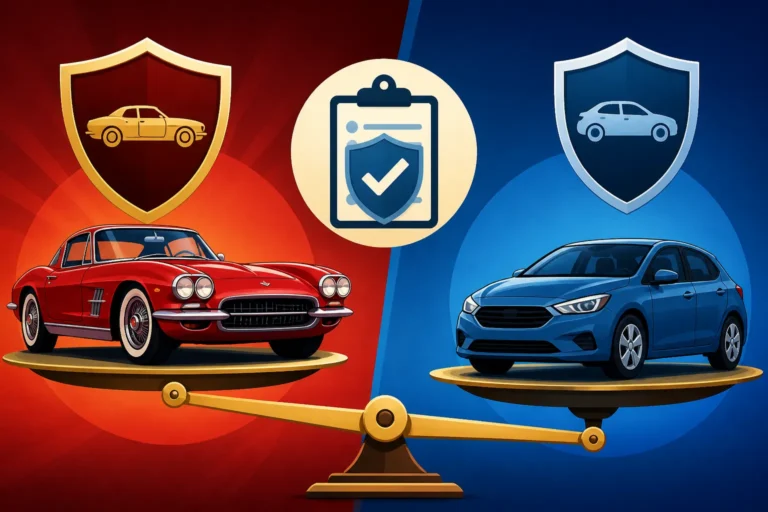
Unlike your daily driver, a classic car isn't typically subjected to the rigors of rush hour commutes, grocery store parking lots, or teenage drivers. Most classic car owners treat their vehicles with an unparalleled level of care, driving them sparingly for pleasure, car shows, or club events. This limited, responsible usage significantly reduces the likelihood of accidents, theft, or wear-and-tear related claims. Insurers recognize this lower risk profile and structure their policies accordingly. They understand that you’re not just insuring a car; you’re insuring a passion project, a piece of automotive history that you’re dedicated to preserving. This inherent understanding by companies like Hagerty allows for a more tailored, and often more cost-effective, approach to coverage. This is a key reason why many find that Why Classic Car Insurance Is Cheaper Than Regular is a genuine statement.
How Agreed Value Protects Your Investment
One of the most significant differences, and a major factor in cost and peace of mind, is the concept of "agreed value" coverage. With standard auto insurance, if your car is totaled, the payout is typically based on its actual cash value (ACV), which accounts for depreciation. For a classic, depreciation often works in reverse, or at least differently, and a regular ACV policy would severely undercompensate you. Agreed value, however, means you and the insurer agree on a specific value for your vehicle when the policy is written. Should a total loss occur, you receive that agreed-upon amount, no questions asked, minus your deductible. This eliminates the devastating financial surprise of receiving far less than your classic is truly worth. While it might sound like this would make the policy more expensive, the predictability of the payout and the reduced risk from careful ownership often balance the scales. Understanding Agreed Value Coverage Explained is crucial for any new collector.
Key Factors Influencing Your First Classic Car Insurance Premium
When you're looking to insure your first classic, it's not a one-size-fits-all situation. The cost isn't just pulled out of thin air; it's a careful calculation based on several crucial factors. These elements help an insurer assess the risk and determine what your annual premium will look for your prized possession. Understanding these variables can help you make informed decisions and even save some money.
The Car Itself: Age, Make, Model, and Value
Naturally, the car you choose to collect is going to be a massive determinant of your insurance cost. A meticulously restored 1967 Ford Mustang GT will likely have a different premium than a well-maintained 1980s Volkswagen Rabbit GTI, even if both are considered classics. Factors like the vehicle's rarity, the cost and availability of parts, its performance capabilities, and its market value all play a role. For instance, a high-horsepower muscle car might carry a slightly higher premium due to its performance potential, while a more sedate, older classic might be on the lower end. The "agreed value" you set for your vehicle directly impacts your premium; a higher agreed value naturally translates to a higher cost, as the insurer's potential payout is greater. Many specialty insurers offer a detailed breakdown of Classic Car Insurance Cost by Vehicle Value, which can be incredibly helpful for new collectors.
Your Driving Profile and Usage Habits
Your personal driving history is just as important for a classic policy as it is for your daily driver insurance. A clean driving record, free of accidents or major violations, is a significant advantage and can lead to lower premiums. Insurers look for responsible drivers, and your past behavior is often the best indicator of future risk. Furthermore, how you plan to use your classic car is paramount. Most classic car policies come with strict usage limitations, typically requiring the vehicle to be used for pleasure, club events, or occasional touring, not as a primary mode of transportation. Many policies will ask if you have another primary vehicle insured for daily use. If your classic is not a daily driver, this is a positive factor for lower rates. You'll often find specific requirements related to mileage; checking Classic Car Insurance Mileage Limits by State can give you an idea of common restrictions.
Storage, Security, and Geographical Location
Where you keep your classic car, and how securely, significantly impacts its risk of theft or damage, and therefore your insurance premium. Most specialty classic car insurers mandate that your vehicle be stored in an enclosed, locked, and secure facility – usually a private garage. Parking your classic on the street or in a carport may disqualify you from certain policies or lead to higher rates. A robust security system in your garage or on the car itself can also sometimes lead to discounts. For example, installing an alarm system or a GPS tracker could potentially reduce your premium. Additionally, your geographical location plays a role. If you live in an area with a higher population density, a higher rate of vehicle theft, or prone to severe weather events, your insurance costs may be slightly higher than someone in a more rural or less risky location. Understanding the Garage Storage Requirement for Classic Cars is often a crucial first step for new collectors.
Estimating Costs and Finding the Right Coverage for Your First Classic
So, you've identified your dream classic, understand the unique insurance philosophy, and know the factors at play. Now, how do you actually figure out what it will cost and make sure you're getting the best deal? It's not about just grabbing the cheapest quote; it's about finding the right coverage that truly protects your investment without breaking the bank.
Getting Accurate Quotes and Comparing Options
The best way to get an accurate estimate for your first classic car's insurance cost is to get multiple quotes from specialty insurers. Don't rely solely on your regular auto insurance provider, as they may not offer agreed value coverage or fully understand the unique needs of a collector. Companies like Hagerty, Grundy, and American Collectors Insurance are stalwarts in the classic car insurance world, offering policies specifically designed for enthusiasts. When you request a quote, be prepared to provide detailed information about your car (year, make, model, condition, agreed value), your driving history, your primary vehicle status, and how and where the classic will be stored. It’s also wise to inquire about Classic Car Insurance Requirements Explained to ensure you meet all criteria. Many insurers now offer online quoting tools, but don't hesitate to call and speak with a representative; they can often offer insights and discounts you might miss online. This process of getting a How to Get a Classic Car Insurance Quote is usually straightforward and enlightening.
Smart Strategies to Lower Your Premium
Even with specialty insurance, there are ways to ensure you're getting the most bang for your buck. One of the most common ways to save is by carefully selecting your mileage tier. Most classic policies offer different annual mileage limits (e.g., 1,000, 2,500, 5,000 miles). If you realistically only plan to drive your classic a few hundred miles a year for shows and short cruises, opt for the lowest mileage tier to significantly reduce your premium. Another strategy is to consider your deductible. A higher deductible will lower your monthly premium, though it means you'd pay more out-of-pocket if you need to file a claim. If you're a member of a recognized classic car club or enthusiast organization, many insurers, including Hagerty, offer discounts. You might also qualify for discounts if you have multiple collector vehicles on the same policy, even if this is your first. For a comprehensive list of potential savings, check out our guide on How to Save on Classic Car Insurance.
Real-World Cost Examples for Common Starter Classics
To give you a clearer picture, let's look at some hypothetical cost ranges for common "first collector" cars. These figures are illustrative and can vary widely based on your location, agreed value, driving record, and specific coverage choices, but they provide a baseline.
| Vehicle (Example) | Estimated Agreed Value | Estimated Annual Premium Range | Key Factors Affecting Cost |
|---|---|---|---|
| 1965 Ford Mustang | $25,000 – $45,000 | $300 – $600 | Popularity, parts availability, performance options. |
| 1970 Chevrolet Chevelle | $35,000 – $60,000 | $400 – $750 | Engine size, rarity of trim (e.g., SS), restoration quality. |
| 1978 Datsun 280Z | $15,000 – $30,000 | $250 – $450 | Growing popularity, condition, modifications. |
| 1980s Porsche 911 (944/928) | $20,000 – $40,000 | $350 – $650 | Model variant, maintenance history, parts cost. |
| 1957 Chevrolet Bel Air | $60,000 – $100,000+ | $600 – $1,200+ | Iconic status, extensive restoration costs, high agreed value. |
| 1970 Volkswagen Beetle | $10,000 – $20,000 | $150 – $350 | Ubiquity, parts availability, condition. |
As you can see, the costs are often much lower than what you might pay for a modern vehicle with a similar market value. For instance, insuring a daily driver valued at $30,000 might cost you well over $1,000 a year, whereas a classic of similar or even higher value can be insured for a fraction of that. This is the beauty of specialized classic car insurance and a significant benefit for anyone looking to enter the collector car hobby. Don't let the unknown deter you; explore options with reputable companies to truly understand the Classic Car Insurance Cost for a $25,000 Vehicle and beyond.
Disclaimer
Please remember that the information provided in this article is for general informational purposes only and does not constitute financial, insurance, or legal advice. Insurance premiums and requirements can vary significantly based on individual circumstances, location, vehicle specifics, and insurer policies. It is always recommended to consult with a qualified insurance professional to discuss your specific needs and obtain personalized quotes and advice.