Classic Car Insurance Cost in Ohio
It can feel like a real head-scratcher trying to figure out how much classic car insurance will set you back, especially when you start looking at specific regions like Ohio. You cherish your vintage ride, and you know it's not just another daily commuter, so why should its insurance be treated the same? This guide is here to untangle the complexities of classic car insurance costs in Ohio, breaking down exactly what influences your premium and how you can ensure your beloved vehicle is protected without breaking the bank.
The Unique Landscape of Classic Car Insurance in Ohio
Insuring a classic car isn't like insuring your modern daily driver, and that's especially true when you factor in the nuances of a state like Ohio. From the bustling streets of Cleveland to the rolling hills of Amish Country, Ohio offers diverse environments that can subtly influence your classic car's insurance profile. It’s not just about the car itself; it’s about where and how you enjoy it.
Ohio's Climate and Its Impact on Storage
Ohio's weather is, shall we say, diverse. We experience all four seasons in full force, from hot, humid summers perfect for cruising with the top down, to cold, snowy winters that demand serious storage considerations. This climatic reality plays a significant role in classic car insurance. Insurers know that a classic car in Ohio is likely to be stored away for several months out of the year, especially if it’s a fair-weather cruiser.
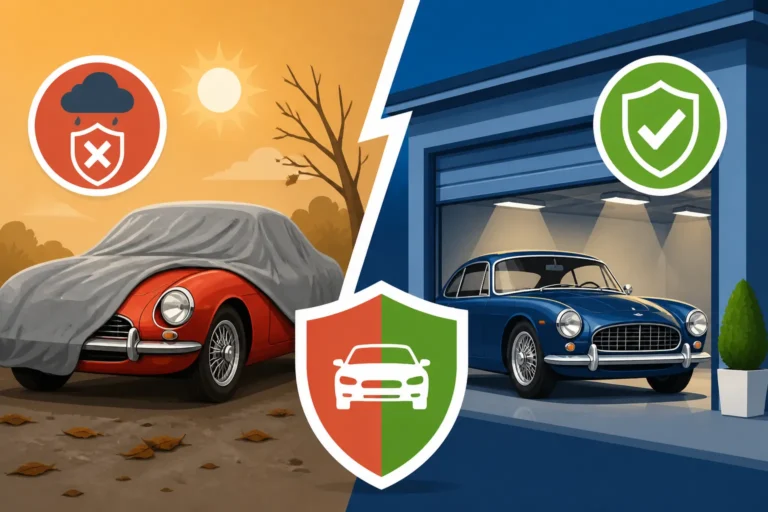
Because classic vehicles are typically driven less and stored securely, they generally pose a lower risk for accidents and theft compared to everyday cars. This reduced risk is a core reason why classic car insurance is often more affordable. However, the type of storage matters immensely. If your prize possession is tucked away in a climate-controlled, secure garage in Columbus for the winter, that’s viewed much more favorably by insurers like Hagerty than if it’s sitting under a tarp in a driveway in Toledo. The better the storage, the lower the perceived risk of damage from the elements or theft, which can positively impact your premium. For a deeper dive, check out our piece on Garage Storage Requirement for Classic Cars.
State-Specific Driving Conditions and Usage
While Ohio doesn't have drastically different driving laws for classic cars compared to other states, the way classics are used here often aligns perfectly with specialty insurance requirements. Most classic car owners in Ohio aren't using their vintage Mustangs or restored pickups for grocery runs every day. Instead, these vehicles are brought out for weekend cruises, local car shows, or club events.
This "pleasure use" or "limited use" distinction is crucial. When you're only putting a few thousand miles on your classic each year – or even less – insurers recognize that the exposure to risk is minimal. This is quite different from a car used daily for commuting through heavy traffic on I-71. The lower mileage, combined with the careful nature of classic car owners, contributes to generally lower premiums. It's a fundamental difference between Classic Car Insurance vs Regular Insurance: What's Required and why the former is often more tailored and cost-effective for collectors.
Key Factors Influencing Your Classic Car Insurance Premium in Ohio
Understanding the average cost of classic car insurance in Ohio means looking beyond just the make and model. Several interconnected factors come into play, each subtly nudging your premium up or down. These aren't just arbitrary numbers; they reflect the actual risk profile of your cherished vehicle.
Vehicle Value and Agreed Value Coverage
The most significant factor influencing your classic car insurance cost is, predictably, the vehicle's agreed value. Unlike standard auto policies that pay out "actual cash value" (which depreciates rapidly), classic car policies primarily offer "agreed value" coverage. This means you and the insurer agree on a specific value for your car at the start of the policy. If it's a total loss, you get that exact agreed-upon amount, minus your deductible. This peace of mind is invaluable to collectors.
In Ohio, as anywhere else, a pristine 1965 Chevrolet Corvette with a $100,000 agreed value will naturally cost more to insure than a well-maintained 1970 Volkswagen Beetle valued at $20,000. Why? Because the potential payout for a total loss is significantly higher. Companies like American Collectors Insurance and Hagerty excel at offering strong agreed value policies. It's crucial to get an accurate valuation for your vehicle, possibly through a professional appraisal, to ensure you’re adequately covered. Our guide on Classic Car Insurance Cost by Vehicle Value explains this relationship in more detail.
Driver Profile and Usage Restrictions
Your own driving history and how you plan to use the classic car are also major determinants of your premium. Insurers want to see a clean driving record, free of major accidents or violations. A responsible driver is a less risky driver, plain and simple.
Furthermore, classic car policies come with specific usage stipulations. Most policies require that the classic car is not your primary vehicle or daily driver. In Ohio, this means you'll need at least one other vehicle insured for regular transportation in your household. Insurers often have mileage limits, ranging from 1,000 to 5,000 miles annually, or "pleasure use" requirements, restricting the car's use to events, club activities, and occasional drives. Adhering to these, which most Ohio classic car owners naturally do, helps keep premiums lower. If you're wondering about specifics, our article on Classic Car Insurance Mileage Limits by State delves into this.
Storage Location and Security Measures
Where your classic car sleeps at night is a critical factor in determining your insurance rate in Ohio. As mentioned earlier, Ohio’s climate means good storage is key. Insurers overwhelmingly prefer, and often require, that classic vehicles are stored in a secure, enclosed, and locked garage when not in use.
This could be an attached home garage in Cincinnati, a detached garage with an alarm system in a rural area near Dayton, or even a professional storage facility. The more secure the storage, the lower the risk of theft, vandalism, or weather-related damage, and thus, the lower your premium. Adding extra security measures like alarm systems or vehicle tracking devices can also sometimes lead to further discounts.
Average Classic Car Insurance Costs in Ohio
It’s tough to give an exact number for classic car insurance in Ohio because, as we've seen, so many factors are at play. However, we can look at averages and ranges to give you a realistic expectation. Generally, classic car insurance is significantly less expensive than standard auto insurance for a comparable modern vehicle. This often surprises new collectors, but it’s a testament to the specialized risk assessment that goes into these policies.
Typical Premium Ranges by Vehicle Value
For many classic car owners in Ohio, you might find annual premiums ranging from a few hundred dollars to over a thousand, depending on the agreed value of your vehicle and the extent of your coverage. For instance, a vehicle with an agreed value of $25,000 might see premiums in the $300-$600 range per year, while a car valued at $75,000 could be in the $600-$1,200 range. These are broad estimates, of course, and can vary based on the insurer, your specific location within Ohio, and your personal profile.
Here’s a simplified look at potential annual premium ranges in Ohio based on a classic car's agreed value. Please remember these are estimates and your actual quote may vary significantly based on individual circumstances.
| Agreed Value Range | Estimated Annual Premium Range in Ohio | Example Vehicle Type |
|---|---|---|
| Up to $25,000 | $250 – $550 | Daily Driver-style Classics, Entry-level Muscle Cars, Vintage Sedans |
| $25,001 – $50,000 | $450 – $800 | Well-restored Muscle Cars, Popular Sports Cars, Custom Hot Rods |
| $50,001 – $75,000 | $700 – $1,100 | High-end Muscle Cars, Iconic Sports Cars, Rare European Classics |
| $75,001 – $100,000 | $900 – $1,500 | Early Corvettes, High-Performance Restomods, Luxury Classics |
| Over $100,000 | $1,200+ (variable) | Rare Exotics, Concours-level Restorations, Collectible Supercars |
It's important to remember that these figures usually assume you're meeting the standard eligibility requirements, such as secure storage, limited mileage, and a clean driving record.
Why Specialty Insurers Offer Better Rates
You might be tempted to just add your classic to your existing auto policy with a standard insurer, but for most collectors, this is a mistake, especially regarding cost and coverage. Standard insurers often don't understand the true value of a classic car and will typically offer an Actual Cash Value policy, which means depreciation is factored in. This can lead to a devastatingly low payout if your prized possession is totaled.
Specialty classic car insurers, on the other hand, build their entire business around understanding and insuring these unique vehicles. They recognize the low mileage, careful ownership, and secure storage common among collectors, which translates to lower risk and, consequently, lower premiums. Companies like Grundy and Hagerty are experts in this field, offering policies specifically designed for classics with features like agreed value, restoration coverage, and roadside assistance tailored for vintage cars. When you're comparing policies, always look at the specific coverage types discussed in Agreed Value Coverage Explained, not just the bottom-line price.
Strategies to Lower Your Classic Car Insurance Costs in Ohio
Even with the already favorable rates of classic car insurance, there are always ways to be a savvy owner and potentially reduce your premiums even further in Ohio. Every dollar saved on insurance is a dollar that can go back into your passion project, whether it's a new chrome bumper or a fresh set of tires.
Maximizing Discounts and Bundling Options
Classic car insurers, much like standard ones, offer a variety of discounts. It's always worth asking your agent or checking online what you might qualify for. Common discounts include:
- Multi-Car Discounts: If you have a collection of classic cars, insuring them all under one specialty policy can often lead to significant savings. This is a common practice for collectors with multiple vehicles.
- Car Club Membership: Many insurers offer discounts for belonging to recognized classic car clubs or organizations. If you're a member of the Ohio Corvettes and Chevelles Club or the Buckeye State Mustang Club, make sure your insurer knows!
- Anti-Theft Devices: Installing approved alarm systems, GPS trackers, or other security features can sometimes reduce your premium, especially if your car is high-value.
- Driver Training: While less common for classics, some insurers might offer discounts for advanced driver training courses, though these are more often for younger drivers.
- Payment Options: Paying your premium annually in full, rather than in monthly installments, can sometimes net you a small discount.
Don't be afraid to ask about all available discounts. A few minutes of inquiry could save you a good chunk of change. Our article on Classic Car Insurance Discounts Explained covers many of these in detail.
Smart Policy Structure and Deductible Choices
When you're building your classic car policy, think strategically about your coverage and deductible. While you always want robust protection, there are ways to tailor it to your risk tolerance and budget.
- Choosing the Right Deductible: Your deductible is the amount you pay out-of-pocket before your insurance kicks in for a claim. Opting for a higher deductible, say $1,000 instead of $250, will almost always lower your annual premium. If you have an emergency fund and are comfortable taking on more initial risk in the event of a claim, this can be a smart move for your infrequently driven classic.
- Reviewing Coverage Add-ons: Specialty policies offer fantastic add-ons like Restoration Coverage for Classic Cars, Spare Parts Coverage Explained, and trip interruption. While these are incredibly valuable, especially if you're actively working on your car or frequently travel to shows, review them carefully. Ensure you truly need every add-on, and consider if certain coverages are more pertinent to your current situation. For a car in long-term storage, some road-trip-related coverages might not be as essential, for example.
- Annual Agreed Value Updates: Your classic car's value isn't static. If you perform significant restorations or the market value of your model increases, make sure to update your agreed value with your insurer. While increasing the agreed value will likely increase your premium, it's crucial to avoid being underinsured. Conversely, if your car's value has decreased (rare for classics, but possible with certain trends), adjusting the agreed value down could save you money, though this is less common advice in the classic car world. Always make sure your agreed value reflects the true market value of your unique classic.
Remember, the goal is to get comprehensive coverage that truly protects your investment without paying for things you don't need. Getting a quote from multiple specialized providers is always the best way to ensure you're getting competitive rates. If you need help comparing, our guide on How to Get a Classic Car Insurance Quote can walk you through the process.
Disclaimer
Please remember that the information provided in this article is for general informational purposes only and does not constitute financial, insurance, or legal advice. Insurance premiums and requirements can change frequently and vary significantly based on individual circumstances, chosen coverage, and specific underwriting criteria. Always consult with a qualified insurance professional to discuss your specific needs and obtain accurate, up-to-date quotes and policy information.