Cost to Insure a Non-Running Classic
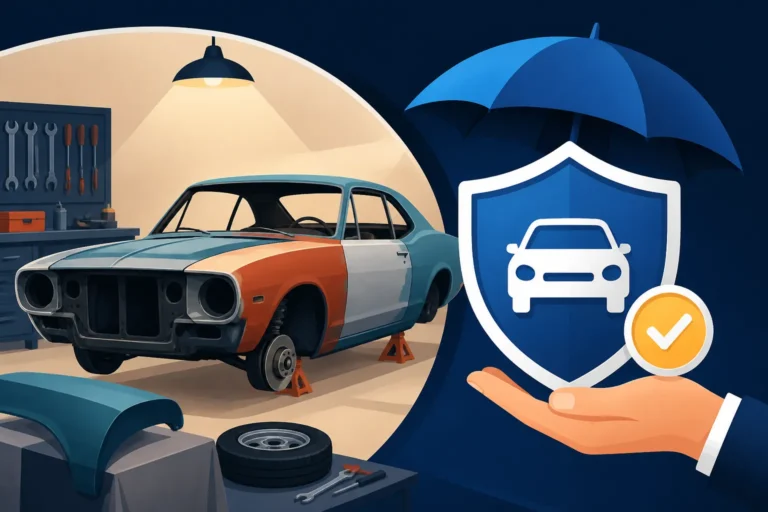
It's a familiar scenario for many of us: you've finally dragged that dream classic car project home, maybe a rusty old Ford Mustang or a long-forgotten Chevrolet C10 from a barn in rural Pennsylvania, and it's definitely not going anywhere under its own power. You're ready to dive into restoration, but the question of insurance probably feels like an afterthought for a vehicle that's essentially a very large paperweight. Yet, even a non-running classic needs proper protection, and figuring out the right coverage and its cost can be surprisingly complex. This guide will help you understand why insuring your immobile pride and joy is crucial and break down what goes into the cost.
Understanding Why a Non-Running Classic Still Needs Insurance
When your classic isn't roadworthy, it's easy to think it's out of harm's way, tucked safely in the garage or even under a tarp in the backyard. But that couldn't be further from the truth. The reality is, a stationary vehicle is still a significant asset, and it faces a unique set of risks that standard auto insurance just isn't designed to handle. Neglecting to insure it can lead to devastating financial losses, especially if it's a valuable piece of automotive history or a project into which you've already sunk considerable time and money.
Protecting Your Investment Even When It Can't Drive
Think about the sheer value tied up in your non-running classic. Even if it's a bare shell or a rusted-out "barn find," it represents potential. It's not just the purchase price, but the emotional investment, the countless hours you envision spending, and the rising market value of desirable models. A 1969 Dodge Charger project car, even one in pieces, still holds significant worth to a collector. If this vehicle were stolen from your garage in, say, suburban Detroit, or destroyed in a fire, would your homeowner's policy truly cover its unique value? Most standard homeowner's policies have severe limitations on vehicle coverage, often only covering a fraction of the actual market or restoration cost.
Specialty classic car insurance understands this inherent value. It recognizes that your non-runner is more than just a car; it's a collectible asset. This type of policy can be structured to protect that specific, often appreciating, value, offering a financial safety net that traditional insurance simply cannot provide. This is especially true if you’ve sourced rare parts or begun a high-dollar restoration.
The Risks of Uninsured Storage and Restoration
Leaving your non-running classic uninsured is like leaving a stack of cash on your driveway – it's just asking for trouble. While you might not be worried about fender benders, the risks of fire, theft, vandalism, and natural disasters like floods or severe hail are very real. Imagine a pipe bursting in your garage, soaking your meticulously cleaned engine block, or a storm sending a tree branch through the roof, crushing your vintage F-100. Without proper insurance, every penny you've invested could vanish in an instant.
Furthermore, if you're actively working on the car, you're constantly moving parts, using tools, and introducing new risks. A dropped wrench, an accidental spark during welding, or even a slip and fall that damages a pristine body panel are all possibilities. Specialty insurers often offer specific coverages for "vehicle under construction" or "laid-up coverage for winter storage", which are tailored for these scenarios. These policies account for the unique environment of a restoration project, ensuring that even when your car is disassembled or stationary, it's comprehensively protected.
Essential Coverage Options for Non-Running Classics
When it comes to insuring a non-running classic, you're not looking for collision coverage for obvious reasons. Instead, the focus shifts to protecting the vehicle from non-driving perils and safeguarding its intrinsic value, whether it's a diamond in the rough or a project nearing completion. Understanding these specialized coverage types is key to getting the right protection without overpaying.
Comprehensive-Only Coverage: Your Primary Shield
For a classic car that isn't going to be driven anytime soon, "comprehensive-only" coverage is often the cornerstone of your insurance policy. This is precisely what it sounds like: it covers damages that aren't related to a collision with another vehicle or object while driving. This includes a wide array of perils that a stored or stationary classic is vulnerable to, such as:
- Theft: If your project car or valuable parts disappear from your garage, comprehensive coverage steps in.
- Fire: A garage fire, an electrical short, or even a stray ember can quickly turn your dream into ashes.
- Vandalism: Someone breaking into your storage space and damaging your classic.
- Natural Disasters: Floods, hail, wind, falling objects (like tree branches), and even earthquakes (depending on your location) are covered.
- Animal Damage: Rodents chewing wires or other critters causing damage.
This type of coverage typically forms the base for what many refer to as "storage insurance" or "laid-up coverage for winter storage." It's incredibly important because these non-driving incidents are exactly what can happen to a car sitting untouched for extended periods. The cost for comprehensive-only coverage tends to be significantly lower than a full policy that includes liability and collision, simply because the risk profile is much smaller. You won't typically need extensive liability if the car is strictly off-road and never driven, but check local regulations for specific requirements. For instance, some states might still require proof of financial responsibility for registered vehicles, even if they're not operational.
Specialized Endorsements for Project Cars and Parts
Beyond basic comprehensive coverage, specialty classic car insurers like Hagerty offer a suite of endorsements designed specifically for collectors with project vehicles. These add-ons are where the real value lies for a non-running classic owner.
- Restoration Coverage for Classic Cars: This is perhaps the most crucial add-on for anyone restoring a classic. As you invest more money, time, and valuable parts into your project, its value steadily increases. Restoration coverage allows you to regularly update the agreed value of your vehicle throughout the restoration process. So, if you bought a '70 Chevelle for $15,000 and have already put $20,000 into bodywork, engine rebuild, and interior, you can increase your policy's agreed value to $35,000, ensuring your growing investment is always protected. This prevents you from being stuck with an initial, much lower valuation if disaster strikes midway through.
- Spare Parts Coverage Explained: Most collectors accumulate a stash of rare or expensive spare parts, from NOS carburetors to original trim pieces. These parts, often stored separately from the vehicle, can be incredibly valuable on their own. This endorsement provides coverage for these items, whether they're new old stock (NOS) parts awaiting installation or original components removed during the restoration. It's important to keep a detailed inventory and receipts for these parts to ensure proper valuation.
- Tools and Equipment Coverage: Some specialty policies also offer coverage for the tools and equipment you use specifically for your classic car restoration, acknowledging that these aren't just everyday household tools. This can be a huge benefit for serious hobbyists who invest in specialized lifts, welders, and diagnostic equipment.
- Transit Coverage: If you're moving your non-running classic to a new garage, a body shop, or a professional restorer, transit coverage ensures it's protected during transport, usually on a flatbed. This is vital because accidents can happen even when your car is being trailered.
Stated Value vs. Agreed Value for Incomplete Projects
When insuring a non-running classic, especially one in the early stages of a project or a "barn find," the way its value is determined is paramount. This is where the choice between "stated value" and "agreed value" becomes critically important, and it can significantly impact both your coverage and your premium.
- Stated Value Coverage: This allows you to state the value of your vehicle at the time you purchase the policy. However, in the event of a total loss, the insurer typically reserves the right to pay out either the stated value or the actual cash value (ACV) of the vehicle, whichever is less. This means if you state your non-running project is worth $10,000, but the insurer assesses its ACV at $5,000 post-loss, you could only receive $5,000. For project cars, where market value can fluctuate wildly or be difficult to determine in an incomplete state, stated value can leave you severely underinsured. While it might lead to a lower premium upfront, it carries a significant risk.
- Agreed Value Coverage Explained: This is the gold standard for classic car insurance, especially for project cars. With agreed value, you and the insurance company mutually agree on a specific value for your vehicle at the start of the policy. In the event of a total loss, the company guarantees to pay you that exact agreed-upon amount (minus any deductible). This eliminates uncertainty and ensures your investment is fully protected. For a non-running classic, the agreed value might be based on its purchase price and any initial investments, with the flexibility to increase it as you progress through restoration. Companies like Hagerty are known for their agreed value policies, which give collectors peace of mind. While the premium might be slightly higher than stated value, the guaranteed payout makes it a worthwhile investment for most collectors.
It's absolutely critical to understand these differences. For a classic that's a work in progress, Agreed Value vs Stated Value vs Actual Cash Value is a deep dive worth taking. Always aim for agreed value coverage if possible, and be diligent about increasing that value as your project progresses to ensure you're never underinsured.
Key Factors Influencing the Cost of Insuring a Non-Runner
Even though your classic car isn't hitting the road, several factors still play a significant role in determining your insurance premiums. These elements help insurers assess the risk of non-driving damage and the potential payout if a claim is filed. Understanding them can help you optimize your policy and potentially reduce costs.
Vehicle Value and Condition as-is vs. Projected
The inherent value of your non-running classic is, perhaps, the biggest driver of your insurance cost. An insurer needs to know what they would potentially pay out in case of a total loss.
- Current Value (As-Is): For a barn find or a project car that's just a shell, the "as-is" value forms the baseline. This might be its purchase price, or an appraisal that considers its rarity, historical significance, and the current market for similar incomplete vehicles. A very rare or desirable model, even in rough shape, will command a higher "as-is" value than a common classic, which naturally translates to higher premiums. For example, insuring a non-running 1963 Split-Window Corvette will likely cost more than a non-running Ford Pinto, even if both are equally disassembled.
- Projected Value with Restoration Coverage: If you're utilizing Restoration Coverage for Classic Cars, your costs will increase as you report the growing value of your project. This isn't a bad thing; it means your investment is protected. The insurer is taking on more risk as the car becomes more valuable. They're literally guaranteeing a higher payout if something happens. It's wise to maintain detailed records of all parts purchased, labor performed, and professional appraisals to support these value increases. This way, if you need to make a claim, there's clear documentation of the car's escalating worth.
The more valuable the car is or is projected to be, the higher your premium will generally be because the potential payout for the insurer also increases.
Storage Environment and Security
Where and how your non-running classic is stored makes a huge difference in its risk profile and, consequently, your insurance cost. Insurers want to know that your vehicle is kept as safe as possible from theft, vandalism, and environmental damage.
- Enclosed and Secure Garages: The ideal scenario for insurers is a classic stored in a private, locked, fully enclosed garage. This significantly reduces the risk of theft and vandalism, and offers protection from the elements. Many specialty insurers, including Hagerty, often require an enclosed garage for certain types of coverage. A sturdy garage with good locks, potentially an alarm system, and even security cameras will typically qualify you for lower rates.
- Carports, Driveways, or Shared Spaces: Storing a classic under a carport, on a driveway, or in a shared garage space (like a public storage unit) poses higher risks. These locations are more susceptible to theft, vandalism, and weather damage. Insuring a classic car parked outside or in a less secure environment will almost certainly result in higher premiums, if coverage is even offered. Some companies might not offer full comprehensive coverage if the vehicle isn't stored in a secure, private garage. For more details, you might want to check out How Storage Affects Classic Car Eligibility.
- Geographic Location: The crime rates and severity of natural disasters in your specific zip code also play a role. A classic stored in a high-crime urban area, even in a locked garage, might face slightly higher premiums than one in a rural area with low crime rates. Similarly, if you live in a region prone to hurricanes (like coastal Florida) or tornadoes (like Oklahoma), the comprehensive portion of your policy might be adjusted to reflect that heightened risk.
A secure storage environment demonstrates responsibility and care, directly translating to lower perceived risk for the insurer and, usually, lower premiums for you.
Your Collector Profile and Experience
Believe it or not, your own history and habits as a collector can influence the cost of insuring your non-running classic. Insurers look at the overall picture of who you are as a classic car enthusiast.
- Age and Driving Record: While a non-running car won't be driven, insurers still consider your age and driving record for your other vehicles. A clean driving record typically indicates a responsible individual, which can positively influence rates across all your policies. Many classic car insurers prefer drivers over 25 years old for their classic policies, even for storage-only, as it's seen as an indicator of maturity and responsible ownership.
- Ownership of a "Daily Driver": Most specialty classic car insurers require that you have a separate, modern vehicle for daily transportation. This reinforces the idea that your classic is indeed a collectible or project car, not a primary mode of transport. This "pleasure-use requirement" lowers the perceived risk of your classic accumulating mileage or being involved in an accident, which in turn can keep premiums down. If you don't have a daily driver, finding a specialty policy might be harder or more expensive. You can explore Do You Need a Separate Car for Classic Insurance for more information.
- Car Club Memberships: Being part of recognized classic car clubs (like the Classic Car Club of America or local marque-specific clubs) can sometimes qualify you for discounts. It demonstrates a commitment to the classic car community and often implies a level of knowledge and care for your vehicle.
- Collection Size: If you have multiple classic vehicles, even if some are non-running projects, some insurers offer multi-car collection policies that can lead to discounts or more favorable rates compared to insuring each car individually. This indicates you're a serious collector, usually with good storage solutions and a deep understanding of vehicle care.
These personal factors, combined with the vehicle's value and storage conditions, create a comprehensive risk assessment that ultimately shapes your classic car insurance premium.
Strategies for Getting the Best Insurance Rate for Your Project
Insuring a non-running classic doesn't have to break the bank. By being proactive and understanding how specialty insurers operate, you can significantly reduce your costs while still securing robust protection for your prized project. It's all about demonstrating your commitment to the car's well-being and accurately reflecting its value.
Documenting Your Project's Progress and Value
One of the most powerful tools you have for securing fair and accurate insurance rates, especially for a non-running project, is thorough documentation. This isn't just about saving receipts; it's about building a narrative of your car's journey and its escalating worth.
- Detailed Records of Expenses: Keep meticulous records of every part purchased, every specialty service rendered (machining, bodywork, upholstery), and even the hours you've invested (if the insurer recognizes sweat equity, though this is less common). These records are invaluable for establishing the "agreed value" of your vehicle, particularly when utilizing restoration coverage. When you call your insurer to increase your agreed value, having a spreadsheet or folder full of receipts makes the process smooth and undeniable.
- Photographic and Video Evidence: Before you even start working, take comprehensive photos and videos of your classic from every angle – inside, outside, under the hood, and under the chassis. Document any existing damage, the general condition, and the overall state of the vehicle. As you progress, continue taking photos of major milestones: a rebuilt engine, new paint, interior reassembly, etc. This visual evidence supports your claims of increased value and helps the insurer understand the quality of work being done. It also helps if you need to file a claim after an incident.
- Professional Appraisals: For significant project milestones or once the car reaches a certain level of completion, consider getting a professional appraisal. An independent appraiser can assess the vehicle's current market value, taking into account its condition, rarity, and the quality of restoration work. This provides an unbiased, expert opinion that insurers trust, helping you to justify a higher agreed value for your policy. This is particularly useful for How to Value Your Classic Car for Insurance.
By maintaining thorough documentation, you not only protect your investment but also provide the insurer with clear evidence to justify the agreed value, potentially leading to more favorable rates over time as they see your dedication.
Exploring Specialty Insurers and Their Offerings
Attempting to insure a non-running classic with a standard auto insurance provider is often a recipe for frustration and inadequate coverage. Traditional insurers just aren't set up to understand the nuances of collectible vehicles. This is where specialty classic car insurers truly shine.
- Why Specialty Insurers Are Better: Companies like Hagerty, Grundy, American Collectors, and American Modern specialize in classic, antique, and collector cars. They understand that these vehicles are appreciating assets, not depreciating daily drivers. They offer policies tailored to non-running projects, including agreed value, restoration coverage, and spare parts coverage, which are virtually non-existent with standard providers. These companies recognize the passion and investment involved, and their adjusters are often classic car enthusiasts themselves, meaning they truly understand the value of rare parts and quality craftsmanship.
- Comparing Quotes: Don't settle for the first quote you receive. Just like buying any other insurance, shopping around is crucial. Get quotes from several reputable specialty classic car insurers. Compare not just the premium, but also the types of coverage offered, the agreed value terms, deductible options, and any specific requirements they might have (e.g., storage conditions, mileage limits if the car becomes runnable). For example, Hagerty Classic Car Insurance Review might highlight certain benefits that another provider doesn't offer, or vice-versa.
- Asking the Right Questions: When getting a quote, be very clear that the car is non-running and whether you intend to restore it. Ask specific questions about:
- What exactly is covered for a stationary vehicle?
- How can the agreed value be adjusted during restoration?
- Is Spare Parts Coverage Explained included or available as an add-on?
- Are there any transit coverages for moving the car?
- What are the deductible options for comprehensive claims?
By choosing a specialty insurer, you're partnering with a company that speaks your language and truly understands the unique risks and values associated with your non-running classic. If you're wondering How to Get a Classic Car Insurance Quote, remember to specify the vehicle's non-running status from the outset.
Leveraging Discounts and Smart Policy Choices
Once you've found a few suitable specialty insurers, there are still ways to fine-tune your policy and lower your premiums for a non-running classic. Every little bit helps, especially when you're funding a restoration project!
- Security Features: If your garage has an alarm system, motion-activated lights, or robust security measures, make sure your insurer knows about it. Enhanced security often qualifies for discounts because it reduces the risk of theft and vandalism. Even a secure, locked shed or building might be considered.
- Multi-Car Policies: If you own multiple classic vehicles, even a mix of runners and non-runners, ask about a multi-car collector policy. Bundling several vehicles under one policy can often lead to significant savings compared to insuring each one individually. This also simplifies management, as all your classics are on one statement.
- Higher Deductibles: Opting for a higher deductible can lower your annual premium. However, make sure you can comfortably afford to pay that deductible out-of-pocket if you need to make a claim. For a very valuable project, a slightly higher premium for a lower deductible might be worth the peace of mind.
- Mileage Tiers (for future use): Even for a non-runner, it's good to be aware that once it's complete, classic car policies typically offer mileage tiers (e.g., 1,000, 3,000, or unlimited miles per year). If you anticipate very limited use once the car is restored, choosing a lower mileage tier will keep your rates down. This is something to consider as the project nears completion.
- Car Club Discounts: As mentioned earlier, membership in recognized classic car clubs or organizations can sometimes earn you a discount with certain insurers. It's always worth asking if your affiliations can save you some money.
By combining thorough documentation, choosing the right specialty insurer, and actively seeking out discounts and smart policy choices, you can effectively manage the How Much Does Classic Car Insurance Cost for your non-running classic, ensuring it's well-protected throughout its restoration journey without breaking the bank.
Comparing Non-Running Classic Car Coverage Options
To give you a clearer picture, here's a simplified comparison of common insurance approaches for a non-running classic. This table highlights what you might expect from each type, assuming a hypothetical value for the project car.
| Coverage Type | Best Suited For | Typical Coverage Provided | Valuation Method | Typical Cost Implication | Key Considerations |
|---|---|---|---|---|---|
| Homeowner's Policy | Minimal-value "junk" cars, not true collectibles | Limited, often excluded for vehicles; usually only for fire/theft IF stored on property | Actual Cash Value (ACV) | Lowest (often none) | High risk of underinsurance; limited payout; vehicle value capped. |
| Standard Auto Policy | Daily drivers; not designed for classics | Minimal comprehensive if non-running; no specialty endorsements | Actual Cash Value (ACV) | Higher than homeowner's, but still inadequate | Very poor fit; no agreed value; highly restrictive. |
| Specialty Classic – Comprehensive-Only | Early stage projects, long-term storage, barn finds | Theft, fire, vandalism, natural disaster, animal damage | Agreed Value (recommended) or Stated Value | Moderate | Good basic protection for stationary risks; no liability/collision. |
| Specialty Classic – Comprehensive + Restoration | Active restoration projects with increasing value | All comprehensive perils, plus protection for value increases as you restore, spare parts, transit | Agreed Value (dynamic) | Higher, but best value | Most comprehensive for projects; value adjusts; essential for investment protection. |
This table clearly illustrates why relying on standard insurance products for your non-running classic is a gamble you likely can't afford. Specialty classic car insurance, even just the comprehensive-only option, offers significantly better protection tailored to your specific needs.
Disclaimer
The information provided in this article is for general informational purposes only and does not constitute financial, insurance, or legal advice. Insurance policies vary by provider and state. It is essential to consult with a qualified insurance professional to discuss your specific needs and obtain accurate quotes and policy details for your classic car.