Cost to Insure a 1978 Firebird Trans Am
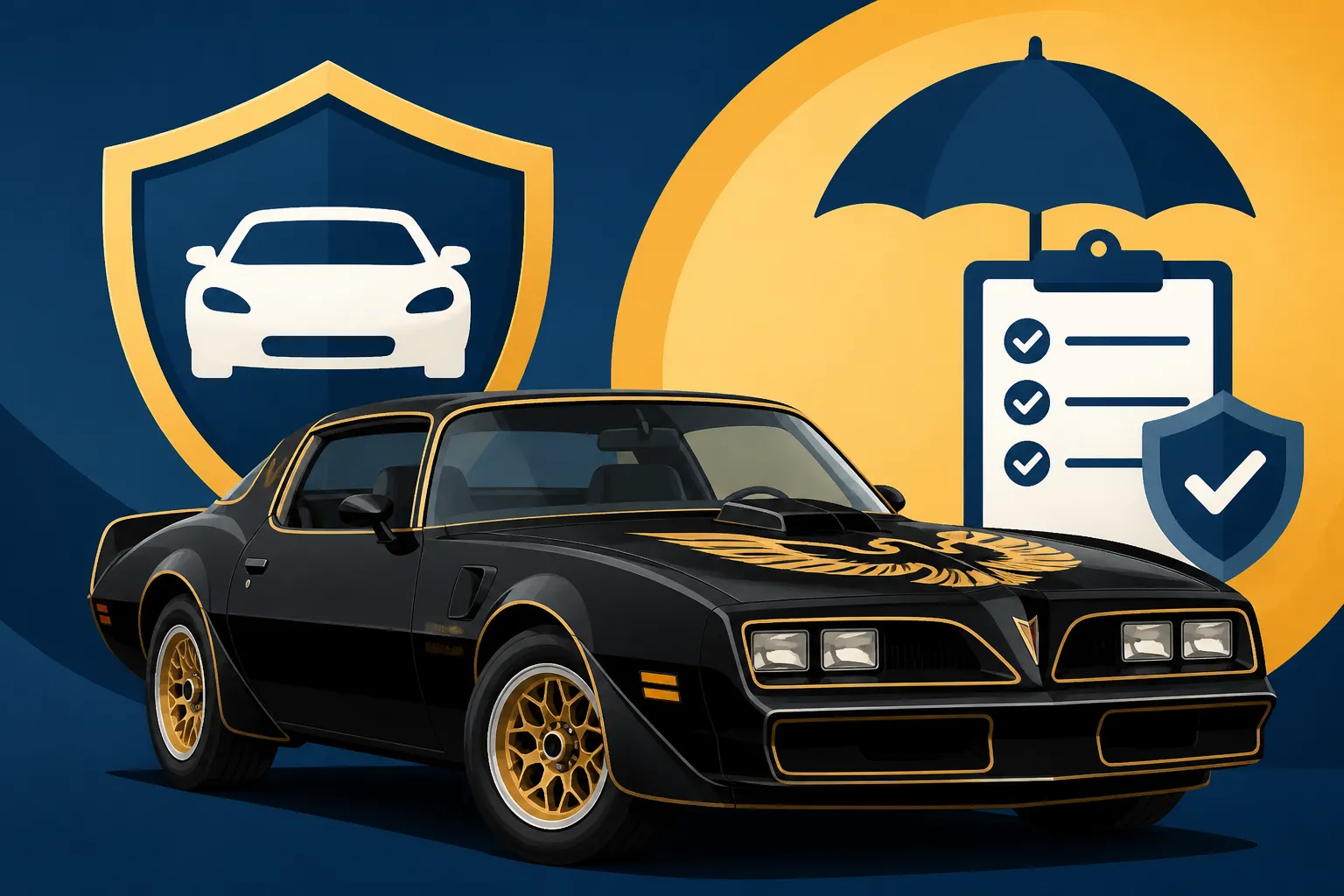
Bringing home a 1978 Pontiac Firebird Trans Am is a dream come true for many, a true slice of American automotive history, but the thought of insuring such a unique and valuable vehicle can quickly turn that excitement into a headache. Traditional insurance companies often don't understand the true value and specific usage of a classic like your Trans Am, leading to frustratingly high quotes or inadequate coverage. This guide is here to demystify the classic car insurance landscape, specifically for your iconic 1978 Firebird Trans Am, breaking down what influences costs and how you can secure the best protection for your prized possession.
Understanding the Unique Factors for Insuring a 1978 Firebird Trans Am
Insuring a classic car, especially one as recognizable and desirable as a 1978 Firebird Trans Am, isn't quite like insuring your modern daily driver. Specialty insurers approach these vehicles differently, recognizing their appreciating value and limited use. This different perspective means your premium will be influenced by factors that might not even come into play with a regular policy. It’s all about protecting an investment, not just a mode of transportation.
Vehicle Valuation and Agreed Value Coverage
One of the biggest differentiators for classic car insurance, and a crucial point for your 1978 Trans Am, is the concept of Agreed Value. Unlike standard insurance policies that pay out "Actual Cash Value" (ACV), which is typically replacement cost minus depreciation, classic car policies usually offer Agreed Value coverage. With ACV, a regular insurer might value your 1978 Trans Am at a fraction of what you know it's truly worth, considering it just an old car. Agreed Value, on the other hand, means you and the insurance company agree on your car's value before the policy starts. In the event of a total loss, you get that agreed-upon amount, no questions asked, which is absolutely essential for a car like your Trans Am.
This valuation process usually involves presenting documentation like recent appraisals, photos, and records of restoration or modifications. For a 1978 Trans Am, especially desirable models like the T/A 6.6 or those with the instantly recognizable "screaming chicken" hood decal, the market value can fluctuate significantly based on condition, originality, and specific options. Having a clear, agreed-upon value ensures that if the unthinkable happens, you're not left fighting for fair compensation. You can learn more about how this works in our comprehensive guide on Agreed Value vs Stated Value vs Actual Cash Value.
Usage Restrictions and Mileage Limits
Classic car insurance is typically designed for vehicles that aren't driven daily. The assumption is that you're using your 1978 Trans Am for pleasure, car shows, club events, or occasional cruises, not for your daily commute to work or grocery runs. This limited usage is a major reason why classic car insurance premiums are often significantly lower than regular auto insurance. Insurers recognize that less time on the road means less exposure to risk. Most policies come with mileage limits, often ranging from 2,500 to 5,000 miles per year.
For instance, if your 1978 Trans Am sees light duty on weekends and attends a few local car shows in the summer, a 2,500-mile limit might be perfect. If you enjoy longer road trips to national Trans Am events or rallies, you might need a policy with a higher mileage tier. Companies like Hagerty often offer flexible mileage options to suit different driving habits. It's crucial to be honest about your intended usage, because violating these terms could jeopardize a claim. Understanding Classic Car Insurance Mileage Limits by State can also help you determine the best fit for your driving habits.
Storage Requirements
Where and how you store your 1978 Firebird Trans Am plays a substantial role in its insurance cost and eligibility. Specialty insurers generally require classics to be stored in a secure, enclosed, and locked facility, such as a private garage, carport, or dedicated storage unit. This requirement minimizes the risk of theft, vandalism, and environmental damage. Parking your Trans Am on the street or in an open driveway is usually a non-starter for classic car insurance.
Think about it: a shiny '78 Trans Am, especially one in pristine condition, is a magnet for attention. Keeping it securely garaged not only protects it but also demonstrates to the insurer that you're a responsible owner dedicated to preserving your classic. This diligence translates into lower risk for the insurer and, consequently, lower premiums for you. Some policies might even offer discounts for specific security features in your garage. Our guide on Garage Storage Requirement for Classic Cars delves into this in more detail.
Typical Coverage Options and Their Impact on Premiums
When you're insuring a 1978 Firebird Trans Am, it's not just about liability; it's about comprehensive protection for your investment. Specialty classic car policies offer a range of coverages tailored to the unique needs of collectors, which often go above and beyond what a standard auto policy provides. These options directly influence your premium, giving you the flexibility to customize your protection level.
Physical Damage Coverage: Comprehensive and Collision
Just like with a regular car, classic car insurance offers comprehensive and collision coverage. However, the key difference lies in the valuation – that Agreed Value we talked about.
- Collision Coverage: This pays for damage to your 1978 Trans Am resulting from a collision with another vehicle or object. If you accidentally back into a pole while leaving a car show, this coverage would step in.
- Comprehensive Coverage: This protects your Trans Am from non-collision incidents like theft, vandalism, fire, natural disasters (hail, floods), and falling objects. Given the collectibility of the '78 Trans Am, especially models featured in pop culture, theft is a genuine concern, making robust comprehensive coverage indispensable.
Because the agreed value can be significantly higher than a standard market value, the premiums for comprehensive and collision coverage will reflect that higher agreed payout. However, because classic cars are driven less and often by more careful owners, the rates for these coverages can still be surprisingly affordable compared to insuring a high-value daily driver. You might want to consider Do Classic Cars Need Full Coverage to decide what's right for you.
Specialized Add-Ons and Endorsements
Beyond the core comprehensive and collision, classic car insurers offer a host of specialized coverages designed with collectors in mind. These can include:
- Restoration Coverage: If your 1978 Trans Am is currently a project car or undergoing significant restoration, this coverage can protect the vehicle and the increasing value of parts and labor as the restoration progresses. This is critical for preventing a financial setback if something happens during the build process.
- Spare Parts Coverage: Many Trans Am owners collect rare or expensive spare parts. This coverage protects those parts, whether they're stored in your garage or in transit. Given the scarcity and cost of original NOS parts for a 1978 model, this can be invaluable.
- Roadside Assistance and Flatbed Towing: Your classic Trans Am isn't meant for a standard tow truck. Specialty roadside assistance ensures that if you break down, your car is transported via flatbed, preventing further damage to its chassis or driveline. This peace of mind is worth its weight in gold on a long cruise.
- Touring and Rally Coverage: If you plan on participating in classic car rallies, tours, or longer excursions, this endorsement provides specific coverage for those events, sometimes even including trip interruption expenses.
Each of these add-ons contributes to your overall premium, but they also provide a layer of protection that standard policies simply can't match. It’s about tailoring the policy to your specific needs as a Firebird owner, ensuring that every aspect of your investment is protected. For a deeper dive into these options, check out Classic Car Insurance Add-Ons and Endorsements.
Real-World Cost Expectations for a 1978 Firebird Trans Am
So, what can you actually expect to pay to insure your beloved 1978 Firebird Trans Am? While it's impossible to give an exact figure without specific details, we can look at averages and factors that create the range you'll encounter. Remember, specialty classic car insurance is often much more affordable than you might initially think, especially when compared to insuring a modern car of similar value.
Average Premium Ranges by Vehicle Value and Condition
The value of your 1978 Trans Am is a primary driver of your insurance cost. A meticulously restored, numbers-matching '78 Trans Am, especially a desirable special edition like the Black and Gold Special Edition or a desirable engine package, with an agreed value of, say, $50,000, will have a different premium than a well-maintained driver-quality car valued at $20,000.
Based on general classic car insurance data, and specifically for muscle cars and pony cars of this era, you might expect to see annual premiums in the following ranges:
| Agreed Value Range | Estimated Annual Premium Range | Key Factors Influencing Cost |
|---|---|---|
| Under $25,000 (Driver-quality) | $300 – $600 | Limited mileage, secure storage, good driving record, age of driver. |
| $25,000 – $50,000 (Good to Excellent Condition) | $500 – $900 | Mileage tiers, add-on coverages (e.g., spare parts, roadside), driver location. |
| Over $50,000 (Concours/Show Quality) | $800 – $1,500+ | High agreed value, potential for more extensive add-ons, specific collector policies. |
These are estimates, of course, and your actual rate will depend on numerous factors, including your location (e.g., urban vs. rural), your driving record, the security of your storage, and even your age. For instance, a 55-year-old collector with a clean driving record in a quiet suburban area will likely pay less than a 30-year-old in a bustling city, even for the same car. Companies like Hagerty are known for offering competitive rates for these types of iconic vehicles, recognizing the care and passion owners put into them. Our article on Classic Car Insurance Cost: Complete Breakdown can provide a broader understanding of these cost drivers.
Factors That Can Increase or Decrease Your Premiums
Several specific factors can swing your 1978 Trans Am's insurance premium up or down:
- Modifications: While some modifications are acceptable, extensive or performance-enhancing modifications that significantly alter the car from its original state can sometimes increase premiums. Insurers need to understand how these changes impact the vehicle's value and risk profile. However, many specialty insurers also cater to modified classics like restomods.
- Driver History: A clean driving record is paramount. Accidents, speeding tickets, or other moving violations on your regular policy can impact your classic car rates, even if your Trans Am is driven sparingly.
- Location: Living in an area with higher theft rates or more extreme weather conditions (e.g., frequent hailstorms in the Midwest, hurricane risk in Florida) can modestly increase premiums.
- Deductibles: Choosing a higher deductible (the amount you pay out-of-pocket before insurance kicks in) will generally lower your annual premium, and vice-versa.
- Bundling Policies: Some classic car insurers also offer policies for your daily drivers or home, and bundling can sometimes lead to discounts across all your policies.
- Car Club Membership: Being a member of a recognized car club, like a Trans Am Club of America chapter, can sometimes qualify you for a discount. It shows a dedication to the hobby and responsible ownership.
Ultimately, the best way to get an accurate cost for your 1978 Firebird Trans Am is to get a personalized quote from a specialty insurer. Be prepared to provide detailed information about your car, its condition, and your intended usage.
How to Secure the Best Classic Car Insurance Rates for Your Trans Am
Finding the right insurance for your 1978 Firebird Trans Am doesn't have to be a daunting task. By taking a few proactive steps and knowing what to look for, you can ensure you get comprehensive coverage at a competitive price. It’s all about working with insurers who truly understand the unique appeal and needs of classic car ownership.
Getting Multiple Quotes from Specialty Insurers
The most crucial step is to seek quotes from several specialty classic car insurance providers. Don't rely solely on your regular auto insurance carrier, as they often use standard valuation models that don't appreciate the unique value of a classic like your Trans Am. Companies like Hagerty, Grundy, and American Collectors Insurance are leaders in this niche, and they understand the specific needs of collectors. Each company has its own underwriting criteria, so what might be expensive with one could be more affordable with another, even for the same car.
When getting quotes, be ready to provide:
- Detailed information about your 1978 Firebird Trans Am (VIN, mileage, condition, any significant modifications).
- Proof of its value (recent appraisal, professional photos).
- Information about where and how it's stored.
- Your driving history.
- Details about any other vehicles you own.
Comparing these quotes side-by-side, not just on price but also on the specific coverages offered (especially the Agreed Value), will give you the clearest picture. Our guide on How to Get a Classic Car Insurance Quote offers a step-by-step approach to this process.
Leveraging Discounts and Customizing Your Policy
Classic car insurers often offer a variety of discounts that can help bring down your premium. Don't be shy about asking your potential insurer about every discount you might qualify for. Common discounts include:
- Multi-Vehicle Discount: If you have more than one classic or collector car, you can often save money by insuring them all under one policy.
- Security Device Discount: Alarms, tracking devices, and other anti-theft measures can lead to savings.
- Car Club Membership Discount: As mentioned, belonging to a recognized classic car club.
- Mature Driver Discount: Often available for drivers over a certain age with excellent driving records.
- Clean Driving Record Discount: Consistently safe driving pays off.
Beyond discounts, consider how you can customize your policy to perfectly fit your needs without overpaying. For example, if you know your 1978 Trans Am rarely leaves the garage, opting for a lower mileage tier can save you money. Conversely, if you plan an ambitious cross-country tour, ensuring you have robust roadside assistance and trip interruption coverage is a smart investment, even if it adds a little to your premium. It's a balance between comprehensive protection and cost-efficiency. For more strategies, read our article on How to Save on Classic Car Insurance.
Keeping Your Valuation Up-to-Date
The classic car market, particularly for desirable models like the 1978 Firebird Trans Am, can be dynamic. The value of your car might appreciate over time, especially if you've done significant restoration work or if certain models see a surge in popularity. To ensure your Agreed Value coverage remains adequate, it's wise to periodically re-evaluate your car's worth and update your policy. Many collectors choose to get a fresh appraisal every few years, or after major upgrades.
Specialty insurers like Hagerty offer valuation tools and resources that can help you monitor market trends for your specific make and model. If your Trans Am's value increases, you'll want to adjust your Agreed Value amount to match, protecting your growing investment. This might slightly increase your premium, but it ensures that in the event of a total loss, you receive the true current market value of your treasured vehicle. Staying on top of your car's value is just good classic car ownership.
Disclaimer
Please remember that this article provides general information about classic car insurance and typical cost factors for a 1978 Firebird Trans Am. Actual insurance costs and coverage options will vary based on your specific vehicle, location, driving record, chosen coverages, and the individual insurance provider. It is always recommended to obtain multiple personalized quotes and consult with a qualified insurance professional to determine the best policy for your unique needs.