Cost to Insure a Car Under Restoration
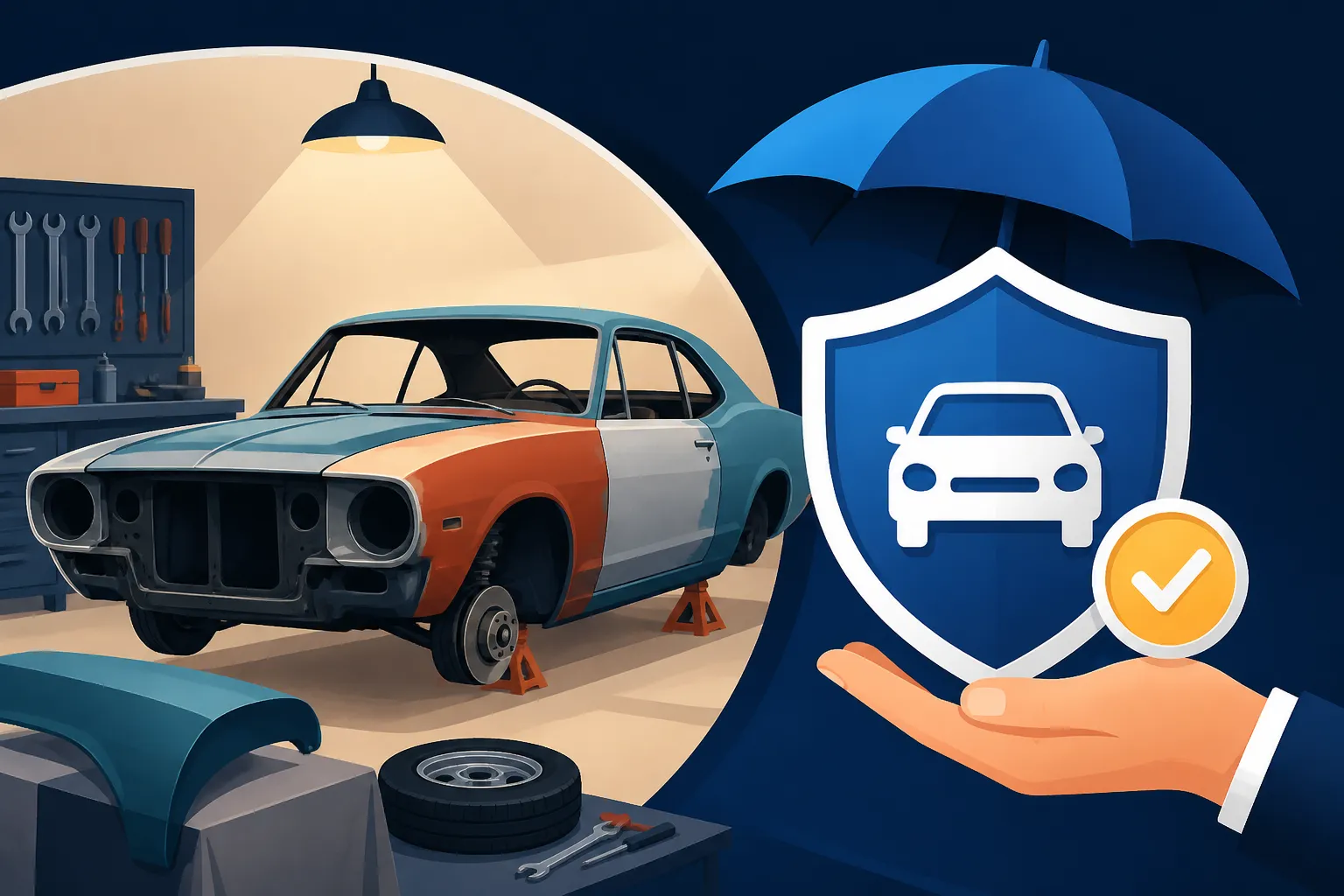
Embarking on a classic car restoration project is a labor of love, a journey filled with greasy hands, late nights, and the exhilarating promise of bringing automotive history back to life. But amidst the wrenching and welding, many enthusiasts overlook a crucial question: how do you insure a prized project that’s more parts than polished chrome? The truth is, insuring a car under restoration is far more complex than a standard policy, and failing to understand its unique cost factors can leave you financially exposed. This guide is here to walk you through the nuances, ensuring your passion project is protected every step of the way.
Understanding the Unique World of Restoration Coverage Costs
When you’re deep into a restoration, your classic car isn't just a vehicle; it's a collection of valuable parts, skilled labor, and an ever-increasing investment of time and money. Standard auto insurance simply isn't designed for this scenario, which is why specialty classic car insurance for vehicles under construction exists. The cost for this kind of coverage reflects its unique purpose: protecting an asset whose value is constantly in flux and that isn't yet ready for the open road.
Think about it: a regular car policy assesses value based on market depreciation, something completely counter to the increasing value of a restoration. What you need is a policy that understands the investment you're making, from the rare period-correct carburetor you found online to the professional paint job still awaiting its final buff. This specialized coverage accounts for the "before" and "during" stages, not just the "after." It's about protecting components, tools, and the accumulated value of your hard work, not just a fully assembled, road-ready car.
Why Standard Policies Fall Short for Project Cars
Trying to shoehorn your restoration project into a conventional auto insurance policy is like trying to fit a square peg in a round hole – it just doesn't work. Most standard policies are built around the concept of "actual cash value" (ACV), which factors in depreciation. For a car that's disassembled in your garage, potentially missing an engine or interior, its ACV might be shockingly low, far below what you've already invested. If a fire rips through your garage, or a thief makes off with your carefully organized bins of rare trim pieces, a standard policy would likely offer a payout that barely scratches the surface of your losses.
Furthermore, traditional policies are typically geared towards cars that are registered, roadworthy, and driven regularly. A project car, by its very nature, might be sitting in various states of undress for months or even years. It might not even have a current registration or title if it's a true barn find. This is where the specialized world of classic car insurance steps in, offering tailored solutions like Restoration Coverage for Classic Cars and Vehicle Under Construction Coverage that recognize the unique journey of a project vehicle. These policies are designed to protect the car in its current state, acknowledging the potential for increasing value as work progresses.
The Foundation: Agreed Value for a Work in Progress
The cornerstone of any good classic car insurance policy, especially for a restoration, is "agreed value" coverage. Unlike ACV, agreed value means you and the insurer agree upon the car's value at the outset of the policy. If a total loss occurs, that's the amount you'll receive, no questions asked about depreciation. For a car under restoration, this concept becomes even more dynamic and critical.
Initially, the agreed value might be based on the car's purchase price plus any parts you've acquired. As you sink more time, money, and rare components into the build, that agreed value needs to be updated. Many specialty insurers, like Hagerty, understand this escalating value and offer mechanisms to periodically adjust your agreed value throughout the restoration process. This ensures that as your investment grows, your coverage keeps pace. It’s not just about what the car is worth today, but acknowledging its potential and the sweat equity you're pouring into it. This flexibility is what truly sets classic car insurance apart when you're asking, How Agreed Value Is Determined for a project.
Key Factors Influencing the Cost of Insuring Your Restoration
The cost to insure a car under restoration isn't a flat fee; it's a dynamic figure influenced by a myriad of factors. Understanding these elements will help you not only anticipate costs but also make informed decisions throughout your project to keep premiums manageable without sacrificing critical protection. It’s a delicate balance, but an achievable one with the right knowledge.
The Vehicle's Value: Present and Future
Perhaps the most significant factor in your premium is the car's value. But for a restoration, this isn't straightforward. Insurers look at a few aspects:
- Initial Value: What did you pay for the car in its unrestored, project state? Even if it was a rust bucket, that purchase price forms a baseline.
- Current Investment: This includes all the money you've spent on parts, materials, and professional labor to date. Every receipt for chrome, an engine rebuild, or new upholstery adds to the car's current worth.
- Projected Value: While not directly used for the initial agreed value, insurers will consider the car's potential finished value. A fully restored Shelby Mustang will naturally have a higher insurance cost (and higher potential payout) than a daily driver sedan project.
The beauty of restoration coverage is its ability to adapt. As you progress, you'll want to update your insurer with major milestones and investments. For example, once the engine is rebuilt and reinstalled, or the bodywork is completed, those are significant value increases that need to be reflected in your agreed value. Some policies include a feature that automatically increases your agreed value by a certain percentage over time to account for ongoing work, or you might need to actively submit updates and even appraisals as the project nears completion. This is directly related to the Cost of Adding Restoration Coverage to your policy.
Storage Conditions and Security
Where your project car lives makes a huge difference in your insurance premium. Insurers love to see secure, enclosed storage because it drastically reduces the risk of theft, vandalism, and environmental damage.
- Ideal Storage: A private, locked garage (especially one with an alarm system or attached to your home) is generally considered the safest and will typically result in lower premiums. Climate-controlled garages are an even bigger plus, as they protect against rust and deterioration during prolonged storage.
- Less Ideal (and Potentially More Costly) Storage: Carports, shared garages, or even just leaving parts exposed in a driveway are red flags for insurers. The increased risk associated with these scenarios means higher premiums, or in some cases, a complete denial of coverage for certain perils.
- Location, Location, Location: The physical address of your garage also plays a role. If you're in an area with high rates of auto theft or natural disasters, your premiums will naturally be higher.
Many insurers will require proof of adequate storage, perhaps photos of your garage, before offering a policy. This demonstrates your commitment to protecting your investment, which in turn reduces their risk. The specifics of How Storage Affects Classic Car Rates can vary, but generally, the safer the storage, the better for your wallet.
Scope of Restoration and Covered Perils
The extent of your restoration project, and what you want covered, impacts the cost. Are you doing a full frame-off, concours-level restoration? Or a simpler cosmetic refresh?
- Complexity of Work: More complex, high-value restorations involving rare parts and specialized skills generally command higher premiums because the potential loss is greater.
- Parts Coverage: A crucial component of restoration insurance is coverage for the parts themselves, both on and off the car. Imagine a box of NOS (New Old Stock) fender trim, costing thousands, sitting on a shelf. You need a policy that protects these loose parts from theft or damage. Some policies also offer coverage for your tools and equipment, which can be invaluable.
- Perils Covered: Beyond basic liability (which isn't usually the primary concern for a non-running project), you'll want comprehensive coverage for perils like fire, theft, vandalism, natural disasters (hail, floods, wind), and even accidental damage during the restoration process (e.g., dropping an engine block). The more extensive the list of covered perils, the more your policy might cost, but it also offers greater peace of mind.
It's also worth noting that some insurers, like Hagerty, offer specialized features like "Cherished Salvage" coverage, which can be important if you want to retain your car after a covered total loss, perhaps to use for parts in another project or to rebuild. Always discuss the full scope of your project and your specific concerns with your insurer to tailor the best policy.
Strategies to Get an Accurate Quote and Manage Costs
Getting classic car insurance for a restoration project can feel daunting, but with the right approach, you can secure comprehensive coverage that won't break the bank. It's all about being prepared, transparent, and proactive.
Documenting Your Project Meticulously
The single most important thing you can do to get an accurate quote and ensure a smooth claims process is to document everything. Insurers need to understand the extent of your investment and the progress of your build.
- Photographic Evidence: Take high-quality photos and videos of the car from every angle when you acquire it. Document its condition, any existing damage, and clearly show all parts you have. As the restoration progresses, continue to take photos of major milestones: engine rebuild, bodywork, paint, interior installation, etc. A visual timeline is incredibly valuable.
- Receipts and Invoices: Keep meticulous records of every penny spent. This includes the purchase price of the car, all parts (new and used), materials (paint, body filler, upholstery fabric), and any professional labor costs (machining, specialist welding, custom fabrication). Organize these receipts by date or category for easy reference.
- Appraisals: While some insurers might not require an appraisal for a non-running project, especially in its early stages, it can be incredibly helpful. An independent appraiser specializing in classic cars can assess the car's initial condition and provide a professional estimate of its value. As your project nears completion or reaches a significant stage, a "progress appraisal" can help validate a higher agreed value. For some insurers, knowing How Appraisals Affect Insurance Cost is key, as a professional valuation lends credibility to your stated investment.
Being thorough with your documentation not only supports your agreed value but also proves invaluable in the event of a claim. It removes any guesswork about what was lost or damaged.
Comparing Specialty Insurers for Restoration Coverage
When it comes to insuring a car under restoration, your neighborhood State Farm or Progressive agent might not be the best fit. These projects require specialized knowledge and policies that major general insurers often don't provide. You'll want to seek out specialty classic car insurance companies.
| Feature / Coverage Type | Standard Auto Insurance | Specialty Classic Car Restoration Insurance |
|---|---|---|
| Valuation Method | Actual Cash Value (ACV) | Agreed Value (Adjustable for progress) |
| Primary Use | Daily driving/commuting | Storage, restoration, occasional testing |
| Parts & Tools Cover | Usually none | Specific coverage often available |
| Value Progression | Depreciates | Appreciates with investment |
| Storage Requirements | Varies, less strict | Secure, enclosed garage often required |
| Driving Restrictions | None (for standard use) | Strict mileage/use limits (if running) |
| Under Construction | Not typically covered | Specifically designed for this stage |
Companies like Hagerty, Grundy, American Collectors, and J.C. Taylor are leaders in this niche. Each has its own specific requirements and policy offerings, so getting multiple quotes is essential. Don't just look at the premium; scrutinize the details:
- Agreed Value Flexibility: How easy is it to update your agreed value as the project progresses?
- Parts Coverage Limits: What's the maximum payout for stolen or damaged parts not yet installed?
- Deductibles: What are your options, and how do they impact your premium?
- Customer Service: In the event of a claim, how responsive and understanding is the company regarding restoration projects?
Asking specific questions about How to Get a Classic Car Insurance Quote for a disassembled vehicle or one mid-paint job will help you gauge their expertise. Some insurers might even offer discounts for belonging to classic car clubs or for having multiple collectible vehicles under one policy.
Leveraging Professional Guidance and Discounts
Navigating the intricacies of classic car insurance for a restoration project can be complex, and that's where an experienced insurance agent specializing in collector cars becomes your best friend. These agents understand the unique needs of restorers and can help you tailor a policy that offers comprehensive protection without unnecessary costs. They can guide you through the process of determining an appropriate agreed value, explain the nuances of spare parts coverage, and even help you understand Requirements to Insure a Car Under Restoration in your state.
Furthermore, don't overlook potential discounts that can reduce your overall premium. Many specialty insurers offer:
- Multi-Vehicle Discounts: If you have more than one classic or collector car, consolidating your policies with a single provider can lead to savings.
- Car Club Membership Discounts: Being an active member of a recognized classic car club, like the Classic Car Club of America or a marque-specific club, often qualifies you for a discount.
- Security System Discounts: If your garage has an alarm system, security cameras, or even if your project car is equipped with anti-theft devices, you might see a reduction in your rates.
- Responsible Driver Discounts: A clean driving record for all household drivers can also contribute to lower premiums.
While the upfront How Much Does Classic Car Insurance Cost might seem like an added expense, the peace of mind and financial protection it offers during a restoration project is truly invaluable. It's an investment in safeguarding your larger investment and passion.
Common Pitfalls and Important Considerations for Restoration Coverage
Insuring a classic car under restoration is a specialized field, and without careful attention, it's easy to make mistakes that could lead to significant financial heartache down the road. Being aware of these potential traps is just as important as knowing what coverage to get.
The Danger of Underinsuring Your Growing Investment
One of the biggest mistakes a restorer can make is underinsuring their project car. This often happens in two ways:
- Initial Low Valuation: You might get a policy when the car is still a bare shell, with a very low agreed value reflecting its condition at that moment. Then, as you spend tens of thousands on parts and labor, you forget to update your insurer.
- Overlooking Component Value: It's easy to focus on the car itself and forget the significant value represented by all the new-old-stock components, rebuilt sub-assemblies, and specialized tools sitting alongside it in your garage.
Imagine you bought a 1969 Mustang Fastback for $15,000 as a project. You insured it for that amount. Two years and $40,000 later – with a rebuilt engine, new suspension, and a fresh coat of primer – a tree falls on your garage. If your agreed value was never updated, you're only getting $15,000 back, leaving you with a $40,000 deficit and a heartbreaking loss.
Specialty insurers like Hagerty are designed for this exact scenario, offering flexible agreed value policies that can be updated regularly. Make it a point to review your policy and adjust your agreed value every 6-12 months, or after any major milestone that significantly increases the car's worth. This proactive approach prevents you from being caught off guard and protects your investment, as discussed in How to Avoid Underinsuring a Classic.
Misrepresenting Use or Storage Conditions
While the temptation might be to cut corners to save a few bucks on your premium, misrepresenting how your classic car is stored or used (even during restoration) can lead to serious consequences. Insurers base their risk assessment, and thus your premium, on the information you provide.
- Storage Location: If you tell your insurer the car is in a locked, private garage but it's actually sitting under a tarp in the driveway or in a friend's shed, you're creating a major problem.
- Security Measures: Claiming an alarm system or security cameras are in place when they aren't could void your policy if a theft occurs.
- Driving Habits (Post-Restoration): While not directly about the restoration phase, if your policy has mileage limits for pleasure use once the car is finished, and you then decide to daily drive it, you could invalidate your coverage.
Insurance policies contain clauses about material misrepresentation. If an insurer discovers you provided false information, they can deny a claim, cancel your policy, or even pursue legal action. Always be honest and upfront about your situation. If your storage conditions change, inform your insurer immediately. Understanding What Disqualifies a Car from Classic Insurance often comes down to honesty and adherence to policy terms.
Neglecting to Cover Tools and Spare Parts
For many restorers, the value of their specialized tools and the collection of rare or new-old-stock spare parts can rival the value of the car itself. Yet, this is an area often overlooked in restoration coverage. Standard homeowner's insurance might offer some limited coverage for tools, but it rarely extends to high-value automotive parts, especially those acquired for a specific classic.
Imagine investing thousands in a period-correct engine block for a vintage Ferrari or a rare set of wheels for a muscle car. If these items are stolen from your garage before they're even installed on the vehicle, and you don't have adequate coverage, you're out that money. Many specialty classic car policies offer specific endorsements or add-ons for:
- Spare Parts Coverage: This protects those valuable parts that are intended for your insured classic but aren't yet attached to it. Limits can vary, so ensure it's sufficient for your collection.
- Tools and Equipment Coverage: This covers your specialized automotive tools, from engine hoists to custom fabrication equipment, against theft or damage.
Always discuss these specific needs with your insurer. Don't assume anything is covered; clarify it in writing. Neglecting these details can create significant Coverage Gaps to Watch in Classic Policies and leave you vulnerable.
Disclaimer
Please remember that the information provided in this article is for general informational purposes only and does not constitute professional insurance advice. Insurance policies and requirements can vary significantly by state, insurer, and individual circumstances. It is always recommended to consult with a qualified, licensed insurance professional to discuss your specific needs and obtain personalized advice for insuring your classic car under restoration.