Best Coverage Types for a Classic Car
Getting classic car insurance can feel like navigating a maze, especially when you're trying to figure out what coverage genuinely protects your cherished ride without overpaying. Many collectors worry about a total loss, or an unexpected repair, only to find their standard policy won't cover the true value of their unique vehicle. This guide is here to cut through the confusion, helping you understand the absolute best coverage types for your classic car so you can drive with confidence and peace of mind.
Understanding the Unique Needs of Classic Cars
When it comes to insuring a classic car, you quickly realize that it's a whole different ballgame compared to your daily driver. These aren't just cars; they're investments, passions, and often, works of art. The standard auto insurance policies simply aren't designed to protect the very specific and often escalating value of a vintage vehicle, leaving many collectors feeling anxious about their prized possessions.
Why Regular Auto Insurance Falls Short
Imagine taking your gleaming 1965 Mustang, fresh from a meticulous restoration, to your regular insurance agent. They'll likely look at it the same way they'd look at a five-year-old sedan: based on actual cash value (ACV). This means depreciation is factored in, and a payout after an incident would likely reflect a fraction of what your classic is truly worth or what you've invested in it. This can be a gut-wrenching realization for any classic car owner. Your daily driver insurance operates on the principle that cars lose value over time, becoming worth less the older they get. For classics, the opposite is often true; they appreciate, especially after restoration or if they're rare models. So, if your beloved vintage ride gets into an accident or is stolen, a standard policy would only offer you what it considers the "market value" for a similar used vehicle, which is almost certainly far less than its actual collector value. This fundamental difference is why Classic Car Insurance vs Regular Insurance: What's Required is so vital to understand.
The Value Proposition of a Classic Car
Classic cars aren't just transportation; they're historical artifacts, cultural icons, and personal treasures. Their value isn't purely utilitarian; it's tied to originality, rarity, condition, provenance, and the emotional connection they evoke. A well-maintained 1957 Chevrolet Bel Air, for instance, isn't just an old car; it's a piece of American history, and its value can climb significantly with each passing year, particularly if it's a numbers-matching show car. This unique value proposition means that generic insurance products simply can't offer adequate protection. You're not just insuring a car; you're insuring a passion project, a labor of love, and a significant financial commitment. Recognizing this distinct valuation is the first step toward securing the right insurance.
Essential Coverage Types for Your Beloved Classic
When diving into classic car insurance, there are a few core coverage types that stand out as non-negotiable for serious collectors. These aren't just optional extras; they're the bedrock of true protection for your vintage vehicle. Without them, you're essentially leaving the value of your classic up to chance, which is something no dedicated enthusiast wants to do.
Agreed Value Coverage: The Cornerstone
If there's one coverage type you absolutely cannot skip for your classic car, it's agreed value coverage. This is the gold standard for classic car insurance and precisely what sets specialty policies apart from standard auto insurance. Here's how it works: when you first get your policy, you and the insurance company agree on a specific dollar amount that your car is worth. This amount is based on things like appraisals, market data, and the vehicle's condition. Should your classic car be declared a total loss due to theft, an accident, or any other covered event, the insurer pays you that exact agreed-upon amount, no questions asked, no depreciation factored in. This eliminates the dreaded scenario of fighting with an adjuster about your car's true worth after a devastating loss. It's truly the peace of mind every classic owner dreams of. Companies like Hagerty are renowned for their agreed value policies, understanding that the market value of these vehicles is not a moving target based on depreciation. For more insight, check out Agreed Value Coverage Explained.
Comprehensive and Collision for Collectors
Just like with a regular car, comprehensive and collision coverages are crucial, but for classics, they take on an even more significant role due to the specific nature of these vehicles and their usage.
Comprehensive Coverage for Unforeseen Incidents
Comprehensive coverage protects your classic from damage that isn't related to a collision with another vehicle or object. Think about all the things that could happen to your beloved classic while it's parked in the garage, at a car show, or even just sitting outside on a beautiful day. This can include fire, theft, vandalism, falling objects (like tree branches), natural disasters such as floods or hail, and even damage from animals. Given that many classics are stored for long periods or taken to public events, the risks of these non-driving incidents can be quite high. Imagine discovering your garage flooded after a heavy storm, or your car being vandalized at a show. Comprehensive coverage ensures that the repair or replacement costs are covered up to your agreed value, providing a safety net against a wide array of unpredictable events that can be devastating to a unique vehicle.
Collision Coverage for Accidents on the Road
While many classic cars are driven sparingly, accidents can still happen. Collision coverage steps in to cover the costs of repairing or replacing your classic car if it collides with another vehicle, an object (like a fence or guardrail), or even rolls over. Even if you're the most careful driver, you can't control what other drivers do. A fender bender in a modern car might be a minor inconvenience, but for a classic, even a small collision can lead to expensive, specialized repairs requiring rare parts and expert craftsmanship. This coverage is absolutely vital, ensuring that if the unthinkable happens on a Sunday cruise or a drive to a car show, you're not left with a massive repair bill for your precious machine. It’s important to clarify Do Classic Cars Need Full Coverage when speaking with an insurer.
Liability Protection: Staying Legal and Responsible
Even if your classic car spends most of its life in a climate-controlled garage, whenever it rolls out onto public roads, you need liability insurance. This isn't just a recommendation; it's a legal requirement in almost every state.
Bodily Injury Liability
Bodily injury liability coverage protects you financially if you're at fault in an accident that causes injury or death to another person. This coverage helps pay for their medical expenses, lost wages, and pain and suffering. Given the potentially high costs of modern medical care and legal fees, having robust bodily injury liability limits is crucial. A severe accident could result in claims that far exceed state minimums, potentially putting your personal assets at risk. When you're driving a vehicle that might not have the same safety features as a modern car, the potential for serious injury in a collision can be higher, making adequate liability coverage even more important.
Property Damage Liability
Property damage liability covers the cost of damage your classic car causes to another person's property if you're at fault in an accident. This could be damage to another vehicle, a building, a fence, or other structures. Just like bodily injury, repair or replacement costs for damaged property can quickly add up, especially if you hit a high-value vehicle or structure. Many states require a minimum amount of property damage liability, but these minimums are often insufficient to cover significant damage. It's always a good idea to carry more than the bare minimum to protect your financial well-being. Ensuring you have strong Classic Car Liability Requirements by State coverage is essential before hitting the open road.
Specialty Coverages That Offer Peace of Mind
Beyond the essentials, specialty classic car insurance policies often offer unique add-ons and endorsements specifically designed for collectors. These additional coverages address the particular risks and situations that classic car owners face, providing an extra layer of protection that truly reflects the investment and passion you pour into your vehicle.
Restoration and Parts Coverage
For many enthusiasts, the joy of classic car ownership isn't just in driving; it's in the restoration process itself. However, a car under restoration is often in pieces, highly vulnerable, and its value is constantly changing.
Protecting Your Project Car
If you're in the midst of a ground-up restoration, you know the value of your project car increases with every hour and every new part. Standard insurance won't account for this incremental value, nor will it typically cover parts that aren't yet installed on the vehicle. Restoration coverage is designed precisely for this. It can protect your vehicle during various stages of restoration, whether it's in your home garage, at a professional shop, or being transported between specialists. As your car's value increases through the restoration process, you'll want to communicate these updates to your insurer, often with receipts and documentation, so your agreed value can be adjusted accordingly. This ensures that if a fire breaks out in your garage or your partially restored car is stolen, you're covered for the labor and parts already invested. For a detailed look at this, read more about Restoration Coverage for Classic Cars.
Spare Parts and Tools Coverage
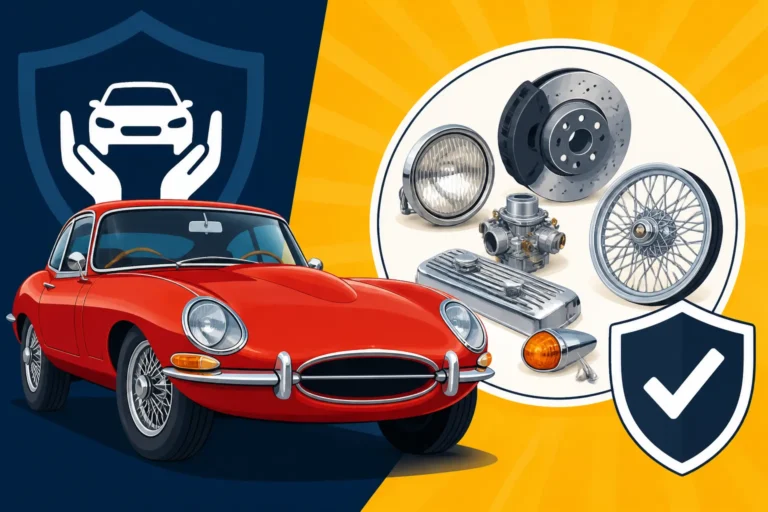
Many classic car owners accumulate a stash of rare, original, or NOS (New Old Stock) parts, often worth a considerable sum on their own. Similarly, specialized tools used for classic car maintenance and restoration can be expensive to replace. Standard home insurance policies might offer limited coverage, but usually not enough to truly protect a significant collection of classic car parts or tools. Specialty insurers like Hagerty offer specific endorsements for Spare Parts Coverage Explained and even tools and equipment, ensuring these valuable items are protected against theft, fire, or damage, whether they're stored in your garage or transported to an event. It's not uncommon for a single rare part to be worth thousands, making this coverage a wise investment.
Roadside Assistance and Trip Interruption
Breaking down in a classic car is part of the experience for many, but it doesn't have to be a nightmare, especially if you have the right roadside assistance.
Flatbed Towing for Delicate Classics
Unlike modern cars that can often be towed by conventional means, classic cars often require flatbed towing to prevent damage to their delicate suspensions, frames, or drivetrains. Many standard auto insurance roadside assistance programs don't guarantee flatbed service, leaving you to haggle with tow truck operators or risk damage to your prized possession. Specialty classic car policies, however, almost always include Roadside Assistance Coverage for Classic Cars Explained that guarantees flatbed towing, ensuring your car is transported safely to your chosen repair shop or home. This is a small detail that can make a huge difference in a stressful situation.
Trip Interruption Benefits
If you're embarking on a long-distance tour or rally in your classic, trip interruption coverage can be a lifesaver. If your car breaks down a significant distance from home and needs extensive repairs, this coverage can help reimburse you for lodging, food, and alternative transportation (like a rental car or flight) while your classic is being fixed. It helps turn a potentially costly and frustrating ordeal into a manageable inconvenience, allowing you to enjoy your classic car adventures with more confidence.
Inflation Guard and Automobilia Coverage
The world of classic cars is dynamic, with values often appreciating. Your insurance should keep pace.
Protecting Against Rising Values with Inflation Guard
The market for classic cars can be unpredictable, with values sometimes rising faster than you might anticipate. Inflation Guard Coverage for Classic Cars Explained is a fantastic feature offered by many specialty insurers that automatically adjusts your car's agreed value upward by a certain percentage (e.g., 2%, 4%, or 5%) at each renewal, without requiring a new appraisal. This helps prevent your policy from falling behind the market and ensures that if your car's value has quietly climbed, you're still adequately covered for its current worth. It's a proactive way to protect your investment from being underinsured over time.
Insuring Your Collection of Automobilia
Many classic car enthusiasts don't just collect cars; they also collect automobilia—vintage signs, scale models, racing memorabilia, historical documents, and other car-related artifacts. These collections can be incredibly valuable, both monetarily and sentimentally. While your homeowner's policy might offer some coverage, it often has low limits for specialty items. Some classic car insurers offer specific endorsements to cover automobilia and related collections, protecting them against theft, damage, or fire. This ensures that every aspect of your automotive passion is safeguarded.
Tailoring Your Policy: Finding the Right Balance
Choosing the best coverage types for a classic car isn't a one-size-fits-all situation. It truly depends on how you use your car, where it's stored, and your personal risk tolerance. The key is to find an insurer who understands the unique nuances of classic car ownership and offers flexible options to meet your specific needs.
Assessing Your Usage and Storage
The way you use and store your classic car significantly impacts the type and amount of coverage you'll need. A trailer queen that only sees the light of day for a few car shows a year will have different requirements than a driver that's regularly taken out for weekend cruises or even a restomod that occasionally sees track days.
Mileage and Usage Restrictions
Most classic car policies come with mileage limitations, often ranging from 1,000 to 5,000 miles per year, reflecting the "pleasure use" nature of these vehicles. Be honest about your anticipated mileage when getting a quote. If you plan to put more miles on your classic, some insurers offer higher mileage tiers or even unlimited mileage options, though these will typically come at a higher premium. It's essential to understand these restrictions, as exceeding them could jeopardize a claim. Conversely, if your car rarely leaves the garage, you might qualify for even lower premiums. This also ties into policies for Daily Driver Requirement for Classic Car Insurance.
Secure Storage Requirements
Almost all specialty classic car insurers require that your vehicle be stored in a secure, enclosed, and locked facility, such as a private garage or a professional storage unit. This is a fundamental requirement because it significantly reduces the risk of theft and vandalism, which contributes to the lower premiums often associated with classic car insurance. Parking your classic in a carport or on the street, even occasionally, might violate your policy terms and could lead to issues if you need to file a claim. You might also want to explore How Storage Affects Classic Car Eligibility for more details.
Working with Specialty Insurers
When insuring a classic, traditional insurance companies often fall short. Their systems are simply not built for the nuances of collector vehicles. This is where specialty insurers shine.
Expertise in Classic Car Valuation
Specialty insurers live and breathe classic cars. They have a deep understanding of the market, the factors that drive value, and access to appraisal resources that standard insurers don't. This expertise is crucial for accurately determining and agreeing upon your car's value, which is the foundation of a reliable policy. They often employ staff who are classic car enthusiasts themselves, leading to a much smoother and more understanding claims process. When considering your options, it's worth learning about How to Choose Classic Car Insurance from a dedicated provider.
Tailored Policy Options and Add-ons
Unlike the rigid structures of general auto insurance, specialty providers offer a wide array of customizable coverages and endorsements, many of which we've discussed. This allows you to build a policy that precisely fits your classic car and your lifestyle, ensuring you're not paying for coverage you don't need, but more importantly, that you're not missing crucial protections. Companies like Hagerty, Grundy, and American Collectors are well-regarded for their ability to tailor policies to individual collector needs. For example, some might offer specific coverage for show and event use, while others might focus more on touring or even track use for performance classics. Comparing these options is key to ensuring you're properly covered. You can learn more by understanding How to Compare Classic Car Insurance Quotes.
Reviewing and Adjusting Your Coverage
Your classic car's value and your circumstances can change, so your insurance policy shouldn't be set in stone.
Annual Policy Review
It's a good practice to review your classic car insurance policy annually. Take this opportunity to reassess your car's agreed value. Has the market for your particular make and model gone up? Have you completed a significant part of a restoration that has increased its worth? Have you added valuable modifications? Providing your insurer with updated appraisals, detailed restoration logs, or recent sales data for comparable vehicles can help ensure your agreed value remains accurate. This is crucial for protecting your investment in the long term. You might find it helpful to understand How Agreed Value Is Determined to prepare for this review.
Adjusting for Life Changes and Vehicle Updates
Life happens, and so do changes to your vehicle. If you move to a new location, change your storage arrangements, or modify your classic in a way that impacts its value or risk profile, inform your insurer. Similarly, if you add another classic to your collection, or sell one, you'll need to update your policy. Staying in regular communication with your classic car insurance provider ensures that your coverage always aligns with your current situation and your vehicle's evolving status, preventing any unwelcome surprises should you ever need to file a claim.
Comparative Table of Classic Car Coverage Types
To give you a quick overview, here's a table summarizing the key coverage types and why they're important for classic car owners:
| Coverage Type | What It Covers | Why It's Crucial for Classics |
|---|---|---|
| Agreed Value | Insurer pays a pre-agreed amount in case of total loss. | Protects true collector value, not depreciated Actual Cash Value. |
| Comprehensive | Damage from fire, theft, vandalism, natural disasters, falling objects. | High risk for stored or show cars; protects against non-driving incidents. |
| Collision | Damage to your classic from accidents with other vehicles or objects. | Essential for driving; covers costly, specialized repairs for unique vehicles. |
| Bodily Injury Liability | Medical expenses, lost wages, and pain & suffering for others you injure. | Legal requirement; protects personal assets from high injury claims. |
| Property Damage Liability | Damage to another's property (vehicle, fence, building) you cause. | Legal requirement; covers costs of damaging other vehicles or property. |
| Restoration Coverage | Incremental value and parts during restoration; covers vehicle mid-project. | Protects investment as value increases; covers vulnerable project cars and uninstalled parts. |
| Spare Parts Coverage | Theft/damage to uninstalled parts, rare components, or collectibles. | Many classic parts are rare and expensive; home policies often have low limits. |
| Roadside Assistance (Flatbed) | Towing and assistance, specifically flatbed for classics. | Prevents damage during towing; ensures safe transport of delicate vehicles. |
| Trip Interruption | Lodging, food, alternative transport if breakdown far from home. | Essential for tours and rallies; reduces financial burden of long-distance breakdowns. |
| Inflation Guard | Automatically increases agreed value by a percentage at renewal. | Protects against rising market values; prevents underinsurance over time. |
Disclaimer
Please remember that insurance policies can vary greatly depending on the provider, your state of residence, and the specific terms and conditions of your individual policy. This information is intended for general guidance only and should not be considered legal or financial advice. Always consult with a qualified insurance professional to discuss your specific needs and obtain personalized recommendations for your classic car.