How Much Does Replica Car Insurance Cost
If you've ever dreamt of owning a classic car but found the prices of original specimens a bit out of reach, a replica might have caught your eye. But then the questions start: "How do I even insure this unique vehicle?" and more pressingly, "How much does replica car insurance cost?" It's a valid concern because insuring a car that isn't quite original, but definitely not a modern daily driver, can feel like navigating a maze. This guide is here to break down the specific factors that influence the cost of insuring your cherished replica, helping you understand what to expect.
Understanding What Defines a Replica Car for Insurance
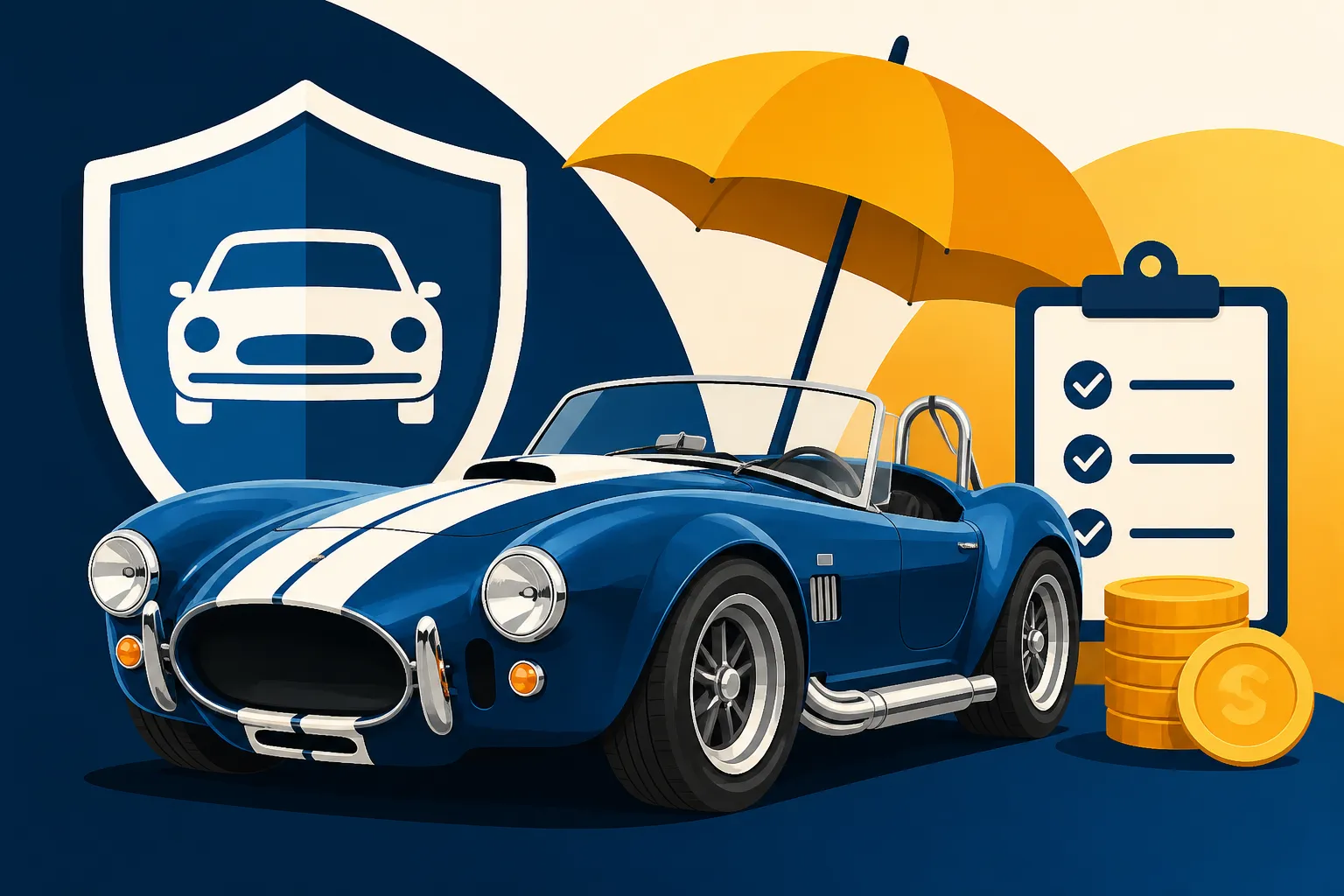
Before we can even talk about dollars and cents, it's crucial to understand how insurance companies view a "replica car." Unlike a standard production vehicle, a replica is typically a car built to resemble another, often much more expensive or iconic, vehicle. We're not talking about a body kit on a Honda Civic here; these are usually purpose-built vehicles, sometimes even using a dedicated chassis and powertrain, designed to replicate a classic like a Shelby Cobra, a Porsche 356, or even an old Ferrari.
Kit Cars vs. Factory-Built Replicas
The term "replica" can cover a wide spectrum, and where your vehicle falls on that spectrum directly impacts how insurers approach its coverage and, by extension, its cost.
Kit cars are often assembled by individuals from a collection of parts, which might include a custom frame, fiberglass body panels, and a donor engine and transmission from another manufacturer. Think of the classic fiberglass Cobra replicas built on Ford Mustang components. These cars represent a significant investment in time, skill, and money from the builder. The quality of the build, the provenance of the donor components, and the overall fit and finish can vary wildly. Insurance providers will look closely at the documentation of the build process, the sourcing of parts, and the professional appraisal of the finished product. A meticulously built kit car with a strong paper trail is generally viewed more favorably than a hastily assembled one. The journey of insuring a car under restoration can be complex, and a replica's initial build phase often mirrors this.
On the other hand, some replicas are produced by specialist manufacturers. These companies, like Superformance or Factory Five Racing, build high-quality, often turn-key, replicas that meet rigorous standards. These vehicles typically come with proper documentation, serial numbers, and sometimes even warranties, which can make them easier and often more affordable to insure than their purely "kit car" counterparts. The consistency in manufacturing and the proven safety features tend to reduce perceived risk for insurers. This is similar to how a more straightforward build might simplify the process of understanding Modified Car Insurance Eligibility.
Valuation Challenges for Replicas
One of the biggest hurdles with replica car insurance, and a primary driver of its cost, is establishing its true value. Unlike a production car with a clear market value, or even a true classic with historical sales data, a replica's value is subjective. It's not just the sum of its parts; it's also the quality of the build, the engine performance, the rarity of the specific replica model, and the overall condition.
For insurance purposes, the "agreed value" policy is almost always the gold standard for replicas. This means you and the insurance company agree on the vehicle's value upfront, and in the event of a total loss, that's the amount you'll be paid. This is a critical distinction from "actual cash value" or "stated value" policies often found with regular car insurance, which can leave you significantly underpaid. To determine this agreed value, you'll likely need a professional appraisal, detailed photos, and documentation of all parts and labor invested. This process is crucial because it directly influences your premium. You can learn more about this by reading our detailed guide on How Agreed Value Affects Premiums.
Key Factors Influencing Replica Car Insurance Costs
The cost of insuring a replica car isn't a one-size-fits-all number. It's a unique calculation based on a combination of the car's characteristics, your driving habits, and how you plan to use and store the vehicle. Understanding these factors will help you get a clearer picture of potential expenses.
Vehicle Characteristics and Build Quality
The specifics of your replica car play a monumental role in determining your insurance premium. It’s not just about what it replicates, but how it replicates it.
- Make and Model of the Replica: A replica of a highly sought-after, expensive classic like a Ferrari 250 GTO will likely command a higher premium than a replica of a more common muscle car, even if the build quality is similar. This is partly due to the perception of the original's value, which can sometimes influence the perceived value and desirability of the replica. Also, some replicas are inherently more complex or powerful, leading to higher repair costs and greater risk.
- Engine and Drivetrain: Is it a modern crate engine with reliable performance or a period-correct, highly tuned original block? The power output and type of engine (V8, V12, etc.) can significantly affect rates due to higher performance potential and potentially higher repair costs if specialized parts are needed. A replica with a powerful, modern LS engine, for instance, might be seen differently than one with a milder, rebuilt Ford 302.
- Quality of Materials and Workmanship: As mentioned, the difference between a top-tier build and a backyard project is vast. Insurers like Hagerty will assess the overall quality, attention to detail, and professional finish. High-quality paint, interior, and professional assembly indicate a well-cared-for vehicle, reducing risk. A meticulously crafted replica, perhaps even built by a well-known shop, will often have a higher agreed value and may even qualify for slightly better rates due to its robust construction.
- Safety Features: While many replicas are designed for authenticity, some incorporate modern safety features like upgraded brakes, reinforced chassis, or even roll bars beyond the basic requirements. These can sometimes lead to minor discounts or at least prevent surcharges by mitigating risk.
Usage, Storage, and Driver Profile
Beyond the car itself, how you intend to use and care for your replica, as well as your own history as a driver, are critical elements in the insurance cost equation.
- Intended Use and Mileage: Replica car insurance, like most classic car insurance, is typically designed for "pleasure use" or "limited use." This means the vehicle is not your primary mode of transportation. Most policies come with strict mileage limits, often ranging from 2,500 to 5,000 miles per year. The lower your declared annual mileage, the lower your premium typically will be, as less time on the road means less exposure to risk. If you intend to use your replica more frequently, some specialized insurers might offer policies like Unlimited Mileage Classic Car Insurance Explained, but these will undoubtedly come at a higher cost.
- Storage Conditions: Where do you keep your precious replica? Insurers almost universally require a secure, enclosed, and locked garage for classic and replica vehicles. Storing it on the street, in a carport, or even in an unlocked shed significantly increases the risk of theft or damage and can make it difficult, if not impossible, to obtain coverage. A well-maintained garage with security features like alarms or surveillance can even lead to minor discounts. Our article on How Storage Affects Classic Car Eligibility delves into this more.
- Driver History and Experience: Your driving record is always a factor. A clean driving history with no recent accidents or major violations will result in lower premiums. Young or inexperienced drivers might face higher rates, or even be excluded from coverage on a specialty policy, as explained in Minimum Age for Classic Car Insurance Drivers. Additionally, having experience with high-performance or classic vehicles can sometimes be a positive factor for insurers.
- Location: Living in an area with high rates of car theft or vandalism, or a region prone to severe weather events (like hail storms or hurricanes), can lead to higher insurance costs. Urban areas generally have higher rates than rural ones. For example, Classic Car Insurance Cost in California will differ greatly from Classic Car Insurance Cost in Ohio due to various state-specific risks and regulations.
Coverage Options and Deductibles
The types and amounts of coverage you choose, alongside your deductible, directly impact the final premium. This is where you can truly customize your policy to balance protection and cost.
- Agreed Value Coverage: As discussed, this is paramount for replicas. While it typically costs more than actual cash value, it ensures you receive the agreed-upon amount if your car is totaled, reflecting its true worth. Without agreed value, you risk a significant financial loss if something happens to your unique build. The exact agreed value you set will be the largest single factor in your premium amount.
- Liability Coverage: This covers damage or injury you cause to others. State minimums are required, but higher limits are almost always recommended, especially with a unique vehicle that might attract attention. This is often the base layer, with options to increase limits.
- Comprehensive and Collision: These cover damage to your own vehicle from events like theft, fire, vandalism (comprehensive), or accidents (collision). For a replica, these are highly recommended to protect your significant investment.
- Optional Add-ons: Specialty insurers like Hagerty offer a range of specific coverages beneficial for replicas:
- Spare Parts Coverage: Many replica owners accumulate spare or original donor parts. This covers those parts if they are stolen or damaged.
- Roadside Assistance: Specialized towing (often flatbed) is crucial for replicas, as traditional hook-and-chain towing can damage them. This add-on ensures proper transport. You can find more information about this in Roadside Assistance Coverage for Classic Cars Explained.
- Restoration Coverage: If your replica is still being built or undergoing significant upgrades, this coverage protects the increasing value as more time and money are invested. Our guide on Restoration Coverage for Classic Cars covers this in detail.
- Inflation Guard: This endorsement automatically increases your agreed value by a small percentage each year to account for market appreciation, especially useful for well-built replicas whose values can rise over time.
Choosing a higher deductible will lower your premium, but means you pay more out-of-pocket if you need to file a claim. It’s a trade-off that requires careful consideration.
Typical Cost Ranges for Replica Car Insurance
So, what's the bottom line? While it's impossible to give an exact figure without specific details, we can provide some general ranges based on common replica types and values. Remember, these are estimates, and your individual quote will depend on all the factors discussed above.
Estimated Annual Premiums by Vehicle Value and Type
For many well-built replicas, especially those of popular models like Shelby Cobras, Porsche 356s, or even Ford GT40s, insurance costs often align with those of classic cars in similar value brackets. Specialty insurers are the way to go here, as traditional insurers often struggle to value and properly cover these unique vehicles.
Generally, you might expect annual premiums for replica cars to fall within these broad ranges:
| Replica Agreed Value Range | Estimated Annual Premium Range |
|---|---|
| $25,000 – $50,000 | $350 – $700 |
| $50,001 – $100,000 | $600 – $1,200 |
| $100,001 – $150,000 | $1,000 – $1,800 |
| $150,001 – $250,000+ | $1,500 – $3,000+ |
Please note: These ranges assume a clean driving record, secure garage storage, pleasure use with limited mileage, and comprehensive agreed value coverage from a specialty insurer. Premiums can be significantly higher or lower based on specific vehicle details, location, and chosen coverage options.
For instance, a Factory Five Racing Cobra replica with a 302 Ford engine, valued at $60,000, might fall into the $600-$900 range annually with a good driver and proper storage in a moderate-risk area. A meticulously crafted Superformance GT40 replica, valued at $150,000, could see premiums in the $1,500-$2,000 range. These examples are illustrative and designed to give you a sense of scale.
Why Specialty Insurers Are Essential for Replicas
You might be thinking, "Can't I just add my replica to my regular auto insurance policy?" The short answer is: you really shouldn't, and most standard insurers won't even offer appropriate coverage.
Specialty insurers, like Hagerty, American Collectors Insurance, or Grundy Insurance, understand the unique nature and value of collector and replica vehicles. They offer:
- Agreed Value Policies: This is non-negotiable for replicas. They get how to assess and insure a car that doesn't have a standard Kelley Blue Book value.
- Tailored Coverage: They provide endorsements specifically designed for collector vehicles, such as restoration coverage, spare parts coverage, and even coverage for automobilia.
- Knowledgeable Claims Process: In the unfortunate event of a claim, their adjusters are familiar with classic and replica car values and repair processes, ensuring a fair settlement based on the agreed value. This is a far cry from a standard insurer who might try to value your unique replica as a "modified production car" and pay out far less than it's worth.
- Flexible Usage: They understand that these cars are for enjoyment, shows, and cruises, not daily commutes, and structure their policies accordingly, often with lower premiums than regular insurance due to limited use.
Trying to insure a replica with a standard carrier can lead to insufficient coverage, disputes over valuation, and ultimately, financial loss if something goes wrong. Always seek out specialists when insuring these unique builds. Our article on Best Specialty Classic Car Insurers provides a great overview of these companies.
How to Get the Best Rate for Your Replica Car Insurance
Getting a great rate on replica car insurance isn't just about finding the cheapest option; it's about securing comprehensive coverage that truly protects your investment without breaking the bank. Here's how to approach it strategically.
Preparing for Your Quote
The more prepared you are, the smoother the quoting process will be, and the more accurate your potential premium will be.
- Gather Detailed Documentation: This is crucial. Have a comprehensive file on your replica, including:
- Proof of ownership/title.
- Build receipts: Every single receipt for parts, components, and professional labor. This demonstrates your investment.
- Build photos: A chronological photographic record of the build process, from chassis to completion.
- Professional appraisal: A recent appraisal from a qualified classic car appraiser is often required, especially for higher-value or custom builds. This helps establish the agreed value.
- Photos of the completed vehicle: High-quality, detailed photos of all angles, interior, engine bay, and trunk.
- Know Your Usage: Be honest about how many miles you expect to drive annually. This directly impacts your mileage tier. Are you just taking it to local shows and Sunday drives, or planning cross-country tours? Most policies allow between 2,500 and 5,000 miles per year for pleasure use.
- Detail Your Storage: Clearly describe your garage. Is it detached, attached, climate-controlled, alarmed? The more secure, the better. You can find more information about this in our guide on Storage Options Specialty Insurers Accept.
- Understand Your Driver History: Have your driving record handy. Insurers will check for accidents, tickets, and any other violations.
Comparing Quotes from Specialty Insurers
Once you have all your documentation, it's time to shop around, but only among the right providers.
- Focus on Specialty Carriers: As emphasized, stick to companies that specialize in classic and collector vehicles. Hagerty vs Grundy: Which Is Better is a common comparison, but also look into American Collectors Insurance, American Modern, J.C. Taylor, and Heacock Classic. Each might have slightly different underwriting criteria or niche focuses that could benefit your specific replica.
- Compare "Agreed Value" Offers: Don't just look at the premium. Compare the agreed value that each insurer is willing to offer. A cheaper premium might mean a lower agreed value, which isn't a saving if your car is totaled for less than it's worth. You want the highest reasonable agreed value for the most competitive premium.
- Scrutinize Coverage Details: Look beyond the big numbers. What are the deductibles for comprehensive and collision? What are the limits for spare parts or restoration coverage? Does it include flatbed towing? Read the fine print to ensure you're comparing apples to apples. Our article on How to Compare Classic Car Insurance Quotes offers a detailed checklist.
- Ask About Discounts: Don't be shy! Inquire about any available discounts. These might include multi-car discounts if you have other collector vehicles, car club membership discounts, or even discounts for advanced anti-theft devices.
- Consider an Agent: An independent insurance agent specializing in classic cars can be invaluable. They work with multiple specialty carriers and can often find you the best policy and rate without you having to individually contact each company. They understand the nuances of replica insurance and can advocate on your behalf.
By taking a diligent approach to both preparing for your quote and comparing offers, you can confidently insure your replica, knowing you're protected for its true value.
Disclaimer
Please remember that this article provides general information and estimates. Insurance costs and requirements can vary significantly based on your specific vehicle, location, driving record, chosen coverage, and the individual insurer. It is always recommended to obtain multiple quotes from reputable specialty classic car insurance providers and consult with an insurance professional to determine the best coverage for your unique situation.