Roadside Assistance Coverage for Classic Cars Explained
There’s nothing quite like hitting the open road in your classic car, feeling the rumble of that vintage engine, and turning heads as you cruise by. But let’s be honest, the thought of a breakdown can cast a dark shadow over even the sunniest drive. The immediate panic isn't just about being stranded; it's the terrifying prospect of your cherished classic, a piece of automotive history, being mishandled by a generic tow truck operator. This guide is here to unravel the complexities of roadside assistance for classic cars, helping you understand why specialized coverage isn't just a nice-to-have, but an absolute essential for peace of mind.
Why Standard Roadside Assistance Just Won't Cut It for Your Classic
Many classic car owners might think their regular auto insurance's roadside assistance is enough. After all, a tow is a tow, right? Unfortunately, when it comes to classic vehicles, this couldn't be further from the truth. The unique nature of these cars demands a completely different level of care and expertise, something most standard services simply aren't equipped to provide.
The Unique Vulnerabilities of Classic Vehicles
Your classic isn't just an old car; it's a meticulously preserved, restored, or original piece of automotive art. Its components are often irreplaceable, its paint delicate, and its undercarriage sensitive. Unlike modern vehicles with robust unibody construction and easily accessible tow points, classics often have specific lifting requirements and lower ground clearance. Imagine a typical tow truck driver, used to hauling modern sedans, attempting to hook up a pristine 1957 Chevrolet Bel Air with a standard chain. The potential for damage to the frame, bumpers, or even the delicate trim is incredibly high. These cars are built differently, with older materials and engineering that require a gentle, informed touch. It’s not just about the monetary value; it's about the hours you've poured into it, the memories it holds, and its irreplaceable historical significance.
The Risks of Generic Towing Services
The biggest gamble with standard roadside assistance is the lack of specialized equipment and trained personnel. Most mainstream providers dispatch whatever tow truck is closest and available. This often means a wheel-lift or hook-and-chain truck, both of which can cause significant damage to a classic. A wheel-lift might bend delicate suspension components or scrape low-slung exhaust systems. A hook-and-chain system, almost universally frowned upon for classics, can easily dent or warp bumpers, compromise frame integrity, and scratch irreplaceable paint. The operators themselves, while perfectly competent with modern vehicles, might not understand the nuances of a classic's weight distribution, fragile body panels, or unique jacking points. They might inadvertently stress a 60-year-old chassis or damage a show-quality paint job, turning a minor breakdown into a devastating incident. Finding a flatbed on the fly, especially in a rural area, through a generic service can be an exercise in frustration and wasted time, leaving your pride and joy exposed on the side of the road.
Understanding Classic Car Roadside Assistance Coverage
When you invest in a classic car, you're not just buying a vehicle; you're becoming a custodian of history. That's why your insurance needs to be just as specialized. Classic car roadside assistance isn't merely about getting a tow; it's about ensuring your vehicle receives the specific care it demands in an emergency.
What Specialized Programs Typically Include
The beauty of dedicated classic car roadside assistance, often offered by specialty insurers, is that it’s tailored to the unique needs of your vintage ride. At its core, this coverage prioritizes flatbed towing, which is paramount for preventing damage during transport. Unlike standard towing methods, a flatbed ensures your car is completely off the ground, eliminating stress on its drivetrain and suspension. But it doesn't stop there. These programs often include careful battery jump-starts, understanding that older electrical systems can be sensitive and require proper procedure. Fuel delivery services are also common, with an awareness that some classics might run on specific fuel types. Imagine needing a tire change on a vintage wire wheel – a generic service might not have the right tools or the delicate touch required. Specialized roadside assistance ensures the operator knows how to handle such situations. Furthermore, lockout services for classic doors, which can have finicky mechanisms, are also part of the package. These providers understand that preventing further issues is just as important as solving the immediate problem.
Key Differences from Standard Auto Policies
The distinction between standard auto insurance and classic car insurance, particularly regarding roadside assistance, is vast. With a conventional policy, your car is often covered at its actual cash value (ACV), which means depreciation is a factor. However, with a specialized policy, your classic is typically insured for an "agreed value," a pre-determined amount that you and your insurer agree upon. This means that if something were to go wrong during towing arranged by your classic policy, your valuable vehicle would be protected at its true market value, not some depreciated amount. This extends to damage incurred during the rescue itself, offering a level of protection unavailable through a generic policy.
Beyond valuation, classic policies come with a curated network of towing and service providers who are experienced in handling vintage vehicles. This isn't just any tow truck; it's often a professional who understands the nuances of securing a valuable classic, from proper tie-down techniques to avoiding sensitive undercarriage components. They might even know the specific challenges of your particular make and model. Furthermore, while regular roadside assistance might offer a basic tow distance, classic car policies, such as those provided by Hagerty, often offer more generous towing mileage limits, recognizing that you might be far from your preferred classic mechanic. This peace of mind, knowing that your car is in knowledgeable hands, is truly invaluable. Understanding these distinctions is crucial when you're exploring Classic Car Insurance vs Regular Insurance: What's Required.
The Indispensable Benefits of Specialized Towing
For classic car enthusiasts, a breakdown isn't just an inconvenience; it's a potential nightmare. Generic towing can turn a minor issue into significant damage. This is where specialized towing, particularly flatbed services, truly shine, offering unparalleled protection and peace of mind for your cherished vehicle.
Flatbed Towing: The Gold Standard for Classics
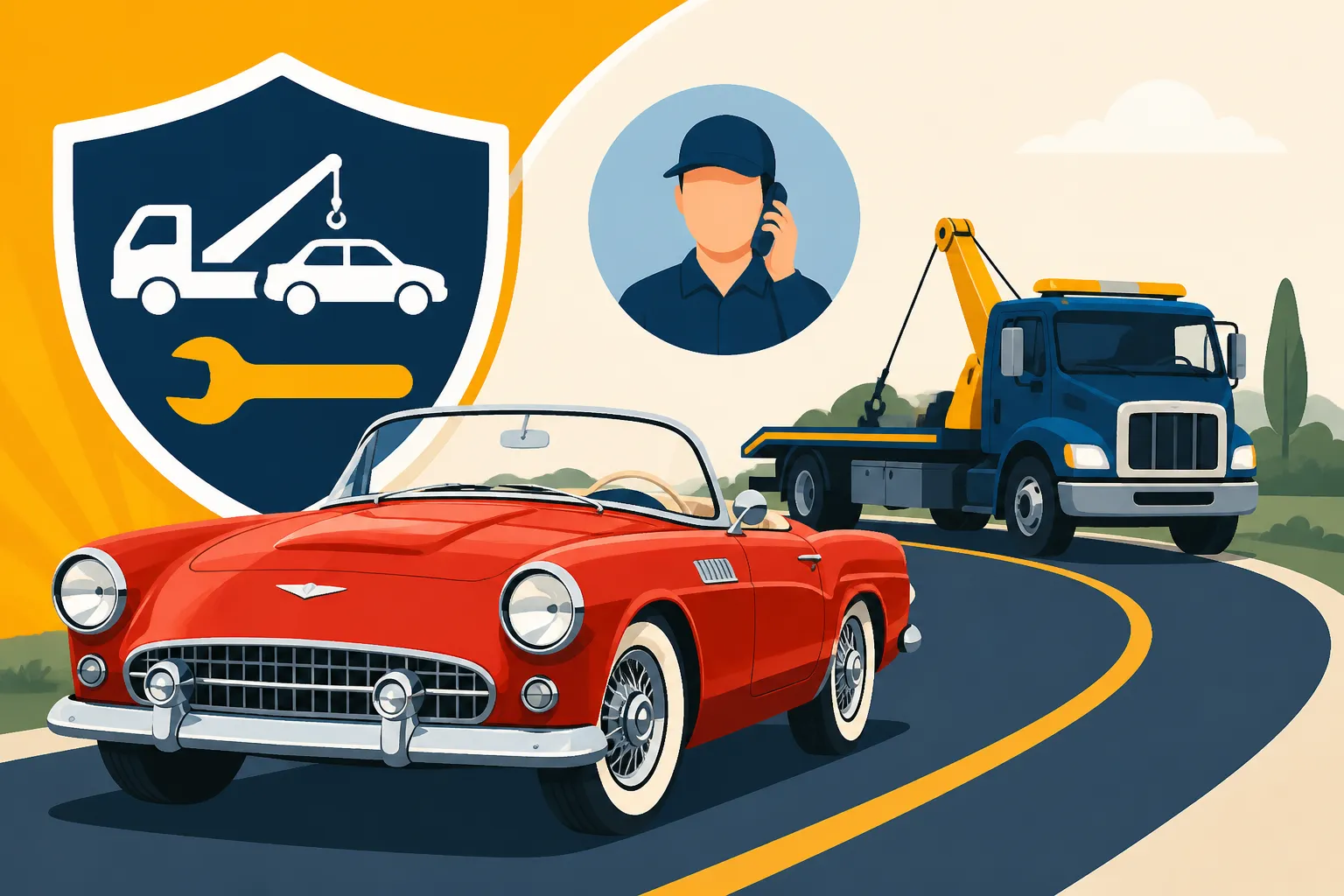
Flatbed towing is not just a preference for classic car owners; it's a necessity. When your vehicle is transported on a flatbed, all four wheels are completely off the ground. This eliminates any stress on the drivetrain, suspension, steering components, and especially the delicate undercarriage. Imagine a low-slung muscle car like a 1969 Camaro being dragged up a ramp or a vintage Porsche 356 with fragile suspension being pulled by its front wheels for an extended distance. The potential for bent axles, damaged transmissions, or scraped oil pans is immense.
With a flatbed, your classic is gently winched onto a stable platform, often with specialized straps that secure it by the tires rather than the frame or axles, preventing any undue pressure or scratching. A skilled operator will understand the best points to secure your specific vehicle, ensuring a safe and secure journey to its destination. This meticulous approach is why flatbed towing is truly the gold standard, protecting both the mechanical integrity and the pristine aesthetic of your classic. It's an investment in preventing further damage and preserving your car’s value, especially when you consider How Agreed Value is Determined for your policy.
Access to a Network of Vetted Professionals
One of the most significant advantages of classic car roadside assistance is gaining access to a pre-qualified network of towing and service professionals. These aren't just random tow truck drivers; they are often individuals and companies that have been specifically vetted for their experience with and understanding of classic, antique, and collector vehicles.
Think about it: if your 1965 Corvette breaks down, you don't want someone who typically hauls wrecked modern SUVs showing up. You want an operator who recognizes the car's value, understands its unique construction, and knows how to safely load and secure it without causing damage. Specialty insurers like Hagerty maintain extensive networks of these trusted providers. This means when you call for assistance, you're not just getting a tow; you're getting an expert who speaks the language of classic cars. They'll know not to use harsh chains on chrome bumpers, to be careful around delicate wiring, and to use the correct tie-down methods. This specialized care extends beyond just towing; some networks might even connect you with mobile mechanics skilled in vintage vehicle diagnostics, offering a quick fix that avoids a tow altogether. This curated service ensures that your precious vehicle is handled with the respect and expertise it deserves, minimizing stress and potential costs.
What to Look For When Choosing a Policy
Choosing the right classic car insurance policy means looking beyond just the premium. When it comes to roadside assistance, the details really matter. You want to be sure that when you need help, the coverage you have actually meets the unique demands of your classic vehicle.
Coverage Limits and Geographical Scope
Not all roadside assistance is created equal, especially for classics. One of the first things to scrutinize is the towing mileage limit. Some policies might offer a mere 50 miles, which could leave you stranded and incurring significant out-of-pocket expenses if you break down far from your trusted mechanic or home garage. Look for policies that offer generous mileage, ideally 100-200 miles or even unlimited towing within a certain range. This becomes particularly critical if you enjoy taking your classic on long road trips or to distant car shows.
Consider the geographical scope as well. Are you covered only within your state, or nationwide? What about if you travel into Canada or Mexico? Some high-end policies even offer international coverage. Beyond towing, investigate the limits on other services. How many gallons of fuel will they deliver? Is there a cap on the cost of a locksmith for a lockout? Are there limitations on the number of service calls you can make in a policy period? Understanding these nuances helps you evaluate the true value of the coverage. For example, some specialized plans detail Roadside and Towing for Flat-Bed Only Classics, explicitly stating the type of towing guaranteed.
Additional Perks and Considerations
The best classic car roadside assistance policies go above and beyond basic towing. Look for valuable add-ons that can turn a stressful situation into a manageable one. Trip Interruption Coverage for Classic Cars Explained is a fantastic example. If your classic breaks down hundreds of miles from home and requires an overnight repair, this coverage can help reimburse you for lodging, meals, and alternative transportation. This is a huge relief, especially for collectors who enjoy touring.
Another crucial perk is spare parts transport. If your specific classic requires a specialized part that's not readily available, some policies will arrange for that part to be delivered to your location or to the repair shop. This can save days of waiting and frustration. Also, consider any member-only benefits. Many classic car insurers, like Hagerty, offer their roadside assistance as part of a larger membership program, such as the Hagerty Drivers Club. These often include exclusive access to valuation tools, automotive events, and discounts on parts and services, adding significant value beyond just emergency help. Make sure to inquire about specific fuel types (e.g., if your classic runs on leaded fuel or a specific octane) and if they can accommodate those requests during fuel delivery. These seemingly small details can make a world of difference when you're out on the road.
Common Misconceptions and Real-World Scenarios
It’s easy to assume things when it comes to insurance, especially for something as unique as a classic car. Unfortunately, some common misconceptions about roadside assistance can leave classic car owners in a bind, potentially leading to costly damages or frustrating experiences. Let’s clear up some of those myths and walk through what a real-world breakdown might look like.
"My Regular Insurance Covers It" – Why That's Often Not True
This is perhaps the most dangerous misconception. Many classic car owners assume that because their daily driver's auto insurance policy includes roadside assistance, their classic is equally protected. The reality is starkly different. While a standard policy might offer a tow, it almost certainly won't guarantee a flatbed, which, as we’ve discussed, is non-negotiable for a classic. Furthermore, if damage occurs during a tow arranged by a generic provider, your standard insurer will likely treat your classic as just another old car, reimbursing you based on actual cash value (ACV), which is almost always far less than what your cherished vehicle is truly worth. This can be a devastating financial hit.
Even if your regular insurer does cover some form of roadside assistance, the quality of service providers might be a major gamble. They work with a broad network of towing companies, not necessarily those specializing in fragile, vintage vehicles. The operator arriving to assist might have no training in handling classics, potentially leading to incorrect lifting points, scratched paint, or damaged components. This is why specialized classic car insurance, which typically includes tailored roadside assistance, is crucial. It ensures that the value of your vehicle is protected under an Agreed Value Coverage for Classic Cars Explained policy, even during transit, and that it's handled by experts.
Navigating a Breakdown with Your Classic
Okay, so your beloved classic has decided to take an unscheduled break on the side of the road. Panic is a natural first reaction, but a clear head and a well-prepared plan will save the day. Here’s a real-world walkthrough:
First, prioritize safety. Get your car to the safest possible location, if you can, out of traffic. Turn on your hazard lights and place any safety triangles or flares you might carry (a good idea for any classic).
Next, contact your specialized classic car insurer immediately. Don't call a random towing company or rely on a non-specialist roadside service. Have your policy number and location ready. Clearly explain that you’re driving a classic vehicle and that you require a flatbed tow. Many dedicated services, like those found through Best Classic Car Insurance Companies, will understand this request instantly. They’ll dispatch a pre-vetted professional.
While you wait, document everything. Take photos of your car's condition before the tow, especially focusing on areas where the tow truck might interact with the vehicle (e.g., bumpers, undercarriage, wheels). This is crucial for any potential claims. When the tow truck arrives, communicate clearly with the operator. Reiterate that it's a classic, point out any specific lifting or tie-down points you know of, and politely observe the process. Most specialized operators will appreciate your involvement and care.
Finally, confirm the destination. Whether it’s your garage or a trusted classic car repair shop, ensure the operator knows exactly where to take it. Being prepared for a potential breakdown, rather than hoping it never happens, is a hallmark of a responsible classic car owner. Having your Classic Car Insurance Add-Ons and Endorsements handy helps, too.
Making the Most of Your Classic Car Roadside Assistance
Having specialized roadside assistance for your classic car is fantastic, but it's even better when you know how to leverage it fully. It's not just a reactive service; it's a proactive component of responsible classic car ownership.
Preparing Your Classic for the Road (and Potential Breakdown)
The best roadside assistance is the one you don't have to use. Proactive maintenance is paramount for classic car reliability. Before any drive, especially a longer one, perform a thorough pre-trip inspection. Check fluid levels (oil, coolant, brake fluid), tire pressure and condition, battery charge, and all lights. Classic car tires can be particularly susceptible to age and dry rot, so even if they have good tread, check their date codes. Keeping your classic well-maintained significantly reduces the likelihood of a breakdown.
Beyond maintenance, equip your classic with an emergency kit tailored for its era. This might include period-correct tools (wrenches, screwdrivers, a test light), a fire extinguisher, jumper cables (making sure they're compatible with your classic's electrical system), and extra fuses. Always carry a fully charged cell phone and a portable charger. Crucially, have your insurance details readily accessible – ideally, a physical card in the glove box, along with the dedicated roadside assistance contact number. Knowing the specifics of your policy, such as your towing mileage limits and what services are included, empowers you to make informed decisions if a breakdown occurs. This preparation is part of what it means to truly understand How to Buy Classic Car Insurance.
The Role of Membership and Community
Many specialized classic car insurance providers, like Hagerty, integrate their roadside assistance into a broader membership program. These programs often come with a host of additional benefits that enhance your overall classic car experience. For instance, the Hagerty Drivers Club doesn't just offer flatbed roadside assistance; it also provides access to valuation tools, discounts on parts and services, exclusive invitations to automotive events, and even a subscription to a classic car magazine. These perks foster a sense of community and provide ongoing resources that are invaluable to collectors.
Beyond insurance-related memberships, consider joining local or national classic car clubs specific to your vehicle's make or model. These communities are treasure troves of knowledge. Members often share tips on reputable mechanics, sources for obscure parts, and even offer informal assistance to fellow members experiencing roadside issues. Imagine breaking down and having a fellow club member nearby who knows exactly what part might be failing in your vintage Ford Mustang. The collective experience and camaraderie found within the classic car community can be a powerful complement to your formal roadside assistance coverage, providing both practical help and moral support when you need it most. And remember, understanding your Classic Car Insurance Eligibility Requirements is the first step to accessing these benefits.
Disclaimer
Please note that this content is for informational purposes only and does not constitute professional insurance advice. Insurance policies vary widely, and it is essential to consult with a licensed insurance professional to discuss your specific needs and obtain accurate quotes. Always read your policy documents carefully to understand your coverage, exclusions, and limitations.