How to Audit Your Classic Car Premium
Ever stared at your classic car insurance bill and thought, "Wait, why is it this much?" or "Did it just go up?" You're not alone. It's easy to feel a bit in the dark when it comes to understanding how your premium is calculated, and even easier to wonder if you're truly getting the best deal. This guide is all about empowering you to dissect your classic car insurance premium, understand what drives those numbers, and confidently ensure you're getting the right coverage at a fair price.
The Shifting Sands of Classic Car Insurance Premiums
It's common to feel a disconnect between what you paid last year and what your renewal notice shows. Premiums aren't static; they're dynamic, influenced by a multitude of factors that can change annually or even mid-policy. Understanding this ebb and flow is the first step in auditing your classic car insurance effectively.
Understanding Annual Fluctuations in Cost
Classic car premiums, while often more affordable than standard car insurance, aren't immune to changes. You might notice slight increases from year to year, or sometimes, a more significant jump that catches you off guard. A major factor here is inflation, which can affect the cost of parts, labor, and even the agreed value of your cherished vehicle. Just like the value of your classic might appreciate, so can the cost to repair or replace it. This means insurers might adjust rates to reflect the current economic climate and the rising costs of restoration and sourcing rare components.
Beyond general economic trends, the market value of your specific classic car can also fluctuate. If your particular model, say a 1965 Mustang, has seen a surge in collector demand and sale prices, its agreed value might be adjusted upwards at renewal, which can, in turn, affect your premium. Specialty insurers, like Hagerty, are constantly monitoring market trends to provide accurate valuations, so their premium adjustments often reflect these real-world changes.
The Impact of Policy Changes and Renewals
A key reason your premium might shift is due to changes, either subtle or significant, in your policy details. Did you add a new driver to your household? Perhaps your teenage son or daughter just got their license, and while they might not be driving the classic, their presence in the household can sometimes influence overall risk factors, especially for a standard auto policy that might be bundled. Even changes in your primary residence, a new garage setup, or updates to your driving record (good or bad!) can play a role.
At renewal, insurers review all your policy's terms. They look at your claims history, driving record, and any updates you've provided about your vehicle or its storage. If you've made significant modifications to your classic, or completed a major restoration that substantially increased its value, and haven't updated your insurer, the renewal might reflect a new, often higher, agreed value. Conversely, if you've added new security features to your garage or joined a recognized classic car club, you might be eligible for new discounts that could actually lower your premium, which is why a proactive audit is so important.
Decoding the Factors That Drive Your Classic Car Insurance Cost
To truly audit your classic car premium, you need to understand the individual puzzle pieces that an insurer puts together to form your quote. It's not just a flat rate; it's a careful calculation based on several key elements.
Vehicle Specifics and Agreed Value
The star of the show, your classic car itself, is the primary factor. Its make, model, year, and overall condition play a huge role. A rare, concours-condition Ferrari will naturally command a higher premium than a well-maintained but more common vintage sedan. This is largely due to the "Agreed Value" – the amount you and your insurer agree upon as the vehicle's true worth in the event of a total loss. This is distinctly different from "Actual Cash Value" which often devalues a classic unfairly. Understanding How Agreed Value is Determined is crucial.
If your classic has undergone a meticulous restoration, its value might have significantly increased. It’s vital to communicate these enhancements to your insurer. Specialty insurers often have specific requirements, like an Appraisal Requirements for Classic Car Insurance, to accurately assess and assign an agreed value. Without an up-to-date appraisal, you could be underinsured, leaving you financially vulnerable if something happens. Conversely, if your car's market value has plateaued or slightly declined, you might find an opportunity to adjust your agreed value downwards, potentially lowering your premium. It's worth considering how to update your classic car's agreed value over time to ensure accuracy.
Usage, Storage, and Mileage Restrictions
Classic car insurance isn't designed for daily commuting; it's tailored for enthusiast use, which typically means limited driving. The insurer assumes you're not putting thousands of miles on it each year. This "pleasure-use" or "limited-use" stipulation is a cornerstone of classic car policies and contributes significantly to their lower cost. Make sure you understand the Pleasure-Use Requirement Explained.
Most policies come with Classic Car Insurance Mileage Limits by State, often ranging from 2,500 to 7,500 miles annually. If you find yourself driving your classic more than you initially anticipated, perhaps taking it on longer tours or more frequent drives, your current mileage tier might not be appropriate. You might need to adjust your coverage to a higher mileage tier or even consider a policy designed for a Classic Car Insurance for a Daily Driver, though this will almost certainly increase your premium.
Storage is another huge factor. Insurers typically require classics to be stored in a secure, enclosed, and locked garage when not in use. This greatly reduces the risk of theft and damage from elements. If your storage situation has changed – for example, you moved from a dedicated garage to a carport, or your vehicle is now parked outside – you absolutely need to inform your insurer. This could affect your eligibility or premium, as open-air storage poses a higher risk. You can learn more about the Garage Storage Requirement for Classic Cars.
Driver Profile and Policy Details
Your personal driving history, along with that of any other licensed drivers in your household, plays a role. A clean driving record with no accidents or moving violations will almost always result in a lower premium. Insurers assess risk, and responsible drivers are lower risk. The Minimum Age for Classic Car Insurance Drivers can also be a factor, as younger drivers generally represent a higher risk category.
Beyond your driving history, the specific coverage options you choose directly impact your premium. Are you carrying comprehensive and collision coverage, or just liability? What deductible have you selected? Higher deductibles generally lead to lower premiums, but mean more out-of-pocket expense if you have a claim. Add-ons like roadside assistance, spare parts coverage, or inflation guard coverage also contribute to the overall cost. While these can be invaluable for a classic car owner, they do add to your bill. Take a moment to review the array of Classic Car Insurance Add-Ons and Endorsements you might have.
Your Step-by-Step Guide to Auditing Your Premium
Now that we know why premiums change and what factors influence them, let's get down to the nitty-gritty of how you can actively audit your own classic car insurance premium. This isn't just about saving money; it's about ensuring your prized possession is properly protected without overpaying.
Reviewing Your Current Policy Documents
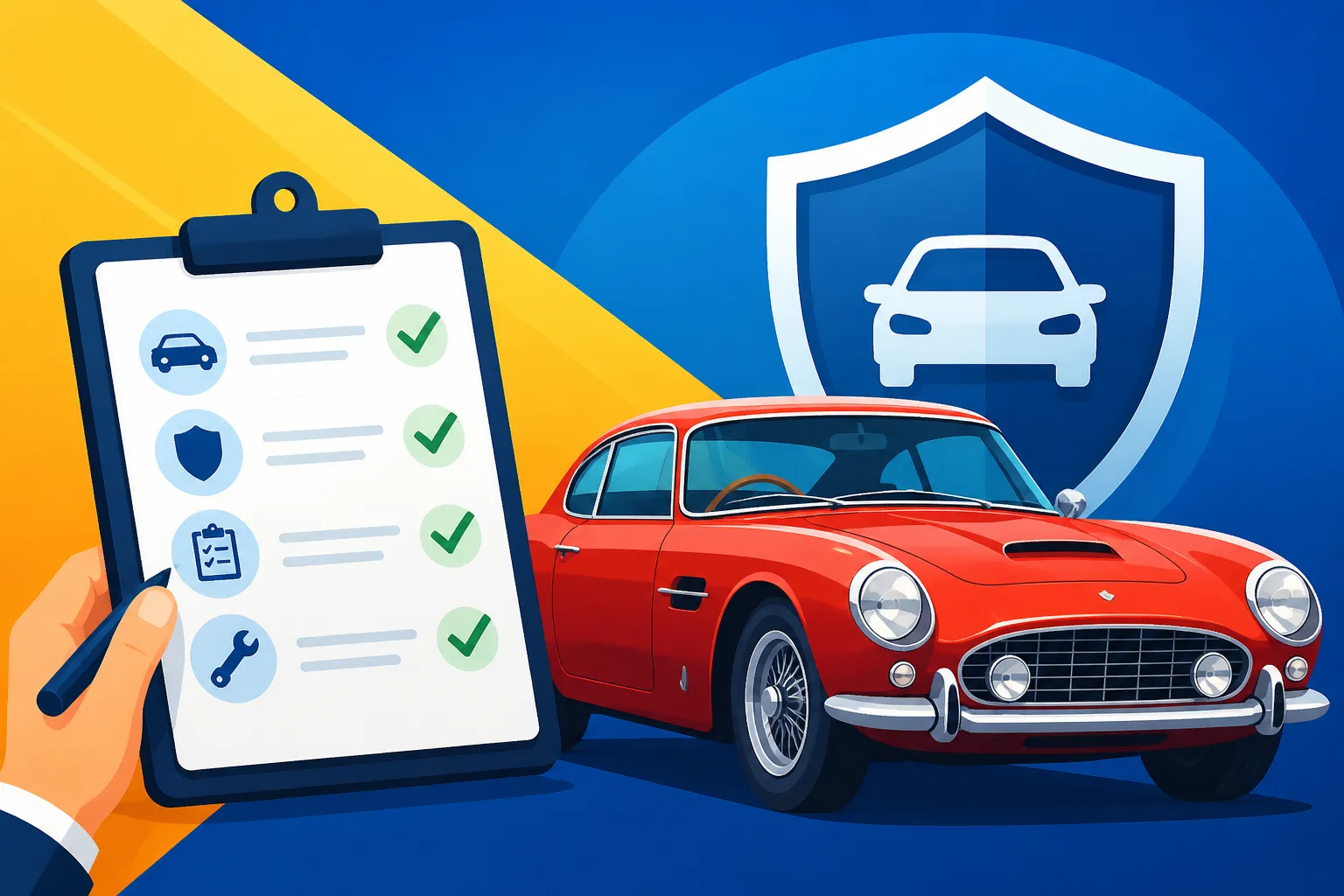
The first step in any audit is to gather your paperwork. Pull out your current policy declarations page, your latest billing statement, and if you have it, the policy documents from previous years. Don't let the jargon intimidate you. Focus on these key areas:
- Agreed Value: Is the stated agreed value still reflective of your car's current condition and market worth? If you've done significant work or the market has shifted, this number might be outdated.
- Coverage Limits: Check your liability limits, comprehensive, and collision coverage amounts. Do they still meet your needs?
- Deductibles: Note your deductible for comprehensive and collision claims.
- Mileage Restriction: What is your stated annual mileage limit? Have you been adhering to it?
- Storage Requirements: Does your policy specify a type of storage (e.g., "locked garage") and are you still meeting it?
- Listed Drivers: Who is listed as an insured driver? Has anyone been added or removed from your household since the last renewal?
- Discounts Applied: Look for any discounts mentioned. Are you still eligible for all of them?
It’s easy to skim these documents, but digging into the details can reveal discrepancies or opportunities.
Assessing Your Car's Current Value
Your car's agreed value is the bedrock of your classic insurance. It dictates how much you'll be paid in the event of a total loss, and it heavily influences your premium. If you haven't had your car appraised in a few years, or if you've invested significant time and money into restoration or upgrades, its value may have changed.
Consider getting an updated appraisal from a qualified, independent classic car appraiser. This professional assessment provides concrete evidence of your car's value, which you can then submit to your insurer. Companies like Hagerty also offer robust valuation tools online that can give you a strong estimate of your car's current market value, which is a great starting point even before an official appraisal. This process can help you understand if your current agreed value is appropriate, or if you should seek to increase it – or in some rare cases, decrease it – to better reflect its true worth. Remember, insuring your car for less than its actual value to save a few dollars can be a costly mistake in the long run.
Confirming Usage and Storage Compliance
This is where many collectors inadvertently run into issues or miss opportunities. Your classic car insurance premium is predicated on specific usage and storage patterns. If you've started using your classic more frequently than the "pleasure use" clause allows, or if your storage solution has changed, you need to address it.
For example, if you've recently retired and decided to take your classic on more extensive road trips, you might exceed your annual mileage limit. Or perhaps you've moved and your new home doesn't have an enclosed garage, forcing you to park your classic in a driveway or public storage facility. Any deviation from the terms you originally agreed upon could not only impact your premium but could also jeopardize a claim should an incident occur. Be honest with your insurer about your actual usage and storage conditions. It's always better to be upfront and adjust your policy than to face complications after an accident.
Identifying Potential Discounts and Add-ons
Classic car insurers, especially specialty providers, often offer a range of discounts that can significantly reduce your premium. Review your policy for these, and if you're not getting them, inquire why. Common discounts include:
- Multi-Vehicle Policy: If you have multiple collector cars, consolidating them under one Requirements for a Multi-Vehicle Collection Policy can often yield savings.
- Car Club Membership: Belonging to a recognized classic car club often qualifies you for a discount. Many insurers see club members as more responsible and engaged collectors.
- Anti-Theft Devices: Installing approved security systems, GPS trackers, or even a simple kill switch can lower your risk of theft and earn you a discount.
- Driving Record: Maintaining a spotless driving record is one of the best ways to keep your premiums low.
- Homeownership: Some insurers offer discounts to homeowners, reflecting perceived stability.
Conversely, also look at the add-ons you might have. Do you still need every single endorsement? While valuable, things like Spare Parts Coverage Explained or Trip Interruption Coverage for Classic Cars might be more or less relevant to your current needs. It’s about tailoring the policy to your current situation, not just setting and forgetting.
Taking Action: Negotiating and Shopping Around
After you've meticulously audited your current policy and understood all the moving parts, it's time to take action. This might involve a conversation with your current insurer, or it could mean exploring new options to find a better fit.
Communicating with Your Current Insurer
Don't underestimate the power of a direct conversation. Once you've completed your audit, call your current classic car insurance provider. Be prepared with your notes and questions. Ask about:
- Any potential discounts you might be missing.
- The reasoning behind any premium increases.
- Adjusting your agreed value based on a new appraisal.
- Changing your mileage tier if your usage has shifted.
- The impact of increasing your deductible.
- Removing any add-on coverages you no longer deem necessary.
A good customer service representative from a company like American Collectors Insurance or J.C. Taylor should be able to walk you through your policy, explain the costs, and offer solutions. They might be able to find new ways to save you money without compromising your coverage. It's often easier and more efficient to adjust an existing policy than to start from scratch, especially if you've been happy with their service.
Getting Comparative Quotes
Even if you're generally satisfied with your current insurer, it’s always a smart move to get comparative quotes from other reputable specialty providers. The classic car insurance market is competitive, and different companies might offer better rates or more tailored coverage for your specific vehicle and usage.
Companies like Grundy, American Modern, and Heacock Classic are all excellent options to consider alongside your current provider. Each company has its own underwriting guidelines and risk assessments, meaning a 1969 Camaro might be quoted differently by each. This is particularly useful if you're looking to compare options like Hagerty vs Grundy Cost Comparison to ensure you're getting the best value. When seeking new quotes, provide the exact same information you have for your current policy: agreed value, usage, storage, driver details, and desired coverage limits. This ensures you're comparing apples to apples. This process also gives you a fantastic opportunity to review the Best Classic Car Insurance Companies on the market.
Making an Informed Decision
Once you have all your information – your audited current policy and several comparative quotes – you can make a truly informed decision. Don't just pick the cheapest option. Look at the entire package:
- The Agreed Value: Is it accurate and acceptable to you?
- Coverage Inclusions: Does the policy offer all the necessary coverages (e.g., roadside assistance, restoration coverage if needed)?
- Exclusions: What isn't covered? Read the fine print carefully.
- Customer Service & Claims Process: Research reviews for claims handling. A low premium won't matter if your insurer is impossible to deal with after an incident.
- Reputation: Go with a company known for its expertise in classic cars.
By systematically auditing your classic car insurance premium, you move from feeling bewildered by your bill to being a confident, informed collector who knows they're getting the right protection at a fair price. It's an annual exercise worth doing for peace of mind and potentially significant savings.
Disclaimer
Please remember that insurance policies and requirements can vary widely by state, insurer, and individual circumstances. The information provided in this article is intended for general guidance only and does not constitute professional insurance advice. Always consult with a qualified insurance professional to discuss your specific needs and obtain accurate quotes and policy details.