What Coverage a Classic Motorcycle Actually Needs
It's a common dilemma for anyone who cherishes a vintage two-wheeled marvel: you’ve got this beautiful, iconic motorcycle that means the world to you, but trying to figure out how to insure it properly feels like navigating a backroad without a map. Standard insurance policies often miss the mark entirely, failing to recognize the unique value and care these machines require. This guide is dedicated to helping you understand exactly what coverage your classic motorcycle truly needs to protect your investment and passion.
Understanding the Unique Needs of Classic Motorcycle Insurance
Insuring a classic motorcycle isn't like insuring your modern daily rider. These bikes are more than just transportation; they're pieces of history, often meticulously restored or preserved, and their value often appreciates rather than depreciates. This fundamental difference means a "one-size-fits-all" policy from a mainstream insurer simply won't cut it.
Why Standard Motorcycle Policies Fall Short for Classics
When you look at a typical motorcycle insurance policy, it’s designed for a modern bike. This means a few things: depreciation is usually a factor in how they value your ride, coverage might be limited to standard perils, and there's often little understanding of the specialized parts or restoration costs involved. For instance, if your vintage Harley-Davidson or classic Honda CB is damaged, a standard policy might only offer you its "actual cash value" – essentially what it would cost to replace it with a similar modern used bike, which is a fraction of its true collectible worth. This can be incredibly frustrating, leaving you severely underinsured and out of pocket if something unfortunate happens. They don't grasp the emotional connection, the rarity of parts, or the sheer effort you've poured into keeping that machine pristine.
The Importance of Agreed Value Coverage for Motorcycles
This is arguably the single most critical aspect of classic motorcycle insurance. Unlike actual cash value (ACV) or stated value policies that can leave you scrambling for fair compensation after a total loss, Agreed Value Coverage Explained ensures that you and your insurer agree upon your bike's exact worth before the policy even starts. This figure is typically determined through a professional appraisal, market research, and your detailed documentation of the bike's condition, modifications, and any restoration work.
For a classic motorcycle, this agreed value is your safety net. If your beloved 1970 Triumph Bonneville, for example, is tragically stolen or totaled, you'll receive that pre-determined amount, no questions asked, minus your deductible. This peace of mind is invaluable, especially when you consider how difficult it can be to replace rare parts or the craftsmanship involved in a proper restoration. It means you won't be fighting an uphill battle with an adjuster who doesn't understand why a specific vintage carburetor or an original paint job adds thousands to the bike's worth.
Essential Coverage Types for Your Classic Motorcycle
Beyond the crucial agreed value, classic motorcycle policies offer a suite of coverages designed to address the specific risks and needs of these special machines. It’s about building a robust shield around your passion.
Comprehensive and Collision Coverage Tailored for Classics
Just like with cars, comprehensive and collision coverages are vital. For a classic motorcycle, these protect against a wide array of potential damages, but with an important distinction: they typically pay out based on your agreed value.
- Comprehensive Coverage for Classics: This is your protection against non-collision incidents. Think of it: if your pride and joy is parked safely in the garage and a pipe bursts, causing water damage, or if there's a fire, or even if it's stolen, comprehensive coverage steps in. It also covers things like vandalism, falling objects, and damage from animals. Given the rarity and often open nature of classic bikes, theft is a significant concern, so having robust comprehensive coverage that truly reflects your bike's value is non-negotiable.
- Collision Coverage for Classics: Should your classic motorcycle be involved in an accident with another vehicle or object, collision coverage covers the repair or replacement costs. This is where the agreed value truly shines. If your vintage Indian Scout suffers significant damage in a fender bender, the policy will cover the specialized repairs and parts needed to restore it to its agreed-upon condition, rather than simply writing it off based on a depreciated value.
Liability Protection and Uninsured Motorist Coverage
Even if you only ride your classic motorcycle occasionally, liability insurance is a legal requirement in almost every state. More importantly, it's essential financial protection.
- Liability Coverage: This protects you financially if you're at fault in an accident that causes bodily injury or property damage to others. While you might drive your classic bike more carefully, accidents happen. Without adequate liability coverage, your personal assets could be at risk. Most classic motorcycle policies offer various levels of Classic Car Liability Requirements by State, allowing you to choose protection that aligns with your assets and risk tolerance. It's not just about meeting the minimum; it's about safeguarding your future.
- Uninsured/Underinsured Motorist (UM/UIM) Coverage: This is another critical layer of protection. Sadly, not everyone on the road carries adequate insurance. If an uninsured or underinsured driver causes an accident that injures you or damages your classic motorcycle, UM/UIM coverage can help cover your medical expenses and the cost of repairing your bike. Considering the unique challenges of repairing a classic and the potential for severe injuries on a motorcycle, this coverage is highly recommended.
Specialized Add-ons: Restoration, Spare Parts, and Roadside Assistance
Beyond the core coverages, specialty classic motorcycle insurance truly distinguishes itself with unique endorsements that cater directly to the collector's lifestyle.
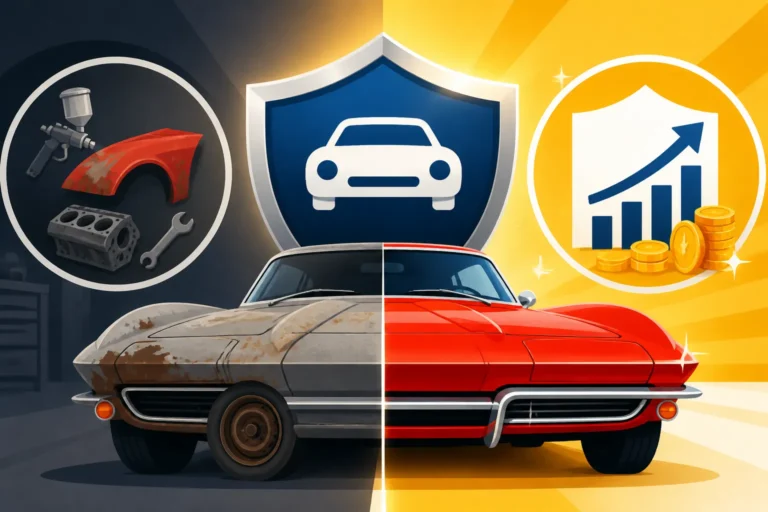
- Restoration Coverage: If you're in the midst of bringing a forgotten beauty back to life, Restoration Coverage for Classic Cars is a game-changer. It allows you to adjust your bike's agreed value as its restoration progresses and its value increases. Imagine pouring thousands of dollars into a full frame-off restoration of a 1970s Kawasaki Z1. Standard policies wouldn't track this escalating value, leaving you seriously underinsured if something happened midway through the project. Specialty insurers like Hagerty understand that the value of a project bike grows with every hour and every new part, offering flexible coverage that reflects your ongoing investment.
- Spare Parts Coverage: Most classic vehicle owners accumulate spare parts – often rare, expensive, and critical to their collection. Spare Parts Coverage Explained protects these valuable components, whether they're still in boxes or waiting to be installed. A new-old-stock (NOS) carburetor for a vintage Ducati or an original chrome exhaust system for a Honda K0 can be worth a small fortune. This add-on ensures that these valuable assets are protected even when not attached to the bike.
- Roadside Assistance and Trip Interruption: Breaking down on the side of the road is never fun, but it’s particularly stressful with a classic motorcycle. These bikes often require flatbed towing to prevent further damage, something not always guaranteed with standard roadside assistance. Specialty classic policies typically offer Roadside Assistance Coverage for Classic Cars that specifically includes flatbed towing for your vintage machine, ensuring it gets to a trusted mechanic safely. Additionally, some policies offer trip interruption coverage, which can cover expenses like lodging and meals if your bike breaks down far from home during a classic rally or tour.
Factors Influencing Your Classic Motorcycle Coverage Choices
Choosing the right coverage isn't just about what's available; it's also about understanding how your specific situation and your motorcycle's characteristics will shape your policy.
How Usage and Storage Impact Your Policy
Insurance companies assess risk, and for classic motorcycles, how you use and store your bike significantly impacts your eligibility and rates.
- Limited Use and Pleasure Driving: Most classic motorcycle policies are built on the premise that your bike isn't a daily commuter. Insurers expect these machines to be used for pleasure rides, club events, car shows, or parades. This limited usage is a major reason why classic insurance can be more affordable than standard coverage. Policies often have Classic Car Insurance Mileage Limits by State, ranging from 1,000 to 5,000 miles annually, or sometimes even unlimited mileage options for those who want more freedom, though this can affect the premium. Being honest about your intended use is key.
- Secure Storage Requirements: Where your classic motorcycle sleeps matters a great deal to insurers. Most specialty classic insurers, including many policies offered through Hagerty, require that your bike be stored in a secure, enclosed, and locked structure – typically a private garage or a professional storage facility. This significantly reduces the risk of theft and vandalism. Parking your valuable classic bike outside or in an open carport might disqualify you from specialty coverage, or at the very least, lead to higher premiums. The idea is to protect these treasured vehicles from the elements and opportunistic thieves. You might also want to look into specific Storage Options Specialty Insurers Accept.
The Role of Appraisals and Valuation in Insuring Your Bike
Getting your classic motorcycle properly valued is a cornerstone of smart classic insurance. Without an accurate valuation, you risk underinsuring your prize possession.
- Professional Appraisals: For higher-value or highly customized classic motorcycles, a professional appraisal is often required or highly recommended. An independent appraiser who specializes in classic vehicles can provide a detailed report on your bike's condition, originality, modifications, and market value. This document serves as undeniable proof of your bike's worth, supporting the agreed value you set with your insurer. It removes subjectivity and ensures both you and the insurance company are on the same page regarding the bike's true worth. This process helps establish the How Agreed Value Is Determined.
- Documentation and Market Research: Even without a formal appraisal, compiling thorough documentation is essential. This includes high-quality photographs, records of maintenance and restoration, receipts for significant parts, and any awards or accolades your bike has received. Keeping an eye on the market for similar models on platforms like Bring a Trailer or at auctions can also help establish a realistic agreed value. This information helps your insurer, often using their own valuation tools like those provided by Hagerty, to understand and agree on the true market value of your unique classic.
Navigating Policy Options and Choosing the Right Insurer
The world of classic vehicle insurance can seem complex, but understanding your options and partnering with the right insurer makes all the difference.
Comparing Deductibles and Payout Structures
When you're looking at classic motorcycle insurance quotes, don't just jump at the lowest premium. The deductible and payout structure are crucial details that affect your out-of-pocket expenses if you ever need to file a claim.
- Deductible Options: Like regular insurance, classic policies offer various deductible amounts – the portion you pay before the insurance kicks in. A higher deductible typically means a lower premium, and vice-versa. For a classic motorcycle, you need to weigh the potential savings against your comfort level with paying more upfront in case of a claim. Since many classic bike owners rarely file claims due to limited use and careful handling, a slightly higher deductible might make sense for some, helping to reduce overall costs. However, ensure it's an amount you can comfortably afford without it causing financial strain.
- Payout Structure (Agreed Value): We've already emphasized agreed value, but it's worth reiterating here in the context of comparing policies. When you receive quotes, always confirm that the policy is truly "agreed value." Some insurers might offer "stated value" or even "actual cash value" policies at a lower price point. Be wary of these for a classic motorcycle. A stated value policy might state a value but reserve the right to pay out less based on market conditions at the time of loss, which is not what you want for a collectible. Always confirm the policy guarantees payment of the agreed value, regardless of the current market fluctuations. This is a key differentiator when you're looking at Agreed Value vs Stated Value vs Actual Cash Value.
Why Specialty Insurers Make a Difference
This isn't just about finding cheap insurance; it's about finding smart insurance that genuinely understands your passion. Standard carriers, while excellent for your daily driver, rarely have the expertise or policy structures to properly protect a classic motorcycle.
- Deep Understanding of the Market: Specialty insurers, such as Hagerty, live and breathe classic vehicles. They understand the nuances of the collector market, the appreciation of certain models, the cost of specialized parts, and the unique risks involved. They have dedicated claims adjusters who are knowledgeable about classic motorcycles, which means a smoother, fairer claims process should you ever need it. They won't treat your vintage BSA as just another used motorcycle.
- Tailored Coverage Options: As discussed, specialty insurers offer unique coverages like restoration and spare parts, which are almost unheard of with standard policies. They also offer more flexible mileage options and specific considerations for club events, tours, and exhibitions. This means you can build a policy that perfectly fits how you use and cherish your classic bike, rather than trying to shoehorn it into a policy designed for a modern commuter. You might find some excellent insights by comparing Best Specialty Classic Car Insurers.
- Collector-Centric Services: Many specialty insurers offer more than just insurance. They often provide valuation tools, publications, and even events that cater to the classic vehicle community. This holistic approach means you're not just a policyholder; you're part of a community that shares your passion, adding an extra layer of confidence and support.
Here's a quick comparison of what you might expect from a standard policy versus a specialty classic motorcycle policy:
| Feature | Standard Motorcycle Insurance | Specialty Classic Motorcycle Insurance |
|---|---|---|
| Valuation Method | Actual Cash Value (ACV) or Stated Value | Agreed Value (Guaranteed payout of pre-agreed amount) |
| Usage Restrictions | Designed for daily use, no specific limits | Limited pleasure use (e.g., 1,000-5,000 miles/year) |
| Storage Requirements | Typically flexible (garage, carport, street) | Secure, enclosed, locked garage/facility often required |
| Spare Parts Coverage | Rarely offered, if at all | Often available as an add-on |
| Restoration Coverage | Not typically available | Often available, value adjusts with project progress |
| Roadside Assistance | Standard towing (often hook/chain), limited | Flatbed towing for classics, specialized services |
| Premium Cost | Can be higher for vintage bikes due to perceived risk | Often lower due to limited use and careful ownership |
| Claims Adjusters | General adjusters, may not understand classic value | Specialized adjusters with classic vehicle expertise |
When you're ready to get a quote, remember to ask specific questions about agreed value, mileage tiers, and any unique add-ons relevant to your classic motorcycle. It's about finding the best fit, not just the lowest price.
Disclaimer
Please remember that insurance policies can vary significantly. The information provided here is for general informational purposes only and does not constitute professional insurance advice. Always consult with a qualified insurance professional to discuss your specific needs and obtain personalized recommendations for your classic motorcycle insurance. Review your policy documents carefully to understand your coverage, limitations, and exclusions.