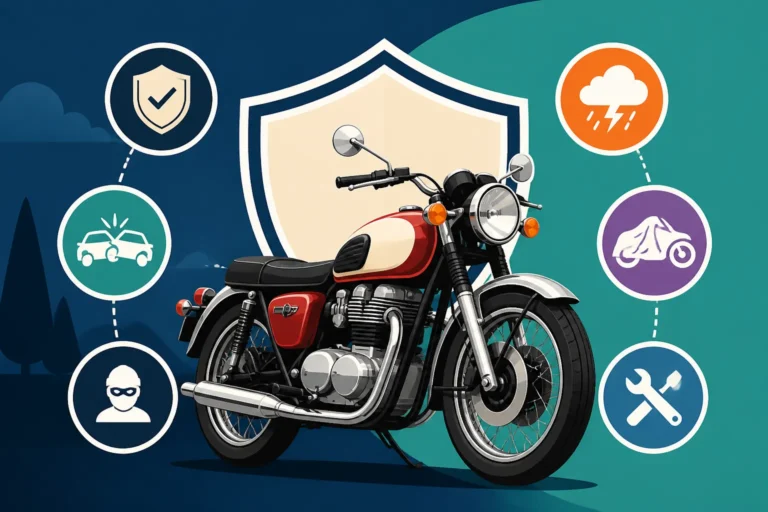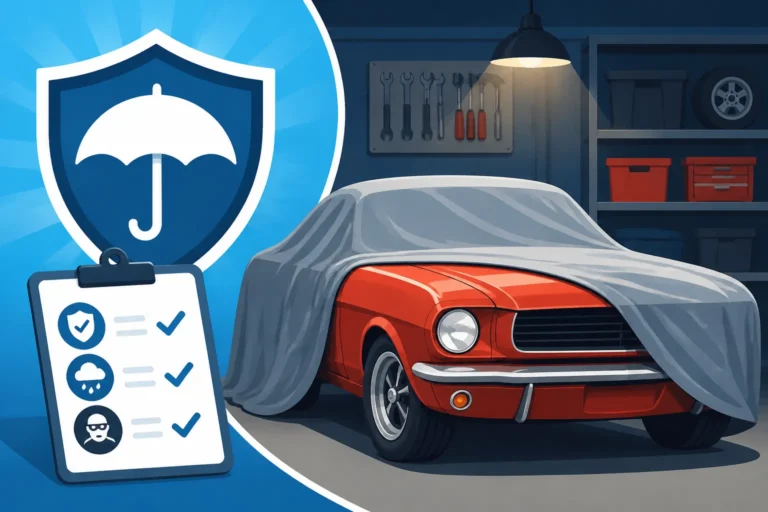
What Coverage a Collector Car Actually Needs
It's a common dilemma, isn't it? You've invested time, passion, and often a significant amount of money into your cherished collector car, only to find that standard auto insurance just doesn't quite grasp its unique value. Navigating the world of classic car insurance can feel overwhelming, leaving you wondering if you're truly protected should the unthinkable happen. This guide is here to cut through the confusion and help you understand exactly what coverage your collector car needs to keep it safe and your investment secure.
Why Your Collector Car Deserves Specialized Insurance
Let's be real, your beautiful 1969 Camaro isn't just a car; it's a piece of history, a work of art, and a vessel for countless memories. Treating it like an everyday commuter on your insurance policy would be a disservice, and frankly, a huge financial risk. Regular auto insurance is designed for depreciation, fender-benders, and the realities of daily driving. Collector car insurance, on the other hand, understands the intrinsic and appreciating value of your special vehicle.
The Problem with Standard Policies
Imagine this scenario: your pride and joy, that pristine 1965 Ford Mustang you've poured years into restoring, gets T-boned by an uninsured driver. With a standard policy, the insurer would likely assess its "actual cash value" (ACV), which is essentially what a similar-year Ford Mustang would be worth if it were an average, high-mileage daily driver, minus depreciation. You'd be left with a fraction of your car's true collector value, and the crushing realization that your years of effort and expense are not adequately covered. This is a common and deeply frustrating experience many collectors face when they don't have the right specialized coverage.
The Unique Value of Collector Vehicles
Collector cars aren't just vehicles; they're investments and often, family heirlooms. Their value often appreciates, especially for rare models or those in concours condition. Standard insurance simply isn't equipped to handle this appreciating value. It's built for cars that lose value the moment they're driven off the lot. A collector car policy recognizes the unique market for these vehicles, the specialized parts, the expert labor required for repairs, and the emotional connection you have. It's about protecting not just the metal, but the passion.
Cornerstone Coverages for Every Collector Car
When it comes to insuring your collector car, some coverages aren't just "nice-to-haves" — they're absolutely essential. These are the bedrock of any solid policy, designed to protect your investment from the most common and devastating risks.
Agreed Value Coverage
This is, without a doubt, the most crucial component of any collector car insurance policy. Unlike "actual cash value" or "stated value" policies that can leave you desperately shortchanged after a total loss, agreed value means you and the insurer agree on your car's value before the policy is even written. If your car is stolen or totaled, you receive that agreed-upon amount, no questions asked, no depreciation applied. It provides immense peace of mind, knowing that your investment is truly protected.
For instance, if you have a 1970 Plymouth Barracuda valued at $150,000, that's the figure you agree upon with your insurance provider. If it's a total loss, they pay you $150,000. It's that simple and incredibly reassuring. Without agreed value, you're essentially gambling with your valuable asset. You can read more about the distinctions in Agreed Value vs Stated Value vs Actual Cash Value.
Liability Coverage
Just like with any vehicle on the road, your collector car needs liability coverage. This protects you financially if you're at fault in an accident that causes bodily injury or property damage to others. Even though you might drive your classic carefully and sparingly, accidents can still happen. The last thing you want is for a minor incident to expose your personal assets or worse, your entire collection.
Most states have minimum liability requirements, but for a collector car, especially given the potential for significant damage to modern vehicles, it's wise to carry higher limits than the bare minimum. Think about the costs of medical bills and repairing a newer luxury SUV – those can escalate quickly. Ensuring you have robust liability limits protects not only your classic but also your financial future. Consider exploring Classic Car Liability Coverage Explained to understand specific protections.
Comprehensive and Collision Coverage
While often bundled, these two coverages handle different types of damage to your own vehicle.
Comprehensive Coverage
This is your shield against non-collision incidents. Think theft, vandalism, fire, natural disasters like floods or hail, or even hitting an animal. Given that many collector cars are stored for extended periods, or driven to shows where they might be exposed to the elements, comprehensive coverage is critical. A tree branch falling on your garage or a sudden hailstorm can cause significant damage, and you want to ensure the repairs are covered without draining your savings. For example, a vintage Shelby GT500 tucked away in the garage could still suffer damage from a fire or a major storm, and comprehensive coverage would step in.
Collision Coverage
This covers damage to your collector car if it collides with another vehicle or object, regardless of who is at fault. While we all drive our classics with extra care, the unexpected can still happen. Perhaps you misjudge a turn, or another driver unexpectedly cuts you off. Repairing a collector car, especially one with rare parts or custom paint, can be exceptionally expensive. Collision coverage ensures that these repairs, up to your agreed value, are handled by your insurer. It’s an investment in keeping your classic pristine.
Smart Optional Coverages to Elevate Your Protection
Beyond the essentials, several optional coverages are specifically tailored for the unique needs and lifestyles of collector car owners. These can provide an extra layer of security and peace of mind, making your ownership experience even more enjoyable.
Restoration Coverage
If you're in the midst of bringing a forgotten beauty back to its former glory, or perhaps embarking on a new project, restoration coverage is an absolute must. As you invest time and money into parts and labor, your car's value steadily increases. This specialized coverage allows you to increase your car's agreed value as the restoration progresses, ensuring that your growing investment is always adequately protected. Imagine investing $30,000 into a shell, only for a garage fire to destroy it before completion. Without restoration coverage, you might only recover the initial purchase price of the shell. With it, your insurer acknowledges the value added by your progress. Learn more by checking out Restoration Coverage for Classic Cars.
Spare Parts and Automobilia Coverage
Many collectors accumulate a treasure trove of spare parts, engines, transmissions, and even automobilia like signs, models, and artwork. These items can be incredibly valuable, yet they're rarely covered adequately under a standard homeowner's policy or even a basic auto policy. Dedicated spare parts coverage ensures that these valuable components, often irreplaceable or extremely hard to find, are protected against theft, fire, or damage. Imagine losing a stash of NOS parts for your 1957 Chevrolet Bel Air due to a garage flood – this coverage would be your saving grace. Similarly, Automobilia and Memorabilia Coverage protects your collection of vintage gas pump signs or racing helmets.
Roadside Assistance and Towing
Breaking down in your classic can be a different experience than in a modern car. You can't just call any tow truck; your cherished vehicle needs specialized care, often flatbed towing, to prevent further damage. Many specialty insurers, like Hagerty, offer roadside assistance specifically designed for collector vehicles, ensuring that your car is handled with the care it deserves by professionals who understand how to transport classics without causing harm. This is a small cost for a huge peace of mind, especially if you enjoy taking your car on longer tours or to distant shows.
Inflation Guard Coverage
The market for collector cars can fluctuate, and some vehicles see their values climb steadily over time. Inflation guard coverage is a fantastic add-on that automatically adjusts your car's agreed value upwards by a small percentage (e.g., 2-6%) each year at renewal, without you having to initiate a new appraisal. This helps ensure your policy keeps pace with market appreciation, protecting you from being underinsured as your car's value grows. It’s especially helpful for highly sought-after models or emerging classics. Read more about it in Inflation Guard Coverage Explained.
Tailoring Your Collector Car Policy for Ultimate Protection
Every collector car owner's situation is unique. The way you use your car, where you store it, and even who drives it can all influence the ideal policy configuration. Getting the right coverage isn't just about ticking boxes; it's about customizing a policy that fits your lifestyle and protects your specific investment.
Understanding Mileage and Usage Limitations
Most collector car policies come with mileage limitations, as these vehicles are typically driven for pleasure, shows, or occasional cruises, not daily commuting. Common mileage tiers might be 1,000, 2,500, or 5,000 miles per year. Being realistic about your annual mileage can significantly impact your premium. If you truly only drive your car a few hundred miles a year, opting for a lower mileage limit makes sense and saves you money. However, if you plan on more extensive touring, a higher limit or even Unlimited Mileage Classic Car Insurance Explained might be necessary. It’s crucial to be honest about your intended usage, as exceeding limits could jeopardize a claim.
Storage Requirements
Where and how you store your collector car is a key factor for insurers. Most specialty insurers require that your classic be stored in a secure, enclosed, and locked garage when not in use. This could be an attached garage, a detached garage, or even a professional storage facility. Policies typically differentiate between a garage, carport, or street parking, with the latter usually disqualifying a vehicle from classic coverage due to increased risk. Ensuring your storage meets these requirements can affect both your eligibility and your premium. For instance, Garage Storage Requirement for Classic Cars is a common stipulation.
Driver Qualifications
Specialty classic car insurance policies often have specific driver requirements. Typically, all household drivers must have a clean driving record, and sometimes there's a minimum age requirement for drivers of the classic car, usually 25 years old. The classic car itself cannot be the primary vehicle for any household member. These requirements help insurers manage risk, as the policy is built on the premise that the car is a cherished collectible, not a regular mode of transport for inexperienced drivers. Make sure everyone who might legally drive your collector car meets these criteria. Consider what this means for Classic Car Insurance for Teenagers in the Household.
Documenting Your Car's Value and Condition
To secure the best agreed value and ensure smooth claims processing, thorough documentation is vital. This includes:
- Appraisals: For higher-value or highly customized vehicles, a professional appraisal from a qualified appraiser provides an independent, expert assessment of your car's condition and market value. Many insurers, like Hagerty, often require or strongly recommend appraisals for cars above a certain value threshold.
- Photos: Detailed photos of your car's interior, exterior, engine bay, and any unique features are invaluable. They serve as a visual record of its condition at the time the policy was written.
- Records: Keep meticulous records of all restoration work, maintenance, modifications, and any significant parts purchases. These prove your investment and justify the agreed value.
Comparing Your Coverage Options
Not all classic car insurance providers are created equal. While general insurers might offer some "classic" policies, specialty insurers like Hagerty or Grundy typically provide superior coverage, a deeper understanding of the collector market, and tailored services. It's truly about choosing who understands your passion best.
| Coverage Type | Standard Auto Insurance | Specialty Classic Car Insurance | Why It Matters for Collectors |
|---|---|---|---|
| Valuation for Total Loss | Actual Cash Value (ACV) | Agreed Value | Guarantees payout for full market value, no depreciation. |
| Usage Limitations | None (Daily Driving) | Limited (Pleasure, Shows) | Reflects true use, often leading to lower premiums. |
| Roadside Assistance | Standard Towing | Flatbed, Specialty Care | Prevents damage during transport of delicate classics. |
| Restoration Coverage | No | Yes (Optional) | Protects increasing investment during restoration phases. |
| Spare Parts Coverage | Minimal/None | Yes (Optional) | Safeguards valuable and often rare components. |
| Inflation Guard | No | Yes (Optional) | Automatically adjusts value to keep pace with market. |
| Driver Requirements | Broad | Specific (Clean Record, Age) | Reduces risk, ensuring careful handling of the vehicle. |
| Underwriting Expertise | General | Collector-specific | Deep understanding of classic car market, values, and risks. |
When you're looking for the right policy, don't just focus on the premium. Dig into the details of what's covered, how claims are handled, and what additional services are offered. A slightly higher premium for a comprehensive agreed-value policy from a reputable specialty insurer is almost always a better investment than a cheaper policy that leaves you exposed. Consider asking for quotes from a few different providers to compare. For instance, you could compare Hagerty vs Grundy: Which Is Better to see which company's offerings align best with your specific needs.
Ultimately, the best coverage for your collector car is the one that gives you complete peace of mind, knowing that your passion and investment are fully protected, allowing you to simply enjoy the drive.
Disclaimer
Please remember that insurance policies can vary greatly depending on the provider, your location, and the specific details of your vehicle and coverage choices. This information is intended as a general guide and should not replace professional advice from a licensed insurance agent. Always read your policy documents carefully and discuss your specific needs with an insurance professional to ensure you have the appropriate coverage.