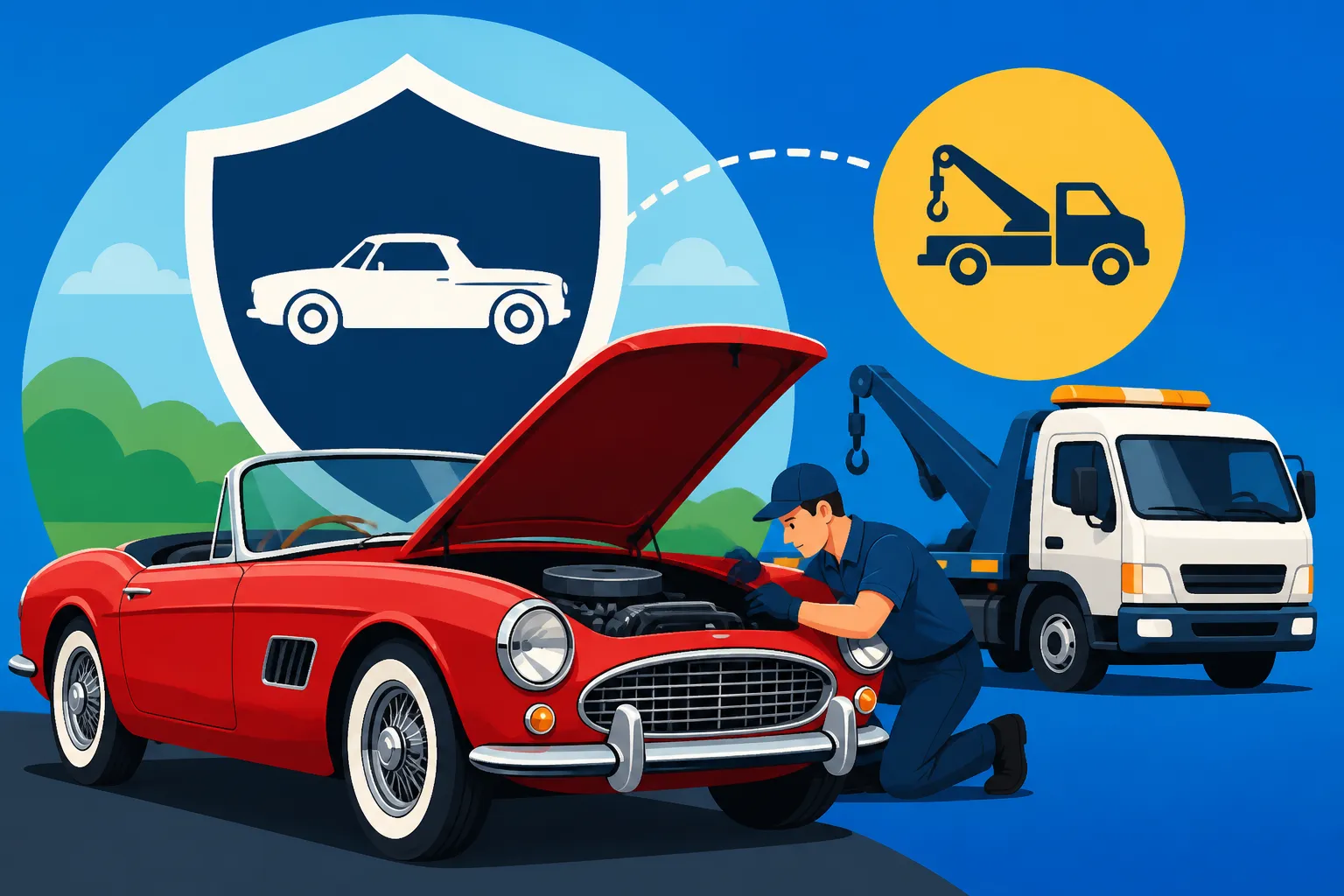
How Roadside Assistance Coverage Works for Collectors
There's nothing quite like the thrill of taking your classic car out for a spin, whether it's a quick cruise to a local show or a longer road trip to a regional event. But let's be honest, that joy can quickly turn into dread if your beloved vintage ride suddenly decides to act up on the side of the road, far from your trusted mechanic or even your home garage. Standard roadside assistance just doesn't cut it for these special vehicles, and that sinking feeling of vulnerability is something every collector knows. This guide is here to walk you through exactly how dedicated roadside assistance coverage works for classic cars, helping you understand its unique benefits and how it provides invaluable peace of mind.
Understanding the Unique Needs of Classic Cars on the Road
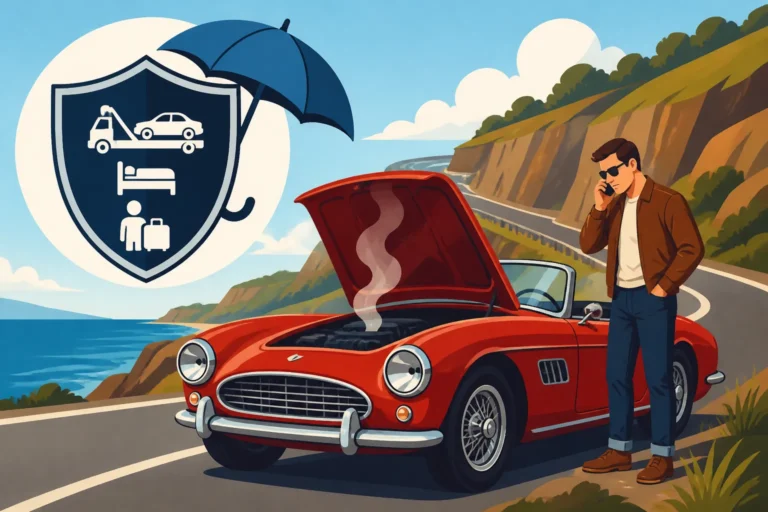
Owning a classic car is a passion, a commitment, and, let's face it, sometimes a bit of a gamble. These machines, while meticulously maintained, are often decades old and can have quirks that modern cars simply don't. A flat tire, an electrical gremlin, or an unexpected fuel issue can strike at any time, and when it does, the last thing you want is a generic tow truck operator who treats your prized possession like any other commuter vehicle.
The Perils of Standard Roadside Assistance for Collectibles
Imagine this scenario: You're driving your beautifully restored 1967 Mustang down a scenic highway in rural Pennsylvania. Suddenly, you hear a strange clunk, and the car sputters to a halt. You call your regular auto insurance's roadside assistance. They dispatch the nearest tow truck, which might show up with a traditional hook-and-chain system or a wheel-lift. For a modern car, this might be fine, but for your Mustang, it's a recipe for disaster.
Traditional towing methods can easily damage classic car frames, suspension, or delicate bodywork. Hook-and-chain towing, for example, can bend bumpers, scratch paint, and put undue stress on vintage components never designed for such forces. Even wheel-lift towing, while better, can still place stress on aged axles or lower suspension parts, especially if the vehicle has low ground clearance. Furthermore, many standard tow truck operators aren't trained in the nuances of handling a non-running classic. They might not know the proper lift points, or they might attempt to pull the car by a fragile suspension component. The frustration of seeing your classic potentially damaged simply because the recovery method wasn't appropriate is a collector's nightmare. This is a critical distinction, and one of the many reasons why Classic Car Insurance vs Regular Insurance: What's Required really matters when it comes to protecting your investment.
What Sets Specialty Classic Car Roadside Assistance Apart
This is where specialized classic car roadside assistance comes into its own. It's designed by collectors, for collectors, understanding that these aren't just cars; they're investments, heirlooms, and objects of passion. The primary difference lies in the type of service vehicle dispatched and the expertise of the operators.
Most dedicated classic car insurance providers, such as Hagerty or Grundy, partner with extensive networks of towing companies that are equipped with flatbed trucks. A flatbed means your classic is gently winched onto a completely flat surface, eliminating any contact with the ground or stress on its delicate undercarriage. The car is then securely strapped down, often with soft-tie methods that don't scratch paint or deform body panels. These networks often include operators who are trained to handle unique or antique vehicles, understanding the specific lift points and precautions necessary for different makes and models. They know that your 1955 Chevrolet Bel Air isn't just a car; it's a piece of history that deserves careful handling.
Specialized roadside assistance isn't just about towing, either. It often includes services like battery jump-starts, tire changes (assuming you have a spare), fuel delivery, and even locksmith services, all delivered with an understanding of the potentially unique requirements of vintage vehicles. The focus is always on minimizing risk and providing professional, damage-free service. It's about ensuring that a small hiccup doesn't turn into a major headache or an expensive repair bill due to improper handling.
Deconstructing the Process: How Collector Car Roadside Assistance Functions
When you find yourself in a bind with your classic, knowing exactly what to do and what to expect from your specialized roadside assistance can make all the difference. It's designed to be a smooth, stress-free experience, a far cry from the uncertainty that can come with standard services.
Initiating a Service Call: What to Expect
The moment your classic car decides to take an unscheduled break, your first step is to call your classic car insurance provider's dedicated roadside assistance line. This number is usually clearly listed on your insurance card or policy documents. When you call, be prepared to provide a few key pieces of information:
- Your Policy Information: Your name, policy number, and the details of the classic vehicle needing assistance.
- Your Exact Location: Be as specific as possible. If you're on a highway, note the nearest exit, mile marker, or intersecting road. For smaller roads, mention landmarks. GPS coordinates from your phone can be incredibly helpful.
- The Nature of the Problem: Is it a flat tire? Engine trouble? Out of gas? The more details you can give, the better the dispatcher can assess the situation and send the appropriate assistance.
- Preferred Destination: Do you have a specific mechanic you trust, or do you need it towed back to your home garage? Most policies allow towing to the nearest qualified repair facility or a location of your choosing within a certain distance.
The dispatcher will then use this information to pinpoint your location and dispatch a qualified service provider. Companies like Hagerty often boast extensive networks across North America, ensuring that even if you're far from home, help is on its way from a vetted, experienced provider. This network is a crucial component of what makes Best Classic Car Insurance Companies truly stand out.
The Critical Role of Flatbed Towing and Expert Handling
Once the service provider arrives, this is where the specialized nature of classic car roadside assistance truly shines. As discussed, flatbed towing is almost always the standard. The operator will carefully position the flatbed truck, ensure a safe working environment, and then, using a winch, slowly and securely pull your classic onto the bed.
The key here is precision and care. Operators within these specialized networks understand:
- Proper Attachment Points: They know where to attach the winch cable without damaging delicate bumpers, chassis, or suspension components. Many classics have unique frame structures that require specific attachment methods.
- Soft-Tie Strapping: Instead of traditional chains or hooks that can dent or scratch, soft straps are used to secure the vehicle to the flatbed, distributing pressure evenly and protecting paintwork.
- Clearance Awareness: Many classics, especially modified ones or those with performance suspensions, have very low ground clearance. The flatbed operator will be mindful of this during loading and unloading to prevent scraping the underside of the vehicle. This attention to detail is something you simply won't get with a generic tow. It's part of what makes Why Classics Need Flat-Bed Towing Coverage so vital.
Once loaded, your classic will be transported safely to your chosen destination. Whether it’s a trusted mechanic shop in town or your home garage where you can troubleshoot the issue yourself, you can rest assured it's being handled with the respect it deserves.
Beyond the Breakdown: Additional Support Services
While towing is often the headline feature, comprehensive classic car roadside assistance frequently offers more than just a lift:
- Battery Service: If your 1969 Camaro just needs a jump, they can provide that. They'll also check your battery connections, which can sometimes come loose on older vehicles.
- Fuel Delivery: Ran out of gas on a deserted stretch? They can bring you enough fuel to get to the nearest station. This is particularly useful as older classics might have less accurate fuel gauges.
- Tire Service: Got a flat? If you have a properly inflated spare, they can often change it for you, saving you the hassle and dirty work. Just remember to always have a good spare!
- Lockout Service: Accidentally locked your keys in your 1957 Bel Air? A specialist can often assist in retrieving them without damaging your vintage door mechanisms.
- Trip Interruption Coverage: This is a fantastic add-on, especially for longer tours or road trips. If your classic breaks down hundreds of miles from home and requires an overnight repair, some policies will cover costs for lodging, meals, and even alternative transportation while you wait for your car to be fixed. It’s definitely something to look into when considering Classic Car Insurance Add-Ons and Endorsements.
These comprehensive services highlight that classic car roadside assistance isn't just a bare-bones recovery plan; it's a full-spectrum support system designed to keep collectors on the road and alleviate stress during unexpected events.
The Tangible Value: Why Dedicated Roadside Assistance is Indispensable for Collectors
Investing in specialized roadside assistance for your classic car isn't just another line item on your insurance bill; it's a crucial part of protecting your investment and ensuring your enjoyment of the hobby. The value it brings extends far beyond the cost of a single tow.
Safeguarding Your Investment Against Unexpected Damage
The thought of your cherished classic, perhaps one you've spent years restoring, being damaged during a simple tow is enough to make any collector wince. A standard tow truck operator, unfamiliar with the intricacies of vintage vehicles, might inadvertently cause thousands of dollars in damage through improper hooking, lifting, or securing. Imagine a scratch on your meticulously painted 1965 Corvette, or a bent suspension arm on your 1932 Ford, all because the tow wasn't handled correctly.
Specialized classic car roadside assistance eliminates much of this risk. By ensuring flatbed towing and operators trained in classic vehicle handling, it acts as a critical safeguard. This level of care helps preserve the aesthetic and mechanical integrity of your vehicle, protecting not only its monetary value but also your emotional investment in it. This peace of mind is truly priceless, allowing you to enjoy your classic without constant worry about worst-case scenarios. It’s an essential part of What Does Classic Car Insurance Cover that many collectors overlook.
Enabling Worry-Free Driving Experiences and Events
Many of us don't buy classic cars just to look at them in a garage; we want to drive them! Whether it's a Sunday morning cruise, a spirited drive to a local Cars & Coffee meet, or a multi-state tour to a national convention, these experiences are what the hobby is all about. However, the fear of breaking down can sometimes overshadow the enjoyment.
With robust classic car roadside assistance, that fear is significantly reduced. Knowing that dependable, specialized help is just a phone call away, no matter where your classic takes you, frees you up to truly savor the drive. You can confidently plan that road trip to the Woodward Dream Cruise in Michigan, or that rally through the scenic routes of California, knowing that if something goes wrong, your pride and joy will be cared for properly. This extends to Classic Car Travel and Show Coverage which ensures you're protected whether driving or displaying your vehicle.
Consider the annual Mopar Nationals in Ohio. Collectors from all over the country converge, often driving their vintage muscle cars long distances. The last thing you want is a breakdown hundreds of miles from home without proper support. A policy that includes dedicated roadside assistance means that if your 1970 Challenger decides to protest mid-journey, help will arrive in a form that respects its heritage and condition.
Comparing Providers and Tailoring Your Coverage
When choosing classic car insurance, it's wise to compare not just the overall cost, but the specifics of their roadside assistance programs. Different providers might offer varying mileage limits for towing, types of additional services, and even the quality of their service network.
Here's a quick comparison of what to look for:
| Feature | Standard Roadside Assistance (Typical Auto) | Classic Car Roadside Assistance (Specialty) |
|---|---|---|
| Towing Method | Hook-and-chain, wheel-lift (potential damage) | Flatbed (damage-free, secure) |
| Operator Expertise | General, may lack classic car knowledge | Trained in classic vehicle handling |
| Service Network | Broad, but not specialized for classics | Vetted, flatbed-equipped providers |
| Towing Distance Limit | Varies, often 5-20 miles free, then extra cost | Often higher, 50-200 miles free, or unlimited |
| Additional Services | Jump-starts, tire change, fuel (generic approach) | Tailored to classic needs, careful execution |
| Trip Interruption | Rarely included | Often an available add-on |
| Peace of Mind | Limited for classics | High, knowing vehicle is safe |
When comparing quotes, always ask about the specifics of the roadside assistance.
For instance, Hagerty’s Drivers Club offers comprehensive roadside assistance that is highly regarded in the classic car community, boasting a network specifically equipped to handle collector vehicles with flatbed towing as standard. This is one of the key reasons why Hagerty Classic Car Insurance Review often highlights their robust support services. Always look for:
- Flatbed Guarantee: Does the policy explicitly state flatbed towing will be used?
- Towing Distance: What is the maximum distance your car can be towed for free? Some policies offer unlimited mileage, while others have generous limits that can often be extended for an additional premium.
- Emergency Services: Beyond towing, what other services are included (jump-starts, tire changes, fuel delivery, lockout service)?
- Trip Interruption: If you plan long-distance trips, consider adding this coverage for lodging and meal expenses if you're stranded far from home.
- Response Times: While difficult to guarantee, ask about average response times in your typical driving areas.
Choosing the right roadside assistance is about understanding your usage habits and the value of your vehicle. For a car that rarely leaves your local area, a basic plan might suffice, but for a car you tour with, a more comprehensive package, like those often available from dedicated classic car insurers, is truly indispensable. Ultimately, it’s about finding the policy that best aligns with how you use and cherish your classic, so taking the time to How to Choose Classic Car Insurance is well worth it.
Disclaimer
Please note that insurance policies, terms, and coverage can vary significantly between providers and depend on individual circumstances. This article provides general information and should not be considered legal or financial advice. Always consult with a qualified insurance professional to discuss your specific needs and review your policy documents carefully.