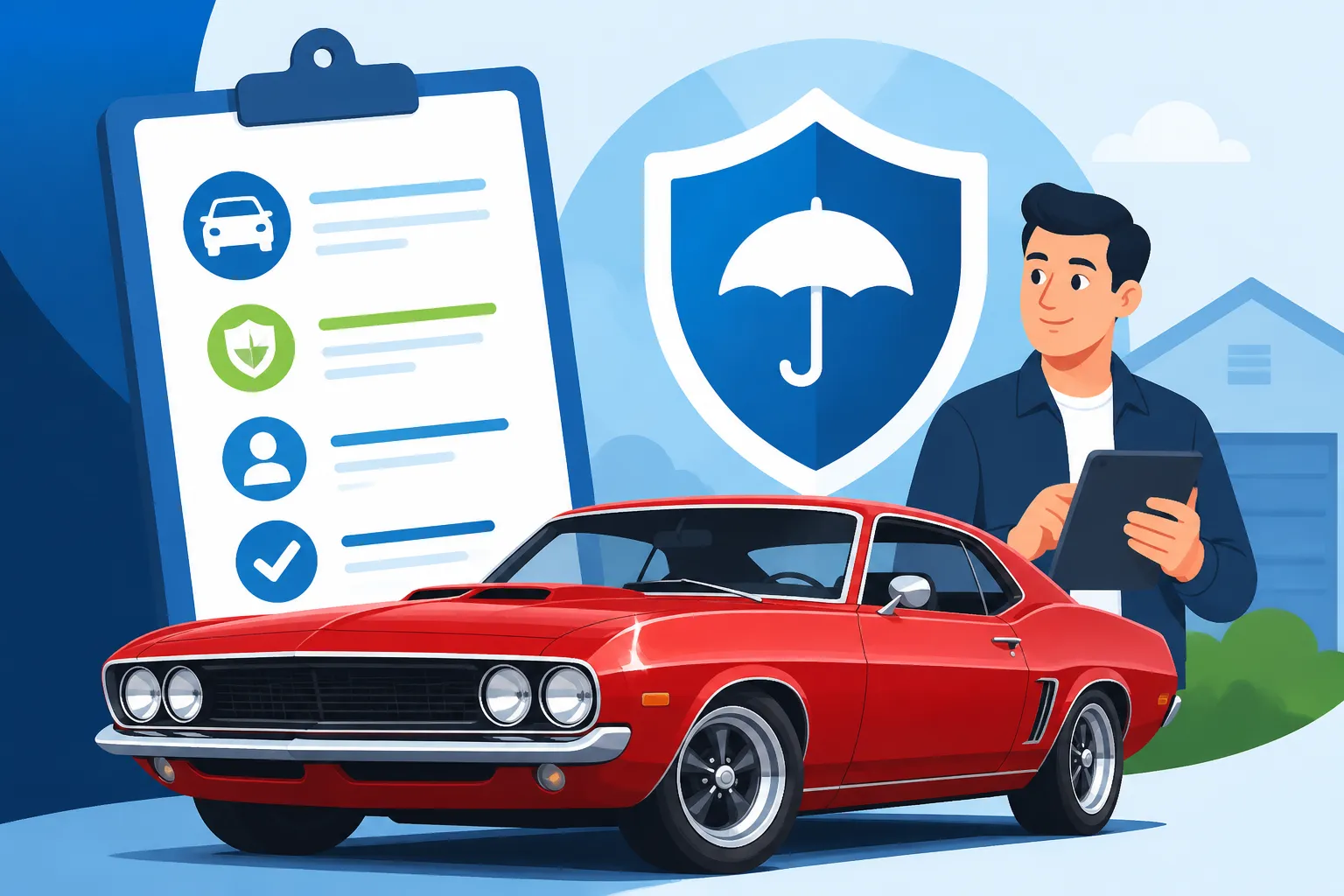
How to Get a Quote from American Modern
Getting a specialized insurance quote for your beloved classic car can sometimes feel like trying to solve a puzzle with half the pieces missing. You're looking to protect a significant investment, a piece of automotive history, not just another commuter car, and the standard auto insurance questions often don't quite fit. This guide is designed to walk you through the precise steps of securing a classic car insurance quote from American Modern, ensuring you have all the necessary information and know exactly what to expect from their process.
Understanding American Modern and Classic Car Insurance
When you're dealing with a classic, antique, or custom vehicle, a regular auto insurance policy just won't cut it. These cars aren't depreciating assets; they're often appreciating treasures, and their value isn't based on Kelley Blue Book. That's where specialty insurers like American Modern step in. They understand the unique needs of collectors and provide coverage tailored to preserve the true value of your prized possession.
Why American Modern Stands Out
American Modern has carved out a strong niche in the collector car insurance market, offering policies that acknowledge the special circumstances surrounding these vehicles. Unlike standard insurers who might see a vintage Corvette as an old car, American Modern sees its historical significance, meticulous restoration, and the passion of its owner. They're not just selling policies; they're providing peace of mind for collectors who often pour their hearts (and wallets) into their vehicles.
Their experience in the specialty market means they understand things like agreed value coverage, which is absolutely crucial for classics. Instead of giving you "actual cash value" (which would be devastating for a classic car in a total loss scenario), they work with you to establish an agreed-upon value for your car upfront. This means if something catastrophic happens, you're paid out that pre-determined amount, letting you rebuild or replace your cherished ride without a fight. Many collectors appreciate this fundamental difference, which often leads them to compare American Modern with other top specialty providers like Hagerty when exploring their options.
What Makes Their Quotes Different
The quote process for a classic car with American Modern differs significantly from getting a quote for your daily driver. They delve much deeper into the vehicle's history, condition, and intended use. They're not just asking for your VIN and driving record; they want to know about your storage situation, how often you drive it, and any modifications you’ve made. This comprehensive approach allows them to accurately assess the risk and, in turn, provide a more fitting premium and specialized coverage. It’s about building a partnership, ensuring they truly understand the unique aspects of your classic and how to best protect it. For instance, if you're looking for American Modern Classic Car Insurance Review, you'll often see collectors praising this tailored approach.
Preparing for Your American Modern Quote
Before you even think about picking up the phone or navigating to their website, taking a little time to prepare can make the quote process incredibly smooth and efficient. Think of it like prepping your car for a show: a little polish and organization go a long way.
Key Information You'll Need
Gathering all the necessary details beforehand will save you from scrambling mid-quote. Insurers, especially specialty ones, need a comprehensive picture to provide an accurate quote. Here’s a checklist of what you should have ready:
- Vehicle Information:
- Year, Make, Model: This is obvious, but be precise. For example, a "1969 Ford Mustang Mach 1" is much more specific than just "1969 Mustang."
- VIN (Vehicle Identification Number): Crucial for verifying the car's identity and history.
- Engine & Drivetrain Details: Any modifications from stock? Is it numbers-matching? These details can significantly impact value and, therefore, coverage needs.
- Condition: Is it concourse-ready, an excellent driver, a good project car, or something in between? Be honest and detailed.
- Modifications & Upgrades: List everything from custom paint and interior work to engine upgrades, suspension improvements, or aftermarket wheels. Specialty insurers understand modifications can add value, unlike standard insurers who often see them as a liability.
- Storage Location:
- Type of Storage: Is it garaged? Carport? Public storage? American Modern, like most classic insurers, generally requires secure, enclosed storage.
- Security Measures: Burglar alarm, security cameras, gated community? These can sometimes lead to discounts.
- Location Address: They'll need this to assess geographic risk.
- Intended Use & Mileage:
- Annual Mileage: Most classic car policies come with mileage limitations, as these vehicles are typically driven for pleasure, shows, or parades, not daily commuting. Think about how many miles you realistically put on it in a year – 1,000, 2,500, 5,000 miles?
- Purpose: Is it for shows, weekend cruises, touring, or occasional errands? This helps define the risk profile. Understanding the pleasure-use requirement is key here.
- Driver Information:
- Primary Driver's Age & Driving Record: Your driving history is always a factor, even for a classic.
- Other Household Drivers: Anyone else with access to the car? Even if they don't drive it, an insurer needs to know about other licensed drivers in the household.
- Daily Driver Status: Do you have another vehicle for everyday transportation? Classic car insurance typically requires that the insured has a separate primary vehicle for daily use. This is part of the daily driver requirement.
- Desired Coverage:
- Agreed Value: Have a target value in mind for your car. We'll discuss this more below.
- Additional Coverages: Consider spare parts coverage, restoration coverage (if applicable), roadside assistance, and inflation guard.
Having these documents and details organized, perhaps in a folder or a digital document, will make the quoting process much smoother and faster. It’s also wise to prepare for a classic car insurance inspection requirements, as some policies might necessitate it.
Understanding Your Vehicle's Value
This is arguably the most critical component when getting a classic car insurance quote from American Modern. Unlike a modern car where depreciation charts dictate value, a classic's worth is subjective and based on factors like rarity, condition, restoration quality, provenance, and market demand.
- Agreed Value vs. Actual Cash Value: Never settle for Actual Cash Value (ACV) on a classic. ACV policies pay out the market value minus depreciation, which would be disastrous for a car that appreciates. American Modern, like other specialty insurers, offers agreed value coverage. This means you and the insurer agree on the car's value before the policy starts. If a total loss occurs, you receive that agreed-upon amount. This is a non-negotiable for serious collectors.
- How to Determine Agreed Value:
- Appraisal: A professional appraisal from a qualified classic car appraiser is the gold standard. They'll consider condition, restoration, provenance, and current market trends to give you an objective valuation. This is especially important for high-value or highly modified vehicles. Learning how to get a classic car appraisal is invaluable.
- Market Research: Look at recent sales of similar vehicles on reputable auction sites (e.g., Mecum, Barrett-Jackson, Bring a Trailer), classic car dealer listings, and collector car valuation guides.
- Restoration Receipts: If you've invested heavily in restoration, keep detailed records and receipts. These can support a higher agreed value.
- Online Valuation Tools: Some companies, like Hagerty, offer excellent online valuation tools that can give you a good starting point based on various criteria.
Be realistic but firm about your car's value. The premium will be directly tied to this agreed value, so find a balance that accurately reflects your car's worth without over-insuring (and overpaying) or under-insuring (and risking a significant loss).
Step-by-Step: Getting Your American Modern Classic Car Insurance Quote
Now that you're armed with all your information, let's look at the actual process of getting that quote from American Modern. They offer a couple of pathways, catering to different preferences.
Online Quote Process
For many, the convenience of an online quote is appealing. American Modern has an intuitive online platform designed to guide you through the process.
- Navigate to Their Website: Start by going to American Modern's official website. Look for a section specifically dedicated to collector cars, classic cars, or specialty vehicles.
- Start the Quote Form: You'll typically find a prominent "Get a Quote" or "Start Your Quote" button. Click it to begin.
- Input Vehicle Details: The form will prompt you for the year, make, model, and VIN. Be as accurate as possible. You'll likely answer questions about the car's condition, any modifications, and its intended use (e.g., pleasure driving, shows).
- Provide Driver Information: Enter details about yourself and any other household drivers, including ages, driving records, and daily driver status.
- Specify Storage & Mileage: You'll be asked about your garage situation and your estimated annual mileage. This is where your pre-gathered information comes in handy.
- Propose Agreed Value: This is where you'll input your desired agreed value for the vehicle. This is a critical step, so make sure it aligns with your research or appraisal.
- Select Coverage Options: You'll then be able to choose your liability limits, deductibles, and consider additional coverages like roadside assistance, spare parts, or inflation guard. Don't rush this part. Think about the add-ons and endorsements that truly matter for your specific situation.
- Review and Submit: Before submitting, meticulously review all the information you've entered. Any errors could lead to an inaccurate quote. Once you're confident, submit the form.
- Receive Your Quote: In many cases, you'll receive an instant estimate online. Sometimes, especially for unique or high-value vehicles, a representative might need to review your submission and follow up with a personalized quote via email or phone.
The online process is great for getting a quick baseline, but remember, the more unique your car or situation, the more benefit you might find in speaking directly with a human.
Working with an Agent
While online quotes are convenient, talking to a knowledgeable agent can provide invaluable insights, especially if you have a complex collection, unique vehicle, or specific questions.
- Find an American Modern Agent: American Modern works with a network of independent agents who specialize in collector car insurance. You can typically find a local agent through their website's "Find an Agent" tool or by searching for specialty insurance agents in your area.
- Schedule a Consultation: Contact the agent to schedule a time to discuss your needs. This can be over the phone, via video call, or in person if a local option is available.
- Share Your Information: During the conversation, provide the agent with all the detailed information you prepared earlier. Don't hold back on details about your vehicle's history, restoration, or any special features. This is their job to understand, and they can often spot details you might overlook that could impact coverage or pricing.
- Discuss Coverage Needs: An experienced agent can help you tailor your policy perfectly. They can explain the nuances of agreed value vs. stated value, recommend appropriate liability limits, and suggest specific endorsements like cherished salvage coverage or coverage for automobilia. They can also help you understand how factors like your storage type affect your premium.
- Address Any Questions or Concerns: This is your opportunity to ask about specific scenarios, claims processes, or potential discounts. For instance, you might want to know about coverage for participating in rallies or parades, or how to insure a car you're restoring.
- Receive Your Quote: The agent will then compile a customized quote for you, often explaining each component in detail. This personalized approach often results in a more robust and accurate policy that truly fits your needs, as compared to a purely automated online process. For many collectors, speaking with an expert is how they ensure they build a complete classic car policy.
Reviewing and Customizing Your American Modern Policy
Getting the quote is just the first step. The real value comes in understanding what you're being offered and ensuring it aligns perfectly with your expectations and your classic car's unique requirements.
Interpreting Your Quote Details
Don't just glance at the premium amount and assume it's good or bad. Dig into the details provided by American Modern.
- Agreed Value: Double-check that the agreed value on the quote matches what you discussed and what your appraisal or research supports. This is paramount. If you later decide to increase your classic car's value through further restoration, you'll need to know how to increase your agreed value over time.
- Coverage Limits: Look at the liability limits (e.g., $100,000/$300,000/$50,000). Are these sufficient for your peace of mind and state requirements? Also, check the limits for comprehensive and collision coverage, which will be based on your agreed value. Remember, classic car insurance requirements explained often vary by state, so ensure your liability meets at least the minimum.
- Deductibles: Review the deductibles for comprehensive and collision. A higher deductible will lower your premium, but means you pay more out-of-pocket if you have a claim. Choose a deductible you're comfortable with.
- Endorsements & Add-Ons: Confirm that any special coverages you requested, like roadside assistance, spare parts, or trip interruption, are included and that their limits are adequate.
- Mileage Limit: Ensure the quoted annual mileage limit is realistic for how you plan to use your car. If you find your driving habits change, you might need to adjust your classic car insurance mileage limits by state.
- Discounts: Inquire about any potential discounts you might qualify for, such as multi-car discounts (if you have a collection), car club membership discounts, or security system discounts. Many specialty insurers offer these as incentives.
Making the Right Coverage Choices
This is where you tailor the policy to fit like a custom glove. Don't be afraid to ask questions or request adjustments.
- Adjusting Agreed Value: If, after reviewing, you feel the agreed value is too high or too low, discuss it with American Modern or your agent. They may request additional documentation (like an updated appraisal or recent sales data) to justify a change.
- Fine-Tuning Deductibles: If the premium is a bit higher than you hoped, consider increasing your deductibles. Conversely, if you want minimal out-of-pocket expense in a claim, a lower deductible might be worth the slightly higher premium.
- Adding or Removing Endorsements: Perhaps you initially opted for roadside assistance but then remembered your car is always trailered. Or maybe you forgot to ask about automobilia and memorabilia coverage for your garage full of vintage signs. Now's the time to refine these choices.
- Comparing with Other Quotes: While you're focusing on American Modern, it's always smart to compare classic car insurance quotes from other specialty insurers like Hagerty or Grundy. This ensures you're getting the best value and coverage for your needs. Look beyond just the price; compare the agreed value, specific coverage types, and customer service reputation.
- Understanding Exclusions: Every policy has exclusions – things it won't cover. Make sure you understand these. For instance, classic car policies generally won't cover track racing or use as a daily driver.
- Finalizing the Policy: Once you're satisfied with all the details, you can proceed to purchase the policy. Ensure you receive all policy documents and keep them in a safe place. If you're buying a new classic, timing your policy correctly is key, learning how to insure a classic car you just bought can prevent coverage gaps.
Getting a classic car insurance quote from American Modern is more than just a transaction; it's a careful process to protect a cherished part of your life. By being prepared, understanding the unique aspects of specialty insurance, and meticulously reviewing your options, you'll ensure your classic is safeguarded for years to come. Remember, the goal is not just the cheapest policy, but the right policy, offering comprehensive protection at a fair price.
Disclaimer
Please note that insurance policies, terms, and requirements can change. This guide provides general information and recommendations. Always consult directly with American Modern or a qualified insurance agent to obtain the most accurate, up-to-date information and personalized advice for your specific classic car and circumstances.