How to Insure a 1978 Firebird Trans Am
Trying to get the right insurance for a cherished classic like your 1978 Firebird Trans Am can feel like navigating a winding back road without a map. You know your car is special, not just another ride, but traditional insurance companies often don't see it that way, leaving you wondering how to protect its true value. This comprehensive guide will walk you through everything you need to know, from understanding its unique insurance needs to securing a policy that genuinely covers your iconic muscle car.
Understanding What Makes Your 1978 Firebird Trans Am Special for Insurance
Your 1978 Firebird Trans Am isn't just an old car; it's a piece of automotive history, a symbol of an era. Insurers don't look at it the same way they'd look at a modern family sedan, and for good reason. Its age, unique features, and the passion collectors have for it all play a huge role in how it should be insured.
The "Classic" Definition and Your Trans Am's Age
When you hear terms like "classic," "antique," or "vintage," it can get a little confusing, especially when insurance companies use them with specific age requirements in mind. Your 1978 Firebird Trans Am, being well over 25 years old, comfortably falls into the "classic" category for most specialty insurers. Some states and insurance providers might even classify it as an "antique" once it hits 45 years old, which your '78 model has already surpassed.
This distinction is more than just semantics; it's critical for insurance. A regular auto policy typically values older cars based on depreciated "actual cash value," which means what a similar car might sell for in a junkyard or as a beaten-up used car. For your pristine or well-maintained Trans Am, this would be a disaster if it were ever totaled. Specialty classic car insurers, on the other hand, understand that these vehicles appreciate in value or, at the very least, hold a value far exceeding what standard depreciation models would suggest. They acknowledge the care you've poured into it, the rarity of certain options, and the overall collectible nature of the vehicle. This is the fundamental difference that drives the need for specialized coverage. You'll find that understanding these distinctions is key to making sure your vehicle is properly protected, not just legally covered.
Performance, Collectibility, and Valuation
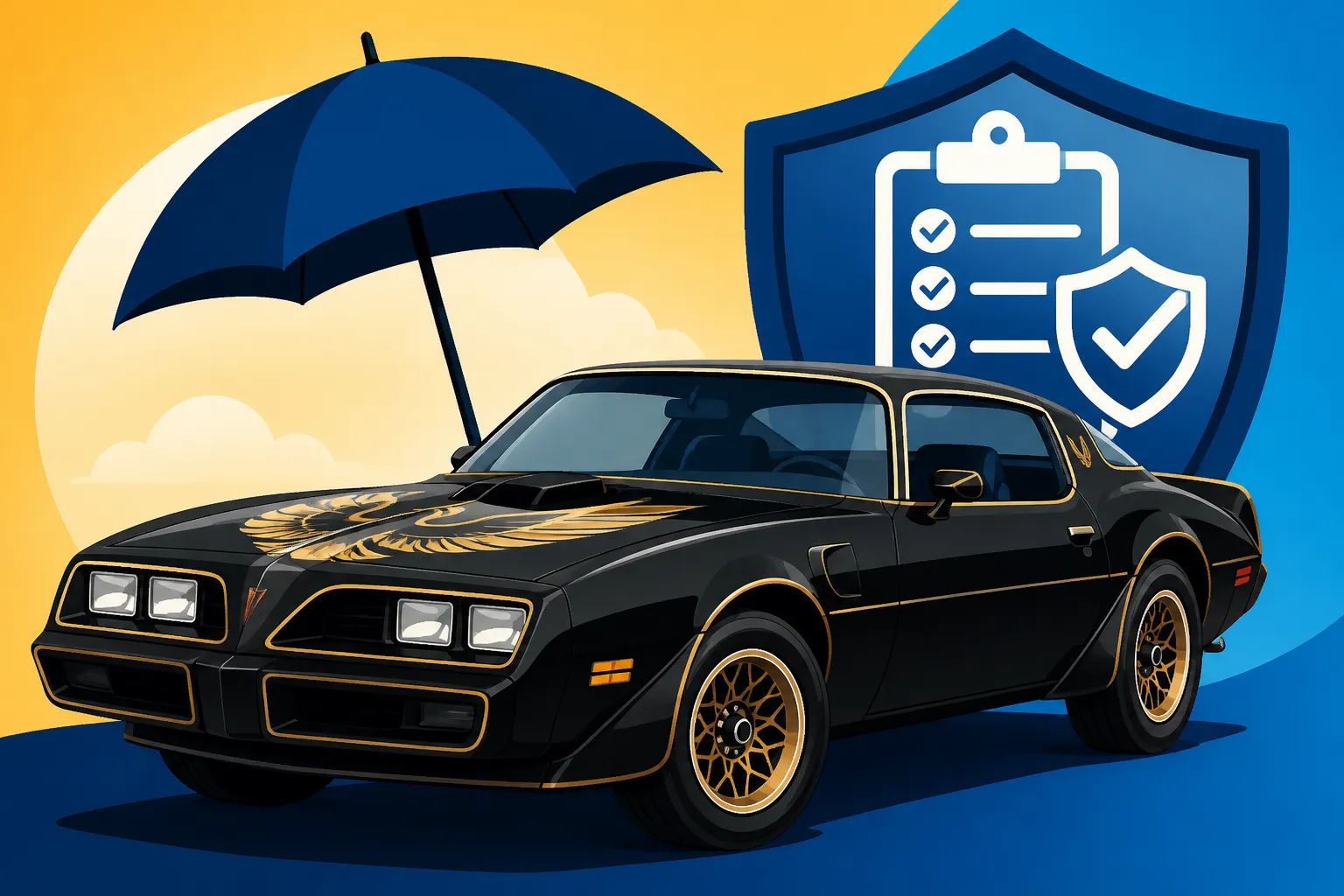
The 1978 Firebird Trans Am is particularly interesting because it came with a few different engine options, and certain packages significantly boost its collectibility and, by extension, its value. For example, if your Trans Am boasts the W72 400 cubic inch V8 engine, often dubbed the "T/A 6.6," it's highly sought after by enthusiasts. This engine offered better performance than the standard Pontiac 400 or the Oldsmobile 403 engines available that year. Beyond the engine, specific visual packages like the Y88 Gold Special Edition, with its iconic gold accents and decals, or the black and gold "Smokey and the Bandit" Bandit Edition are absolute showstoppers and command higher values. T-tops, a popular option, also add to the desirability and value for many collectors.
When it comes to insuring such a vehicle, these details are paramount. An insurance appraisal or a detailed understanding of the market value for these specific configurations is crucial. If your Trans Am has these desirable features, you'll want to ensure your insurer acknowledges them and uses an "Agreed Value" policy, not actual cash value. An insurer like Hagerty, for instance, specializes in valuing these nuances, understanding that a W72 T/A 6.6 is worth significantly more than a base model, and that a Gold Special Edition holds a special place in collectors' hearts. The better you can document these specifics—engine codes, options sheets, restoration receipts, photos—the more accurately your insurer can establish an appropriate agreed value, ensuring you're fairly compensated if the worst should happen.
Key Insurance Requirements for Your 1978 Firebird Trans Am
Unlike your daily driver, a classic car policy comes with certain expectations from the insurer. These aren't just arbitrary rules; they're designed to reflect the lower risk associated with how most classics are used and stored, which is ultimately why classic car insurance can often be more affordable.
Usage and Storage Requirements
Most specialty classic car insurance policies are built around the understanding that your 1978 Firebird Trans Am isn't your primary mode of transportation. This is often referred to as a "pleasure-use requirement." It means you generally can't use it for commuting to work, running errands, or regular daily driving. Instead, it's reserved for leisure activities like weekend cruises, car shows, club events, or occasional pleasure drives. Insurance providers understand you want to enjoy your classic, but they expect it to be a secondary vehicle. This is often tied to Classic Car Insurance Mileage Limits by State as well.
The storage requirement is equally important. Insurers typically mandate that your classic be stored in a secure, enclosed, and locked facility when not in use. This usually means a private garage, not a carport or an uncovered driveway. This secure storage significantly reduces the risk of theft, vandalism, and weather-related damage, which in turn helps keep your premiums lower. Think about it: a cherished Trans Am tucked away in a locked garage is far less susceptible to damage or theft than one sitting unprotected on the street. Companies often verify this during the application process, sometimes even asking for photos of the storage facility. If you're wondering How Storage Affects Classic Car Eligibility, it's a huge factor in whether you qualify for a specialty policy at all.
Driver Eligibility and Driving Record
When insuring a classic, the drivers listed on the policy also come under scrutiny. While there's no strict "minimum age for classic car insurance drivers" for the vehicle itself, specialty insurers typically prefer drivers with clean driving records and a certain level of experience. They generally don't want to insure a high-value classic for a brand-new driver, especially a teenager, who might be more prone to accidents. Some insurers might require that all drivers on the policy have a valid driver's license for a certain number of years.
Your driving record, including any speeding tickets or accidents, will also play a role. A spotless driving history is almost always rewarded with better rates, as it signals responsible driving habits. If you have multiple drivers in your household who might occasionally drive the Trans Am, be sure to list them on the policy and understand how their records might influence your rates. The good news is that because classics are driven less frequently and with more care, the impact of a minor infraction might not be as severe as it would be on a standard auto policy, but a clean record is always best.
Valuation and Appraisal Considerations
For a specific and desirable car like a 1978 Firebird Trans Am, especially one with a W72 engine or a Y88 package, the valuation process is critical. You absolutely want an Agreed Value Coverage Explained policy. This means you and the insurer agree on the car's value before the policy goes into effect. In the event of a total loss, you'll be paid that agreed-upon amount, no questions asked, minus your deductible. This stands in stark contrast to "actual cash value" policies, which would pay out only what the insurer determines your car is worth at the time of loss, after depreciation, potentially leaving you far short of what your Trans Am is truly worth.
For a unique car like yours, an appraisal might be a very smart move, though not always strictly required by every insurer. Some, like Hagerty, have extensive databases and valuation tools that can often establish a fair agreed value without a formal appraisal, especially for common classics. However, if your Trans Am has undergone an extensive, professional restoration, has particularly rare options, or boasts a provenance (like being a low-mileage original or having a unique history), a professional, independent appraisal can provide invaluable documentation to support a higher agreed value. It gives both you and the insurer a solid, unbiased foundation for determining its worth. Remember, the goal here is to accurately represent your car's value so that you're never left in a bind if disaster strikes.
Essential Coverage Options for Your Firebird Trans Am
Getting the right type of insurance isn't just about meeting state minimums; it's about protecting your significant investment and passion. Classic cars have unique needs that standard policies simply don't address.
Agreed Value vs. Other Valuations
This cannot be stressed enough: for your 1978 Firebird Trans Am, "Agreed Value" coverage is non-negotiable. It's the gold standard for classic car insurance. With agreed value, you and your insurance provider establish and agree upon your car's value when the policy is written. If your Trans Am is stolen or totaled, the insurer pays you that exact agreed-upon amount (minus your deductible), regardless of market fluctuations or depreciation. This means you'll have the funds to either replace your beloved car or rebuild it without fighting the insurance company.
Contrast this with "actual cash value" (ACV), which is standard for daily drivers. ACV pays out the depreciated value of your car at the time of loss. For a classic, this would be devastating. Imagine spending years restoring your Trans Am, only for an ACV policy to pay you a fraction of what you invested. Another option, "stated value," might sound similar to agreed value, but it's often a trap. With stated value, the insurer reserves the right to pay out the lesser of the stated value or the actual cash value at the time of loss. This essentially means you're paying for a higher value but might only get the depreciated value back. For a true collector, a stated value policy offers a false sense of security and should be avoided for a car like your Trans Am.
Specialized Add-Ons for Collectors
Beyond the core agreed value coverage, specialty classic car insurers offer a range of add-ons that are incredibly valuable for collectors. These aren't typically found on standard auto policies and can make a huge difference in your peace of mind.
- Restoration Coverage for Classic Cars: If your 1978 Trans Am is currently undergoing restoration or you plan to restore it in the future, this coverage is essential. It accounts for the increasing value of your vehicle as more parts and labor are invested. Instead of having a static agreed value, restoration coverage allows you to adjust the insured value as you reach significant milestones in the restoration process, ensuring your investment is protected at every stage. Imagine meticulously rebuilding that W72 engine, only for an accident to occur. Restoration coverage ensures your hard work and expense are recognized.
- Spare Parts Coverage Explained: Most collectors accumulate a stash of original or hard-to-find spare parts. These parts can be incredibly valuable on their own, especially for a classic like a Trans Am where certain components are becoming rare. This coverage protects your spare parts, whether they're stored in your garage, at an off-site facility, or even in transit to a restorer. You don't want to lose a set of original wheels or an NOS dashboard simply because they weren't attached to the car at the time of a loss.
- Roadside Assistance Coverage for Classic Cars: This isn't just your run-of-the-mill roadside assistance. It's tailored for classics, meaning it often includes flatbed towing to ensure your cherished vehicle isn't damaged further by conventional towing methods. If your Trans Am breaks down on a scenic drive, you'll want the peace of mind knowing it will be safely transported to your preferred mechanic or home, rather than being dragged behind a tow truck. Many specialty providers, including Hagerty, offer this as part of their comprehensive packages.
- Trip Interruption Coverage: For those long-distance classic car tours or trips to major car shows, trip interruption coverage can be a lifesaver. If your Trans Am has a covered breakdown far from home, this can help cover expenses like lodging, meals, and even alternative transportation to get you home or to your destination, minimizing the inconvenience of an unexpected event.
- Automobilia and Memorabilia Coverage: If you collect Trans Am-related artwork, models, signed posters, or other valuable memorabilia, some policies allow you to add this to your classic car policy. It can be a convenient way to protect your entire passion under one roof.
Steps to Getting the Best Insurance for Your 1978 Firebird Trans Am
Finding the perfect classic car insurance policy for your 1978 Firebird Trans Am doesn't have to be a daunting task. With a little preparation and understanding, you can secure comprehensive coverage that truly reflects your car's value and your passion.
Gathering Necessary Documentation
Before you even start reaching out for quotes, having your documentation in order will streamline the process and help you get the most accurate and favorable rates. Think of it as presenting your car's resume to the insurer.
First and foremost, have your vehicle's title and registration handy. This verifies ownership and the car's official year, make, and model. Next, compile a detailed record of your Trans Am's specifications. This includes the Vehicle Identification Number (VIN), engine type (especially if it's the coveted W72 400), transmission type, and any significant factory options like T-tops or special edition packages (e.g., Y88 Gold Special Edition). High-quality photographs of the exterior, interior, engine bay, and any unique features or modifications are also incredibly helpful. These visuals prove the car's condition and can support its value. If you've done any significant restoration work, gather receipts for parts and labor. These documents prove your investment and enhance the car's agreed value. Finally, be ready to provide information about your garage or storage facility, as well as your driving history and that of any other household members who might drive the car. The more detailed and organized your information, the smoother the quote process will be, ensuring your insurer understands the true worth and care invested in your Firebird. This forms part of the Classic Car Insurance Requirements Explained.
Comparing Specialty Insurers
When it comes to insuring a classic like your Trans Am, turning to general insurance providers often leads to disappointment or inadequate coverage. They simply don't understand the nuances of classic car valuation. Instead, focus your efforts on specialty classic car insurance companies. These insurers live and breathe classic cars, offering policies specifically designed for their unique needs.
Some of the most prominent names in this space include Hagerty, Grundy, American Collectors Insurance, and J.C. Taylor. Each has its own strengths, but they all share a core understanding of agreed value policies and collector-specific coverages. When comparing quotes, don't just look at the premium. Dive deep into the details of the policy. What is the agreed value offered? What are the mileage limits? Does it include flatbed roadside assistance? Are there any exclusions for club events or tours? Hagerty, for example, is renowned for its valuation tools, extensive network, and active involvement in the classic car community, making them a popular choice for many Trans Am owners. It's often beneficial to get at least three quotes to compare not just price, but the breadth and depth of coverage offered. Take the time to ask questions, understand the fine print, and ensure the policy truly aligns with how you use and cherish your 1978 Firebird Trans Am. This is crucial for How to Compare Classic Car Insurance Quotes.
Tailoring Your Policy
Once you've narrowed down your choices, it's time to fine-tune the policy to perfectly fit your 1978 Firebird Trans Am and your lifestyle. This isn't a one-size-fits-all situation; customizing your policy ensures you're paying for exactly what you need and nothing more.
Start with the agreed value. Based on your documentation and any appraisals, work with the insurer to set a realistic, yet comprehensive, agreed value for your Trans Am. Don't be afraid to negotiate slightly if you feel your initial quote is a bit low; solid documentation is your best friend here. Next, consider your mileage needs. Most classic policies come with mileage tiers (e.g., 1,000, 2,500, 5,000 miles per year). Be honest about how much you anticipate driving your Trans Am. If it's mainly for local shows and Sunday cruises, a lower mileage tier can save you money. However, if you plan on longer road trips or cross-country rallies, opt for a higher limit or even an Unlimited Mileage Classic Car Insurance Explained option if available and cost-effective.
Finally, review all the specialized add-ons we discussed earlier. Do you need restoration coverage? Is spare parts coverage relevant to your collection? Does the standard roadside assistance include flatbed towing? Think about your specific use case. If you frequently attend car shows, ensure your policy covers the car while it's on display or in transit. By carefully selecting and adjusting these elements, you'll create a bespoke classic car insurance policy that perfectly protects your beloved 1978 Firebird Trans Am. This personalization is why Classic Car Insurance vs Regular Insurance: What's Required is so different.
Classic Car Insurance Coverage Comparison
| Coverage Type | Description | Why It's Crucial for a 1978 Trans Am | Typical Providers |
|---|---|---|---|
| Agreed Value | You and insurer agree on car's value upfront; paid in full for total loss. | Protects true market/restored value; avoids depreciation issues. | Hagerty, Grundy, American Collectors |
| Liability | Covers damages/injuries you cause to others. | Legal requirement; protects your assets in an at-fault accident. | All insurers (specialty policies often tailored) |
| Collision | Covers damage to your Trans Am from an accident. | Essential for protecting investment from impact damage. | Hagerty, Grundy, American Collectors |
| Comprehensive | Covers non-collision damage (theft, fire, vandalism, natural disaster). | Guards against theft, weather damage, and other perils when stored. | Hagerty, Grundy, American Collectors |
| Restoration Coverage | Adjusts value as car is restored; covers parts & labor in progress. | Crucial for project cars; protects increasing investment during build. | Hagerty, American Collectors |
| Spare Parts Coverage | Covers value of uninstalled parts for your classic. | Protects valuable, often rare, original or NOS components. | Hagerty, Grundy, J.C. Taylor |
| Roadside Assistance | Flatbed towing & emergency service for classics. | Ensures safe transport without further damage during breakdown. | Hagerty, Grundy (often with specific endorsements) |
| Inflation Guard | Automatically increases agreed value annually by a percentage. | Protects against rising market values of classics over time. | Hagerty, American Collectors |
Disclaimer
Please note that this information is intended for general guidance only and does not constitute professional financial or insurance advice. Insurance policies and requirements can vary significantly by state, insurer, and individual circumstances. Always consult with a licensed insurance professional to discuss your specific needs and obtain tailored advice and quotes for your classic car.