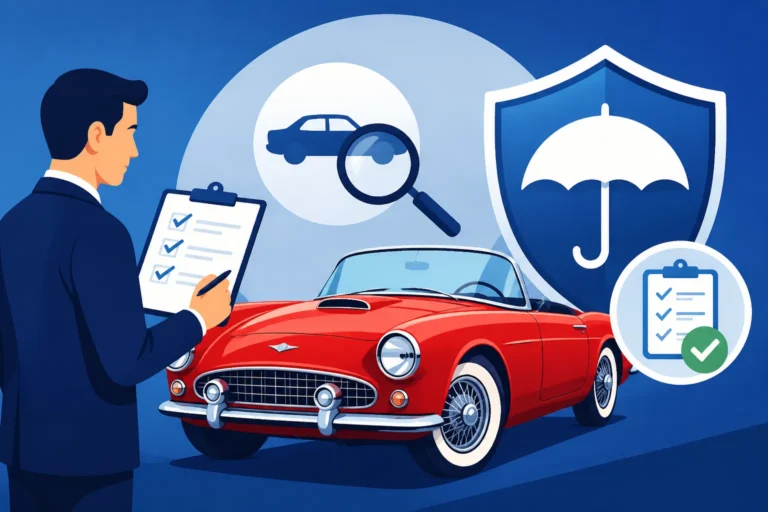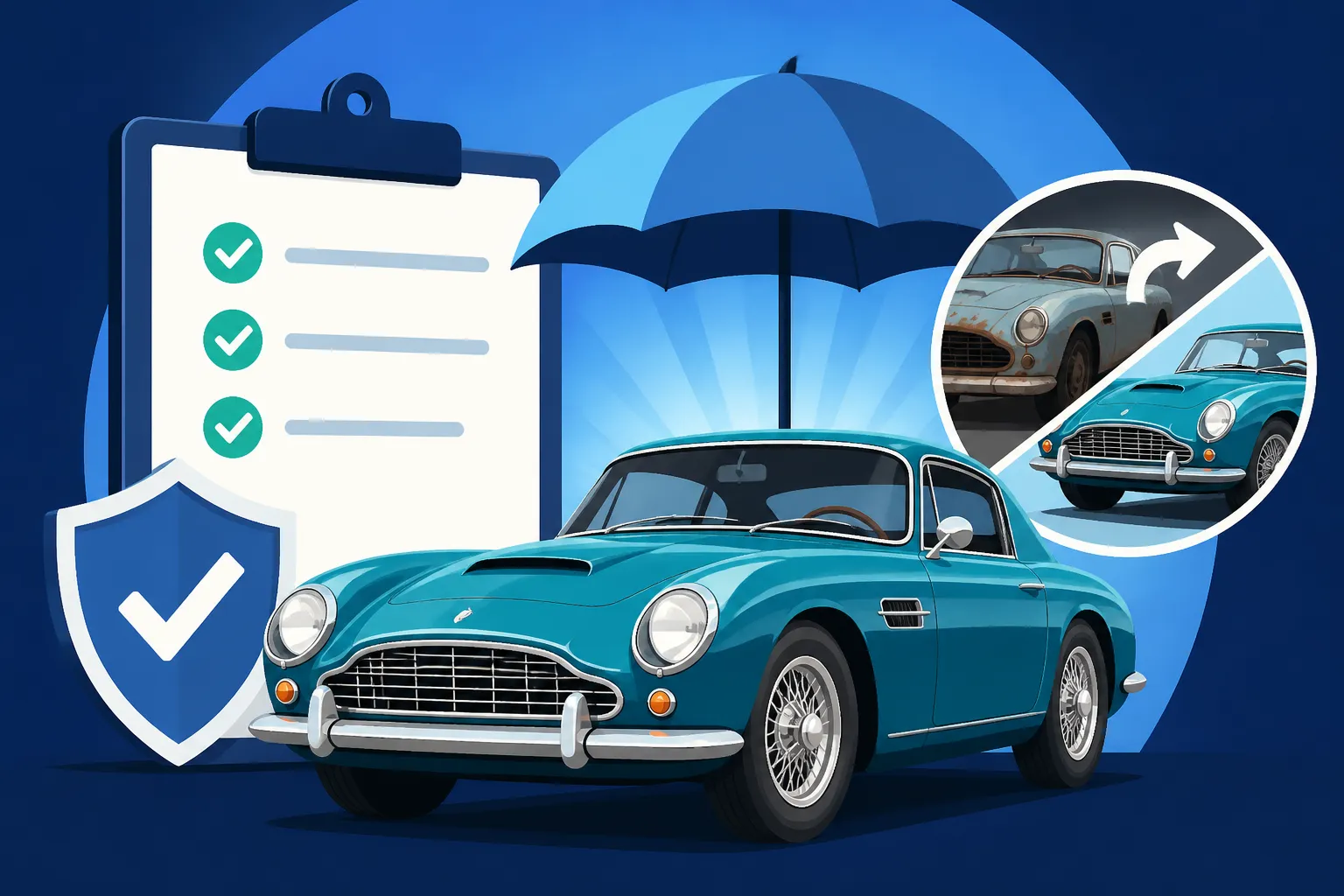
How to Update Coverage After Restoration
You've poured countless hours, sweat, and hard-earned cash into bringing your classic car back to its former glory, or perhaps even beyond. It's a labor of love, a true passion project, but what happens to your insurance policy once that final coat of paint is buffed and the engine roars to life like new? Many collectors overlook this critical step, risking significant financial loss should anything happen. This guide will walk you through exactly how to update your classic car insurance coverage after a restoration, ensuring your prized possession is protected for its true, enhanced value.
Why Your Classic Car's Insurance Needs an Update After Restoration
Imagine finally finishing that meticulous restoration of your 1969 Chevrolet Camaro, bringing it from a rusty shell to a concours-ready showstopper. The value has skyrocketed, reflecting all your hard work and investment. But if your insurance policy still reflects its "project car" status, you're sailing into seriously risky waters. This isn't just about paperwork; it's about protecting years of dedication and a significant financial commitment.
The Pitfalls of Underinsurance: What Happens If You Don't Update?
Failing to update your insurance after a full restoration is akin to insuring a diamond ring for the price of a cubic zirconia. If your beloved classic, now gleaming and perfect, is involved in an accident, stolen, or damaged by an unforeseen event like a fire or flood, your insurer will only pay out based on the value they had on record. This could mean receiving a settlement that barely covers the cost of the original, unrestored vehicle, leaving you thousands, or even hundreds of thousands, of dollars short of its actual worth. The heartbreak of losing your classic is immense, but the added financial blow of being severely underinsured can be truly devastating. You’ve invested so much in parts, labor, and expertise – from the specialized engine rebuild to the flawless paint job – and if your policy doesn't reflect that, all that investment could vanish in a puff of smoke.
Shifting from Project Car to Prized Possession: The Change in Risk Profile
Think about a car under restoration. It might be sitting in a garage, disassembled, or in various stages of repair. The risks associated with it are often different than a finished, road-ready vehicle. Perhaps it's covered under a specific Restoration Coverage for Classic Cars rider that accounts for parts and labor during the build. Once completed, your classic transforms from a project into a "prized possession" that will be driven, shown, and enjoyed. This shift changes its risk profile dramatically. It's now susceptible to road hazards, theft when out and about, and potential damage at car shows or events. Your insurer needs to know this transformation has occurred so they can accurately assess the risks and, more importantly, ensure the coverage matches the vehicle's new status and use. A project car might be valued based on its initial purchase price and parts, but a finished classic is valued on its condition, rarity, provenance, and the quality of its restoration.
Protecting Your Investment: Why Accurate Valuation Matters
The core reason for updating your policy is to protect your colossal investment. A classic car restoration isn't just a hobby; it's often a significant financial undertaking. From sourcing rare OEM parts to hiring expert mechanics and bodywork specialists, the costs add up quickly. Your insurance policy should reflect the culmination of this effort. This is where the concept of "agreed value" truly shines for restored vehicles. Unlike standard car insurance which depreciates a vehicle's value over time (Actual Cash Value), classic car policies, especially from specialty insurers, typically offer Agreed Value Coverage Explained. This means you and the insurance company agree on the car's value before the policy is issued or updated. After a restoration, this agreed value needs to be recalibrated to encompass every penny and hour you've poured into it. Without this accurate and updated valuation, you're leaving your investment vulnerable.
Understanding the "Agreed Value" Concept Post-Restoration
The "agreed value" is arguably the single most important aspect of classic car insurance, especially once your pride and joy has emerged from the restoration shop. It's the cornerstone of protecting your significant investment.
Recalibrating Your Classic's Worth: How Restoration Impacts Market Value
When you initially insured your classic, it might have been an unrestored driver, a barn find, or a work-in-progress. The agreed value at that time reflected that state. But a professional, high-quality restoration can dramatically increase a vehicle's market value. This isn't just about fixing things; it's about restoring it to, or often exceeding, its original factory specifications, using correct parts, finishes, and craftsmanship. Think of a 1965 Ford Mustang that was a tired, rusty coupe before you started. After a frame-off, rotisserie restoration, it might now command a price five or ten times its pre-restoration value. The market for classics is dynamic, and a fresh restoration, particularly if it's a popular model or a rare specification, can make a huge difference. Specialty insurers like Hagerty are keenly aware of these market fluctuations and the impact of quality restorations, often maintaining extensive databases of sales and auction results to help guide valuations. They understand that a beautifully restored Plymouth Barracuda or a pristine early Porsche 911 will hold a much higher value than a project car.
The Difference Between Pre- and Post-Restoration Agreed Value: A Crucial Distinction
It’s vital to understand that the agreed value from before your restoration is now essentially obsolete. That figure represented the car's condition and market value then. The post-restoration agreed value must reflect its current condition and the associated market appraisal. For example, if you had a 1957 Chevrolet Bel Air with an agreed value of $40,000 as a solid driver, a concourse-quality restoration that brings it up to show-winning standards could easily push its value to $100,000 or more. Your policy needs to clearly state this new, higher agreed value. If it doesn't, and the worst happens, you’ll find yourself disputing a payout based on the old, lower figure, which will be a frustrating and often losing battle. It's not just about the monetary value; it's about the inherent worth and collectibility that the restoration has instilled in the vehicle.
Inflation Guard and Future Value Appreciation: Planning Ahead
While you're updating your agreed value post-restoration, it's also a perfect time to consider "Inflation Guard" coverage. Many classic cars, especially those that are rare or highly sought-after, continue to appreciate in value over time, even after a restoration. Inflation Guard Coverage for Classic Cars Explained is an endorsement offered by some specialty insurers that automatically increases your vehicle's agreed value by a small percentage (e.g., 2% to 6%) each year at renewal, without requiring a new appraisal every single time. This helps keep your coverage aligned with the rising market value of your classic, saving you the hassle of annual updates and protecting against gradual underinsurance. It’s an excellent way to proactively safeguard your investment as the classic car market often sees steady appreciation for well-maintained, high-quality vehicles.
The Step-by-Step Process for Updating Your Policy
Updating your classic car insurance after a restoration doesn't have to be a headache. With the right preparation and a clear understanding of the process, you can ensure your treasured vehicle is fully protected.
Initiating Contact with Your Insurer: Who to Talk To and What to Say
The moment your restoration is complete and you're ready to drive your classic, or even just display it, it's time to contact your insurance provider. Don't delay! Reach out to your dedicated agent or the customer service line for your specialty classic car insurer. Clearly state that your vehicle, referencing its year, make, model, and VIN, has undergone a complete restoration and its value has significantly increased. Explain that you need to revise your policy's agreed value to reflect this new condition. Be prepared to discuss the scope of the restoration – whether it was a full frame-off, a meticulous refresh, or a significant mechanical overhaul. Many companies, like Hagerty, have specific departments or agents well-versed in handling these kinds of valuation updates because it’s a common occurrence in the collector car world.
Submitting New Documentation: What Forms and Photos Are Needed
This is where your diligent record-keeping during the restoration truly pays off. Your insurer will require evidence to support your new, higher agreed value. This typically includes:
- Detailed Restoration Records: All receipts for parts, materials, and specialized services. Itemized invoices from restoration shops, engine builders, paint shops, and interior specialists are crucial.
- "Before" and "After" Photos: A comprehensive collection of photographs showing the vehicle's condition before the restoration, during various stages of the process, and after its completion. High-resolution photos from multiple angles, highlighting key areas of work, are highly recommended.
- Professional Appraisal: While not always strictly mandatory for all value increases, a professional, independent appraisal from a certified classic car appraiser is often the most robust form of documentation, especially for significant value jumps or particularly rare vehicles. They provide an objective, expert assessment of your car's market value. You can learn more about How Classic Car Appraisals Work for Insurance to understand their importance.
- Documentation of Special Features: If your restoration included period-correct modifications, rare accessories, or significant upgrades that enhance value, document these specifically.
Organize all this information clearly. A digital folder with subfolders for photos, receipts, and appraisal documents can make the submission process much smoother.
Reviewing and Finalizing Your New Policy: Ensuring Everything is Correct
Once you've submitted your documentation, your insurer will review it and propose a new policy with an updated agreed value and potentially adjusted premiums. It is absolutely critical that you thoroughly review this new policy document. Check that:
- The Agreed Value is Correct: This is paramount. Ensure the number reflects what you and the insurer discussed and what your documentation supports.
- Coverage Types Are Still Appropriate: Confirm you still have comprehensive and collision coverage, not just liability. If your car will now be shown, ensure you have adequate Classic Car Show and Event Coverage Rules if offered.
- Deductibles: Review your chosen deductible amount.
- Mileage Limits: If your classic now sees more use, check that the Classic Car Insurance Mileage Limits by State still align with your intended driving habits.
- Additional Coverages: Make sure any crucial add-ons like Spare Parts Coverage Explained, roadside assistance, or trip interruption are still in place or have been added if desired.
Don't hesitate to ask questions if anything is unclear. Your agent should be able to walk you through every detail. Once you're satisfied, confirm the changes and make sure you receive updated policy declarations.
Documentation is King: Proving Your Restoration Investment
When it comes to insuring a restored classic, documentation is your best friend. It’s not just about showing off; it's about proving the tangible value you've added to your vehicle. Without solid proof, your insurer might hesitate to agree to the higher valuation you believe your car deserves.
Comprehensive Records: Receipts, Invoices, and Work Orders
Every single part, every hour of labor, and every service rendered during your restoration should have a paper trail. This includes:
- Purchase Receipts for Parts: From a new carburetor to a full interior kit, keep detailed receipts. Note the vendor, date, and price. Even small items add up and contribute to the overall value.
- Invoices from Shops: If you hired professionals for engine rebuilds, paint and bodywork, upholstery, chrome plating, or transmission work, ensure you receive detailed, itemized invoices. These should list parts used, labor hours, and specific tasks performed.
- Personal Labor Logs: Even if you did much of the work yourself, keep a meticulous log of the hours you spent. While insurers typically don't cover your personal labor in the payout, it helps demonstrate the scope of the restoration and your commitment, which can support a higher agreed value.
- Photography of Components: Sometimes, showing a receipt for a rare NOS (New Old Stock) part isn't enough; a photo of it installed can further bolster your claim of quality and authenticity.
This mountain of paperwork proves not just that money was spent, but how it was spent, demonstrating the quality and extent of the restoration. This type of detail helps your insurer understand the true increase in your car's worth.
Visual Evidence: Before, During, and After Photos
A picture is worth a thousand words, and in the world of classic car insurance, it's worth thousands of dollars.
- "Before" Photos: These are crucial for demonstrating the starting point. Show any rust, damage, worn components, or general condition that clearly illustrates the vehicle needed extensive work.
- "During" Photos: Documenting the restoration process itself is incredibly valuable. Take photos of major milestones: the body separated from the frame, engine disassembled, paint stripping, primer application, and intricate assembly steps. These photos demonstrate the depth of the restoration, proving it wasn't just a quick paint job but a comprehensive overhaul. They can also provide a visual narrative of specialized work, like rebuilding a rare engine or fabricating custom panels.
- "After" Photos: Once the restoration is complete, take professional-quality photos of your finished classic from every angle – interior, exterior, engine bay, trunk, and undercarriage. Highlight the perfect paint, pristine chrome, fresh upholstery, and any unique features or rare options. These photos are the visual testament to the quality and success of your efforts. Think of them as the classic car equivalent of a real estate appraisal photos, showcasing all the improvements.
Professional Appraisals: When They Are Essential and How to Get One
While your detailed records and photos are strong evidence, a professional appraisal carries significant weight with insurance companies. It's an impartial, expert opinion on your vehicle's market value.
- When to Get One: A professional appraisal is highly recommended, if not required, for:
- Significant value increases (e.g., doubling or tripling in value).
- High-value classics (e.g., over $75,000 to $100,000, depending on the insurer).
- Rare or unique vehicles where market comparisons are scarce.
- Custom builds, hot rods, or heavily modified classics where standard valuation guides may not apply.
- To get a better understanding of Appraisal Requirements for Classic Car Insurance.
- How to Get One:
- Find a Certified Appraiser: Look for appraisers who specialize in classic and collector vehicles and are certified by reputable organizations. They should be familiar with the specifics of your car's make and model.
- Prepare Your Car: Have your car clean and accessible for the appraiser. Provide them with all your restoration records, receipts, and photos. This allows them to verify the quality of work and originality of components.
- Review the Appraisal Report: A good appraisal report will be detailed, including numerous photos, a comprehensive description of the vehicle, its condition, and a clear market valuation with comparable sales data. Ensure it meets your insurer's specific requirements.
Navigating Potential Challenges and Avoiding Pitfalls
Even with the best intentions and meticulous record-keeping, you might encounter a few bumps when updating your classic car insurance. Being aware of these common challenges can help you navigate them smoothly.
Disputes Over Valuation: How to Handle Disagreements with Your Insurer
It’s possible that your insurer might not agree with your proposed post-restoration value, especially if it represents a substantial increase. This can be frustrating, but it's important to approach it systematically.
- Lean on Your Documentation: This is where those comprehensive records and photos become invaluable. Present them clearly and concisely. If you have a professional appraisal, it will be your strongest argument.
- Market Research: Conduct your own research on recent sales of similar vehicles in comparable condition. Websites like Bring a Trailer, Mecum Auctions, and even dedicated classic car forums can provide valuable data. Hagerty's Valuation Tool, for example, is a widely recognized resource for understanding market trends and values. Present this comparable data to your insurer.
- Escalate if Necessary: If you're still at an impasse, ask to speak with a supervisor or a specialist in their classic car division. Sometimes a different set of eyes can make a difference. If you used an independent agent, they can often advocate on your behalf.
- Consider Other Insurers: If you genuinely believe your insurer is under-valuing your car and refusing to budge, it might be time to shop around. Different classic car insurers may have different approaches to valuation. Looking into other providers might give you options if your current provider is not being flexible with your new agreed value. You can easily get quotes from multiple providers to see if their valuation is more aligned with your expectations.
Choosing the Wrong Coverage Type: Avoiding Stated Value Post-Restoration
One of the biggest pitfalls collectors fall into is opting for "stated value" coverage instead of "agreed value," especially after a restoration. While stated value policies might appear cheaper, they can be incredibly misleading and leave you severely underinsured. Agreed Value vs Stated Value vs Actual Cash Value is a crucial comparison to understand. With stated value, the insurance company states a maximum payout, but in the event of a total loss, they reserve the right to pay out the actual cash value (ACV) or market value at the time of loss, whichever is less. This means if your market value has dropped for some reason, or if they decide your stated value was too high, you could receive significantly less than what you believed your car was insured for. After investing so much in a restoration, you absolutely need the certainty and protection of an agreed value policy, where the payout is fixed at the number you both agreed upon, regardless of market fluctuations after the policy is bound.
Forgetting to Update Additional Coverages: Spare Parts, Tools, and More
A restoration often involves acquiring rare or expensive spare parts, specialized tools, and even automobilia that relates to your classic. Don't let these valuable assets go unprotected. Many classic car policies offer riders for:
- Spare Parts Coverage: If you have a collection of original or hard-to-find spare parts, ensure they are covered. Imagine spending years tracking down an NOS carburetor or a period-correct trim piece, only for it to be stolen from your garage or damaged in a fire. This coverage is essential.
- Tools and Equipment Coverage: If you have a dedicated workshop with specialized tools for classic car maintenance and repair, discuss coverage options.
- Automobilia and Memorabilia: For some collectors, the automobilia (vintage signs, racing posters, model cars, historical documents) associated with their classic is almost as valuable as the car itself. These collections can often be added to your policy.
Always confirm that these crucial add-ons are properly noted and valued on your updated policy. It's about protecting the entire ecosystem of your classic car hobby, not just the vehicle itself.
Choosing the Right Coverage Enhancements for Your Newly Restored Classic
Your newly restored classic isn't just a car; it's a piece of art, a moving sculpture, and a testament to craftsmanship. Standard insurance simply won't cut it. Beyond merely updating the agreed value, it’s imperative to explore the specialized coverage enhancements designed specifically for collector vehicles.
Beyond Basic Coverage: What Optional Add-ons to Consider
When you update your policy, it's the perfect opportunity to review all available options and ensure you have truly comprehensive protection. Think about how you plan to use and protect your beautifully restored vehicle.
- Roadside Assistance and Towing: While all modern cars benefit from roadside assistance, it’s absolutely critical for classics. These cars might be less reliable than new vehicles, and if you break down, you can't just call any tow truck. You need specialized, flatbed towing to prevent further damage to delicate components, lowered suspensions, or pristine paint jobs. Many specialty insurers offer Roadside Assistance Coverage for Classic Cars Explained that specifically includes flatbed towing, ensuring your car is transported safely.
- Trip Interruption Coverage: If you plan on taking your restored classic on long-distance tours or rallies, trip interruption coverage can be a lifesaver. This add-on helps cover expenses like lodging, meals, and alternative transportation if your vehicle breaks down far from home. It acknowledges that your classic isn't just a local cruiser, but a vehicle designed for adventures, albeit vintage ones.
- Inflation Guard: As mentioned earlier, even after a restoration, many classics continue to appreciate. Inflation Guard provides a yearly increase in your agreed value, typically 2-6%, helping keep pace with the market without constant re-appraisals. This is an easy way to ensure your car isn't slowly becoming underinsured again.
- Cherished Salvage Coverage: In the devastating event of a total loss, some collectors want the option to retain the damaged vehicle to salvage sentimental parts or for future restoration, even if it’s totaled out. This coverage allows you to receive your agreed value payout and keep the vehicle, typically with a reduced payout to reflect the salvage value.
Show and Event Coverage: Protecting Your Pride and Joy at Exhibitions
One of the greatest joys of owning a restored classic is sharing it with others, whether at local cruise-ins or prestigious concours events. However, these environments come with their own unique risks.
- Coverage During Transit: Getting your classic to and from a show can be risky. Ensure your policy covers the vehicle not only when being driven but also when being trailered or shipped.
- Damage at the Event: While most enthusiasts are respectful, accidents happen. A falling display item, an errant stroller, or even another vehicle backing up can cause damage. Your comprehensive and collision coverage should extend to these scenarios.
- Theft at Events: Unfortunately, car shows can also attract thieves. While specialty insurers often have specific requirements for Garage Storage Requirement for Classic Cars, ensure your policy provides adequate protection when your car is displayed publicly. Many policies will cover theft at a show. Check if there are any specific requirements for security, such as always locking the vehicle or staying within sight of it.
Touring and Rally Coverage Requirements
For those who love to drive their classics, attending tours, rallies, and club events is a big part of the experience. These activities involve more than just a short Sunday drive, and your insurance should reflect that.
- Extended Use During Events: Standard classic car policies often have strict mileage limits, such as 2,500 or 5,000 miles per year, and may categorize driving as "pleasure use." Long-distance tours can quickly exceed these limits or fall outside the typical definition of pleasure driving. Discuss your participation in specific tours or rallies with your insurer. Some companies, like Hagerty, offer specialized endorsements for extended touring or may simply be more flexible with mileage if you communicate your intent.
- Out-of-State Travel: If your rallies take you across state lines, confirm that your coverage is valid nationwide. Most reputable classic insurers provide this, but it’s always good to verify.
- Specific Rally Endorsements: Some demanding rallies might have specific insurance requirements. Be sure to check with the event organizers and then communicate those to your insurer to ensure you meet all necessary criteria for coverage. You'll want to avoid any surprises regarding Classic Car Insurance Requirements Explained for specialized events.
By thoughtfully considering these optional coverages, you can tailor your classic car insurance policy to truly match your restored vehicle's value, your usage patterns, and your overall peace of mind.
| Documentation Type | Purpose | Key Details to Include | Insurer Preference (General) |
|---|---|---|---|
| Restoration Receipts | Proof of financial investment in parts and materials | Itemized list of parts, cost, vendor, date. | High (Direct proof of expense) |
| Shop Invoices | Proof of professional labor and specialized services | Itemized labor hours, specific tasks performed, cost, shop details. | High (Verifies professional work) |
| Before & After Photos | Visual evidence of transformation and quality | High-resolution images from multiple angles, before/during/after shots, detail shots. | Very High (Visual proof of value) |
| Professional Appraisal | Independent, expert assessment of market value | Detailed vehicle description, condition report, comparable sales data, appraiser credentials. | Highest (Objective third-party validation) |
| Personal Labor Log | Demonstrates scope and dedication (not for payout) | Hours spent, tasks performed (e.g., "50 hours on body prep"). | Medium (Supports scope of work) |
| Market Comparables | Research on similar recently sold vehicles | Links to auction results, classifieds for identical models in similar condition. | High (Supports market value claim) |
Disclaimer
Please remember that this guide provides general information about updating classic car insurance coverage after a restoration. Insurance policies and requirements can vary significantly by insurer, state, and the specific characteristics of your vehicle. It is crucial to consult directly with a qualified insurance agent or your classic car insurance provider to discuss your specific needs and obtain accurate, personalized advice and coverage. This content is not a substitute for professional insurance counsel.