How to Cancel Regular Coverage After Adding Classic
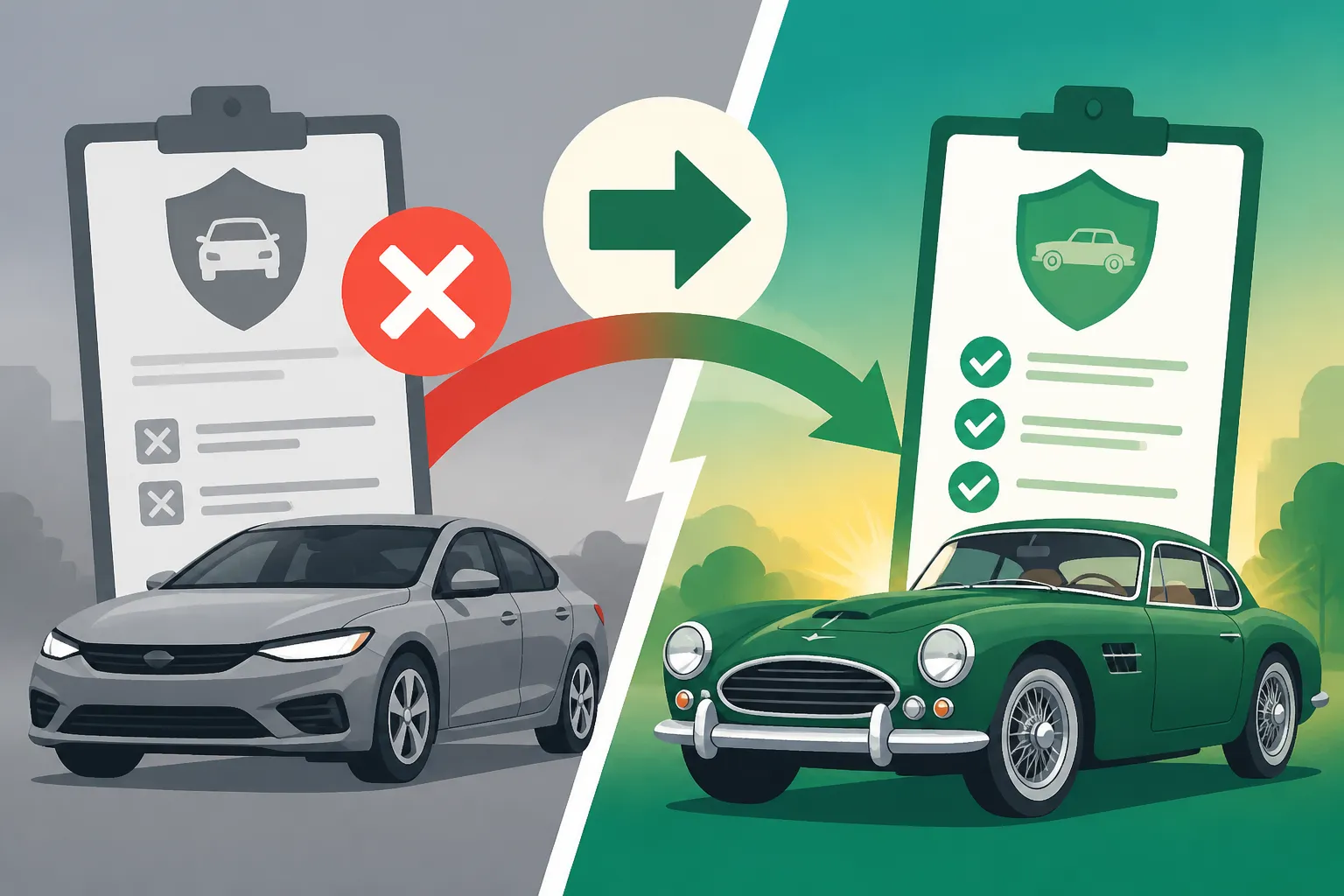
Making the switch to classic car insurance can feel like navigating a winding back road, especially when you're trying to figure out how to properly transition from your standard auto policy. Many enthusiasts worry about accidental coverage gaps or losing money on their old policy. This guide is designed to walk you through the essential steps for safely canceling your regular car insurance after you've secured specialized classic coverage, ensuring your prized possession is always protected without a hitch.
Why the Switch from Regular to Classic Coverage is Essential
It's a common misconception that your everyday car insurance policy is sufficient for your vintage pride and joy. Many people just assume their insurer will treat a '67 Mustang like a newer sedan, but that couldn't be further from the truth. The reality is, standard policies are simply not designed to protect the unique value and usage patterns of a collectible vehicle, which can lead to significant headaches and financial loss if you're not properly covered.
Understanding the Differences Between Policy Types
When you insure a modern daily driver, the insurance company typically uses Actual Cash Value (ACV) to determine a payout after an incident. This means they factor in depreciation – the older your car gets, the less it's generally worth to them. For a classic car, this approach is disastrous because classics appreciate in value or hold their value based on factors like rarity, restoration quality, and market demand, not depreciation. This is precisely why understanding the nuances of Agreed Value vs Stated Value vs Actual Cash Value is so critical. Specialty classic car insurance, on the other hand, typically offers "Agreed Value" coverage. This means you and the insurer agree on your car's value before the policy starts. If a total loss occurs, you get that agreed-upon amount, no questions asked about depreciation. This peace of mind is invaluable for any collector.
Think about it this way: imagine your meticulously restored 1969 Camaro, valued at $75,000, suffers a total loss under a standard ACV policy. Your insurer might only offer you $20,000 because, to them, it's just an old car that depreciates. Now, if you had an Agreed Value policy, you'd receive the full $75,000 you agreed upon, allowing you to replace or rebuild your cherished vehicle. This fundamental difference is why a dedicated classic car policy is not just a preference, but a necessity.
The Risks of Keeping Standard Auto Insurance
Beyond the valuation nightmare, keeping your classic on a standard policy poses several other significant risks. Regular insurance companies often have strict rules about vehicle usage and storage that don't align with how most classic cars are enjoyed. They might not understand that your classic isn't driven daily, or that it's stored in a secure, climate-controlled garage. This misunderstanding can lead to denied claims or insufficient coverage when you need it most.
For instance, a standard policy might not cover your car if it's only driven to weekend car shows or club events, as they're looking for typical commute patterns. Furthermore, many standard insurers don't offer specialized coverages vital for collectors, such as Restoration Coverage for Classic Cars or Spare Parts Coverage Explained. These add-ons can be crucial for protecting your investment in ongoing projects or a valuable stash of rare original parts. Without these, a mishap during restoration or the theft of valuable components could leave you with a substantial personal loss. This is why learning What Does Classic Car Insurance Cover is so vital before making any decisions.
The Critical Steps to Seamlessly Cancel Your Regular Policy
The thought of canceling an insurance policy can often feel more daunting than buying a new one. No one wants to end up in a situation where their pride and joy is uninsured, even for a single day. The key to a smooth transition is meticulous planning and clear communication. Once you've gone through the process of How to Get a Classic Car Insurance Quote and have a new policy secured, the next step is to carefully disengage from your old one.
Timing is Everything: Avoiding Coverage Gaps
The absolute golden rule when switching insurance is to ensure there is zero overlap in coverage, or rather, no gap. You want your new classic car policy to activate the very day your old standard policy ends. Never cancel your existing policy before your new one is firmly in place and confirmed. Imagine a scenario: you cancel your regular policy on a Friday, thinking your new classic policy starts Monday. If you take your classic out for a celebratory drive that weekend and an accident occurs, you are completely uninsured. That's a disaster no one wants.
Instead, when you're setting up your new classic car insurance – perhaps with a specialist like Hagerty – you'll establish a specific effective date. Once that date is locked in and you have confirmation of your new policy's active status, then you can contact your current standard insurer to cancel. Aim for your cancellation date to be the exact same day your new policy begins, or the day after your new policy takes effect, ensuring continuous coverage. This careful timing is crucial when you want to How to Switch to Classic Car Insurance.
Gathering Necessary Documentation
Before you pick up the phone to cancel, make sure you have all your ducks in a row. Having the right information at your fingertips will make the cancellation process much smoother and prevent unnecessary delays. You'll want to have both your old and new policy details readily available.
Here's a checklist of what you'll typically need:
- Your old policy number: This identifies your current coverage.
- The effective date of your new classic car policy: This is the precise date your new coverage began.
- The name of your new insurance provider: For verification purposes.
- Your vehicle identification number (VIN) for the classic car: To confirm which vehicle is being removed from the old policy.
- Personal identification details: Such as your full name, address, and date of birth, to verify your identity.
Some insurance companies might also ask for proof of your new insurance, like a copy of your new insurance card or declaration page. Having this prepared ahead of time can expedite the process.
Communicating with Your Current Provider
When it comes to canceling, a direct phone call is usually the most effective method. While some insurers offer online cancellation forms, speaking to a representative allows you to confirm details, ask questions about refunds, and receive immediate confirmation.
Here’s a step-by-step approach for your conversation:
- State your intention clearly: Inform the representative that you wish to cancel the specific policy for your classic vehicle because you have secured specialty classic car insurance.
- Provide your new policy details: Share the name of your new insurer and the effective date of your new policy to demonstrate you have continuous coverage. This is especially important as your current insurer might try to dissuade you or question why you're switching. Explaining the unique benefits of What to Look for in a Classic Car Policy from a specialist like Hagerty can help them understand your decision.
- Confirm the cancellation date: Explicitly state the desired cancellation date, ensuring it aligns perfectly with your new policy's start date.
- Inquire about prorated refunds: Ask if you're eligible for a prorated refund on any premiums you've already paid for coverage beyond the cancellation date. Most policies will offer this, but it's good to confirm.
- Request written confirmation: Always, always, always ask for written confirmation of your cancellation, including the effective date and any refund details. This serves as vital documentation should any future discrepancies arise.
Be prepared for them to try and retain your business. They might offer incentives or try to match your new policy, but remember why you're switching – standard policies fundamentally don't offer the specialized protection your classic needs.
Potential Pitfalls and How to Avoid Them
Even with careful planning, canceling an insurance policy can sometimes throw a curveball. Being aware of potential issues beforehand can help you navigate them smoothly and ensure you don't encounter any unpleasant surprises. Many collectors have faced these issues, and learning from their experiences can save you a lot of grief.
Prorated Refunds and Cancellation Fees
One of the first things people wonder about when canceling early is whether they'll get their money back. Most insurance companies will provide a prorated refund for any unused portion of your premium. For example, if you paid for a full year of coverage upfront and cancel six months in, you should receive a refund for the remaining six months. However, some policies may have cancellation fees, especially if you're canceling mid-term without a valid reason (like selling the car).
It's crucial to confirm with your existing insurer whether any such fees apply. If they do, weigh the fee against the benefits and potential savings of your new classic car policy. Often, the long-term protection and tailored coverage of a specialty policy, like those offered by American Collectors Insurance or J.C. Taylor, far outweigh any small cancellation fee. Always document the amount of any refund and when you can expect to receive it. If it doesn't arrive as promised, you'll have the details ready for follow-up.
Verifying Proof of New Coverage
As mentioned, some standard insurers might request proof that you've secured new coverage before they process your cancellation, especially if you're removing the only vehicle from a policy. This isn't usually an attempt to be difficult, but rather a safeguard to ensure you're not driving an uninsured vehicle, which has legal implications.
Make sure your new classic car insurance documents are easily accessible. This could be your insurance ID card, a copy of your declaration page, or even a binder letter from your new insurer (often like Hagerty or Grundy) confirming coverage. If you're struggling to obtain this quickly, contact your new classic insurer's agent; they are typically very responsive in providing the necessary documentation to facilitate a smooth transfer. This step is a good practice for anyone learning How to Compare Classic Car Insurance Quotes as it ensures you have all the necessary paperwork.
Multi-Car and Bundling Considerations
If your classic car was one of several vehicles on a multi-car policy with your standard insurer, or if you had bundled your auto insurance with home insurance for a discount, canceling the classic car's portion can sometimes affect your overall rates. Removing a vehicle might cause you to lose a multi-car discount on your remaining vehicles, or it could impact your bundle discount.
Before canceling, ask your current insurer how removing the classic car will affect your other policies and any discounts you currently receive. Sometimes, the increase on your remaining policies might be negligible, but it's vital to be aware. You might find that even with a slight increase on your daily drivers, the specialized benefits and appropriate valuation for your classic car make the switch entirely worthwhile. Conversely, some specialty classic insurers, like Hagerty, offer excellent multi-car collector policies that can even extend to modern collectibles or other enthusiast vehicles, allowing you to keep all your treasures under one roof without bundling compromises. This is particularly relevant if you're exploring Requirements for a Multi-Vehicle Collection Policy.
Here's a quick reference table for managing your classic car insurance transition:
| Step | Action | Key Consideration |
|---|---|---|
| 1. Secure New Policy | Get quotes, choose a specialty insurer, and finalize your classic policy. | Confirm "Agreed Value" and effective start date. |
| 2. Gather Documentation | Collect old policy number, new policy details (insurer, effective date). | Have new insurance ID or declaration page ready. |
| 3. Contact Old Insurer | Call your standard auto insurance provider. | Speak to a representative; avoid online forms for cancellation. |
| 4. State Intent & Date | Clearly state you're canceling coverage for your classic on date. | Cancellation date should align with (or just after) new policy's start. |
| 5. Inquire About Refund/Fees | Ask about prorated refunds and any potential cancellation fees. | Document refund amount and expected arrival. |
| 6. Request Confirmation | Ask for written confirmation of cancellation. | Keep this document for your records; essential for any disputes. |
| 7. Check Other Policies | If part of a bundle/multi-car, confirm impact on other discounts/rates. | Adjust budget or explore options for other vehicles if necessary. |
What to Do After Cancellation
Congratulations! You've successfully navigated the waters of transitioning your classic car to its rightful place under a specialized insurance policy. But the process isn't quite over. There are a few crucial post-cancellation steps you should take to ensure everything is buttoned up, preventing any future headaches or unexpected issues. Think of it as the final polish after a meticulous detail – it ensures long-term shine and protection.
Documenting the Cancellation Confirmation
This step cannot be stressed enough: always keep written proof of your cancellation. Whether it's an email confirmation, a physical letter, or a screenshot of an online portal showing the cancellation has been processed, make sure you have it. This document should clearly state the effective date of cancellation, the policy number, and ideally, that no further premiums are owed or that a refund has been processed.
Why is this so important? Because sometimes, administrative errors happen. You might find a month or two down the line that your old insurer mistakenly billed you again, or sent you a "past due" notice. Having that written confirmation is your ultimate safeguard. You can simply present it, and the issue will typically be resolved quickly. Without it, you might be stuck in a frustrating battle to prove you canceled when you said you did. File this document away with your other important classic car papers, like your title, appraisal, and new insurance policy.
Updating Your Records and Staying Organized
Once the cancellation is confirmed and documented, take a moment to update your personal and financial records. Remove the old insurance company's information from any automatic payment systems you might have set up. Update your budget to reflect your new classic car insurance premium, especially if you found that Classic Car Insurance Is Cheaper Than Regular, which is often the case.
Beyond financial matters, keeping all your classic car documentation organized is a best practice for any collector. Create a dedicated folder – either physical or digital – for your classic car. This folder should contain:
- Your vehicle's title and registration
- Maintenance records and restoration receipts
- Appraisal documents (if applicable for How Classic Car Appraisals Work for Insurance)
- Your new classic car insurance policy documents and ID card
- The old policy's cancellation confirmation
This comprehensive approach not only helps you stay on top of your vehicle's history but also makes it significantly easier if you ever need to file a claim, sell the car, or just reference details quickly. For example, if you have a Hagerty policy, their online portal often provides easy access to all your documents, but a backup physical copy is always a good idea. Staying organized will truly make your life as a classic car owner much more enjoyable and stress-free.
Disclaimer
Please remember that this article provides general information and guidance. Insurance regulations and policies can vary significantly by state and individual circumstances. It is always recommended to consult directly with your current insurance provider and your new classic car insurance specialist to understand the specifics of your coverage and cancellation process. This guide is not a substitute for professional legal or financial advice.