How to Switch to Leland-West Classic Car Insurance
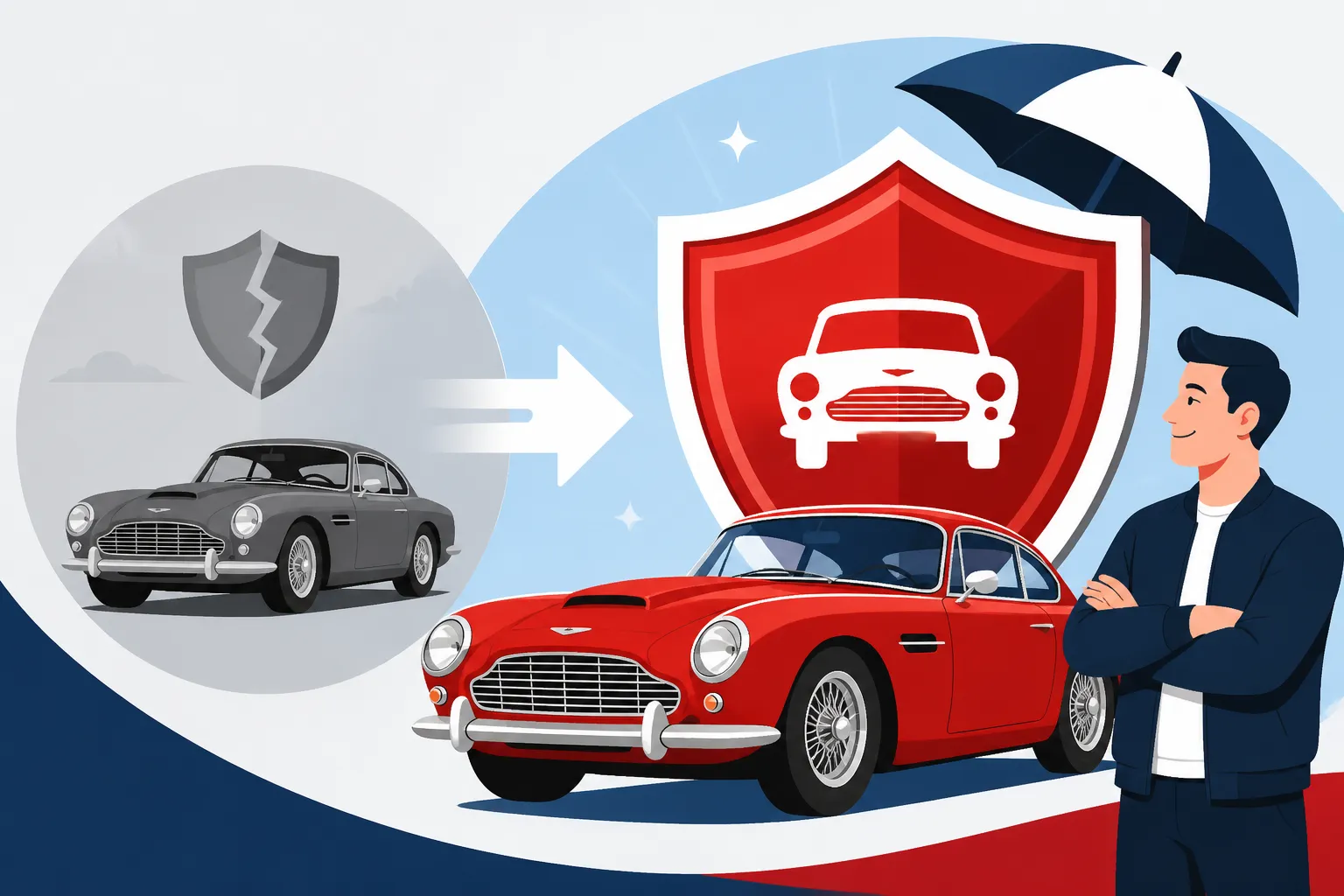
Switching insurance providers can feel like navigating a classic car rally without a map – confusing, with plenty of twists and turns. Many classic car enthusiasts find themselves stuck with standard auto policies that just don't understand the unique value and passion invested in their beloved vehicles. This comprehensive guide is here to uncomplicate that journey, walking you through every step of seamlessly transitioning your cherished ride's coverage to a specialty insurer like Leland-West Classic Car Insurance, ensuring your pride and joy gets the protection it truly deserves.
Understanding Why Collectors Switch to Specialty Insurance
It's a common story: you've lovingly restored a vintage Mustang or a sleek '60s Porsche, only to find your everyday insurance company treats it like any other commuter car. The truth is, standard auto insurance simply isn't designed for the unique needs of a collectible vehicle. This mismatch often leads to significant frustration and, more importantly, inadequate protection when it matters most.
The Limitations of Standard Auto Policies for Classics
When you insure a classic car with a regular auto policy, you're usually getting Actual Cash Value (ACV) coverage. What does that mean for your 1967 Chevrolet Corvette, which you've poured countless hours and dollars into? It means if something terrible happens, like a fender bender or theft, the insurer will likely pay out what they deem the car was worth at the time of the incident, factoring in depreciation. For a classic, depreciation can be a dirty word. Your car doesn't depreciate; it appreciates, or at least holds its value in a way no modern car can. This fundamental difference is why many collectors find themselves vastly underinsured.
Furthermore, standard policies often don't understand the "pleasure use" nature of classics. They might not cover specific events like car shows, parades, or even leisurely Sunday drives. There's also the issue of specialized repairs. If your vintage engine needs a specific part, a regular insurer might push for aftermarket or generic parts, rather than the authentic, often custom-made components that maintain your car's integrity and value. The lack of understanding for these nuances makes them a poor fit for anyone serious about their classic.
The Advantages of Specialty Providers like Leland-West
This is where specialty insurers shine, and why so many dedicated enthusiasts choose to switch to classic car insurance. Companies like Leland-West focus solely on collectible vehicles, understanding their unique market, repair costs, and usage patterns. The biggest advantage is almost always the "Agreed Value" coverage. Instead of ACV, you and the insurer agree on the car's value before the policy begins. If your car is a total loss, you get that agreed-upon amount, no questions asked about depreciation. This peace of mind is invaluable, knowing your investment is truly protected. To fully grasp the distinction, it’s worth reviewing the differences between Agreed Value vs Stated Value vs Actual Cash Value.
Beyond Agreed Value, specialty providers offer tailor-made coverages. This might include "Restoration Coverage for Classic Cars", which protects your vehicle while it's being worked on, or "Spare Parts Coverage Explained" to cover that NOS carburetor you just snagged. They also typically have lower mileage limits, acknowledging that classics aren't daily drivers, which often translates to lower premiums. Their agents are typically enthusiasts themselves, speaking your language and truly understanding the passion that goes into owning and maintaining a classic car.
Preparing for Your Switch to Leland-West Classic Car Insurance
Switching insurance doesn't have to be a headache, especially when you're moving to a provider that truly understands your needs. A little preparation goes a long way in making the transition to Leland-West as smooth as a freshly waxed chrome bumper.
Gathering Essential Vehicle and Personal Information
Before you even think about getting a quote, you'll want to have all your ducks in a row. Imagine you're at a classic car show, proudly displaying your vehicle; you'd have all its details ready, right? It's the same here. You'll need:
- Vehicle Identification Number (VIN): This is crucial for any insurance quote.
- Year, Make, and Model: Obvious, but don't forget specific trim levels or special editions if applicable.
- Modifications and Upgrades: Any significant changes, especially those that add value or alter performance (e.g., engine swaps, custom paint, suspension upgrades). Be prepared to detail these.
- Storage Location: Where is the car kept? Most specialty insurers require secure, enclosed storage, like a locked garage. This is often a key eligibility requirement.
- Intended Use: How often do you drive it, and for what purpose? (e.g., pleasure drives, car shows, club events). Leland-West, like other specialty insurers, will want to understand your classic car insurance mileage limits by state and usage.
- Driver Information: Details for all drivers who will be operating the vehicle, including driving records.
- Current Insurance Information: Having your current policy details handy will help you compare coverage and ensure a seamless overlap.
Having these details organized will make the quote process much faster and more accurate. Think of it like a checklist to ensure you don't miss anything that could impact your coverage or premium.
Valuing Your Classic Car Accurately
This is arguably the most critical step when dealing with Agreed Value policies. You want to ensure the agreed value truly reflects your car's worth. Overvaluing can lead to higher premiums, while undervaluing can leave you short if a total loss occurs. So, how do you determine this magical number?
- Market Research: Dive into recent sales data for similar vehicles. Websites like Bring a Trailer, Mecum Auctions, and even dedicated classifieds for your specific make/model can provide excellent insights. What are comparable cars actually selling for?
- Appraisals: For higher-value or highly customized classics, a professional appraisal is often invaluable, and sometimes even required by insurers. An independent, certified appraiser will thoroughly inspect your vehicle, document its condition, originality, and any modifications, providing a detailed report that supports its value. This is especially important for unusual or rare models. Understanding how classic car appraisals work for insurance is a great start.
- Documentation: Keep meticulous records of all restoration work, parts purchased, and any professional labor. These records can significantly bolster your valuation argument. Even photos before, during, and after restoration are helpful.
Leland-West will work with you to establish an appropriate Agreed Value, often relying on a combination of your provided information, their own market data, and possibly an appraisal. Being prepared with solid evidence of your car's worth will ensure you get the best possible coverage.
The Step-by-Step Process for Switching to Leland-West
Once you've done your homework, the actual process of switching over to Leland-West is fairly straightforward. It's about careful execution to ensure continuous coverage and the best possible terms.
Getting Your Leland-West Quote
The first concrete step is to get a quote from Leland-West. You have a few options for this:
- Online: Many collectors prefer starting online. Leland-West's website, like many specialty insurers, offers an intuitive online quote system where you can input all the information you gathered. This is often the quickest way to get an initial estimate and compare different coverage options.
- Phone Call: If your vehicle is particularly unique, highly modified, or you simply prefer a human touch, calling Leland-West directly can be a great option. Their agents are typically well-versed in classic cars and can ask the right questions to ensure you get comprehensive coverage tailored to your specific needs. They can also explain various classic car insurance coverage types explained in detail.
- Independent Agent: Many collectors work with independent insurance agents who specialize in classic cars. These agents often work with multiple specialty carriers, including Leland-West, and can help you compare classic car insurance quotes side-by-side. This can be particularly helpful if you're new to specialty insurance and want expert guidance.
When you're getting your quote, be sure to ask about any specific endorsements or add-ons that might be relevant, such as coverage for "Automobilia and Memorabilia Coverage" if you have a collection of related items, or "Roadside Assistance Coverage for Classic Cars" designed for flatbed towing. Don't be shy about asking questions; a good agent will be happy to explain everything in detail.
Reviewing Your Policy and Making the Switch
Once you receive your quote from Leland-West, it's time to put on your meticulous hat. Don't just look at the premium amount. Dig into the details:
- Agreed Value: Confirm that the Agreed Value for your vehicle matches your expectations and research. This is paramount.
- Coverage Details: Ensure all the types of coverage you need are included (e.g., liability, collision, comprehensive, restoration, spare parts, etc.). Understand the limits and deductibles for each. For instance, make sure your classic car liability requirements by state are met.
- Exclusions: Read the fine print. Are there any specific exclusions that might impact your usage or potential claims?
- Mileage Limit: Double-check the annual mileage limit and ensure it aligns with how you plan to use your classic. If you're a bit of a road tripper, you might want to look into higher mileage tiers.
- Driver Restrictions: Understand who is allowed to drive the vehicle and any age restrictions for drivers in your household.
- Premium and Payment Schedule: Confirm the total cost and your preferred payment schedule (monthly, annually, etc.).
If everything looks good and you're happy with the coverage and cost, you can proceed to accept the quote and pay your first premium. At this point, you'll be setting an "effective date" for your new policy. This date is crucial for coordinating with your old policy.
Canceling Your Old Policy and Ensuring No Gaps
This is a critical step that requires careful planning to avoid any lapse in coverage. You never want your classic to be uninsured, even for a day.
- Coordinate Effective Dates: Set your Leland-West policy's effective date to be the same day your old policy officially ends. This ensures continuous coverage.
- Inform Your Old Insurer: Once your Leland-West policy is confirmed and active, contact your previous insurance company to inform them you're canceling your policy. Be clear about the cancellation date. They may try to offer you a better deal, but stick to your decision if Leland-West offers superior specialized coverage.
- Get Proof of Cancellation: Request written confirmation of your cancellation from your old insurer. This can be important for your records and to ensure no further billing occurs.
- Refunds: If you paid your previous policy in advance, you'll likely be due a refund for any unused premium. Inquire about their refund process.
- Verification: Once your Leland-West policy is active, confirm that your vehicle's information is correctly updated with your state's DMV or equivalent authority if required.
It's a delicate dance, but by coordinating the effective and cancellation dates precisely, you can ensure your classic car is always protected, smoothly transitioning from generic coverage to the specialized care it deserves with Leland-West.
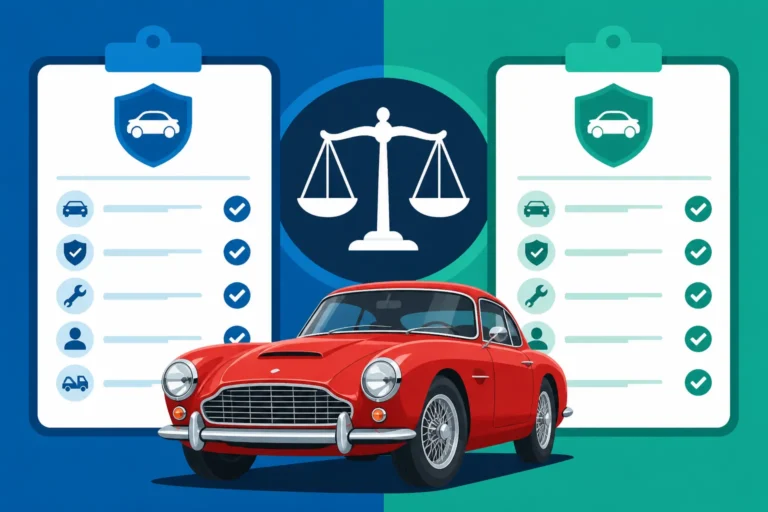
| Feature / Consideration | Standard Auto Policy | Leland-West Classic Car Insurance |
|---|---|---|
| Valuation | Actual Cash Value (ACV) – depreciates with age | Agreed Value – value set at policy inception, no depreciation |
| Mileage Limits | Typically unlimited, assumes daily driving | Restricted annual mileage (e.g., 2,500, 5,000 miles) |
| Usage Restrictions | Minimal; assumes any use | Pleasure use, shows, parades; no daily commuting |
| Specialized Coverage | Limited; generic parts, no restoration coverage | Restoration, spare parts, automobilia, flatbed towing |
| Premium Cost | Often higher for classics due to "risk" | Typically lower due to limited use and care |
| Agent Expertise | General auto insurance knowledge | Deep understanding of classic car market and needs |
| Claims Process | May dispute specific classic repair costs/parts | Streamlined, knowledgeable about classic repairs |
Common Concerns and Smooth Transition Tips
Even with a clear path, questions and unique situations can arise when making such a significant switch. Knowing how to handle these can prevent unnecessary stress.
What to Do if You're Mid-Policy or Restoration
Life doesn't always align with insurance cycles, and collectors often find themselves needing to switch coverage at inconvenient times.
If you're mid-policy with your current insurer, don't worry. You can still switch to Leland-West. You'll simply cancel your old policy once your new one is active, and you'll usually receive a prorated refund for the unused portion of your premium from your old carrier. Many collectors find that the savings and superior coverage from a specialty insurer like Leland-West are well worth any minor hassle or administrative fee associated with an early cancellation. It's often a smart financial move in the long run.
If your car is undergoing restoration, this is actually an ideal time to consider Leland-West. They offer specific "Restoration Coverage for Classic Cars" which is designed to protect your vehicle as its value increases throughout the restoration process. Your conventional insurer likely won't offer this, leaving you vulnerable. When discussing your quote with Leland-West, be upfront about the car's current state, what work is planned, and your estimated timeline. They can help you structure a policy that covers the car at its current value and adjusts as the project progresses and its value climbs. You'll want to document everything meticulously – receipts for parts, labor, and plenty of photos of the work in progress. This documentation helps prove the car's increasing value and protects your investment.
Understanding Coverage Differences and Endorsements
When you switch to a specialty insurer, you're not just getting a different company; you're getting a fundamentally different type of coverage. It's crucial to understand these distinctions and how they benefit you.
One of the key differences, as mentioned, is the Agreed Value. But beyond that, specialty policies offer a suite of endorsements that are simply unavailable on standard policies. For example, Inflation Guard Coverage Explained is an endorsement that automatically increases your Agreed Value by a small percentage each year to account for the rising value of collectibles. This is incredibly helpful in a market where certain classics can appreciate quickly. Another often-overlooked but vital endorsement is "Trip Interruption Coverage for Classic Cars", which can cover expenses like lodging and rental cars if your classic breaks down far from home during a tour.
You might also want to explore options for classic car show and event coverage rules, especially if you regularly display your vehicle. Always discuss your specific usage and concerns with your Leland-West agent. They can help you tailor a policy with the right mix of liability, comprehensive, collision, and specialized endorsements to truly protect your unique investment. Don't assume anything; ask questions and ensure every aspect of your classic car ownership is adequately covered.
Disclaimer
Please remember that this information is for general guidance only and does not constitute professional insurance advice. Insurance policies vary widely, and it's crucial to consult with a qualified insurance professional or directly with Leland-West Classic Car Insurance to discuss your specific needs and obtain personalized quotes and coverage details. Always review your policy documents carefully.