Roadside Assistance for Classic Cars
It's a fear every classic car owner knows all too well: you're cruising down a scenic backroad, engine humming beautifully, when suddenly, a sputter, a cough, and then… silence. Your beloved vintage ride is stranded, and the thought of some generic tow truck operator hauling it away with chains and a sling fills you with dread. Standard roadside assistance just doesn't cut it for these special vehicles, which is why understanding specialized roadside assistance for classic cars is absolutely crucial to protecting your investment and your peace of mind. This guide will meticulously walk you through why specialized support is essential, what to look for, and how to secure the best assistance for your cherished automobile.
The Unique Challenges of Classic Car Breakdowns
Owning a classic car is an unparalleled joy, a connection to automotive history, and a labor of love. But let's be realistic: these aren't modern, computer-controlled machines. They have their own quirks, their own vulnerabilities, and when something goes wrong, it requires a different kind of expertise to set right.
Why Standard Roadside Assistance Often Fails
Most everyday roadside assistance plans, the kind you get through your regular auto insurance or a credit card, are designed for modern vehicles. They assume common issues like dead batteries, flat tires, or running out of gas. While these services might help with basic issues, they rarely have the specialized knowledge or equipment to handle the nuances of a vintage car. Imagine a tow truck driver unfamiliar with manual chokes, non-power steering, or delicate fiberglass bodies trying to "fix" your pride and joy. It's a recipe for disaster and potential damage that far outweighs the cost of the tow. They might not know how to safely access components, where to hook up without bending sheet metal, or even the proper way to jump-start an older electrical system.
These services are often geared towards getting you off the road quickly, which for a classic car, can mean more harm than good. A standard tow truck might use a hook and chain method, which can severely damage suspension components, axles, or delicate bodywork on a classic. Furthermore, the drivers might not understand that your classic isn't just "a car"; it's an irreplaceable piece of history with significant emotional and financial value that needs to be handled with extreme care.
The Fragility of Vintage Components
Classic cars, by their very nature, are built with components that are decades old. Rubber hoses can harden and crack, electrical wiring can become brittle, and seals can fail. Even minor repairs on the side of the road need a gentle touch and an understanding of vintage mechanics. A modern mechanic might not have the right tools, or worse, might try to force a repair using techniques that are completely inappropriate for an older engine or chassis. For instance, tightening a bolt too much on an old cast-iron manifold could easily strip threads or crack the part, turning a simple issue into a major, expensive repair.
When your classic breaks down, it’s often not a simple matter of plugging into an OBD-II port to diagnose an issue. It requires an experienced eye and ear to identify problems like vapor lock, a fouled spark plug, or a carburetor issue. The parts themselves are often delicate or difficult to source, making proper handling during a roadside event absolutely critical to prevent further damage. The last thing you want is a well-meaning but ill-informed technician causing more harm trying to get your antique roadster rolling again.
Specialized Towing Needs
This is perhaps the most critical difference. A conventional tow truck typically uses a wheel-lift or hook-and-chain method, lifting two wheels off the ground and towing the vehicle on its other two. This is perfectly acceptable for most modern cars. However, for a classic, especially one with a low ground clearance, delicate body panels, or a sensitive drivetrain, this can cause significant damage. For example, a low-slung muscle car could scrape its exhaust or oil pan, or a vintage European sports car could have its chassis twisted.
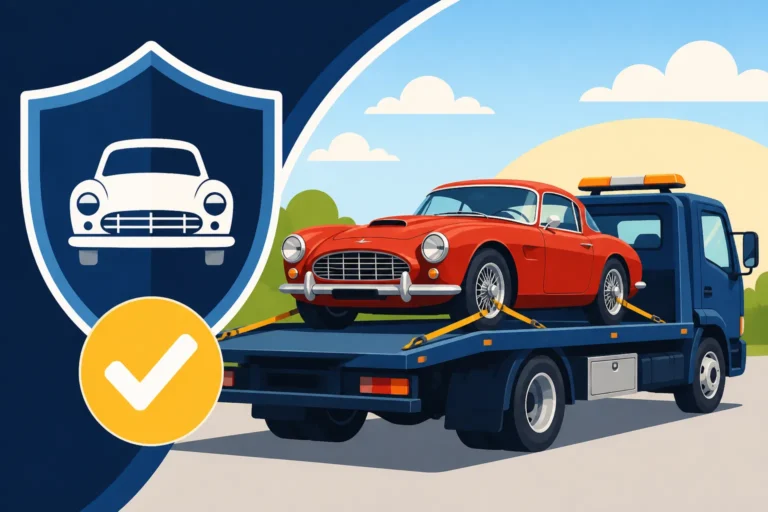
Specialized roadside assistance providers understand that classic cars require flatbed towing. This method involves the entire vehicle being loaded onto a flat platform, ensuring all four wheels are off the ground and the car is securely strapped down without any stress on its suspension or bodywork. This prevents potential damage to drivetrain components, body panels, bumpers, and undercarriage. It’s not just about getting the car to a shop; it’s about getting it there in the same condition it left the road. This also reduces the risk of fluids leaking or parts jostling loose during transit, which can happen if a classic is towed conventionally over bumpy roads. You can learn more about Why Classics Need Flat-Bed Towing Coverage to truly understand the importance of this specific service.
Understanding Specialized Roadside Assistance for Classics
Knowing the risks, it becomes clear that generic roadside assistance is a gamble. Specialized classic car roadside assistance, on the other hand, is designed from the ground up to address the unique needs and vulnerabilities of collector vehicles. It's about providing peace of mind, knowing that when the unexpected happens, your cherished automobile will be in capable hands.
More Than Just a Jump Start: Tailored Services
While a dead battery is a universal problem, a specialized classic car roadside assistance program offers services far beyond simple fixes. These programs are built around the understanding that classic cars often require unique solutions. Think about a flat tire on a vintage vehicle with wire wheels – it's not simply a matter of swapping it out with an impact wrench. It requires specific tools, knowledge of balancing, and careful handling to avoid damaging the spokes or the hub. Many classic cars also use tube-type tires, which can complicate on-the-spot repairs.
Beyond basic tire changes, these services often include fuel delivery for cars with notoriously inaccurate fuel gauges, minor mechanical adjustments that can get a car running again (like a simple carburetor tweak or ignition point adjustment), and even lockout services for vehicles with older, less secure locking mechanisms. The key is that the service providers are trained to approach classic cars with a specific methodology, often including troubleshooting common vintage car issues that a modern technician wouldn't even recognize.
The Importance of Experienced Technicians
The human element is paramount when it comes to classic car breakdowns. Specialized roadside assistance networks employ, or contract with, technicians who have experience working on older vehicles. This means they understand the nuances of vintage engines, manual transmissions, non-power steering, and older braking systems. They know how to diagnose common issues without causing further damage and how to perform minor adjustments or temporary fixes that can get you safely to the nearest specialized repair shop.
Imagine your classic car suddenly overheating. An inexperienced technician might just add coolant, potentially ignoring a failing thermostat or a clogged radiator, which could lead to more severe engine damage down the road. A technician with classic car experience would know to check for common issues specific to older cooling systems, and to do so with care, using period-appropriate methods. Companies like Hagerty, a prominent name in classic car insurance, often emphasize the expertise of their roadside network, understanding that the right hands are just as important as the right equipment. This kind of expertise is invaluable and can save you from costly repairs and headaches in the long run.
Flatbed Towing as a Non-Negotiable
For many classic car owners, flatbed towing isn't an optional extra; it's a fundamental requirement. Specialized roadside assistance makes this the standard. When you call for help, you're not just getting "a tow"; you're getting a professional flatbed service with drivers who are trained in securing classic, exotic, and low-clearance vehicles. This means they'll use appropriate soft straps, correct tie-down points, and take the necessary precautions to ensure your vehicle is transported safely and without a scratch.
Consider a delicate pre-war automobile with wooden spoke wheels or a valuable concours-level show car. A flatbed ensures that no undue stress is placed on any part of the vehicle, protecting its suspension, axles, bodywork, and paint finish. The drivers are often enthusiasts themselves or have received specific training on how to load and unload a vehicle without causing any stress or damage, understanding the high value and sentiment attached to these cars. This guaranteed safe transport is a cornerstone of any worthwhile classic car roadside assistance program and a key differentiator from generic services. It’s part of a broader discussion on Towing Coverage for Classic Cars Explained, highlighting its critical nature.
Key Features and Benefits of Classic Car Roadside Programs
Beyond just getting your vehicle moved, specialized roadside assistance for classics often bundles in a host of other benefits designed to cater to the unique lifestyle of a collector car owner. These features provide a holistic layer of protection that goes far beyond what typical auto policies offer.
Comprehensive Towing and Recovery Services
The core of any specialized roadside program is its robust towing and recovery. This usually means guaranteed flatbed towing to the nearest qualified repair facility or, often, to a repair shop of your choosing, regardless of distance within reasonable limits. Some premium plans even offer longer distance towing, which is a godsend if you're far from your trusted mechanic or a specialist who truly understands your car. This isn't just about getting your car off the road; it's about ensuring it arrives at a facility where it can be properly diagnosed and repaired by someone who understands its unique construction.
Furthermore, "recovery" services can be critical. If your classic ends up in a ditch or encounters a difficult off-road situation (perhaps during a rally or show parking), specialized recovery means having the right equipment and trained personnel to extract it without further damage. This might involve winching services or specialized lifts that can maneuver the car safely out of precarious positions. The peace of mind that comes from knowing you won't be left stranded in a rural area with an inadequate tow truck trying to pull your vintage ride out of a soft shoulder is invaluable.
Emergency Roadside Repairs and Fluid Delivery
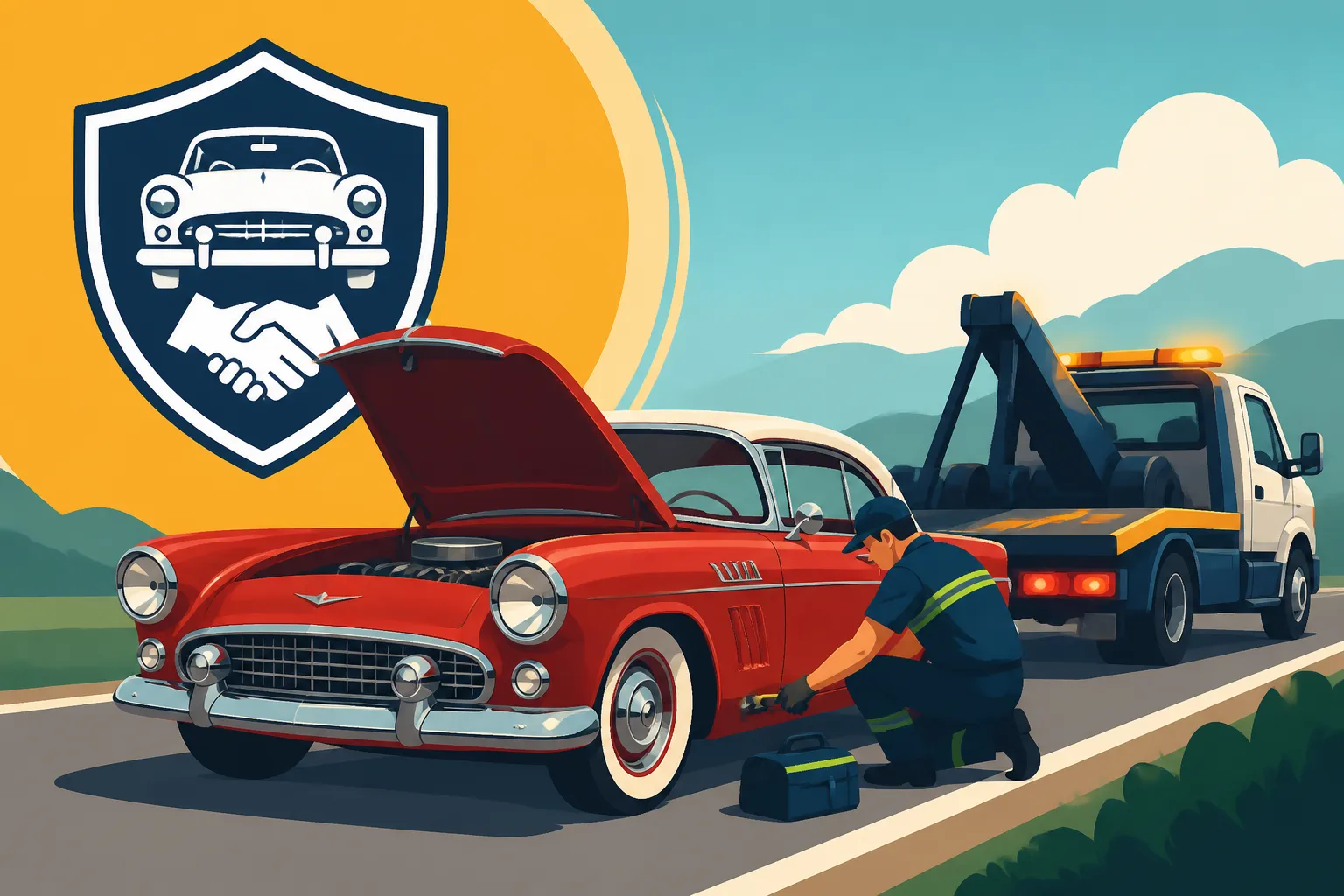
While major mechanical issues require a shop, many common breakdowns can be resolved on the spot by a knowledgeable technician. Specialized classic car roadside assistance often includes services like emergency fuel delivery (a lifesaver when those old fuel gauges aren't accurate), battery jump-starts, and even minor on-site repairs. These repairs can include tightening loose battery terminals, replacing a simple fuse, or performing a basic tune-up adjustment that gets the engine running smoothly enough to reach a service station.
Some programs even include fluid delivery beyond just fuel, such as oil, water, or other necessary fluids. This is particularly useful for older cars that might consume fluids at a higher rate or develop small leaks. The key here is the expertise of the technician. They understand that pouring the wrong type of oil into a vintage engine or attempting a repair without the correct tools can cause significant issues, so they come prepared with the knowledge and, often, the right materials. This level of service transforms a stressful breakdown into a manageable inconvenience.
Trip Interruption and Concierge Support
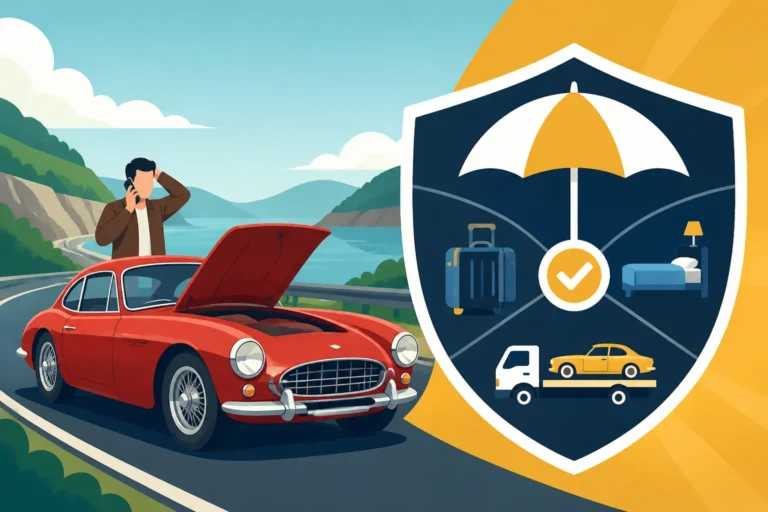
When you're out on the open road with your classic, a breakdown can ruin more than just your drive; it can derail an entire trip or vacation. Many specialized classic car roadside assistance plans include trip interruption benefits. This coverage can help with lodging, rental car costs, or alternative transportation if your classic breaks down a significant distance from home and needs extended repairs. This is an incredible benefit for those who enjoy touring or attending distant car shows. You can read more about Trip Interruption Coverage for Classic Cars Explained for a deeper dive into this valuable add-on.
Beyond financial relief, some premium services offer concierge-style support. This might mean assisting with finding nearby reputable classic car repair shops, making arrangements for parts delivery, or even helping with travel logistics while your car is being serviced. This level of personal assistance removes a huge burden from the owner, allowing them to focus on enjoying their hobby rather than stressing over unexpected logistics. It’s about more than just the car; it’s about supporting the entire classic car experience, especially when things don't go according to plan.
How to Secure Roadside Assistance for Your Collector Vehicle
Getting the right roadside assistance for your classic isn't a "one size fits all" situation. There are distinct avenues to explore, each with its own advantages, and the best choice often depends on your specific needs, driving habits, and the value of your vehicle.
Integrating with Your Classic Car Insurance Policy
The most common and often most convenient way to secure specialized roadside assistance is by adding it to your classic car insurance policy. Many premier classic car insurance companies, such as Hagerty and Grundy, offer comprehensive roadside assistance as an optional add-on or even as a standard inclusion in their policies. This approach streamlines your coverage, as all your classic car needs are bundled under one provider. When you get a Classic Car Insurance Quote Checklist or begin to How to Buy Classic Car Insurance, be sure to ask about this specific coverage.
These integrated plans usually leverage a network of towing and repair professionals who are specifically vetted for their experience with classic and collector vehicles. When you call for assistance, the insurer's dispatch knows you have a classic and ensures the appropriate type of service, like a flatbed tow, is dispatched. This can be significantly cheaper than purchasing a standalone membership, as insurers can often negotiate better rates with their service providers due to volume. It also means you only have one company to deal with if you ever need to file a claim or require assistance, simplifying the process.
Standalone Memberships and Clubs
If you prefer to keep your roadside assistance separate from your insurance, or if your current classic car insurer doesn't offer adequate specialized roadside benefits, a standalone membership is an excellent alternative. Organizations like the American Automobile Association (AAA) offer varying tiers of membership, some of which include provisions for classic cars or offer higher towing mileage limits and flatbed options. However, it's crucial to check their specific terms and conditions, as not all AAA tiers or regional clubs provide the same level of classic car specific service. You might need a "Plus" or "Premier" membership to access sufficient benefits for a classic.
Beyond general motoring clubs, many classic car clubs or enthusiast organizations also offer their own specialized roadside programs as a member benefit. These can be particularly beneficial as they are often deeply rooted in the classic car community, potentially offering access to a network of like-minded enthusiasts and mechanics who truly understand your vehicle. These clubs also often provide discounts on parts, events, and other services, making the membership valuable beyond just roadside assistance.
Vetting Providers for Your Specific Needs
Regardless of whether you choose an integrated insurance add-on or a standalone membership, thorough vetting is critical. Not all "classic car friendly" roadside assistance is created equal. Here's what to look for:
- Flatbed Towing Guarantee: This is non-negotiable. Confirm that flatbed towing is standard for all services and not an optional extra that might be unavailable in your area or cost you more.
- Towing Distance Limits: Understand how far they will tow your car without additional charges. Some services offer unlimited mileage, while others have specific limits (e.g., 100 or 200 miles). This is crucial if you travel extensively with your classic or want it towed to a specific specialist hundreds of miles away.
- Response Times: While not always guaranteed, inquire about typical response times, especially in rural areas where classic cars are often driven.
- Network Expertise: Ask about the training and experience of their service providers. Do they have a network of classic car-savvy technicians and tow operators?
- Additional Services: Check for perks like trip interruption coverage, lockout services, fuel delivery, battery service, and even tire service, specifically asking if they handle vintage tire types or wire wheels.
- Cost and Value: Compare the annual cost against the benefits offered. Sometimes, a slightly higher premium for a comprehensive plan can save you thousands in potential damage or inconvenience. This is part of figuring out How to Compare Classic Car Insurance Quotes generally.
By carefully vetting providers, you ensure that the roadside assistance you choose genuinely meets the unique demands of your classic car ownership experience.
Here’s a comparative table of typical roadside assistance features:
| Feature | Standard Roadside Assistance (Regular Car) | Specialized Roadside Assistance (Classic Car) |
|---|---|---|
| Towing Method | Wheel-lift, hook & chain (default) | Flatbed (standard/preferred) |
| Towing Distance | Limited (e.g., 5-15 miles) | Generous (e.g., 100-250+ miles or unlimited) |
| Technician Expertise | General automotive knowledge | Classic car specific diagnostics/repairs |
| On-Site Repairs | Jump-start, tire change (modern only) | Carburetor adjustment, fuse replacement, etc. |
| Fluid Delivery | Fuel only (sometimes) | Fuel, oil, coolant (often) |
| Tire Service | Standard tire change | Wire wheel, tube-type tire expertise |
| Damage Risk | Moderate to high for classics | Low |
| Vehicle Handling | Quick, utilitarian | Gentle, careful, detail-oriented |
| Trip Interruption | Rarely included | Often included |
| Concierge Services | No | Often includes shop locator, travel aid |
Cost, Value, and Peace of Mind: Is It Worth the Investment?
When considering specialized roadside assistance for your classic, it's easy to focus solely on the dollar amount. However, the true value extends far beyond the annual premium. It's an investment in the longevity of your vehicle, the preservation of its originality, and, perhaps most importantly, your enjoyment of the classic car hobby.
Analyzing the Price Tag Against Potential Savings
At first glance, the cost of adding specialized roadside assistance to your classic car insurance policy or subscribing to a dedicated program might seem like just another expense. However, consider the alternatives. A single improperly executed tow from a generic service could result in hundreds, if not thousands, of dollars in damage to your classic's suspension, bodywork, or drivetrain. Finding a specialist shop after a breakdown, especially in an unfamiliar area, can also be a time-consuming and expensive endeavor.
Moreover, if your car breaks down far from home, the cost of a long-distance flatbed tow from an independent, non-affiliated service can be exorbitant – easily hundreds to over a thousand dollars depending on the distance and location. Compare that to an annual premium that might only add a few dozen to a couple hundred dollars to your existing classic car insurance. The potential savings from avoiding damage and reducing out-of-pocket towing expenses quickly make the specialized coverage a financially sound decision. It's a key part of understanding How to Save on Classic Car Insurance in the long run by preventing major incidents.
The Intangible Value of Protection and Expertise
Beyond the monetary savings, there's an immense intangible value in knowing your classic is protected by specialists. The peace of mind that comes from knowing that if you break down, an expert will be dispatched with the right equipment and knowledge is truly priceless. It allows you to drive your classic with confidence, enjoying the journey without constant worry about potential mechanical issues. This freedom to explore and attend events without undue stress significantly enhances the classic car ownership experience.
Imagine you're driving your beautifully restored 1967 Mustang through the scenic Blue Ridge Mountains and suddenly, a minor electrical issue causes it to sputter to a halt. With standard roadside, you're hoping for the best, bracing for a potentially damaging tow. With specialized assistance, you make a call, and a flatbed is dispatched, along with a technician who might even be able to get your pony car running again with a simple fix, or at least ensure its safe transport to a trusted garage. This peace of mind isn't just about the car; it's about safeguarding your passion and the countless hours you've invested.
Comparing Offerings from Top Providers
When it comes to specialized classic car insurance and associated roadside assistance, certain names consistently rise to the top. Companies like Hagerty, Grundy, and American Collectors Insurance are well-known for their understanding of the collector car market and their tailored products. Each offers its own version of roadside assistance, often with slightly different features, mileage limits, and price points.
For instance, Hagerty's roadside assistance, often included or available as an affordable add-on to their policies, is frequently praised by enthusiasts for its reliable flatbed towing and knowledgeable network. Grundy also provides excellent roadside services that cater specifically to collector vehicles. When comparing these, look closely at the fine print: What are the exact towing limits? Is it flatbed guaranteed? Are there any exclusions for specific types of breakdowns? Does it include trip interruption? While all these providers offer solid options, your specific needs—how often you drive your car, how far you travel, and its value—will dictate which plan offers the best fit and ultimate value. Looking into resources like Hagerty Classic Car Insurance Review can provide more granular detail on a specific provider's offerings.
Preparing Your Classic for the Unexpected
Even with the best roadside assistance in the world, a little preparation on your part can go a long way in minimizing the stress and impact of a roadside breakdown. Think of it as being a good co-pilot for your assistance team.
Essential Onboard Emergency Kit for Classics
Don't leave home without a well-stocked emergency kit tailored for your classic. This isn't just about general first aid; it's about having the right tools and supplies for your specific vehicle. Consider including:
- Basic Tool Kit: A set of wrenches (metric and/or SAE, depending on your car), screwdrivers, pliers, and a test light. Many classic owners even carry a small, model-specific repair manual.
- Spare Parts: Critical spares like extra spark plugs, a distributor cap, rotor, points (if applicable), fuel filter, fan belt, and various fuses. Even a small roll of electrical tape and some zip ties can be lifesavers.
- Fluids: Small bottles of engine oil, coolant, brake fluid, and perhaps power steering fluid.
- Battery Jump Starter: A portable jump-starter pack can often get you going without needing another vehicle.
- Tire Repair: A tire pressure gauge, a can of tire sealant (for emergencies only, as it can be messy), or even a small 12V air compressor. For wire wheels, specific tools might be needed.
- Safety Gear: A reflective triangle or flares, a flashlight (and extra batteries), gloves, and a high-visibility vest.
- Contact Information: Keep your classic car insurance policy details, roadside assistance phone number, and contacts for your trusted mechanic readily accessible, even if your phone battery dies.
Knowing Your Vehicle's Vulnerabilities
Every classic car has its quirks and common failure points. A 1960s muscle car might be prone to overheating in traffic, while an older British roadster might have electrical gremlins. Spend time understanding your specific model's common issues. Join online forums, read owner's manuals, and talk to other enthusiasts. This knowledge not only helps you prevent breakdowns but also enables you to communicate more effectively with roadside assistance and mechanics when something does go wrong.
If you know your vintage Triumph has a tendency for vapor lock on hot days, you can try to anticipate it and take preventative measures. If you're aware your classic's fuel pump is original and nearing the end of its life, you might carry a spare or plan to replace it before a long trip. Being proactive and knowledgeable about your car's specific vulnerabilities is a powerful tool in your classic car ownership arsenal. This kind of intimate knowledge often comes from years of experience, but even new collectors can quickly learn by researching topics like When a Car Qualifies as Antique and delving into their specific model's history.
Communicating Effectively During a Breakdown
When you do find yourself stranded, clear and concise communication with your roadside assistance provider is key. Don't just say, "My car broke down." Provide as much detail as possible:
- Location: Give precise details or a GPS coordinate.
- Vehicle Information: Year, make, model, and any specific modifications that might affect towing or repair (e.g., "It's a 1969 Camaro with a custom low-slung exhaust").
- Symptoms: Describe exactly what happened. Did it sputter and die? Was there smoke? What sounds did it make?
- Type of Service Needed: Clearly state you have a classic car and require flatbed towing and, if possible, a technician experienced with vintage vehicles.
- Your Preferred Destination: If you have a specific classic car repair shop in mind, provide their name and address.
Remember, the more information you can provide upfront, the better equipped the dispatcher will be to send the appropriate assistance, minimizing wait times and ensuring your classic receives the specialized care it deserves. Being prepared for this conversation will help streamline the entire process and get you back on the road, or to a safe repair facility, as quickly and safely as possible.
Disclaimer
Please remember that the information provided in this guide is for general informational purposes only and does not constitute professional advice. Insurance policies and roadside assistance programs can vary significantly based on your location, vehicle type, and individual circumstances. Always consult directly with an authorized insurance agent or a reputable roadside assistance provider to understand the specific terms, conditions, coverages, and exclusions of any policy or service you are considering. Prices and offerings are subject to change.