Best Coverage Types for a Antique Car
There’s nothing quite like the feeling of owning an antique car. That gleam of chrome, the scent of vintage upholstery, the roar of a bygone era’s engine – it's pure magic. But with that joy comes a very real and often confusing challenge: how do you properly insure something so precious and unique? Standard auto insurance policies are simply not designed for these rolling pieces of history, leaving many antique car owners frustrated and vulnerable. This guide will meticulously walk you through the essential coverage types and smart add-ons you absolutely need to protect your cherished antique vehicle, ensuring its value is truly recognized.
Understanding the Unique Needs of Your Antique Car
When you own an antique car, you’re not just dealing with a mode of transportation; you’re a steward of history, an investor in a passion, and often, a dedicated enthusiast who pours countless hours into its preservation. This unique status means your insurance needs are fundamentally different from someone insuring their modern daily driver. It’s a reality that many traditional insurance providers just don't grasp, leading to policies that offer little to no real protection for your prized possession.
What Makes an Antique Car Different?
Let's start by clarifying what an "antique car" really means, especially in the eyes of insurance providers. While definitions can vary slightly by state and insurer, an antique car is generally considered a vehicle that is at least 25 years old, maintained in its original or historically correct condition, and primarily used for exhibition, club activities, parades, or occasional pleasure driving. Think of a beautifully restored 1957 Chevrolet Bel Air, a majestic 1932 Ford, or a stately pre-war Cadillac. These aren't just old cars; they represent a significant historical period, craftsmanship, and often, considerable financial and emotional investment.
The distinction between "antique," "classic," and "vintage" often causes confusion. While all fall under the broad umbrella of collector cars, insurers usually differentiate them by age and condition. "Vintage" might refer to cars from 1919 to 1930, "antique" typically 1930-1975, and "classic" from 25 years old up to more recent "modern collectibles." For insurance purposes, the key is the collectible nature and the specialized use, not just age. Your antique car's rarity, the originality of its parts, and its meticulous restoration all contribute to a value that fluctuates wildly from a standard used car.
Why Regular Car Insurance Falls Short
Here's the painful truth: relying on a standard auto insurance policy for your antique car is a recipe for potential financial heartbreak. The fundamental flaw lies in how traditional policies determine a vehicle's value after a total loss or significant damage. They typically use what's called Actual Cash Value (ACV). ACV calculates a vehicle's worth by taking its replacement cost minus depreciation. For a modern car, this makes sense; a five-year-old sedan is worth less than a brand-new one due to wear and tear and market changes.
However, for an antique car, depreciation works in reverse. These vehicles often appreciate in value over time, especially if they are well-maintained or undergo professional restoration. Imagine your pristine 1965 Ford Mustang, valued at $60,000, being totaled in an unfortunate garage fire. A standard policy using ACV might only offer you a few thousand dollars, perhaps what a generic 1965 Mustang without its collectible status would fetch in scrap value or as a project car. This leaves you dramatically short of the funds needed to replace your specific, cherished vehicle or even to properly repair it. The emotional toll of losing such an investment, only to be financially underwhelmed, is a frustration no antique car owner should have to experience.
Essential Coverage Types for Antique Car Protection
Protecting your antique car goes beyond just having some insurance. It's about having the right kind of coverage that truly understands and safeguards your unique investment. These foundational coverage types are non-negotiable for any serious antique car owner.
The Power of Agreed Value Coverage
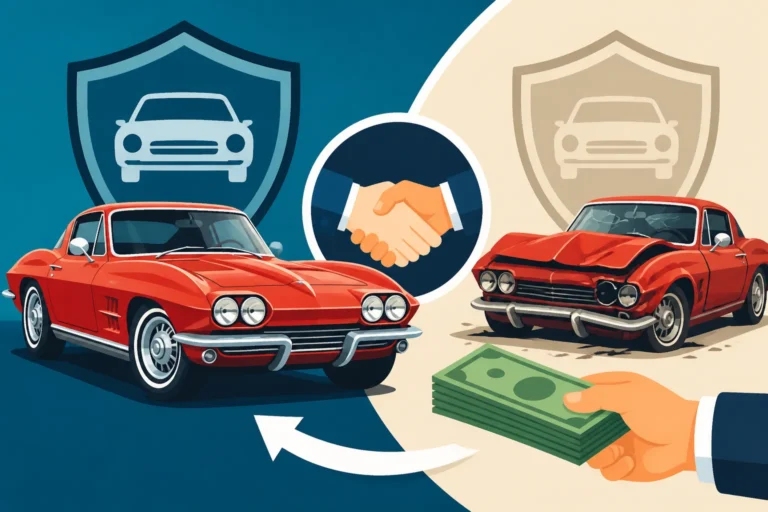
If there's one coverage type that you absolutely cannot compromise on for your antique car, it's Agreed Value coverage. This is the cornerstone of any robust classic or antique car insurance policy and stands in stark contrast to the problematic Actual Cash Value (ACV) model of standard insurance. With Agreed Value, you and your insurer, like a specialty provider such as Hagerty, agree on your vehicle's value at the beginning of the policy term. In the event of a total loss, the insurer pays you that exact agreed-upon amount, no questions asked, no depreciation applied. It’s a guarantee, giving you invaluable peace of mind.
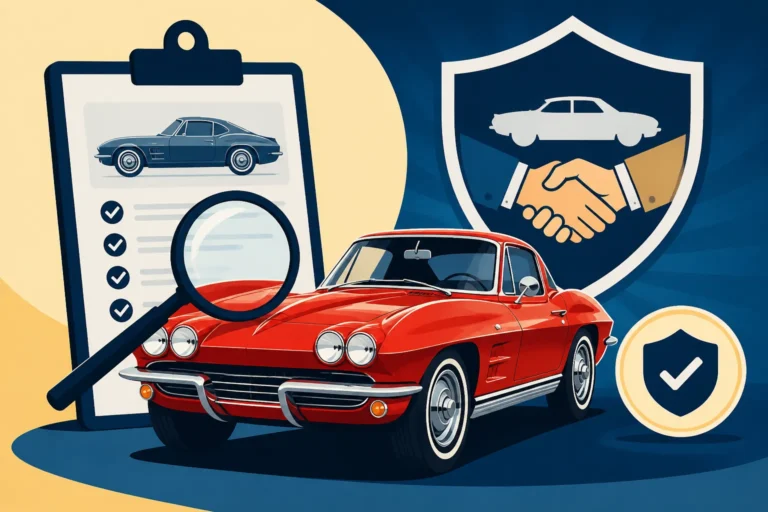
The process of determining this agreed value is critical. It usually involves a detailed appraisal from a certified classic car appraiser, photographic documentation, and sometimes even a thorough inspection by the insurance company. This ensures that the agreed value accurately reflects your antique car's condition, originality, modifications, rarity, and market demand. For instance, a 1969 Chevrolet Camaro Z/28 with its original engine, factory documentation, and a recent concourse restoration will have a significantly higher agreed value than a similarly aged Camaro that's been heavily modified or is in driver-quality condition. This upfront agreement means you’ll never be left arguing with an adjuster about what your pride and joy was really worth after a disaster. To learn more, check out our detailed guide on Agreed Value Coverage for Classic Cars Explained.
Comprehensive and Collision Coverage for Antiques
Even if your antique car spends most of its time nestled safely in your garage, comprehensive and collision coverage are still incredibly important, perhaps even more so than for a daily driver. These are the coverages that protect your physical asset from a wide range of perils, both on and off the road.
Comprehensive coverage steps in to protect your antique car from non-collision-related damage or loss. This includes things like theft, fire (a genuine concern for older wiring systems), vandalism, falling objects (like tree branches), natural disasters (hail, floods, wind), and even animal impacts. Imagine a severe hailstorm sweeping through your area, damaging the perfectly straight panels and rare chrome of your 1957 Bel Air. Without comprehensive coverage, you'd be footing the bill for potentially tens of thousands of dollars in specialized bodywork and paint. For more in-depth information, explore Comprehensive Coverage for Classic Cars Explained.
Collision coverage, on the other hand, covers damage to your antique car resulting from an accident with another vehicle or object, regardless of who is at fault. While antique cars are typically driven less and more carefully, accidents can still happen. A fender bender at a car show, an unexpected encounter with a parking curb, or even another driver failing to yield can cause significant damage to irreplaceable parts. Given the high cost of repairing or replacing original bodywork, specialized paint, and vintage mechanical components, robust collision coverage is essential. Many antique car owners choose higher deductibles to save on premiums, knowing they’ll only file a claim in a significant event. You can read more about this in our guide, Collision Coverage for Classic Cars Explained.
Liability Coverage Considerations
While the physical protection of your antique car is paramount, don't overlook liability coverage. This is the part of your policy that protects you financially if you are at fault in an accident that causes injury to another person or damage to their property. Every state mandates a minimum amount of liability insurance, but for antique car owners, carrying more than the minimum is a wise decision.
Think about it: even a minor fender bender involving your classic can lead to substantial property damage claims, especially if you hit a newer, high-tech vehicle. More importantly, if someone is seriously injured, medical bills and legal fees can quickly skyrocket into the hundreds of thousands, or even millions, of dollars. If your liability coverage isn't adequate, your personal assets – your home, savings, and even other collector cars – could be at risk. Specialty insurers understand the financial profile of their clientele and often recommend higher liability limits (e.g., $250,000/$500,000 bodily injury and $100,000 property damage) to provide a more realistic level of protection. While your antique car might not be a daily driver, the financial exposure when you do take it out is real. You can find detailed information on state-specific requirements in Classic Car Liability Requirements by State.
Here's a quick comparison of standard auto insurance vs. antique car insurance for key coverages:
| Coverage Type | Standard Auto Insurance | Antique Car Insurance |
|---|---|---|
| Valuation Method | Actual Cash Value (ACV) – replacement cost minus depreciation | Agreed Value – fixed payout agreed upon upfront, no depreciation |
| Comprehensive | Covers non-collision damage; ACV payout | Covers non-collision damage; Agreed Value payout |
| Collision | Covers accident damage; ACV payout | Covers accident damage; Agreed Value payout |
| Liability | State minimums often default; higher limits available | Higher limits recommended; tailored to collector usage |
| Usage Restrictions | Daily driving, commuting, general use | Limited mileage, pleasure use, car shows, no daily commuting |
| Storage Req. | None specified | Secure, locked garage usually required |
| Parts Coverage | Standard replacement parts | Often includes spare parts coverage for rare components |
| Restoration Cov. | Not typically offered | Often available as an add-on, covers increasing value |
Specialty Add-Ons to Fortify Your Antique Car Policy
Beyond the core coverages, specialty antique car insurance policies offer a suite of crucial add-ons designed specifically for the unique needs of collectors. These endorsements can make the difference between a minor inconvenience and a major financial setback.
Coverage for Parts, Tools, and Restoration
Owning an antique car often means having a treasure trove of spare parts, specialized tools, and ongoing restoration projects. Standard insurance policies typically don't account for these invaluable assets, leaving you exposed. That's why dedicated coverage for these items is so vital.
Spare parts coverage is a lifesaver for collectors. Many antique cars require specific, often rare, and expensive components that are no longer manufactured. Whether you have a stash of NOS (New Old Stock) parts tucked away or a collection of hard-to-find components for a future project, this coverage protects them from theft, fire, or damage. Imagine losing a rare, original carburetor for your 1963 Split-Window Corvette to a garage fire – the cost to replace it could be astronomical. A good policy will offer a specific amount of coverage for these parts, whether they’re installed on the vehicle or stored separately. For a deeper dive, check out our article on Spare Parts Coverage Explained.
Similarly, if your antique car is currently undergoing restoration, its value is constantly increasing as work progresses. Restoration coverage ensures that this escalating value is protected at every stage. You provide your insurer with updates on the work completed and the money invested, and the agreed value can be adjusted accordingly. Without this, if something happened to your car mid-restoration, you'd only be reimbursed for its value before all that costly labor and rare parts were added. This coverage is absolutely essential for anyone with a project car, preventing the devastating loss of all that hard work and financial commitment. Learn more about this crucial protection in Restoration Coverage for Classic Cars. Some policies even offer limited coverage for specialized tools or automobilia (collectible car-related items) that are stored with your vehicle, acknowledging the holistic nature of the collector hobby.
Roadside Assistance and Trip Interruption
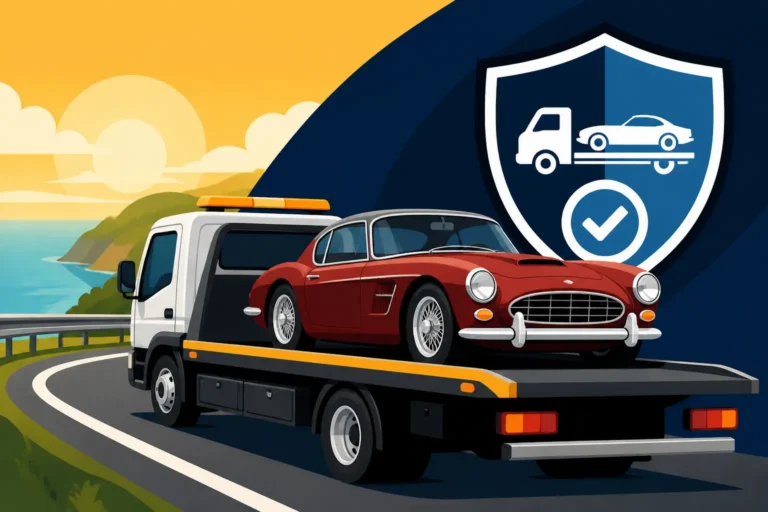
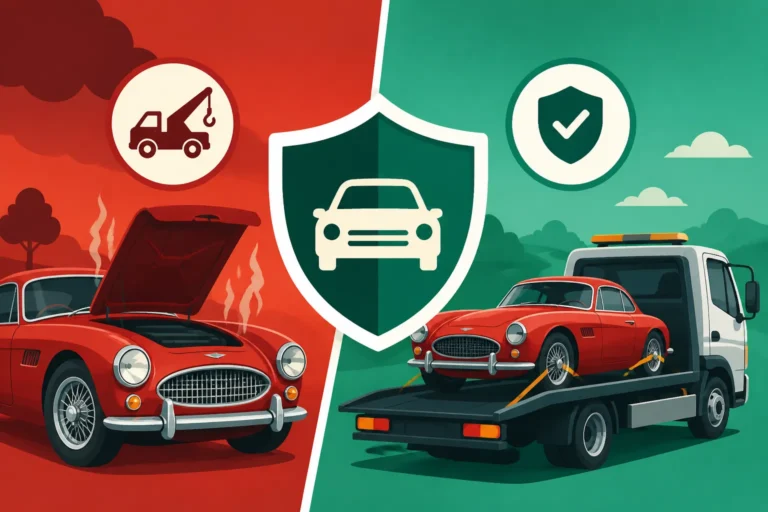
Antique cars, despite our best efforts, can be a bit temperamental. A breakdown is always a possibility, especially on a long drive to a car show or a scenic cruise. That's where specialized roadside assistance comes into play. Unlike standard roadside services that might dispatch a tow truck with a wheel-lift, antique and classic cars often require flatbed towing to prevent damage to their delicate suspension, low-slung exhaust, or valuable tires. Many specialty classic car insurers, like Hagerty, understand this and offer roadside assistance that guarantees flatbed towing, ensuring your antique is transported safely and respectfully.
Beyond just towing, some policies offer trip interruption coverage. This is a fantastic benefit if you're taking your antique car on an extended road trip or to a major national event. If your car breaks down a significant distance from home and needs extensive repairs, trip interruption coverage can help cover expenses like lodging, rental cars, and even meals while you wait for your antique to be fixed or transported home. It’s the kind of thoughtful protection that truly caters to the lifestyle of an antique car owner, acknowledging that your passion often takes you far from your familiar garage.
Inflation Guard and Diminished Value Protection
The market for antique cars can be incredibly dynamic, with values often appreciating over time, especially for desirable models or those with unique provenance. This upward trend can ironically create an insurance problem: underinsurance. If you set an agreed value today, but your car's market value increases significantly by next year, you could still be shortchanged if a total loss occurs. This is where Inflation Guard coverage becomes a smart addition.
Inflation Guard is an endorsement that automatically increases your agreed value by a small, pre-determined percentage (e.g., 2% or 4%) at each renewal period. This proactive adjustment helps ensure that your policy keeps pace with the rising market value of your antique car without you needing to get a new appraisal every single year. It's a subtle but powerful way to protect your investment against the creeping threat of inflation and market appreciation, ensuring your agreed value remains realistic. For more details on this, you can read our article on Inflation Guard Coverage Explained.
While less common, some collectors inquire about diminished value. Diminished value refers to the reduction in a car's market worth after it has been involved in an accident, even if perfectly repaired. For antique cars, originality is paramount, and even a top-notch repair can sometimes reduce its collector value. While most insurance policies (even specialty ones) typically don't cover diminished value, understanding this concept is important for managing expectations and for negotiating with the at-fault party's insurer if you're ever in an accident that isn't your fault.
Choosing the Right Policy and Provider for Your Antique
Navigating the world of antique car insurance can feel daunting, but choosing the right policy and, more importantly, the right provider, is paramount to safeguarding your automotive legacy. It's not just about cost; it's about specialized understanding and service.
Understanding Usage and Storage Requirements
Specialty antique car insurance policies come with certain requirements, primarily revolving around how you use and store your vehicle. These aren't arbitrary rules; they're fundamental to why these policies are often more affordable and offer superior coverage. The core principle is that antique cars are not daily drivers. They are primarily used for pleasure, car shows, club events, and occasional tours. This "pleasure use" requirement is crucial. Insurers assume your antique will be driven a limited number of miles per year (often 2,500 to 5,000, though unlimited mileage options exist with some carriers) and that it won't be used for commuting, errands, or regular transportation. Violating these usage terms could jeopardize your claim. You can explore this further in our guide to the Pleasure-Use Requirement Explained.
Storage requirements are equally important. Antique car insurers almost universally require that your vehicle be stored in a secure, enclosed, and locked facility, such as a private garage, a dedicated storage unit, or a professional collection facility. This minimizes the risk of theft, vandalism, and environmental damage. Parking your invaluable antique in an uncovered driveway or a car port might disqualify you from a specialty policy or invalidate your coverage. They want to know you're taking reasonable steps to protect your investment when it's not being enjoyed on the road. For more on this, consult our article on Garage Storage Requirement for Classic Cars.
Selecting a Specialty Insurer
This might be the single most important piece of advice: always choose a specialty insurer that focuses exclusively on classic, antique, and collector vehicles. Companies like Hagerty, Grundy Worldwide, American Collectors Insurance, and American Modern Insurance Group are not just car insurance providers; they are enthusiasts who truly understand the unique nuances, values, and risks associated with antique cars. They staff their teams with collectors, appraisers, and claims adjusters who speak your language and appreciate the historical significance of your vehicle.
Why does this matter so much? Because when you file a claim, you want to deal with someone who understands that a scratch on original paint isn't just a scratch, but a potential compromise of authenticity and value. They know where to find rare parts, they understand restoration costs, and they process claims with the agreed value in mind. Traditional insurers, focused on mass-market vehicles, simply don't have this expertise or infrastructure. While they might offer "classic car insurance" as an add-on, it rarely provides the comprehensive, agreed-value protection or the specialized services that a true collector needs. To identify the best options, take a look at our comparison of the Best Specialty Classic Car Insurers.
Getting the Best Quote and Ensuring Proper Valuation
Shopping for antique car insurance isn't like comparing quotes for a Camry. It requires a bit more legwork and a deeper understanding of your vehicle's true worth. Start by gathering all the relevant information about your antique: make, model, year, VIN, engine details, restoration records, modifications, and most importantly, an up-to-date appraisal. An independent, professional appraisal is often the most effective way to establish your antique car's fair market value, especially for rare or highly restored examples. This appraisal will be a critical document in setting your agreed value and should be updated periodically, particularly after significant restoration work or market shifts. Our guide on How to Get a Classic Car Appraisal offers valuable insights.
Don't settle for the first quote you receive. Contact multiple specialty insurers and compare their offerings not just on price, but on the specifics of their agreed value, mileage limits, included add-ons, and reputation for claims service. Be transparent about your intended usage and storage. Ask about discounts for car club memberships, multi-car policies (if you have a collection), and anti-theft devices. Understanding How to Determine Your Agreed Value is also key to ensuring you're getting adequate coverage. By being thorough and proactive, you can secure a policy that provides comprehensive protection tailored to the unique beauty and value of your antique car, giving you the freedom to enjoy it for years to come.
Disclaimer
Please remember that this article is intended for informational purposes only and does not constitute professional insurance advice. Insurance policies and requirements can vary significantly by state, insurer, and the specific characteristics of your vehicle. It is always recommended to consult directly with a qualified insurance professional or a reputable specialty classic car insurance provider to discuss your individual needs and to obtain an accurate quote for your antique car.