Classic Car Travel and Show Coverage
Bringing your beloved classic car to shows and events is one of the greatest joys of ownership, a chance to share its beauty and history with fellow enthusiasts. Yet, the thought of something going wrong on the road or at the venue – a fender bender on the highway, an accidental scratch in a crowded lot, or even a breakdown far from home – can cast a shadow over the excitement. This comprehensive guide will explore classic car travel and show coverage, detailing exactly what it entails and how it protects your prized possession when it's out in the world, beyond the safe confines of your garage.
Understanding Classic Car Travel and Show Coverage
Taking your classic car out for an event isn't just a simple drive; it's an experience fraught with unique risks that a standard auto insurance policy simply isn't designed to handle. Classic car travel and show coverage is a specialized type of protection specifically tailored for collectors who regularly transport or display their vehicles. It’s about safeguarding your investment, yes, but it’s also about preserving the peace of mind that allows you to fully enjoy these cherished moments.
Defining the Scope of "Travel"
When we talk about "travel" in the context of classic car insurance, it's far more expansive than just a Sunday cruise. It encompasses the entire journey to and from a recognized event. Imagine you're preparing for a multi-day rally across state lines or hauling your meticulously restored muscle car on an open trailer to a concours d'elegance hundreds of miles away. During this travel, your vehicle faces risks like road debris, accidents with other vehicles, trailer malfunctions, and even theft during an overnight stop. This specialized coverage steps in where a typical policy might falter, understanding that these aren't just commutes, but critical parts of the classic car experience. It acknowledges the extended periods the car might be on the road, often in unfamiliar territories, and the specific ways classics are transported.
Defining the Scope of "Show"
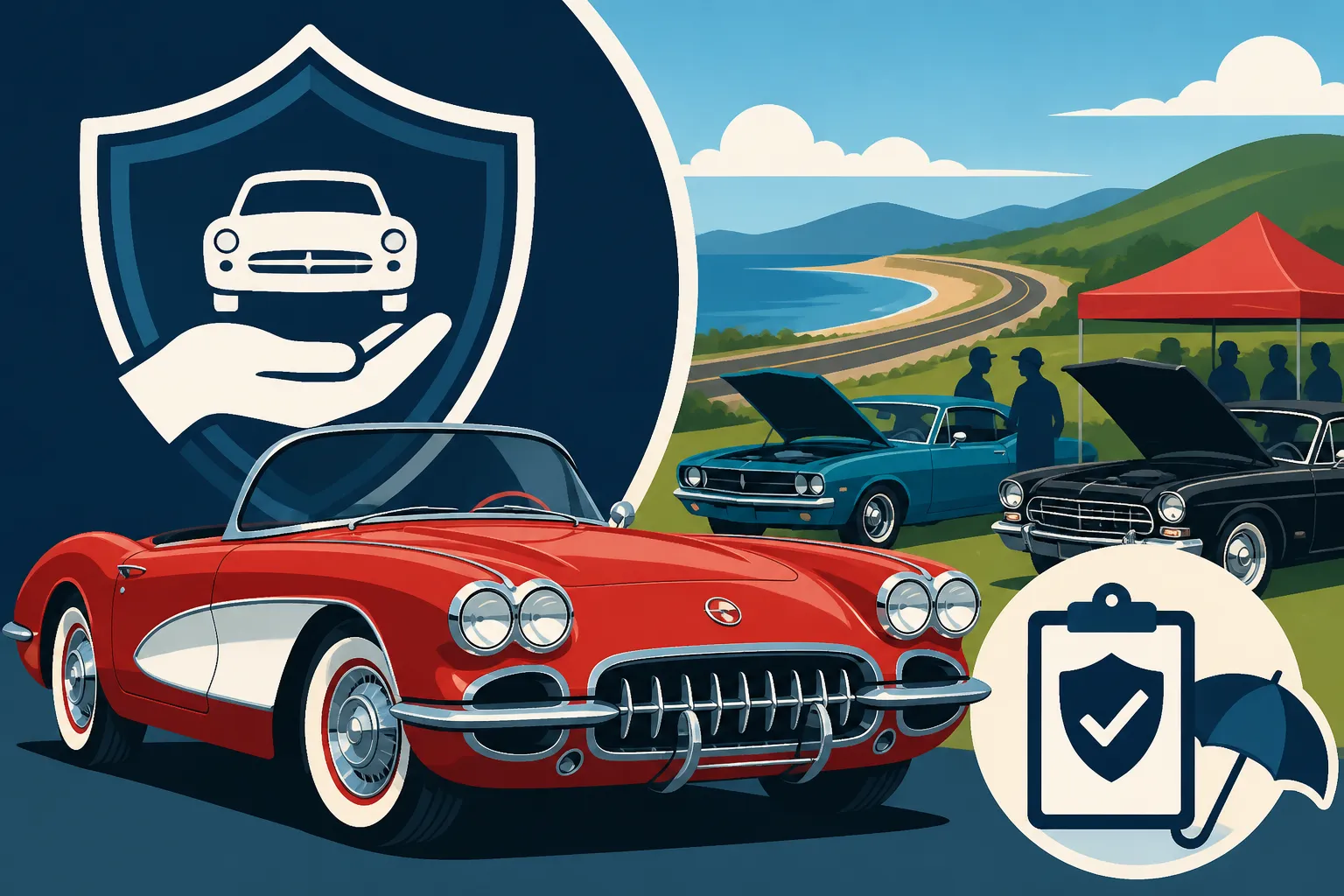
The "show" aspect of this coverage addresses all the scenarios that unfold once your classic arrives at its destination. This includes the entire duration your car is parked, displayed, or participating in non-competitive events at a car show, exhibition, parade, or club gathering. Think about the potential for accidental damage from a curious attendee leaning too close, a child's toy scraping the paint, or even a runaway golf cart at a large outdoor venue. Theft of unique, irreplaceable parts like a specific carburetor, original hubcaps, or even the whole vehicle is another real concern in crowded environments. This specialized coverage also understands that the car's vulnerability increases when it's stationary and exposed to the public. It ensures that the unique circumstances of a show, which differ significantly from day-to-day driving, are adequately covered, protecting everything from minor cosmetic damage to catastrophic loss.
Why Standard Auto Insurance Falls Short for Classic Shows
Many classic car owners mistakenly believe their regular auto insurance or even a basic classic car policy provides sufficient protection for shows and tours. Unfortunately, this is a common misconception that can lead to heartbreaking financial losses. Standard policies are simply not built to address the specific vulnerabilities and valuation complexities of a classic vehicle at an event.
Valuation Differences: Agreed Value vs. Actual Cash Value
One of the most critical distinctions lies in how a vehicle's value is assessed after a loss. Standard auto insurance policies typically operate on an "Actual Cash Value" (ACV) basis. This means if your daily driver is totaled, the insurer pays out what a comparable vehicle would cost today, accounting for depreciation. For a classic car, which often appreciates in value and has unique, often irreplaceable parts, ACV is a disaster. It doesn't recognize the car's collector status, its rarity, or the blood, sweat, and tears poured into its restoration. You can learn more about this crucial difference in our guide on Agreed Value vs Stated Value vs Actual Cash Value.
Specialty classic car insurance, on the other hand, almost universally offers "Agreed Value" coverage. This means you and the insurer agree on your car's value before the policy is issued. Should a total loss occur, you receive that agreed-upon amount, no questions asked, minus your deductible. This is paramount for classic cars going to shows because it ensures that if the worst happens – say, your meticulously restored 1969 Chevrolet Camaro is damaged beyond repair at a national meet – you are compensated fairly for its true collector worth, not just what a depreciated 1969 Camaro shell might fetch. Without agreed value, the emotional and financial toll of a show incident could be devastating, as standard insurance would likely offer a fraction of what your classic is truly worth to you and the collector market. Understanding how Agreed Value Coverage Explained works is essential for any collector.
Use Restrictions and Limitations
Another significant failing of standard auto insurance for classic show and travel scenarios lies in its inherent use restrictions. Regular policies are designed for daily transportation, commuting, and general errands. They often have strict clauses about vehicle usage, including mileage limits or exclusions for certain types of activities. Many classic car owners are surprised to learn that driving their vehicle to a car show, participating in a parade, or even just parking it at an exhibition might fall outside the typical "personal use" definition of a standard policy.
Furthermore, standard policies rarely account for the specific risks associated with events. They don't differentiate between driving to the grocery store and driving 500 miles to a concours d'elegance on a specialized trailer. The specific perils associated with transport (like trailer unhitching, load shifting, or road debris damage to the car on the trailer) or display (like vandalism, theft of unique parts, or accidental damage from crowds) are often not explicitly covered, or if they are, the payout would be based on that inadequate ACV valuation. This means you could be left with a severely damaged or stolen classic, only to find your standard insurer unwilling or unable to provide the comprehensive protection you thought you had, or worse, deny the claim outright due to a use clause violation. This is why specialized coverage is so vital, acknowledging the unique life and purpose of a collector vehicle. Our guide on Pleasure-Use Requirement Explained can offer more insights into these restrictions.
Key Coverages within Travel and Show Policies
Specialized classic car insurance policies go far beyond basic liability and physical damage coverage. They offer a suite of endorsements and specific protections designed to meet the unique needs of collectors participating in events. These aren't just nice-to-haves; they are crucial components that safeguard your investment and your peace of mind.
Transit and Trailer Coverage
This is arguably one of the most critical aspects of classic car show and travel coverage, especially for vehicles that are trailered to events. Many collectors own show-quality cars that rarely touch the open road and are instead transported on trailers, sometimes enclosed, sometimes open. During this transit, your classic is vulnerable to a host of risks not typically covered by a standard auto policy or even your trailer insurance.
Transit coverage protects your classic while it's being transported, whether on its own wheels or on a trailer. This can include damage caused by a collision involving the tow vehicle or trailer, objects falling onto the vehicle during transport, or even the car shifting or rolling off the trailer during loading or unloading. Imagine you're hauling your prized hot rod on a custom-built enclosed trailer to a major national show, and suddenly, another driver swerves, causing a severe accident. Without specific transit coverage, the damage to your classic could be an out-of-pocket expense, even if your trailer itself is insured. Some policies even extend this protection to the custom trailer itself, recognizing it as an integral part of the classic car hobby. It's a lifesaver for those who invest heavily in their transportation methods, offering peace of mind from your driveway to the show field.
On-Exhibit Damage and Theft
Once your classic arrives at the show, exhibition, or rally, a new set of risks emerges. While it might be stationary, it's far from safe. On-exhibit coverage specifically addresses damage or theft that occurs while your vehicle is displayed at an approved event. This is where the specific nuances of classic car ownership truly shine through in insurance terms.
Consider a scenario where your beautifully restored 1957 Chevrolet Bel Air is parked at a busy outdoor show. A sudden gust of wind knocks over a nearby display, sending a metal sign crashing into your fender. Or perhaps a visitor, mesmerized by the chrome, accidentally bumps it with a camera bag, leaving a noticeable scratch. These seemingly minor incidents can lead to significant repair costs, especially given the specialized parts and craftsmanship required for classic car bodywork. Furthermore, the theft of components – a vintage radio, a rare badge, or even the entire engine – is a real concern at crowded events. This coverage specifically protects against these unique perils, ensuring that accidental damage, vandalism, or theft that happens while your car is on display is covered. Without it, you'd be hoping for the best and often paying for the worst yourself. This is an area where companies like Hagerty really shine, offering tailored protections for these specific risks that regular insurers simply don't understand.
Trip Interruption and Emergency Expenses
Even the most meticulously maintained classic cars can experience mechanical issues, especially on longer journeys. A breakdown far from home, while never ideal, can be particularly problematic with a classic. Parts can be scarce, specialized mechanics even more so, and the logistical challenges of getting both you and your car home can be daunting and expensive. This is where trip interruption and emergency expense coverage becomes invaluable.
This type of coverage typically kicks in when your classic becomes inoperable a certain distance from your home (often 50 or 100 miles) while traveling to or from a recognized event. It can cover costs like emergency roadside assistance (including flatbed towing, which is essential for classics), rental car expenses, lodging, and even additional travel costs to get you back home or to your destination. Imagine you're en route to the Hershey AACA Fall Meet in Pennsylvania from Ohio, and your vintage Ford Model A suddenly develops a significant engine issue in the middle of nowhere. A standard policy might offer basic towing, but this specialized coverage can help with the cost of a flatbed tow to a classic-savvy mechanic, a hotel stay while repairs are made, and even the cost of continuing your journey or getting home. It takes the sting out of an unexpected breakdown, allowing you to focus on the solution rather than the financial burden. This coverage is often bundled with Roadside Assistance Coverage for Classic Cars Explained to provide a comprehensive safety net.
Specific Scenarios Covered by These Policies
The beauty of classic car travel and show coverage lies in its specificity. It anticipates the unique circumstances and potential pitfalls that collectors face when they venture out with their vehicles. This isn't generic protection; it's a tailor-made safety net for the enthusiast lifestyle.
Driving to and from Events
The journey itself is often as much a part of the classic car experience as the event destination. Whether you're driving your 1965 Corvette to a local cruise night or embarking on a cross-country tour to a national convention, the miles you cover expose your car to risks. These policies cover accidents, theft, and damage that occur during transit, regardless of whether the car is on a trailer or being driven under its own power.
For instance, if you're driving your prized 1970 Dodge Challenger to the Carlisle Chrysler Nationals in Pennsylvania, and a distracted driver rear-ends you on the interstate, this coverage would handle the repairs. It's not just major collisions either; it also accounts for less dramatic but equally frustrating incidents like a rock chip from passing traffic, a tire blowout, or even minor parking lot scrapes during a fuel stop. Unlike a regular policy that might question the "purpose" of your journey or impose mileage restrictions, classic car insurance embraces these trips as legitimate and integral to the hobby. It ensures that the moments of pure driving joy aren't overshadowed by anxiety over potential roadside mishaps.
Participating in Rallies and Tours
Classic car rallies and tours are designed for drivers to enjoy their vehicles on scenic routes, often over several days. These events are about camaraderie, driving enjoyment, and experiencing the open road. While they are not typically competitive races, they involve extended driving periods, often on unfamiliar roads, and sometimes in groups. Standard insurance policies often have gray areas or outright exclusions for organized events, even non-competitive ones.
Specialized travel and show coverage explicitly extends protection to vehicles participating in these kinds of organized events. This means if you're on a multi-day vintage rally through the Appalachian Mountains and encounter a sudden hail storm, or if another participant accidentally brushes your fender in a tight parking situation at an overnight stop, your vehicle is covered. It recognizes that these activities are a core part of the collector community and provides appropriate protection. Our article on Touring and Rally Coverage Requirements delves deeper into what to expect for these specific scenarios. It's about ensuring that the spirit of adventure isn't dampened by the worry of uninsured incidents.
Damage at the Show Itself
Perhaps the most common scenario for classic car owners, and the one that causes the most anxiety, is damage that occurs while the vehicle is stationary and on display at a show. Despite best efforts, accidents can happen in crowded environments. From curious children leaving fingerprints and minor scratches, to less careful adults bumping into the vehicle with bags or other items, the risks are real.
Imagine your meticulously detailed 1932 Ford hot rod is gleaming under the sun at a local car show, and someone accidentally backs their golf cart into its rear fender, or a heavy advertising banner falls and dents a pristine panel. These aren't scenarios covered well by standard collision or comprehensive, which are designed for moving vehicles or broader environmental perils. Show coverage specifically includes protection against accidental damage, vandalism, or even theft of parts while the car is exhibited. It extends beyond the moment the car arrives, protecting it throughout the entire duration it is present at the event, from setup to tear-down. This specific protection is a testament to the understanding that specialty insurers have for the unique environment of car shows. It means you can display your vehicle with pride, knowing that unexpected incidents won't turn your passion into a costly headache.
Choosing the Right Travel and Show Coverage
Selecting the right classic car travel and show coverage isn't a one-size-fits-all decision. It requires a careful assessment of your specific needs, how you use your classic, and a thorough understanding of what different providers offer. This careful consideration ensures you get the most robust protection for your beloved vehicle.
Assessing Your Needs and Usage
Before you even start looking at policies, take a moment to honestly evaluate how you use your classic car. Are you a weekend warrior who only attends local cruise-ins, never venturing more than 50 miles from home? Or are you a dedicated enthusiast who trailers their concours-level vehicle across the country for major national events like Amelia Island or Pebble Beach? Your usage patterns dictate the level and type of coverage you need.
Consider the following questions:
- How often do you take your classic to shows or events? If it's a regular occurrence, more robust coverage is essential.
- How far do you typically travel? Longer distances increase the risk of breakdowns and accidents, making trip interruption and comprehensive transit coverage more vital.
- How is your car transported? If trailered, do you need coverage for the trailer itself, beyond just the car on it?
- What type of events do you attend? Simple static displays versus multi-day driving tours or rallies have different risk profiles.
- What is the value of your vehicle? Higher-value cars typically warrant more comprehensive and specialized coverage to protect the significant investment.
If you only attend local coffee-and-cars events, your needs might be simpler than someone participating in the Great Race. Someone with a rare, high-value vehicle might prioritize higher limits for theft of parts and transit coverage, while someone with a driver-quality classic might focus more on roadside assistance and basic show damage. Tailoring your coverage to your actual usage prevents both underinsuring your classic and overpaying for unnecessary add-ons. It's about finding that sweet spot of comprehensive, yet practical, protection. This often ties into the broader discussion of How to Choose Classic Car Insurance.
Comparing Provider Offerings
Once you have a clear picture of your needs, the next step is to compare what different specialty classic car insurance providers offer. Not all policies are created equal, and the nuances in their show and travel coverage can be significant. This is where researching companies like Hagerty, Grundy, or American Collectors Insurance becomes crucial. Each company has its own strengths and focuses, often reflected in their policy structures and available endorsements.
When comparing, look beyond the basic premium. Delve into the specifics of their travel and show provisions:
- Transit Coverage Limits: What is the maximum payout for damage during transport? Does it cover mechanical failure on the trailer, or just collision?
- Show Coverage Scope: Is it just for damage, or does it also include theft of parts, vandalism, or even loss of personal effects stored in the car at a show?
- Trip Interruption Benefits: What are the daily limits for lodging and rental cars? How far from home does it activate? Is flatbed towing explicitly included?
- Event Eligibility: Do they have a list of approved events, or is coverage broad? Some might be stricter about rallies or tours.
- Agreed Value Integration: How seamlessly does the show and travel coverage integrate with your agreed-value policy? Does it ensure that any damage is repaired to original standards or compensated fully?
For example, Hagerty, a prominent name in the classic car insurance world, often includes robust touring and rally coverage as part of their standard policy, along with excellent roadside assistance tailored for classics. They understand the collector lifestyle, offering not just insurance but often resources and services that enhance the ownership experience. Other companies might require specific endorsements for certain types of events. Reviewing guides like Classic Car Insurance Companies Compared and specific reviews like Hagerty Classic Car Insurance Review can provide invaluable insights. Don't hesitate to ask detailed questions about hypothetical scenarios; a good agent should be able to walk you through exactly what is and isn't covered.
Important Exclusions and Limitations
While classic car travel and show coverage offers comprehensive protection for a wide range of scenarios, it's vital to understand its limitations. No insurance policy covers every single eventuality, and specialty classic car insurance is no exception. Knowing what's not covered is just as important as knowing what is, preventing unwelcome surprises if you ever need to file a claim.
Racing and Competitive Events
This is perhaps the most significant and common exclusion in almost all standard classic car insurance policies, including those with robust travel and show endorsements. While taking your classic to a car show, participating in a parade, or going on an organized scenic tour is typically covered, engaging in any form of competitive racing, timed events, or performance driving on a track (even for fun) is almost universally excluded.
This means if you decide to take your vintage sports car to a track day, an autocross event, drag racing, or any speed contest, your classic car insurance policy will very likely not cover any damage or liability that occurs during those activities. The risks associated with high-speed driving and competition are fundamentally different and significantly higher than those encountered during a typical show or tour. Some specialty insurers might offer separate, specific coverage endorsements for track days or limited competitive events, but these are almost always add-ons with different terms and potentially higher costs. It's critical to clarify with your insurer if you plan on participating in any event that could be construed as competitive, as failing to do so could lead to a denied claim and a hefty bill if your beloved classic sustains damage on the track. If you're into more spirited driving, you might need to look into specialized Track Day and Autocross Coverage Options if available.
Modifications and Unreported Changes
Classic car owners love to customize and modify their vehicles, whether for performance, aesthetics, or restoration accuracy. However, making significant modifications or changes to your classic without reporting them to your insurance provider can lead to serious coverage issues, especially if those changes affect the agreed value or the risk profile of the vehicle.
If you've spent thousands of dollars upgrading the engine, installing a custom suspension, or performing a high-end paint job, and you haven't informed your insurer, your policy's agreed value might not reflect the true current worth of your vehicle. This means if your modified classic is damaged or stolen while traveling to a show, the payout might be based on its value before the modifications, leaving you severely underinsured. Furthermore, certain modifications could alter the vehicle's risk profile (e.g., performance upgrades that make it faster), and if these aren't reported, the insurer might argue that they were unaware of the increased risk. Always communicate any significant changes or upgrades to your classic car with your insurance provider. Many specialty policies offer specific endorsements for Modified Car Insurance Eligibility or vehicles undergoing restoration, ensuring that your investment in enhancements is also protected. Transparency with your insurer is key to ensuring continuous and adequate coverage for your unique classic.
| Coverage Aspect | Standard Auto Insurance | Specialty Classic Car Insurance (with Travel & Show) |
|---|---|---|
| Valuation | Actual Cash Value (depreciated market value) | Agreed Value (pre-determined payout for total loss) |
| Use Restrictions | Designed for daily driving; may exclude show/event travel | Explicitly covers parades, shows, tours, club events |
| Transit Damage | Limited, typically only collision for driven vehicles | Covers vehicle on trailer (collision, theft, cargo shift) |
| On-Exhibit Damage/Theft | Rarely covers accidental damage or theft at show/display | Covers accidental damage, vandalism, theft at events |
| Roadside Assistance | Basic towing (often limited distance, no flatbed guarantee) | Specialty flatbed towing, extended range |
| Trip Interruption | Typically not included or very limited | Covers lodging, rental car, travel if broken down far from home |
| Competitive Events | Excluded (racing, autocross, track days) | Excluded (unless specific, separate endorsement purchased) |
| Unreported Modifications | Can void coverage or lead to underpayment | Encourages reporting mods to update agreed value |
Disclaimer
Please remember that insurance policies are legally binding contracts, and coverage details can vary significantly between providers and specific policy wordings. The information provided in this guide is for general informational purposes only and does not constitute professional insurance advice. It is essential to consult with a qualified insurance professional and review the specific terms, conditions, exclusions, and limitations of any policy before making insurance decisions. Always ensure your chosen policy accurately reflects your individual needs and the unique characteristics of your classic vehicle.