How Comprehensive Coverage Works for Collectors
It's a familiar ache for any classic car enthusiast: that nagging worry about what could happen to your pride and joy when it's just sitting in the garage, or even when you're out for a leisurely cruise. We spend countless hours restoring, polishing, and preserving these rolling pieces of history, only to feel vulnerable to everything from an unexpected hailstorm to a heartbreaking act of vandalism. This guide is here to unravel the mystery of comprehensive coverage for your cherished collectible, showing you exactly how it protects your investment against the unpredictable and often devastating events that go beyond a fender bender.
Understanding the Basics of Comprehensive Coverage for Classic Cars
When you think about insurance, collision coverage often comes to mind first, protecting your car if it's involved in an accident with another vehicle or object. But what about all the other countless ways a classic can be damaged or lost without ever being in a crash? That's where comprehensive coverage steps in, acting as a broad safety net for your special vehicle. It's an absolutely essential layer of protection that many collectors overlook or misunderstand, often assuming their regular auto policy offers adequate safeguards. However, for a classic, "adequate" is rarely truly adequate.
Beyond Collision: What Comprehensive Actually Protects Against
Comprehensive coverage is designed to protect your classic car from non-collision incidents. Think of it as your policy's answer to acts of nature, unfortunate human behavior, and freak accidents that aren't tied to driving directly into something. This type of coverage is crucial because classic cars are often stored, displayed, or driven in ways that expose them to unique risks.
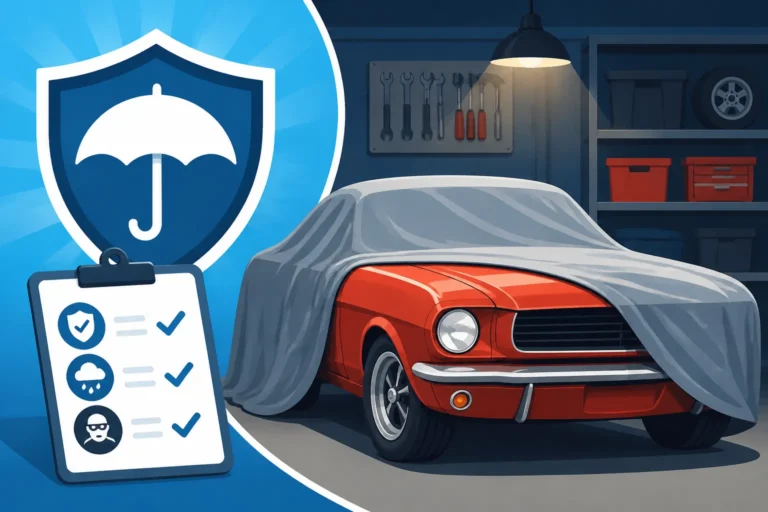
For instance, imagine you've just finished a meticulous restoration on your 1967 Ford Mustang, and it's sparkling in your garage. A sudden, severe hailstorm rolls through, battering your neighborhood. Your garage roof suffers damage, and hailstones manage to dent the hood and roof of your pristine Mustang. This isn't a collision; it's an act of nature, and comprehensive coverage would typically step in to cover the repairs. Or consider the gut-wrenching scenario of waking up to find your beloved 1957 Chevrolet Bel Air stolen from its secure parking spot. While your initial shock would be immense, knowing you have robust comprehensive coverage specifically tailored for classics means you won't be left to bear the full financial burden of its loss alone. It also covers incidents like a fire breaking out in your garage, vandalism that keys your paint job or smashes a window, or even hitting a deer during a picturesque drive through the countryside. These are the kinds of events that could completely devastate a collector without proper protection.
Why Standard Auto Comprehensive Falls Short for Collectibles
Here's the rub: while your everyday driver's comprehensive policy might sound similar, it operates on a fundamentally different principle when it comes to valuing your car. Most standard auto insurance policies use something called Actual Cash Value (ACV). This means if your daily sedan is totaled by a tree falling on it, the insurer will pay you what the car was worth at the time of the loss, factoring in depreciation, mileage, and condition. For a brand-new car, that's not too bad. For a classic that's appreciating in value, or one that has sentimental and historical worth far beyond a standard depreciation schedule, ACV is a disaster waiting to happen.
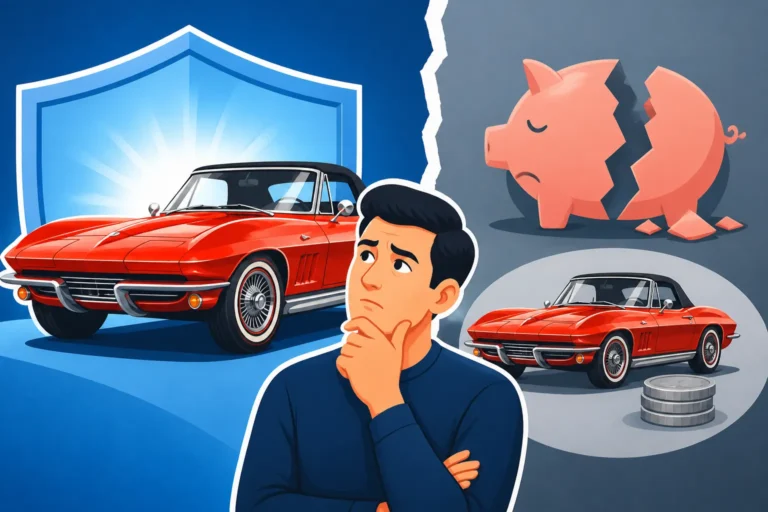
Imagine your 1969 Chevrolet Camaro, lovingly maintained and significantly more valuable today than it was even a few years ago. Under a standard ACV policy, a total loss might only net you a fraction of what you invested or what the car is truly worth on the market. Specialty classic car insurers, however, understand this inherent flaw. They offer "Agreed Value Coverage Explained," where you and the insurer agree upon the car's value before the policy even begins. This "Agreed Value" is the amount you will be paid in the event of a total comprehensive loss, such as theft or a garage fire. This distinction is paramount, because without agreed value, your comprehensive coverage, no matter how broad, might only offer you pocket change for your irreplaceable classic. This is why when you're asking "Classic Car Insurance vs Regular Insurance: What's Required", the valuation method for comprehensive coverage is often at the top of the list of differences.
Common Scenarios Where Comprehensive Coverage Shines for Collectors
Collecting classic cars isn't just about the thrill of the drive; it's about preserving automotive history. But that preservation comes with risks, many of which are outside your direct control. Comprehensive coverage acts as your guardian against these unforeseen perils, offering peace of mind that your investment is protected. It's not just for the catastrophic, but for the everyday anxieties that can weigh on a collector.
Protecting Your Classic from Mother Nature's Fury
Mother Nature can be as beautiful as she is unpredictable, and unfortunately, her wrath spares no one, not even cherished classic cars. Comprehensive coverage is your primary defense against weather-related damage that can be particularly devastating to older vehicles with their unique materials and delicate finishes. We're talking about everything from severe thunderstorms to unexpected blizzards.
Take, for instance, a sudden and violent hailstorm. You might have your 1965 Porsche 911 tucked away in what you thought was a secure garage, only for baseball-sized hail to smash through a skylight or even compromise the roof structure, leaving dents and shattered glass. Or consider flash floods, which can inundate garages and storage facilities in areas not typically prone to flooding, ruining interiors, electrical systems, and even engines. Wind damage is another common culprit; a powerful gust could send a tree branch crashing onto your parked 1970 Plymouth Barracuda, or even cause minor damage from airborne debris during a hurricane in Florida or a severe thunderstorm in Texas. In states like California, wildfires pose an increasing threat, where smoke, ash, and direct flames can obliterate entire collections. Even something as seemingly benign as heavy snowfall, leading to a collapsed carport roof, can cause significant harm. Having robust comprehensive coverage means that no matter what meteorological mayhem comes your way, you have a financial safety net to restore your classic to its former glory.
Theft, Vandalism, and Other Unexpected Mishaps
Beyond the forces of nature, human elements and plain bad luck can also threaten your classic. Comprehensive coverage offers critical protection against these often heartbreaking events. The thought of your prized possession being stolen is a collector's nightmare, but it's a very real risk. Even with the best security measures, a determined thief might target your 1969 Dodge Charger parked at a car show, or even break into your locked garage. When this happens, comprehensive coverage would cover the agreed-upon value of your vehicle, allowing you to recover financially from the loss.
Vandalism is another unfortunate reality. Imagine finding your meticulously polished paint job keyed, or the classic soft top of your 1959 MGA Roadster slashed while it was parked at a local event. These acts of senseless destruction can be incredibly frustrating and expensive to repair. Comprehensive coverage also extends to other unexpected mishaps that aren't technically collisions. This could include a faulty wire causing a fire in your garage, damaging your vehicle and potentially other valuable items. Or perhaps a heavy shelf collapses in your garage, sending tools and parts crashing down onto your classic's delicate fenders. Even an unexpected encounter with an animal, like a deer leaping in front of your 1963 Corvette on a quiet country road, would fall under comprehensive coverage, preventing significant out-of-pocket expenses for the resulting bodywork and repairs.
Key Considerations for Comprehensive Coverage in Classic Car Policies
When you're looking at "How to Choose Classic Car Insurance," particularly for comprehensive coverage, it’s not just about having a policy; it's about having the right policy. Standard insurance might cover theft, but will it truly understand the value of a meticulously restored engine or rare trim pieces? Specialty classic car insurers build their policies around the unique nature of these vehicles, ensuring the comprehensive coverage truly serves your needs as a collector.
The Importance of Agreed Value and Its Impact on Comprehensive Claims
We can't stress this enough: for a classic car, comprehensive coverage is only as good as its underlying valuation method. This is where "Agreed Value Coverage for Classic Cars Explained" becomes the absolute cornerstone. Unlike standard policies that pay out based on Actual Cash Value (ACV) – a figure that can leave you heartbroken with a fraction of your classic's worth – agreed value means you and the insurer determine and agree upon a specific value for your vehicle at the start of the policy term. This is the exact dollar amount you will receive if your car is deemed a total loss due to a covered comprehensive event.
Imagine your beautiful 1932 Ford hot rod, representing years of dedication and significant investment, is completely destroyed in a garage fire. With an agreed value policy from a company like Hagerty, you are guaranteed to receive that agreed-upon amount, allowing you to replace the vehicle or reinvest in another project without financial devastation. Without agreed value, a standard insurer might only offer you what they perceive as the car's "market value" at the time, which for a unique, custom-built classic, can be a depressingly low figure, often not even covering the cost of the raw materials, let alone the specialized labor and rare parts. This is why "Why Agreed Value Matters for Classics" is such a critical discussion for any discerning collector. It means that in a total loss scenario from theft, fire, or severe natural disaster, you are truly protected for your car's genuine worth.
Deductibles, Limits, and Other Policy Nuances
Just like with regular car insurance, comprehensive coverage for your classic will come with deductibles and limits. A deductible is the amount you agree to pay out-of-pocket before your insurance coverage kicks in for a claim. Common deductibles for classic car comprehensive policies might range from $0 to $1,000 or more. Choosing a higher deductible usually means a lower premium, but it also means you'll pay more upfront if you need to file a claim. It's crucial to find a balance that fits your financial comfort level.
Beyond the deductible, the primary limit for your comprehensive coverage is the agreed value itself. If your 1965 Shelby GT350 has an agreed value of $200,000, that's the maximum payout you'd receive for a total loss from a comprehensive event, minus your deductible. However, there are other nuances to consider. Many specialty classic car policies offer important add-ons that work in conjunction with comprehensive coverage. For instance, "Spare Parts Coverage Explained" can protect your stash of hard-to-find components, which would be incredibly valuable if your garage is hit by a flood. Similarly, if your car is undergoing work, "Restoration Coverage for Classic Cars" can ensure that the increasing value due to ongoing restoration efforts is accounted for, preventing a major shortfall if a comprehensive loss occurs mid-project. Always dive into the policy details to ensure every aspect of your classic is adequately protected.
Storage Requirements and Their Link to Comprehensive Protection
One of the defining characteristics of classic car insurance, and a point often linked directly to comprehensive coverage, is the expectation of proper storage. Most specialty insurers understand that your classic isn't a daily grocery-getter, and they price policies accordingly. However, this often comes with a stipulation: the vehicle must be stored in a secure, enclosed, and locked facility when not in use. This could mean a private garage, a dedicated storage unit, or another approved location.
If your policy requires your 1972 Datsun 240Z to be stored in a locked garage, and it's stolen from your driveway overnight, your comprehensive coverage for theft could be denied because you didn't meet the policy's storage requirements. Similarly, if a fire breaks out and your classic was left under an open carport instead of an enclosed garage, the insurer might contest the claim. Insurers implement these "Garage Storage Requirement for Classic Cars" rules because secure storage significantly reduces the risk of theft, vandalism, and even certain types of weather damage, directly impacting the likelihood of a comprehensive claim. Before finalizing your policy, always be clear about your storage situation and ensure it aligns with the insurer's requirements. Being upfront can save you a world of heartache and a denied claim down the line.
Navigating a Comprehensive Claim with Your Classic Car
No one ever wants to file an insurance claim, especially when it involves a cherished classic. It's a stressful time, filled with uncertainty about your car's future. However, understanding the process and knowing what to expect can significantly ease the burden and help ensure a smooth resolution. When you're dealing with a specialty vehicle, the claims process needs to be handled with a different level of care and expertise than a standard daily driver.
Immediate Steps After an Incident
When an unfortunate comprehensive incident occurs, your immediate actions can greatly influence the claims process. First and foremost, if your classic car has been stolen or vandalized, your absolute first step should be to contact the local law enforcement agency. You'll need an official police report to file a claim for theft or vandalism. This report will provide crucial documentation for your insurer and potentially aid in recovery.
Next, prioritize documenting the damage or loss thoroughly. Take plenty of clear photographs and videos from multiple angles. Capture the overall scene, close-ups of specific damage, and any relevant environmental factors (e.g., fallen tree branches, floodwater levels). If parts are missing due to theft, make a detailed list. Do not attempt to clean up or repair anything until you’ve documented it and spoken with your insurer, as this could inadvertently hinder the investigation. Finally, notify your classic car insurance provider as soon as reasonably possible. They will guide you through the initial steps, assign a claims adjuster, and explain what to expect next. Securing the vehicle from further damage, if possible and safe to do so, is also important, such as moving a damaged car into a secure garage or covering a broken window. For a deeper dive into the overall process, you might find "How to File a Classic Car Insurance Claim" helpful.
The Claims Process and Working with a Specialty Insurer
Once you've reported the incident, the claims process begins in earnest. This is where working with a specialty classic car insurer truly shines. Unlike general insurance adjusters who might not understand the nuances of a vintage vehicle, specialty adjusters, often from companies like Hagerty or American Collectors Insurance, are typically enthusiasts themselves. They are trained to appreciate the unique value of original parts, the cost of specialized labor, and the meticulous restoration process that goes into maintaining a classic. They understand that a 1960s carburetor isn't just a part; it's a historical artifact that contributes significantly to the vehicle's agreed value.
The adjuster will assess the damage or verify the theft. For damage claims, they'll work with you and your chosen restoration shop to determine the scope of repairs and associated costs. If the car is a total loss (e.g., completely destroyed by fire or unrecoverably stolen), your agreed value policy ensures you receive the agreed-upon amount, minus your deductible. This eliminates the stressful negotiation common with ACV policies. They'll help facilitate towing (often requiring a flatbed for classics) and guide you through paperwork. Their expertise means fewer headaches for you and a more accurate valuation of the loss, whether it’s for a repair or a total payout. This specialized knowledge is a core reason why many collectors opt for "Best Specialty Classic Car Insurers" when protecting their prized possessions.
| Feature | Standard Auto Comprehensive Coverage | Classic Car Comprehensive Coverage |
|---|---|---|
| Valuation Method | Actual Cash Value (ACV) – depreciated value | Agreed Value – fixed, pre-agreed amount |
| Payout in Total Loss | Market value at time of loss (less depreciation) | Pre-determined Agreed Value |
| Typical Deductibles | $250 – $1,000+ | Often $0, $250, $500 (variable) |
| Understanding of Parts | Focus on OEM/aftermarket replacement costs | Focus on original, rare, or specialty parts costs |
| Storage Requirements | Generally few specific requirements | Strict "Garage Storage Requirement for Classic Cars" |
| Mileage Restrictions | None | Common (e.g., 2,500, 5,000 miles per year) |
| Claims Adjuster Expertise | General automotive knowledge | Specialized knowledge of classic cars & market |
| Add-on Coverages | Limited | "Spare Parts Coverage Explained", "Restoration Coverage for Classic Cars", etc. |
Disclaimer
Please remember that this article provides general information and insights into comprehensive coverage for classic cars. Insurance policies can vary significantly between providers and depend on your specific circumstances. It is always best to consult with a qualified insurance professional or a specialty classic car insurance provider to discuss your individual needs and to obtain personalized advice and quotes. Policy terms, conditions, and exclusions always apply.