Uninsured Motorist Coverage for Classic Cars Explained
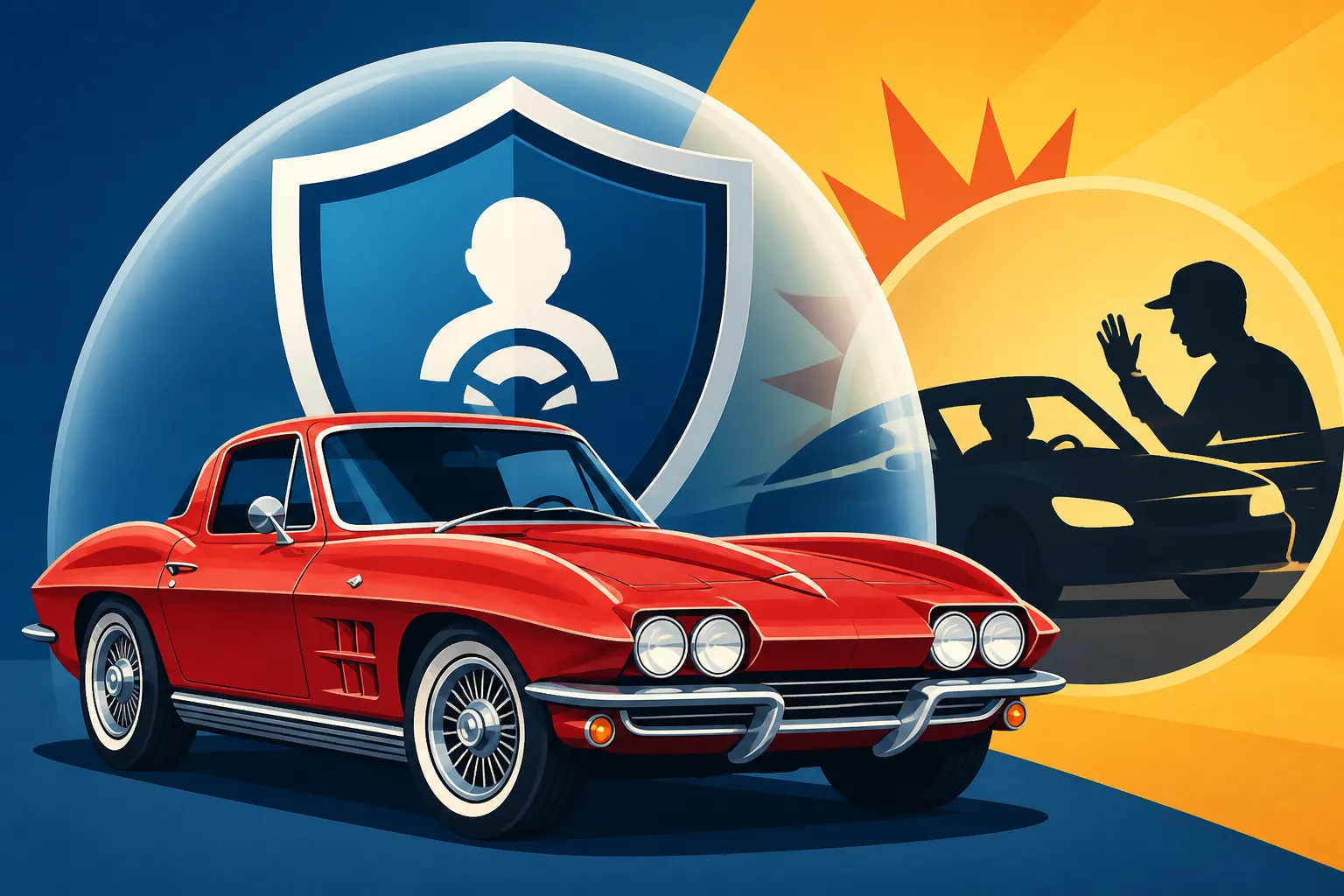
Imagine you’re out for a leisurely Sunday drive in your meticulously restored classic, the sun glinting off its chrome, the engine purring just right. It’s the perfect day, until, out of nowhere, another driver runs a red light and slams into your pride and joy. They’re at fault, no question. But then comes the gut punch: they don’t have insurance. Or maybe they have the bare minimum state liability, which barely covers a fender bender on a modern economy car, let alone the specialized parts and labor your classic needs. This nightmare scenario is terrifyingly real for classic car owners, and it highlights a critical gap in many policies. This guide will meticulously unpack uninsured motorist (UM) coverage, explaining exactly what it is, why it's a vital safeguard for your collectible vehicle, and how to ensure you're adequately protected against the financial fallout of irresponsible drivers.
The Unseen Threat: Why Uninsured Motorist Coverage Matters for Your Classic
Driving any vehicle carries risks, but when you're behind the wheel of a classic car, those risks feel magnified. Your classic isn't just transportation; it's an investment, a piece of history, and often a labor of love. The financial and emotional toll of an accident, especially one caused by an uninsured or underinsured driver, can be devastating if you're not properly covered.
Understanding the Risk to Collectible Vehicles
The roads today are, unfortunately, filled with drivers who either carry no insurance at all or only the absolute minimum required by state law. While most states mandate liability insurance, the actual coverage amounts can be shockingly low, sometimes as little as $10,000 for property damage. For a late-model sedan, that might be enough to cover repairs, but for a 1969 Chevrolet Camaro with original parts or a custom paint job, it’s a drop in the bucket. The costs of sourcing period-correct components, specialized restoration labor, and the intrinsic value of a well-maintained classic car far exceed what typical minimum liability policies can cover. You might think your comprehensive and collision coverage will save the day, but that only covers damages you cause or acts of nature, not the negligence of another party.
This is where the unique nature of classic cars truly comes into play. A typical modern car can often be repaired with readily available aftermarket parts, or even declared a total loss and replaced with a similar model from a dealership. But a classic, particularly one with an Agreed Value Coverage Explained policy, is valued for its originality, rarity, or unique modifications. Replicating that value after a significant accident, especially if the at-fault driver is inadequately insured, is nearly impossible without specific protection.
The Limitations of Standard Liability
When you purchase standard auto insurance, the primary components are usually liability, collision, and comprehensive. Your liability coverage protects other drivers if you cause an accident, paying for their bodily injuries and property damage. Collision covers damage to your vehicle if you hit another car or object, regardless of fault. Comprehensive covers things like theft, vandalism, fire, or hitting an animal. What none of these inherently cover, however, is what happens when another driver hits you and they lack the financial means to cover the damages.
Let’s say you have fantastic full coverage on your 1957 Bel Air, including collision. If an uninsured driver totals your car, your collision coverage would pay for the damages, minus your deductible. Sounds okay, right? Not entirely. Your insurance company will then attempt to subrogate, meaning they’ll try to get their money back from the at-fault uninsured driver. Good luck with that. Most uninsured drivers don't have significant assets, which is often why they didn't have insurance in the first place. You could be stuck with your deductible and, depending on your policy, potentially a claim that impacts your future rates, all through no fault of your own. Uninsured motorist coverage steps in to fill this critical gap, ensuring your financial burden is minimized when the other party can't or won't pay. It's an often-overlooked but essential layer of defense for any classic car owner.
What is Uninsured Motorist (UM) Coverage Anyway?
Uninsured Motorist (UM) coverage is designed to protect you, your passengers, and your classic car when an at-fault driver either has no insurance or insufficient insurance to cover the damages they caused. It essentially acts as if the uninsured driver did have insurance, with your policy stepping in to cover what their nonexistent or inadequate policy would have. It’s a crucial safeguard, often broken down into two main types: bodily injury and property damage, with a helpful cousin called underinsured motorist coverage.
Uninsured Motorist Bodily Injury UMBI
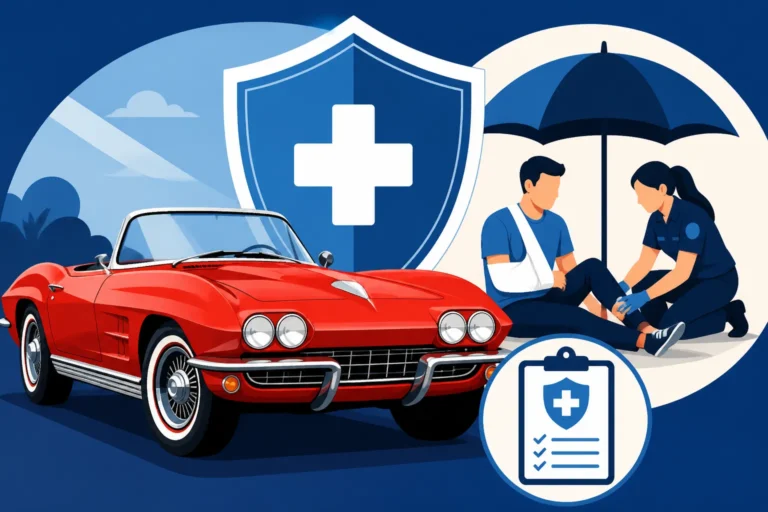
Uninsured Motorist Bodily Injury (UMBI) coverage is all about protecting people. If an uninsured or hit-and-run driver causes an accident that results in injuries to you or your passengers in your classic car, UMBI steps in. It covers medical expenses, lost wages from time off work due to injuries, and pain and suffering. This is incredibly important because even if your classic car is largely a "pleasure-use" vehicle that sees limited road time, the risk of personal injury is always present.
Consider a scenario where you're cruising down the Pacific Coast Highway in your vintage Porsche, and an uninsured driver swerves into your lane, causing you to hit a barrier. While your classic car takes a hit, you and your passenger sustain whiplash and need hospital visits, physical therapy, and time away from your jobs. Without UMBI, you'd be looking at your health insurance to cover medical bills, and potentially out-of-pocket expenses for lost income, while the at-fault driver remains elusive or penniless. UMBI coverage ensures that your personal recovery doesn’t become a financial catastrophe simply because another driver failed to uphold their legal and moral responsibility.
Uninsured Motorist Property Damage UMPD
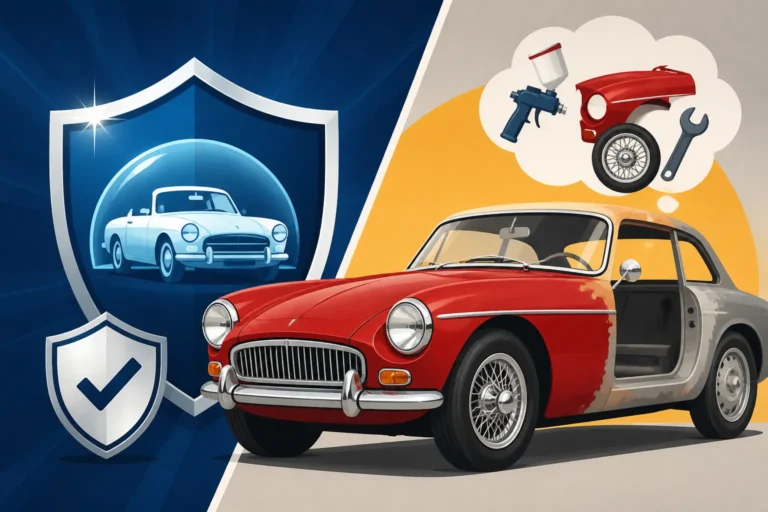
While UMBI focuses on the human element, Uninsured Motorist Property Damage (UMPD) coverage is specifically designed to protect your vehicle itself. If an uninsured or hit-and-run driver damages your classic car, UMPD will pay for the repairs or, in the case of a total loss, the agreed value of your vehicle. This is where the true value of UMPD shines for classic car owners, especially those who have an Agreed Value Coverage for Classic Cars Explained policy.
Imagine your beloved 1967 Mustang, perfectly restored, is parked at a local car show. A driver backs out of a space, not seeing your car, and crunches your pristine fender, then panics and drives off. You get their license plate, but they turn out to be uninsured. If you have UMPD, your insurance company, like Hagerty or American Collectors Insurance, would cover the cost to repair that fender, rather than you having to pay your collision deductible and then wait indefinitely for subrogation efforts against a driver who might never pay. UMPD often comes with a much lower or even no deductible compared to standard collision coverage when used in an uninsured motorist scenario, which can be a huge relief when dealing with costly classic car repairs.
Underinsured Motorist UIM Coverage: The Crucial Companion
Often, when you purchase UM coverage, you'll also be offered Underinsured Motorist (UIM) coverage. This is equally, if not more, important for classic car owners. While uninsured motorist coverage deals with drivers who have no insurance, UIM coverage addresses those drivers who have some insurance, but not enough to cover the full extent of the damages they cause.
Let’s go back to our earlier scenario with the 1969 Camaro. If the at-fault driver only has the state minimum property damage liability of, say, $10,000, and your Camaro sustains $45,000 worth of damage, their policy will only pay out $10,000. That leaves a $35,000 gap. This is precisely where UIM coverage steps in. Your UIM policy would cover that remaining $35,000, ensuring your classic can be fully repaired without you having to foot the bill or compromise on quality. Many specialty insurers understand the high value of collector cars and offer robust UIM options that properly align with the How Agreed Value Matters for Classics principle, ensuring your unique investment is truly protected. This dual protection of UM and UIM provides comprehensive financial security against the negligence of other drivers, safeguarding both your physical well-being and your cherished vehicle.
How UM Coverage Protects Your Prized Classic
When you invest your time, money, and passion into a classic car, you want every possible layer of protection. Uninsured motorist (UM) coverage is one of those critical layers, offering peace of mind against scenarios that standard policies often can't fully address. It's not just about covering costs; it's about preserving the value and integrity of your unique vehicle.
Covering Repair Costs When the At-Fault Driver Has No Insurance
The most direct and immediate benefit of UMPD coverage is its ability to cover the repair costs of your classic car when the at-fault driver has no insurance. Imagine your pristine 1970 Dodge Challenger is involved in a collision caused by an uninsured driver. Without UMPD, you'd be left to file a claim under your own collision coverage, pay your deductible, and then hope your insurer can somehow recover funds from the uninsured party – a process that is often fruitless and can take years.
With UMPD, your specialty classic car insurance provider, such as Hagerty or J.C. Taylor, would process the claim and pay for the necessary repairs to restore your Challenger to its pre-accident condition. This is particularly vital for classics because repairs often involve specialized body shops, period-correct parts, and meticulous craftsmanship that can be significantly more expensive than repairs for a modern vehicle. UMPD ensures that you don't have to compromise on the quality of repairs or dip into your own savings to cover costs that were clearly not your fault. It means your beloved classic gets the care it deserves, without the added stress of chasing down an irresponsible driver.
Protecting Your Investment from Hit-and-Run Scenarios
Hit-and-run incidents are every classic car owner’s nightmare. You park your prized possession carefully, only to return and find a dented fender, a broken headlight, or worse, with no note and no witness. In these situations, your standard liability coverage is useless, as there’s no identifiable third party to hold accountable. Your collision coverage would typically apply, requiring you to pay your deductible. However, UMPD offers an often more favorable alternative.
Most uninsured motorist property damage policies extend to hit-and-run scenarios where the at-fault driver cannot be identified. This means that if someone clips your 1965 Corvette in a parking lot and flees, your UMPD coverage can step in to cover the damage. This is a huge relief, especially since classic car parts can be incredibly difficult and expensive to replace, even for minor damage. For instance, a cracked taillight lens on a rare European classic might cost hundreds or thousands to replace with an authentic part. Having UMPD means you won’t be left with the choice of paying out of pocket for these costly repairs or letting your classic sit with damage. It’s an invaluable safeguard for those unexpected and frustrating incidents.
Medical Expenses and Lost Wages for Occupants
Beyond protecting the metal and paint, UMBI coverage provides a critical safety net for you and anyone riding in your classic car. Accidents, even minor ones, can result in injuries that lead to significant medical bills, rehabilitation costs, and lost income if you're unable to work. If the at-fault driver is uninsured, these costs would typically fall on your health insurance, and any lost wages or additional suffering would be difficult, if not impossible, to recover.
With UMBI, your classic car insurance policy becomes the primary source for covering these expenses. This includes emergency room visits, ongoing doctor appointments, physical therapy, prescription medications, and even compensation for the income you lose while recovering. For instance, if you and a friend are touring in your vintage British roadster and an uninsured driver causes an accident resulting in broken bones, UMBI would ensure both of you receive the necessary medical care and compensation for time missed from work. This protects your personal finances from being drained by medical costs and ensures that you and your passengers can focus on recovery rather than battling a non-existent insurance policy. It's a comprehensive layer of protection for the most important cargo in your classic – its occupants.
Key Considerations When Adding UM Coverage to Your Classic Policy
Choosing to add Uninsured Motorist (UM) coverage to your classic car policy is a smart move, but it's not a one-size-fits-all decision. There are several factors to consider to ensure you're getting the right level of protection that aligns with your specific needs and your classic car's value. Understanding these nuances can save you headaches and heartaches down the road.
State Requirements and Optionality
Insurance laws vary significantly from state to state, and uninsured motorist coverage is no exception. Some states, such as North Carolina and New York, actually require that you carry UM coverage. Others make it optional but require insurers to offer it, meaning you have to specifically reject it in writing if you don't want it. Then there are states where it's entirely optional.
It's crucial to understand the Classic Car Liability Requirements by State where your classic is registered and primarily driven. Even if it's optional in your state, strongly consider adding it. The modest increase in premium is usually well worth the peace of mind, especially given the rising number of uninsured drivers on the road. Don't assume your personal auto policy for your daily driver automatically extends these protections to your classic. Specialty classic car insurers like Grundy will tailor coverage specifically for your collector vehicle, so always discuss UM/UIM options directly with them. Being fully aware of your state's stance will guide your decision-making process and ensure compliance, while also bolstering your protection.
Choosing Appropriate Coverage Limits
Just like with standard liability insurance, UM coverage comes with various limits. These limits are typically expressed as three numbers, for example, 100/300/50. This usually means $100,000 for bodily injury per person, $300,000 for bodily injury per accident, and $50,000 for property damage. For classic car owners, it's vital to choose limits that adequately reflect the value of your vehicle and your potential medical expenses.
Think about the unique aspects of your classic. If you own a high-value collector car with an Agreed Value Coverage for Classic Cars Explained of $150,000, having only $50,000 in UMPD coverage would leave a massive gap. Similarly, medical costs can quickly escalate after a serious accident, easily surpassing lower UMBI limits. It’s often recommended to match your UMBI limits to your bodily injury liability limits, and your UMPD limits to at least the agreed value of your classic, if not higher, to cover potential diminishment of value or other unforeseen costs. Don't just default to the cheapest option; carefully evaluate the potential financial impact of an accident involving an uninsured driver. A few extra dollars a month for higher limits can prevent a six-figure financial headache down the line.
How UM Interacts with Agreed Value Policies
One of the cornerstones of classic car insurance is "agreed value" coverage, where you and the insurer agree on your car's value before a loss occurs. This is vastly superior to "actual cash value" found in standard policies, which depreciates your car's worth. So, how does UM coverage fit into this crucial agreed value framework? Beautifully, usually.
When you have an agreed value policy for your classic, your UMPD coverage should ideally pay out up to that agreed value if your car is totaled by an uninsured driver. This ensures that you receive the full, pre-determined market value for your cherished vehicle, rather than a depreciated amount. This is a critical distinction that really underscores why classic car insurance is different. For example, if your agreed-value 1963 Split-Window Corvette is rear-ended and declared a total loss by an uninsured motorist, your UMPD should pay out the full agreed value, allowing you to replace or rebuild without financial penalty. Always confirm with your specialty insurer how their UMPD specifically interacts with your agreed value. While What Does Classic Car Insurance Cover details many policy elements, explicitly understanding this interaction for UM/UIM will provide unparalleled clarity and confidence in your coverage.
Navigating a Claim with Uninsured Motorist Coverage
Finding yourself in an accident is stressful enough, but discovering the other driver is uninsured can feel like adding insult to injury. However, having Uninsured Motorist (UM) coverage means you have a path forward. Knowing the steps to take immediately after an incident and understanding the claims process with your specialty insurer can make a significant difference in how smoothly things proceed and how quickly your classic car can be restored.
Immediate Steps After an Accident
Even with the best UM coverage, the moments directly following an accident are critical. Your actions can greatly impact the claims process:
- Ensure Safety First: Always prioritize the safety of yourself and any passengers. Move your classic to a safe location if possible, and check for injuries. Call 911 immediately if anyone is hurt.
- Contact Law Enforcement: Report the accident to the police, regardless of how minor it seems. A police report documenting the incident, including details about the other driver and their insurance status (or lack thereof), is invaluable for your claim. This is a critical piece of evidence. Make sure the report explicitly notes if the other driver is uninsured or fled the scene (hit-and-run).
- Gather Information: Collect as much information as you can about the other vehicle and driver. This includes their name, contact information, license plate number, driver's license number, and any witness contact details. If they admit to being uninsured, make a note of it. For hit-and-run incidents, any details you can remember about the vehicle (make, model, color, direction of travel, partial plate) are helpful.
- Document the Scene: Take clear, comprehensive photos and videos of the accident scene, including damage to both vehicles (if applicable), road conditions, traffic signs, and any relevant landmarks. Documenting the damage to your classic car thoroughly is especially important when dealing with a specialty insurer, as it helps establish the extent of the loss.
- Notify Your Insurer Promptly: As soon as you are safe and have gathered initial information, contact your classic car insurance company. Specialty insurers like Hagerty, Grundy, or American Collectors are experienced with these types of claims. Be honest and provide all the details you’ve collected. Remember, early notification is almost always beneficial.
The Claims Process with Your Specialty Insurer
Once you’ve reported the accident, your specialty classic car insurer will guide you through their specific claims process. This process is generally more tailored and understanding than with a standard insurer, given their expertise with unique vehicles.
- Claim Filing and Initial Assessment: You'll formally file a claim for uninsured motorist coverage. Your insurer will likely assign a claims adjuster who specializes in classic cars. They will review the police report, your documentation, and statements.
- Damage Appraisal and Valuation: For UMPD, the adjuster will arrange for an appraisal of the damage to your classic car. This might involve a specialized appraiser who understands classic vehicle restoration costs and part sourcing. Because you likely have an agreed value policy, the focus will be on assessing the cost to repair the damage or confirming if it's a total loss relative to your agreed value. This is where the true benefit of How Agreed Value is Determined comes into play, as there's no debate about your car's worth.
- Medical Review (for UMBI): If there are bodily injuries, your UMBI claim will involve reviewing medical records, bills, and potentially consulting with medical professionals to assess the extent of injuries and associated costs.
- Payout and Resolution: Once all information is gathered and the assessment is complete, your insurer will determine the payout. For repairs, they will work with you and your chosen specialty body shop. If your classic is a total loss, they will pay out the agreed value. Your insurer will handle the subrogation efforts against the uninsured driver, taking that burden off your shoulders.
Common Pitfalls and How to Avoid Them
Even with UM coverage, there are some common mistakes classic car owners can make that might hinder their claim:
- Failing to Report to Police: Not getting a police report, especially for a hit-and-run or if the other driver seems cooperative but later vanishes, can make it difficult to prove the "uninsured" aspect of the claim.
- Admitting Fault: Never admit fault at the scene of an accident. Stick to the facts. Let the police and insurers determine liability.
- Delaying Notification: Waiting too long to inform your insurer can sometimes lead to complications or even denial, especially if the delay makes it harder to investigate.
- Inadequate Documentation: Insufficient photos, lack of witness information, or not thoroughly documenting damages can prolong the claims process or lead to disputes over repair costs.
- Choosing the Wrong Shop: While your insurer might recommend a shop, ensure any repairs are done by a reputable classic car restoration specialist who understands your car's unique needs and value. Your policy might have specific requirements for Classic Car Insurance Inspection Requirements or choice of repair shop.
- Underestimating Injuries: If you feel fine after an accident, still get checked out by a medical professional. Some injuries, like whiplash, might not manifest until hours or days later. Your UMBI claim will depend on documented medical evidence.
By being prepared and understanding these steps and potential pitfalls, you can navigate an uninsured motorist claim more effectively, protecting both your personal well-being and your cherished classic.
Is Uninsured Motorist Coverage Always Worth It? Weighing the Pros and Cons
When you’re looking at your classic car insurance bill, every extra coverage option can make you pause. Is uninsured motorist coverage truly necessary, or is it just another upsell? For most classic car owners, the peace of mind and financial protection it offers far outweighs the additional cost, particularly given the unique nature and value of these vehicles.
The Cost vs. Peace of Mind Equation
Let's be frank: no one wants to pay more for insurance. However, when considering UM coverage, it's essential to look beyond the immediate premium cost and assess the potential financial devastation it can prevent. The cost of adding UM coverage to a specialty classic car policy is generally quite reasonable, often adding a relatively small percentage to your overall premium. This is especially true when you compare it to the astronomical costs of classic car restoration, medical bills, or lost wages.
Consider the alternative: if an uninsured driver severely damages your 1970 Plymouth Barracuda, and you lack UMPD, you're looking at paying your collision deductible, potentially facing higher future premiums due to the claim, and then bearing the full brunt of any costs that exceed your collision coverage, or that your insurer can't recover from the at-fault party. For bodily injuries, without UMBI, your medical bills would fall to your health insurance, potentially subject to high deductibles and co-pays, and any lost income would simply be gone.
The peace of mind that comes with knowing your investment is protected, and that you won't face crippling out-of-pocket expenses due to someone else's negligence, is immeasurable. For a modest annual investment, you shield yourself from catastrophic financial risk. It really comes down to whether you're willing to gamble your classic car and your financial stability against the increasing number of uninsured drivers on the road. For many collectors, that gamble simply isn't worth it.
Scenarios Where it's Indispensable
While UM coverage is highly recommended across the board, there are specific scenarios where it transitions from "good idea" to "absolutely indispensable":
- High-Value Classics: If your classic car has an agreed value of $50,000, $100,000, or even more, lower UMPD limits (or no UMPD at all) expose you to immense risk. Losing a substantial portion of your investment due to an uninsured driver would be heartbreaking and financially crippling. For these vehicles, UM coverage is non-negotiable.
- Frequent Drivers or Touring Cars: If you regularly take your classic out for drives, tours, or long-distance rallies, you spend more time on the road, increasing your exposure to other drivers. Even if you practice defensive driving, you can't control everyone else. Touring and Rally Coverage Requirements often go hand-in-hand with robust UM.
- Living in High Uninsured Motorist Areas: Some states and regions have a higher percentage of uninsured drivers. If you live or frequently drive your classic in one of these areas, your risk factor is inherently higher, making UM coverage even more critical. States like Florida, Michigan, and New Mexico historically have higher rates of uninsured motorists.
- Daily Driven Classics: Although most classic car policies have Pleasure-Use Requirement Explained, some specialty insurers offer Classic Car Insurance for a Daily Driver policies. If your classic serves as your primary transportation, your exposure to accidents increases dramatically, making UM coverage an absolute must for consistent protection.
- Modified or Custom Cars: Modified vehicles, hot rods, or restomods often have custom components and specialized fabrication that are incredibly expensive to repair or replace. If an uninsured driver damages your unique build, UMPD ensures those custom elements are covered to their agreed value.
In essence, while it's an added cost, uninsured motorist coverage acts as a vital safety net, ensuring that the passion, time, and money you've poured into your classic car aren't jeopardized by the unfortunate reality of irresponsible drivers. It's an investment in your financial security and the longevity of your prized possession.
Disclaimer
This article is for general informational purposes only and does not constitute professional advice. Laws, prices and regulations vary by location and change over time. Consult a qualified professional for guidance on your specific situation.