Best Coverage Types for a Modified Car
You've poured your heart, soul, and countless hours into transforming your classic ride into something truly unique. From a subtle engine swap to a full-blown custom restomod, these modifications make your car a reflection of your passion and craftsmanship. But when it comes to insuring that one-of-a-kind masterpiece, navigating the options can feel like trying to fit a square peg in a round hole. This guide will help you understand the best coverage types to protect your modified classic car, ensuring your investment is fully safeguarded.
Why Standard Insurance Falls Short for Modified Cars
It’s a common misconception that if your classic car already has insurance, it automatically covers any modifications you make. Unfortunately, for most standard auto insurance policies, that's just not the case. Your beloved custom build is far too special to be treated like an ordinary commuter vehicle, and standard policies just aren't designed to understand its unique value. This oversight can lead to devastating financial losses if your vehicle is ever damaged, stolen, or totaled.
The Problem with Actual Cash Value for Customizations
Most standard auto insurance policies operate on an "Actual Cash Value" (ACV) basis. This means if your car is totaled, the insurer will pay out what they determine the car was worth just before the loss, factoring in depreciation. For a stock, everyday car, this might be adequate. But for a modified classic? It's a disaster waiting to happen. ACV simply does not account for the thousands of dollars and hundreds of hours you've invested in custom paint, engine upgrades, bespoke interiors, or unique suspension systems. You might get paid out for a stock 1969 Mustang, but what about the supercharged Coyote engine, custom widebody kit, and hand-stitched leather interior? These significant upgrades are often completely overlooked, leaving you dramatically underinsured and heartbroken. It’s a harsh reality that many custom car owners discover only after a catastrophic event.
Misunderstood Risks of Custom Vehicles
Beyond valuation, standard insurers often misunderstand the usage and risk profile of a modified classic. They might view a high-performance engine swap as an increased risk, leading to higher premiums or even a refusal to cover certain components. They don't typically differentiate between a meticulously built, garage-kept show car that sees limited, careful use, and a souped-up daily driver. The very nature of a modified car—often driven less frequently, stored securely, and maintained with exceptional care—is usually lost on traditional insurers. This is why understanding Classic Car Insurance vs Regular Insurance: What's Required is so critical. You need an insurer who truly gets the unique world of classic and custom vehicles, recognizing that enthusiasts tend to be extremely responsible owners who cherish their investments.
Essential Coverage Types for Your Modified Classic
When you’re insuring a modified classic, you need to think beyond the basic liability and collision coverage. Your car is a special case, and its insurance needs to reflect that. Specialty classic car insurers offer policies tailored specifically to the unique aspects of these vehicles, ensuring your hard-earned customization is adequately protected.
The Non-Negotiable: Agreed Value Coverage
For any classic car, but especially a modified one, Agreed Value Coverage Explained is the absolute cornerstone of a sound policy. Unlike ACV, which depreciates your car, Agreed Value means you and your insurer agree upon the car's value before the policy is issued. If your modified car is a total loss, you get that exact agreed-upon amount, no questions asked (minus any deductible). This is crucial for modified vehicles because it captures the true worth of your custom work. Imagine you have a beautiful 1970 Chevelle SS with a custom fuel-injected big block, a modern chassis, and a show-quality paint job. A standard policy might value it at $40,000, but with agreed value, you might secure a $100,000 policy that reflects all your upgrades. Companies like Hagerty excel at offering robust agreed-value policies that consider custom work, ensuring your investment is respected. When comparing policies, always look at How Agreed Value Affects Premiums to understand the full picture.
Protecting Your Investment: Comprehensive and Collision
Just like with any vehicle, comprehensive and collision coverage are vital for your modified classic. However, their importance is amplified when you have a valuable custom build.
- Collision Coverage: This pays for damages to your car if it hits another object, or if another vehicle hits it. For a modified car, even minor collision damage can be incredibly expensive due to custom bodywork, specialized paint, or unique suspension components that are difficult to source or repair. Ensuring your collision coverage aligns with your Agreed Value is paramount.
- Comprehensive Coverage: This protects against non-collision incidents like theft, vandalism, fire, natural disasters (hail, floods), and falling objects. If you've invested heavily in a custom engine, specialized wheels, or an intricate sound system, comprehensive coverage is your shield against these unexpected threats. A vintage Mustang with a custom interior could be a prime target for theft, and comprehensive coverage provides peace of mind.
Remember, the goal is to have these coverages pay out at your established agreed value, not a depreciated market value. This is the core difference between a specialty policy and a regular one, especially when you're looking at What Does Classic Car Insurance Cover for a custom build.
Smart Moves: Specialized Roadside Assistance
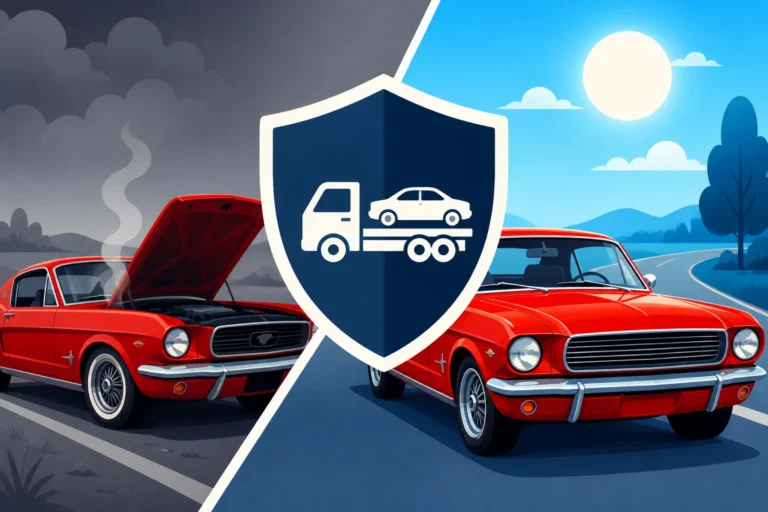
It might not seem like the most exciting part of insurance, but robust roadside assistance is incredibly important for modified classics. Many custom cars have lowered suspensions, custom exhaust systems, or delicate body kits that can be easily damaged by standard tow trucks using hooks or wheel lifts. You need a policy that explicitly includes or offers as an add-on flatbed towing. This ensures your custom ride is transported safely without incurring further damage. Picture your custom hot rod, perhaps a '32 Ford with a chopped top and perfectly aligned stance, needing a tow. A regular tow truck could easily scrape its underside or damage its custom fenders. Specialized roadside assistance, often available from classic car insurers, understands these nuances. You can often find this as an endorsement or part of a comprehensive package, ensuring your vehicle gets the white-glove treatment it deserves.
Beyond the Basics: Specialized Add-ons for Modified Cars
The beauty of a specialty classic car insurance policy for modified vehicles is the availability of specific endorsements that cater directly to the unique aspects of your build. These aren't standard features on typical auto policies and are crucial for truly comprehensive protection.
Covering Your Hard Work: Restoration and Custom Parts Coverage
If your modified car is still a work in progress, or you've recently completed a significant overhaul, Restoration Coverage for Classic Cars is an absolute must-have. This coverage specifically protects your vehicle while it's undergoing restoration or customization. As you invest more time and money into the project, the value of the car increases. Restoration coverage allows you to incrementally increase your agreed value as phases of your build are completed, reflecting the growing investment. Imagine you're restoring a '69 Camaro, adding a modern LS engine, custom suspension, and a fresh paint job. This coverage protects it from fire, theft, or accidental damage while it's in your garage or at a shop.
Furthermore, consider dedicated Spare Parts Coverage Explained. Modified vehicles often require unique or custom-fabricated parts that are expensive and hard to replace. This coverage protects those valuable components, whether they're on the car, in storage in your garage, or being transported to a specialist for installation. This is particularly vital for projects where you might have acquired rare or custom parts even before the car is ready for them.
Keeping Up with Value: Inflation Guard
The market for classic and modified cars can be dynamic, with values potentially rising over time. Inflation Guard Coverage Explained is a smart addition, especially for a meticulously built custom car whose value could appreciate significantly. This endorsement automatically adjusts your car's agreed value upward by a certain percentage (often 2-6%) at each renewal, without you needing to request an appraisal every single year. This helps ensure that if your modified '67 Mustang convertible, for example, appreciates in value due to market trends or simply because your build is gaining recognition, your insurance keeps pace, preventing you from being underinsured should a loss occur down the line. It's a proactive measure that recognizes the growing value of a truly special, modified vehicle.
Safeguarding Your Spare Parts and Tools
Beyond the car itself, many modified car enthusiasts amass collections of specialty tools, spare parts, and even automobilia related to their passion. While some basic comprehensive policies might offer limited coverage for items in the car, dedicated coverage for tools and parts stored elsewhere is essential. This can be an add-on that protects your specialized wrenches, diagnostic equipment, or that rare NOS carburetor you finally tracked down for your custom build. Think about the bespoke wiring harness you had fabricated or the custom turbocharger kit waiting for installation – these are significant investments that deserve their own protection.
Navigating the Valuation of Your Custom Ride
Getting the right coverage starts with accurately valuing your modified car. This isn't just about the purchase price; it's about quantifying every dollar and hour you've invested into making it unique. Without proper documentation and valuation, even the best coverage types can fall short.
The Critical Role of Appraisals
For a modified car, How to Get a Classic Car Appraisal is not just a good idea, it's virtually mandatory. An appraisal from a qualified, independent expert provides an objective, detailed assessment of your car's condition, its unique modifications, and its fair market value, considering all the custom work. This appraisal serves as the foundation for establishing your agreed value with the insurance company. It's not enough to just tell them you put a new engine in; an appraisal will detail the make, model, specifications, and estimated value of that engine, along with every other significant modification. This helps prevent disputes if a claim arises and ensures you get every penny your custom work is worth. Many specialty insurers, like Hagerty or Grundy, have networks of appraisers or guidelines for what they accept, making the process smoother. For complex builds, a detailed appraisal can even include photos and receipts for parts and labor.
Documenting Every Custom Detail
When you're embarking on a modification journey, documentation is your best friend for insurance purposes. Keep meticulous records of everything:
- Receipts: Save all receipts for parts, custom fabrication, paint, engine work, interior upgrades, and any other services rendered.
- Photographs: Take "before," "during," and "after" photos of every significant modification. Document the progress of your build from every angle, paying close attention to unique features and custom components.
- Specifications: Keep detailed notes or specification sheets for any performance upgrades, unique materials used, or custom dimensions.
- Labor Records: If you're paying someone to do the work, keep invoices. If you're doing it yourself, keep a log of the hours invested (even if you're not trying to recover your personal labor costs, it shows the extent of the project).
This thorough documentation backs up your appraisal and gives your insurer a clear, undeniable picture of your car's true value. It helps them understand the Requirements for Insuring a Restomod or any other highly customized vehicle. The more information you can provide, the smoother the process of establishing an accurate agreed value will be, and the more confidently you can pursue a claim if needed.
Here’s a quick overview of how key coverage types align with the needs of a modified classic:
| Coverage Type | Why It's Crucial for Modified Cars | Key Benefit |
|---|---|---|
| Agreed Value | Accounts for custom parts, labor, and unique market value. | Guarantees a specific payout amount in case of total loss. |
| Comprehensive | Protects expensive custom components from theft, fire, weather. | Covers non-collision damages that can be costly for unique builds. |
| Collision | Repairs custom bodywork, paint, and specialized components. | Pays for damage when your unique car hits or is hit by another object. |
| Restoration Coverage | Protects value increments during an ongoing build. | Ensures a project car's growing value is always covered. |
| Spare Parts Coverage | Safeguards valuable custom or rare parts not yet installed. | Protects your investment in components off the vehicle. |
| Inflation Guard | Automatically adjusts value as custom car market appreciation. | Keeps your policy current with rising values without annual appraisals. |
| Flatbed Roadside | Prevents damage to lowered suspensions or custom body kits during towing. | Ensures safe transport of your modified vehicle in emergencies. |
When you're out there looking for the right policy, don't be afraid to ask specific questions about how each type of coverage handles your modifications. This is your baby, and it deserves the very best protection available.
Disclaimer
Please remember that insurance policies can vary significantly. This guide provides general information about classic car insurance coverage for modified vehicles. It is crucial to consult with a qualified insurance professional and thoroughly review policy documents to understand your specific coverage, terms, conditions, and exclusions.