Best Coverage Types for a Hot Rod
It's incredibly frustrating when you've poured your heart, soul, and countless hours into building or restoring a hot rod, only to find that standard car insurance doesn't quite understand its unique value. Your custom build isn't just a car; it's a rolling piece of art, a labor of love that traditional policies often fail to protect adequately. This comprehensive guide will cut through the confusion, explaining the best types of coverage specifically tailored to ensure your hot rod is truly protected, from its custom engine to its unique paint job.
Understanding Agreed Value: The Cornerstone of Hot Rod Insurance
When it comes to insuring a hot rod, the absolute first thing you need to grasp is "Agreed Value" coverage. This isn't just a fancy term; it's the bedrock upon which genuine protection for your custom vehicle is built. Unlike a standard daily driver, a hot rod's value isn't simply determined by a blue book or market depreciation; its worth is inherently tied to its unique modifications, craftsmanship, and the passion invested in it.
Why Agreed Value is Critical for Hot Rods
Imagine spending years meticulously crafting your dream hot rod – custom chassis, a supercharged engine, bespoke interior, and a one-of-a-kind paint scheme. If you only have a standard auto insurance policy, or even a classic car policy with "Actual Cash Value" (ACV) or "Stated Value" coverage, you're playing a dangerous game. ACV policies will typically pay out the depreciated market value of a similar stock vehicle, which for a hot rod, would be a fraction of its true worth. You'd be left significantly undercompensated after a total loss.
Even "Stated Value" can be misleading. While it seems like you're agreeing on a value, many stated value policies reserve the right to pay out either the stated value or the actual cash value, whichever is less, in the event of a total loss. This means the insurer can still depreciate your beloved hot rod, leaving you short. For instance, if your hot rod is worth $80,000 but only insured under a stated value policy for that amount, the insurer might only pay out $35,000 if they determine its "actual cash value" is lower due to a narrow interpretation of its components.
Agreed Value coverage, however, is a transparent contract. You and your insurer agree on a specific dollar amount for your hot rod before the policy is issued. This figure is what you will be paid if your hot rod is declared a total loss, period. This is the only way to truly guarantee the full protection of your investment in a highly customized vehicle. Many hot rod owners find companies like Hagerty to be indispensable because they specialize in providing this crucial agreed value protection for unique vehicles. Understanding Agreed Value Coverage Explained is the first step toward comprehensive coverage.
Determining Your Hot Rod's True Valuation
Getting to that agreed-upon value for your hot rod isn't always as simple as looking up a VIN. Because hot rods are so individualized, the valuation process requires a bit more effort on your part, but it's entirely worth it. Insurers specializing in classic and custom cars, like Hagerty, understand this and have processes in place to help you accurately determine your car's worth.
The most common method is obtaining a professional appraisal. An independent appraiser who specializes in classic and custom vehicles can meticulously document your hot rod's condition, unique features, modifications, and the quality of its build. They'll consider everything from engine specifications, suspension upgrades, custom bodywork, interior finishes, and even the provenance of specific parts. You'll want to provide them with a detailed build sheet, receipts for major components, and high-quality photographs that showcase the vehicle's unique attributes. This detailed documentation proves the financial and aesthetic investment you've made, supporting the higher agreed value. When you need to understand How Classic Car Appraisals Work for Insurance, it’s important to select an appraiser with specific experience in custom vehicles to ensure all nuances are captured.
Some specialty insurers might also allow you to self-report the value with extensive photographic evidence and detailed descriptions of modifications, especially for lower-value builds or those with well-documented histories. However, for a significant investment like a hot rod, a third-party appraisal is almost always recommended to prevent disputes down the line and solidify the agreed value. This proactive approach ensures that when you compare offers and solidify your policy, there are no surprises regarding what your hot rod is truly worth in the eyes of your insurer.
Essential Protections: Comprehensive, Collision, and Liability
Beyond the critical aspect of Agreed Value, your hot rod needs the core protections that any vehicle owner expects: coverage against physical damage and protection against financial responsibility if you're at fault in an accident. However, these traditional coverage types get a significant upgrade when applied to a specialty hot rod policy.
Comprehensive and Collision Coverage for Your Custom Build
Comprehensive and collision coverages are your primary shields against the physical loss or damage to your hot rod.
- Collision coverage kicks in if your hot rod is damaged in a collision with another vehicle or object, or if it rolls over. For a hot rod, this is especially vital because even a minor fender bender can result in costly repairs due to custom bodywork, specialized paint, or hard-to-find components. With an Agreed Value policy, if your hot rod is deemed a total loss due to a collision, you'll receive the full agreed-upon amount, allowing you to either replace it or rebuild without suffering a massive financial hit.
- Comprehensive coverage protects against non-collision incidents. This includes theft, vandalism, fire, natural disasters (like hail, floods, or wind), and even damage from striking an animal. Given the desirability of hot rods, theft is a constant concern, and comprehensive coverage provides that peace of mind. Imagine a garage fire or a sudden hailstorm; comprehensive coverage ensures that the unique components and the overall value of your hot rod are protected. These coverages are non-negotiable for a hot rod owner, as they safeguard your investment against the vast majority of unforeseen events.
It's crucial to ensure that your chosen policy, perhaps from a reputable insurer like Hagerty, specifically includes these coverages, with payouts tied to your agreed value. Otherwise, you risk discovering too late that your insurer only values your custom ride as a basic, stock vehicle.
Liability Coverage: Protecting Your Assets on the Road
While physical damage coverage protects your hot rod itself, liability coverage protects you from the financial repercussions if you're deemed at fault in an accident. This coverage typically has two main components:
- Bodily Injury Liability covers medical expenses, lost wages, and pain and suffering for others involved in an accident where you are at fault.
- Property Damage Liability covers the cost to repair or replace another person's property, such as their vehicle or other structures, that you damage.
Most states have minimum liability requirements, but for a hot rod, those minimums are rarely sufficient. If you're involved in a serious accident, especially one involving multiple vehicles or significant injuries, the costs can quickly skyrocket beyond basic state limits. Because hot rods are often driven for pleasure, to shows, or on special occasions, the risk of a high-value claim might seem low, but the potential financial devastation if an accident occurs is immense.
Consider increasing your liability limits significantly above the state minimums. Many collectors opt for limits like $250,000/$500,000 for bodily injury and $100,000 for property damage, or even higher, to adequately protect their personal assets. Some even consider an umbrella policy for an added layer of protection over all their assets, including their hot rod. While you might not drive your hot rod every day, the potential for a catastrophic liability claim is very real, and robust liability coverage is a smart investment in your financial security. You can learn more about Classic Car Liability Requirements by State to ensure you meet local regulations while also protecting your personal wealth.
Specialized Coverages for the Unique Hot Rod Lifestyle
Owning a hot rod isn't just about driving; it's about the build, the shows, the unique parts, and the journey. Specialty classic car insurance policies offer a suite of additional coverages designed specifically to protect these aspects of the hot rod lifestyle, going far beyond what a standard policy could ever offer.
Custom Parts and Equipment Coverage
This is perhaps one of the most vital, yet often overlooked, coverages for a hot rod owner. Standard auto policies typically have very low limits for custom parts and modifications, often only a few thousand dollars, or sometimes none at all. This means your meticulously fabricated exhaust, vintage supercharger, custom wheels, or hand-stitched interior could be woefully underinsured if damage or theft occurs.
Specialty hot rod insurance, however, recognizes that the custom components are the hot rod's value. These policies can include specific endorsements or built-in coverage for custom parts and equipment, often integrated directly into the Agreed Value. This ensures that every dollar you've invested in unique engine components, suspension upgrades, custom paint, audio systems, or bespoke interior work is fully protected. If your hot rod has been modified, understanding Modified Car Insurance Eligibility is essential to ensure these custom elements are included in your valuation and coverage. Make sure to discuss every single modification with your insurer, providing documentation and photos, to guarantee these elements are part of your agreed valuation.
Restoration and Spare Parts Coverage
Many hot rods are perpetual projects, undergoing continuous restoration or upgrades. What happens if your hot rod is damaged while it's in pieces in your garage, or while being transported to a specialist for an upgrade? Standard policies are unlikely to cover this. That's where Restoration Coverage for Classic Cars comes in. This specialized add-on protects your vehicle while it's actively being restored, even if it's disassembled. The beauty of this coverage is that the agreed value can increase as the restoration progresses and its value grows. You typically provide updates to your insurer, showing progress and investment, and they adjust the agreed value accordingly.
Additionally, hot rod owners often accumulate valuable spare parts – a rare carburetor, an extra set of vintage wheels, or a backup transmission. These parts can be incredibly valuable, sometimes fetching thousands of dollars on the collector market. Spare Parts Coverage Explained is designed to protect these assets against theft, fire, or damage, typically even when they are stored separately from the vehicle itself, often in your garage or dedicated storage unit. Make sure your policy provides adequate limits for your collection of spare parts; some policies offer a blanket amount, while others might require specific scheduling for high-value items.
Roadside Assistance and Trip Interruption
Driving a hot rod, especially an older one, can sometimes come with unexpected mechanical hiccups. Unlike modern cars that can be towed by almost any service, hot rods often require special care, preferably flatbed towing, to prevent further damage to custom suspensions, low clearances, or delicate bodywork.
Specialty classic car insurance policies usually include roadside assistance tailored for collector vehicles. This often means guaranteed flatbed towing to the repair shop of your choice, not just the nearest one. Imagine being stranded fifty miles from home; this kind of specialized service is a lifesaver. Furthermore, if you're on a long-distance trip to a car show or a touring event, Trip Interruption Coverage for Classic Cars can reimburse you for accommodation, meals, and alternative transportation if your hot rod breaks down far from home and requires an overnight repair. These details might seem minor, but they significantly enhance the practical protection and peace of mind for any hot rod enthusiast.
Navigating Hot Rod Insurance Providers and Policies
Choosing the right insurance provider is just as important as understanding the coverage types. Not all insurance companies are created equal when it comes to hot rods, and opting for a general insurer can lead to significant gaps in protection and misunderstandings about your vehicle's true worth.
Why Specialty Insurers are Best for Hot Rods
General insurance companies, like those that insure your daily driver, are typically set up to handle mass-produced vehicles with readily available parts and standard depreciation schedules. Hot rods, by their very nature, defy this model. They are custom, often rare, and their value appreciates rather than depreciates. Because of this, general insurers often struggle to accurately value hot rods, properly assess repair costs for custom work, or understand the unique usage patterns of a collector vehicle. This often results in lower coverage limits, higher premiums due to perceived risk, or even outright refusal to insure.
Specialty insurers, on the other hand, are designed specifically for this niche. Companies like Hagerty, Grundy, and American Collectors Insurance understand the nuances of collector cars, including hot rods, muscle cars, and custom builds. They employ staff who are knowledgeable about these vehicles, use agreed value as a standard, and have networks of specialized repair shops that understand how to work with custom fabrication and rare parts. Their policies are crafted to include all the unique coverages discussed above, from restoration to spare parts to flatbed towing. When looking at providers, consider starting with Best Specialty Classic Car Insurers to narrow down your options.
Key Considerations When Getting a Quote
When you're ready to get quotes for your hot rod, be prepared with detailed information. The more thoroughly you can describe your vehicle, its build process, and its intended use, the better and more accurate your quotes will be.
- Documentation: Have your appraisal, build sheets, receipts for custom parts, and high-resolution photos ready.
- Usage: Be clear about how you use your hot rod. Is it strictly for shows and occasional pleasure drives? What are your estimated annual mileage limits? Most specialty policies require limited mileage, often between 1,000 and 5,000 miles per year, reflecting the pleasure-use nature of hot rods.
- Storage: Where is your hot rod stored? Most specialty insurers require your hot rod to be stored in a secured, enclosed garage. This significantly reduces the risk of theft or damage and can impact your eligibility and premium.
- Driving Record: While hot rod insurance often weighs vehicle characteristics more heavily, a clean driving record for all household drivers is always a plus and can help secure better rates.
- Other Vehicles: Do you have a separate vehicle for daily driving? Most specialty policies require that your hot rod not be your primary mode of transportation.
- Car Club Memberships: Being a member of a recognized hot rod or classic car club can sometimes qualify you for discounts with certain insurers.
Comparing quotes from multiple specialty providers is always a smart move. Don't just look at the premium; scrutinize the agreed value offered, the deductibles, and the specific add-on coverages included. A slightly higher premium might mean significantly better protection for your custom hot rod. For a deeper dive, consider reviewing How to Choose Classic Car Insurance to ensure you make the most informed decision.
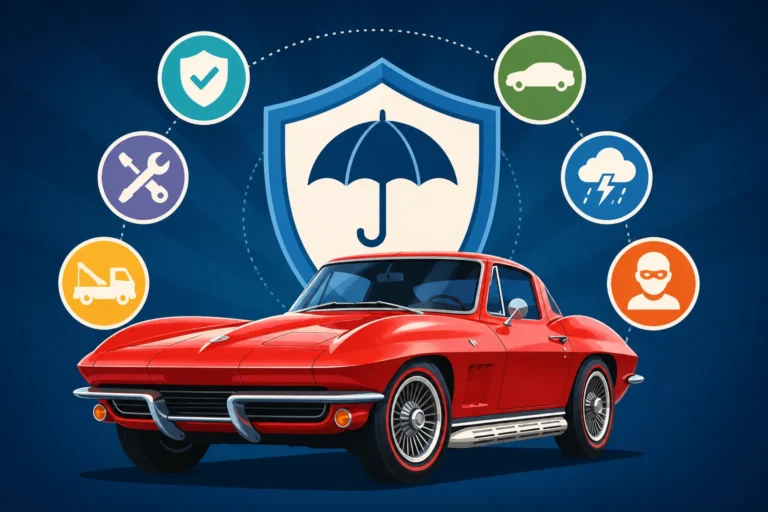
| Coverage Type | Description | Why It's Crucial for a Hot Rod |
|---|---|---|
| Agreed Value | Insurer and owner agree on a fixed payout amount at policy inception. | Guarantees full compensation for unique, custom value, not depreciated stock value. |
| Comprehensive | Covers non-collision damage (theft, fire, vandalism, natural disasters). | Protects against common threats to high-value, desirable custom vehicles. |
| Collision | Covers damage from accidents with other vehicles or objects. | Ensures repairs or replacement for custom bodywork and components are covered at agreed value. |
| Liability | Covers bodily injury and property damage to others if you're at fault. | Protects personal assets from potentially large claims in an accident involving your hot rod. |
| Custom Parts/Equip. | Specific coverage for aftermarket modifications and bespoke components. | Essential for insuring the true value of custom engines, paint, interiors, and accessories. |
| Restoration | Protects vehicle during active restoration, often increasing value over time. | Crucial for projects in progress, covering damage while disassembled or at a custom shop. |
| Spare Parts | Covers valuable components stored separately from the vehicle. | Safeguards investment in rare or custom parts awaiting installation or as backups. |
| Roadside Assist. | Specialized towing (e.g., flatbed) and assistance for collector vehicles. | Ensures safe transport of delicate hot rods without further damage if breakdowns occur. |
Disclaimer
Please remember that insurance policies and their terms can vary significantly. This information is intended for general guidance only and does not constitute professional insurance advice. It is always recommended to consult directly with a qualified insurance agent or representative to discuss your specific needs and obtain personalized quotes for your hot rod. Policy eligibility and coverage specifics are subject to the individual insurer's terms and conditions.